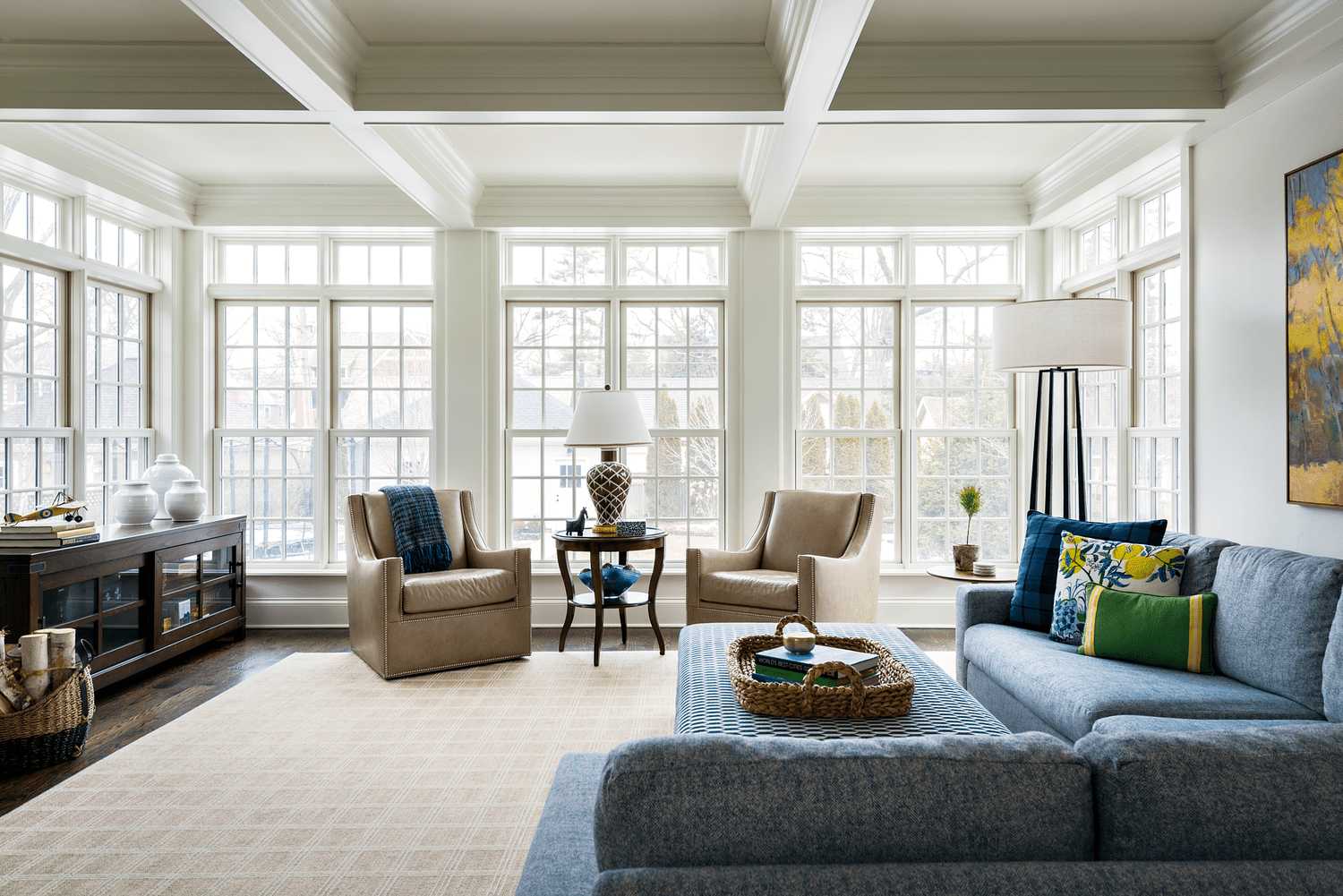
Looking to refresh your living room? Start by choosing a color palette that reflects your personality, then select key furniture pieces that fit your style and space. Consider adding layers with textiles—think cushions, throws, and rugs—to create warmth and comfort. Incorporate artwork and personal items to make the space uniquely yours, while keeping the layout functional and inviting. Don’t forget about lighting! A mix of ambient, task, and accent lighting can dramatically change the atmosphere. Finally, plants add a touch of nature, bringing life and freshness into the room. With these simple steps, you can transform your living area into a stylish and welcoming haven that reflects your tastes and lifestyle.
When it comes to decorating a living room, the key is to create a space that feels both functional and inviting. Begin by defining your style—whether it’s modern, rustic, or eclectic—and build around it. Select furniture that not only fits the size of the room but also complements your chosen aesthetic. Use a cohesive color scheme to tie the space together, incorporating different textures and patterns for visual interest. Arrange furniture to promote conversation and flow, and don’t shy away from adding personality through decor items like art, books, and personal mementos. Lighting plays a crucial role too; mix overhead fixtures with table and floor lamps to achieve a warm ambiance. Lastly, introduce greenery to bring life and vibrancy, making the room feel more welcoming and less static. By following these tips, you’ll create a living room that’s not just beautiful, but also a comfortable retreat for you and your guests.

How to Decorate a Living Room
Decorating a living room can be an exciting project. This is a space where family and friends gather, so it should reflect your personality and style. Whether you are starting fresh or updating your current decor, there are plenty of ideas to consider.
Understanding Your Space
Before jumping into decorating, take a close look at your living room. Measure the dimensions, including the height of the ceiling. This gives you a clear idea of what furniture will fit. It’s also essential to consider the natural light in the room.
- Note which direction the windows face.
- Observe how the light changes throughout the day.
These factors influence the colors and materials you choose.
Choosing a Color Palette
Colors set the tone for your living room. Selecting a cohesive color palette is crucial. Start with a base color and then choose complementary shades.
- Soft neutrals like beige, gray, or white work well with bold accent colors.
- Try two to three primary shades to keep the decor balanced and inviting.
Consider the emotions different colors evoke. For example, blue can create a calming atmosphere, while yellow adds energy and cheerfulness.
Selecting the Right Furniture
The next step is to choose furniture that fits your style and needs. Think about how you use your living room. If you entertain often, comfortable seating is vital.
- Sofas and chairs should be inviting and functional.
- Modular sofas offer flexibility for rearranging layouts.
In addition to comfort, consider the style of your furniture. Mixing modern with rustic pieces can create a unique and personalized space.
Arranging Furniture for Flow
After selecting your furniture, it’s time to arrange it. Ensure that there’s a natural flow in the room.
- Leave enough space to walk around furniture.
- Group seating areas for conversation.
A common layout involves placing a sofa opposite a focal point, like a fireplace or television. This setup invites relaxation and socialization.
Adding Area Rugs for Comfort
Area rugs can significantly enhance a living room’s comfort and style. They define spaces and add warmth.
- Choose a rug that ties together your color palette.
- The size should be large enough to fit under the front legs of your furniture.
Textures also matter. A plush rug invites comfort, while a flat-weave option may work better in high-traffic areas.
Lighting: The Secret Ingredient
Lighting is a crucial aspect of home decor. It sets the mood and enhances the aesthetic. Use a combination of ambient, task, and accent lighting.
- Ceiling fixtures provide general illumination.
- Table lamps offer focused light for reading.
- Consider floor lamps for added height and visual interest.
Don’t forget about natural light! Use sheer curtains to allow sunlight to fill the room while maintaining privacy.
Incorporating Accessories and Decor
Accessories bring personality to your living room. Start with artwork and wall decor.
- Gallery walls can display personal photos and artworks.
- A large piece of art can serve as a focal point.
Decorative items like vases, books, and candles add layers of interest. Use shelves to display favorites as well.
Plants for Freshness
Plants are an excellent addition to any living room. They add color, texture, and life to your space.
- Choose easy-to-care-for plants like succulents or snake plants.
- Consider larger plants, like fiddle leaf figs, for dramatic effect.
Plants also improve air quality, making your living room healthier and more inviting.
Creating a Cozy Atmosphere
Comfort is key in a living room. Soft textiles create a warm environment.
- Pillows in various sizes add coziness to sofas.
- Throws can be draped over chairs or couches for easy access.
Choose fabrics that feel inviting. Think about adding a soft blanket for those chilly evenings.
Personalizing with Meaningful Items
Your living room should tell your story. Incorporate items that reflect your journey.
- Display souvenirs from travels.
- Showcase family heirlooms or handmade crafts.
These pieces make the space feel uniquely yours.
Using Mirrors for Depth
Mirrors can make a living room appear larger and brighter.
- Place a large mirror opposite a window to reflect light.
- Consider smaller mirrors as wall decor for added interest.
Mirrors also add elegance and style to any space.
Maintaining Balance and Harmony
Balance is essential in any home decor. Aim for symmetry with your furniture placement.
- Pair chairs across from each other for a balanced look.
- Use side tables on either side of a sofa or bed.
Alternatively, asymmetrical arrangements can create a more casual vibe. Just ensure everything feels cohesive.
Seasonal Updates
Changing your decor with the seasons keeps your living room fresh.
- Swap cushions and throws for seasonal colors.
- Change out decor items based on the time of year.
This practice keeps your space feeling new and exciting without a complete overhaul.
Budget-Friendly Decorating Tips
Decorating does not need to be expensive. Here are a few budget-friendly ideas:
- Thrift stores often have unique furniture and decor.
- DIY projects can add personal touches without breaking the bank.
Also, consider swapping decor items with friends to refresh your space without spending money.
Additionally, always look for sales and discounts from local stores or online retailers.
In summary, decorating your living room can be a fun and rewarding process. By carefully considering your space, selecting colors and furnishings that resonate with you, and incorporating personal touches, you can create an inviting environment that reflects your style. Remember, it’s all about finding a balance between functionality and aesthetics while making it a place where everyone feels at home.
A GUIDE FOR DECORATING YOUR LIVING ROOM 4 Essential Decor Items | Where To Shop
Frequently Asked Questions
What are some key elements to consider when choosing a color scheme for my living room?
When selecting a color scheme for your living room, consider the mood you want to create. Warm colors like reds and yellows can create a cozy atmosphere, while cool colors like blues and greens can foster a calm environment. Additionally, think about the amount of natural light your space receives; lighter colors can make a small, dark room feel more spacious, while darker hues can add drama and character to larger spaces. It’s also helpful to coordinate your color scheme with the furniture and decor you already have or plan to purchase.
How can I make a small living room feel more spacious?
To make a small living room feel more spacious, opt for light colors on walls and furnishings to create an airy feel. Use mirrors strategically to reflect light and create the illusion of depth. Choose furniture that is scaled appropriately for the space, avoiding oversized pieces. Incorporating multi-functional furniture, like a coffee table that doubles as storage, can also help maximize space. Keep the decor minimal to avoid visual clutter and allow the room to breathe.
What types of furniture arrangement work best in a living room?
The arrangement of furniture in your living room should facilitate conversation and comfort. A common layout places seating in a U-shape or L-shape around a central focus point, such as a coffee table or television. Ensure there is enough space for movement, ideally leaving 24-30 inches between pieces. Create zones for different activities, such as reading or watching TV, while maintaining flow between areas. Experiment with different placements to find what feels most inviting.
How can I add personality to my living room decor?
To add personality to your living room decor, incorporate items that reflect your style and interests. Use artwork, photographs, and unique accessories that tell a story or evoke memories. Layer textures with various materials like wood, metal, and fabric to create visual interest. Add plants for a touch of nature, which can bring life and warmth to the space. Consider using bold patterns in throw pillows or rugs to inject energy and character into the room.
What role does lighting play in decorating a living room?
Lighting significantly impacts the atmosphere of your living room. Use a combination of ambient, task, and accent lighting to create a well-rounded lighting scheme. Ambient lighting serves as the room’s main source of light; consider overhead fixtures or lamps. Task lighting, such as reading lamps, provides light for specific activities. Accent lighting can highlight artwork or architectural features. Dimmer switches offer flexibility in adjusting the intensity of light to suit different occasions and moods.
Final Thoughts
To decorate a living room, start by choosing a cohesive color palette that reflects your style. Incorporate various texture and patterns through furniture, textiles, and artwork to create visual interest.
Next, arrange furniture in a way that promotes conversation and comfort. Use rugs to define spaces and add warmth.
Finally, accessorize with personal touches such as photographs or plants to make the space feel inviting. By following these steps on how to decorate a living room, you can create a stylish and functional area that suits your needs.