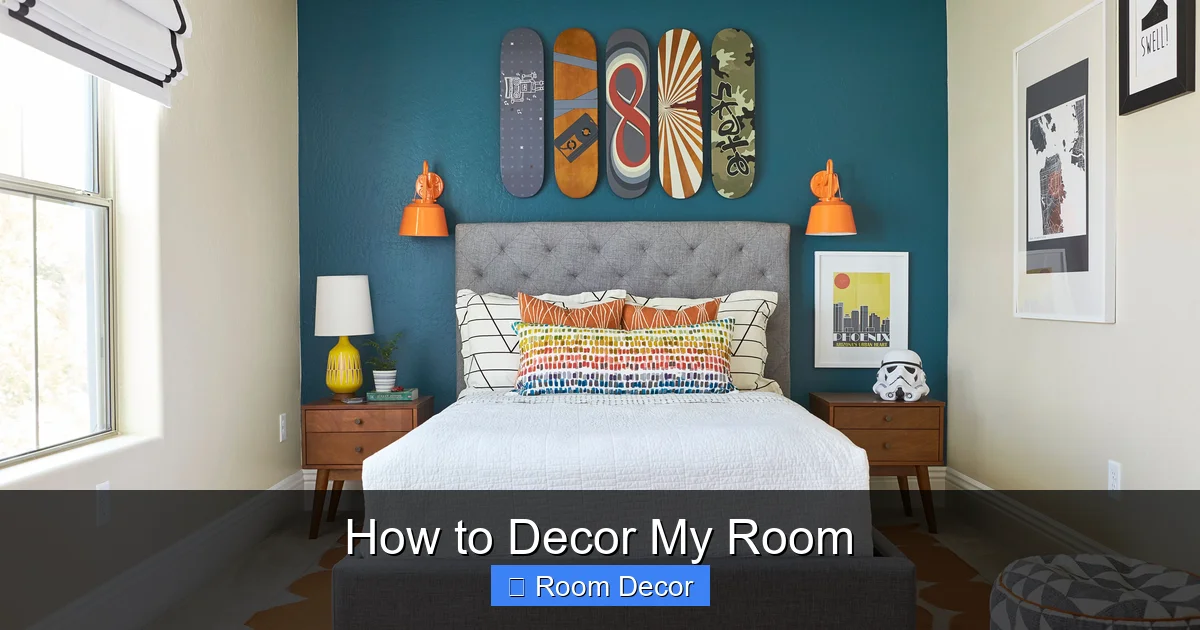
Ready to refresh your living space? This comprehensive guide will walk you through every step of how to decor your room, making it a personalized sanctuary. Discover how to define your style, plan your layout, choose the right colors and furniture, and add those perfect finishing touches. Transforming your room into a dream space is achievable and fun!
How to Decor My Room
Ever stare at your room and think, “This needs a serious upgrade”? You’re not alone! Decorating your room can feel like a huge undertaking, but it doesn’t have to be. Whether you’re aiming for a cozy sanctuary, a vibrant workspace, or a stylish haven, this guide will break down exactly how to decor your room step-by-step. We’ll cover everything from finding your unique style to adding those final, magical touches that make a space truly yours.
So, grab a notebook and a cup of your favorite drink. Let’s embark on this exciting journey to transform your room into a place you absolutely love!
Key Takeaways
- Understand Your Style: Before buying anything, identify your personal aesthetic to ensure a cohesive and intentional room design.
- Plan Your Layout: Measure your space and map out furniture placement to maximize functionality and flow.
- Color Palette Power: Select a color scheme that reflects your mood and enhances the room’s ambiance.
- Furniture First: Prioritize essential furniture pieces that are both functional and align with your chosen style.
- Lighting is Key: Layer lighting to create different moods and highlight specific areas.
- Accessorize Wisely: Use decorative items to add personality and complete the look of your room.
- Embrace Personal Touches: Incorporate items that hold meaning to make your room truly yours.
Step 1: Discover Your Decor Style
This is the most crucial first step. Before you buy a single pillow or paint a wall, you need to understand what kind of vibe you’re going for. Think about what makes you feel comfortable, inspired, and happy in a space. Your room should reflect *you*.
Explore Different Styles
There are countless decor styles, but here are a few popular ones to get you thinking:
- Minimalist: Clean lines, neutral colors, uncluttered spaces. Focus on essential items and quality over quantity.
- Bohemian (Boho): Eclectic, layered, and free-spirited. Think natural materials, bold patterns, plants, and vintage finds.
- Modern: Sleek, geometric shapes, often with a metallic accent. Focus on functionality and a sophisticated feel.
- Farmhouse: Cozy, rustic charm with a mix of old and new. Features natural wood, shiplap, and vintage-inspired pieces.
- Coastal: Light, airy, and relaxed. Uses blues, whites, sandy tones, and natural textures like wicker and linen.
- Industrial: Raw, unfinished elements like exposed brick, metal, and wood. Often found in converted lofts.
Gather Inspiration
Where can you find ideas? Lots of places!
- Pinterest & Instagram: These are goldmines for visual inspiration. Create boards or save posts of rooms you love.
- Magazines: Home decor magazines offer curated looks and trends.
- Real Life: Visit furniture stores, cafes, hotels, or friends’ homes. Notice what you like and why.
- Online Decor Blogs: Many bloggers share their design processes and tips.
As you gather inspiration, pay attention to recurring themes: colors, textures, furniture shapes, and overall mood. This will help you pinpoint your personal style.
Step 2: Plan Your Room’s Layout
A well-planned layout makes a room feel more spacious, functional, and inviting. This is where you think about how you’ll use your space.
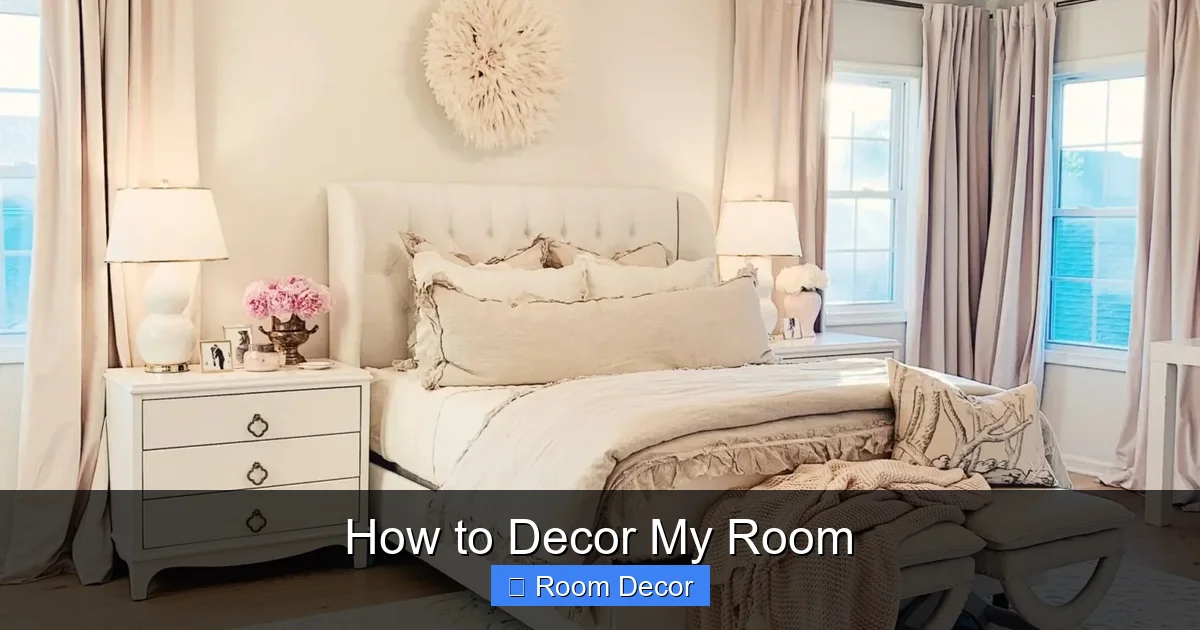
Visual guide about How to Decor My Room
Image source: i1.wp.com
Measure Your Space
Grab a measuring tape! Accurately measure the dimensions of your room, including wall lengths, window sizes, and door openings. Note any architectural features like radiators, fireplaces, or built-in shelves.
Consider Furniture Placement
Think about the function of each area in your room. For example, do you need a dedicated reading nook? A workspace? A cozy spot for watching movies?
- Focal Point: Identify a natural focal point in the room – a window with a view, a fireplace, or even a statement piece of art. Arrange furniture to draw attention to it.
- Traffic Flow: Ensure there are clear pathways to move around the room easily. Avoid blocking doorways or creating tight squeezes.
- Conversation Areas: If your room is a social space, arrange seating to encourage conversation.
- Scale: Choose furniture that is appropriately sized for your room. Oversized furniture can make a small room feel cramped, while too-small furniture can look lost in a large space.
Create a Floor Plan
You don’t need to be an architect! You can sketch it out on paper or use free online tools. Draw your room to scale and then cut out or move paper cutouts of your furniture to experiment with different arrangements.
Step 3: Choose Your Color Palette
Color has a powerful impact on mood and atmosphere. Selecting the right colors is essential for how to decor your room.
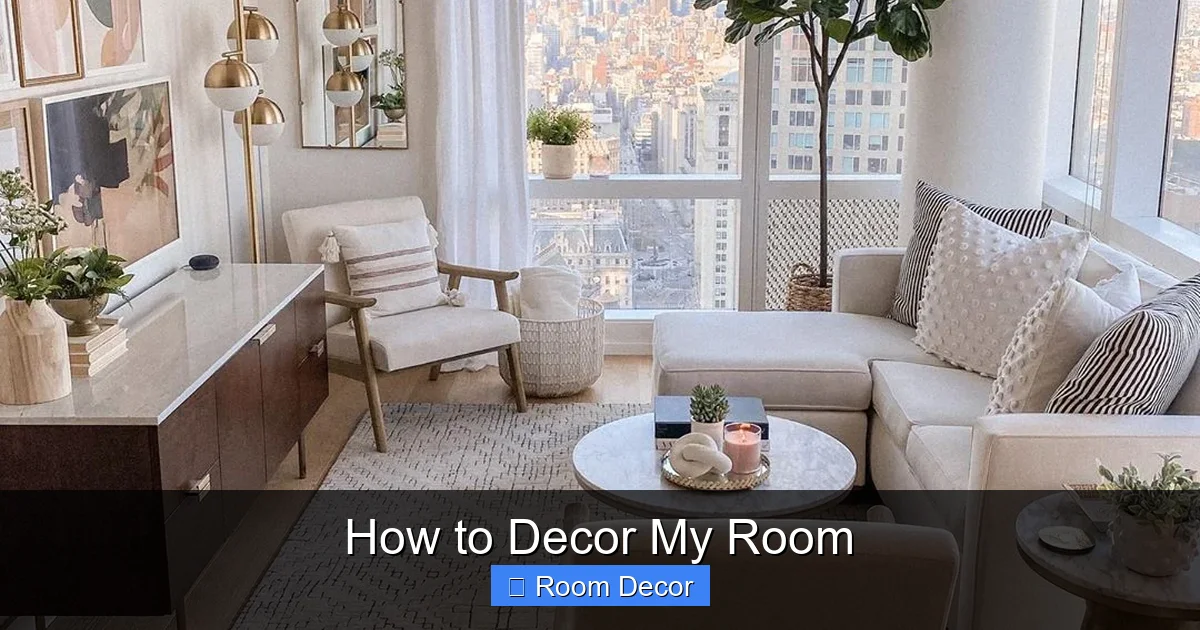
Visual guide about How to Decor My Room
Image source: media.theeverygirl.com
Understand Color Theory Basics
Warm Colors (reds, oranges, yellows) tend to be energizing and inviting. Cool Colors (blues, greens, purples) can be calming and serene. Neutrals (whites, grays, beiges, blacks) are versatile and provide a great base.
Select a Dominant Color
This will be the main color of your walls or a significant piece of furniture. It sets the tone for the entire room.
Choose Accent Colors
These are colors that add pops of interest and personality. They can be used in smaller doses through accessories, cushions, or artwork. Aim for 2-3 accent colors that complement your dominant color.
Consider the 60-30-10 Rule
This is a popular decorating guideline:
- 60% Dominant Color: Usually your wall color or a large furniture piece.
- 30% Secondary Color: Often used for furniture, rugs, or curtains.
- 10% Accent Color: Used for small accessories, pillows, or decorative items.
This rule helps create a balanced and harmonious color scheme.
Tip: Get paint swatches and tape them to your walls. Observe them at different times of day to see how the light affects their appearance.
Step 4: Select Your Furniture
Furniture is the backbone of any room. Focus on pieces that are functional, comfortable, and align with your chosen style.
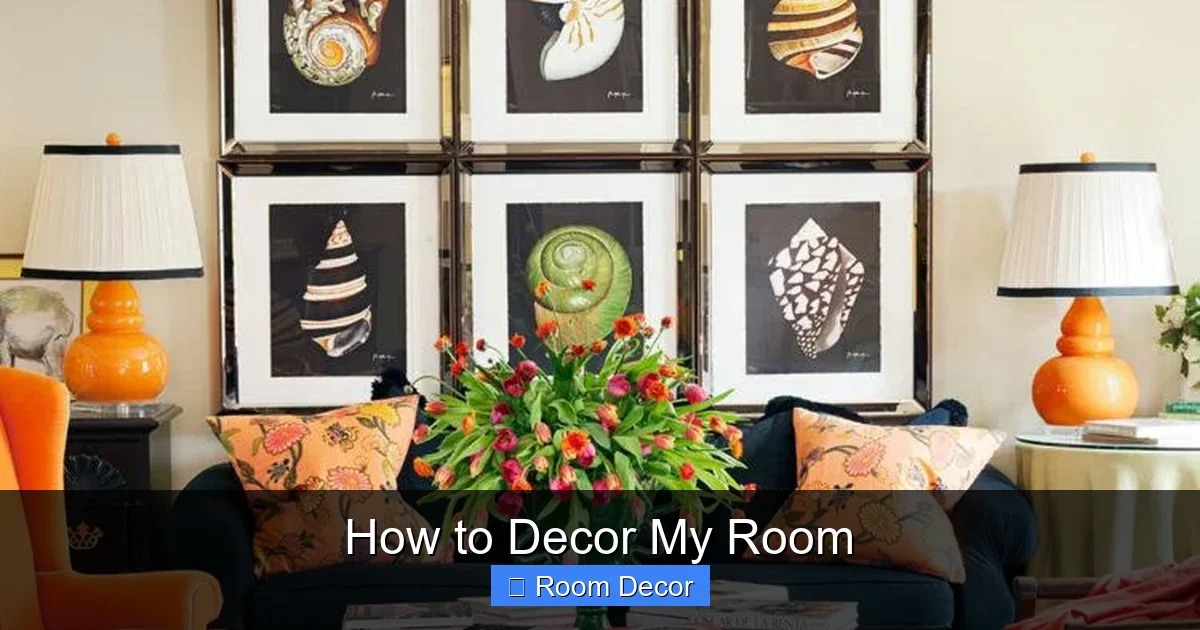
Visual guide about How to Decor My Room
Image source: housely.com
Prioritize Essential Pieces
Start with the must-haves. For a bedroom, this is typically a bed, dresser, and nightstand. For a living room, it might be a sofa, coffee table, and armchair.
Consider Scale and Proportion
As mentioned before, ensure furniture fits your space. Measure your room and the furniture before you buy. Stand back and look at how the pieces relate to each other and the room’s size.
Think About Functionality
How will you use this furniture? Do you need storage? A desk for working? A sofa that can double as a guest bed? Choose pieces that serve your needs.
Mix and Match (Carefully!)
You don’t have to buy everything from the same set. Mixing furniture styles can add character, but ensure there’s a unifying element, like color or material, to keep it cohesive.
Example: If you have a modern sofa, consider adding a vintage armchair or a rustic coffee table for an eclectic feel. Just make sure they share a common color or texture.
Step 5: Layer Your Lighting
Good lighting can completely transform a room. It affects mood, functionality, and how you perceive colors. Relying solely on overhead lighting can make a room feel harsh.
Ambient Lighting (General Lighting)
This is the overall illumination of the room. Think ceiling fixtures, recessed lighting, or a large floor lamp.
Task Lighting (Specific Activities)
This lighting is for specific activities like reading, working, or cooking. Examples include desk lamps, bedside reading lamps, or under-cabinet lighting in a kitchen.
Accent Lighting (Highlighting Features)
Use this to draw attention to artwork, plants, or architectural features. This could be picture lights, track lighting, or uplights.
Consider Dimmers
Installing dimmers allows you to control the intensity of your lights, creating different moods for different occasions.
Tip: Use warm-toned bulbs (around 2700K to 3000K) for a cozy and inviting atmosphere. Cooler bulbs can feel more clinical.
Step 6: Add Textiles and Soft Furnishings
Textiles add comfort, texture, color, and warmth to a room. They are key to making a space feel finished.
Rugs
A rug can define a space, anchor furniture, and add color and pattern. Ensure it’s the right size for the area – ideally, the front legs of your furniture should sit on the rug.
Curtains and Blinds
Window treatments add privacy, control light, and contribute to the room’s aesthetic. They can add softness, color, or a graphic element.
Cushions and Throws
These are the easiest way to inject personality and comfort. Mix and match patterns, textures, and colors to create an inviting seating area.
Bedding (for Bedrooms)
Your bedding is a major visual element in a bedroom. Choose sheets, duvets, and pillows that align with your color scheme and style.
Tip: Don’t be afraid to layer textures. A chunky knit throw on a velvet sofa, or a woven rug under a plush armchair, adds depth and interest.
Step 7: Accessorize and Personalize
This is where your room truly comes to life! Accessories are the finishing touches that express your personality and complete your decor.
Wall Decor
This can include artwork, photographs, mirrors, shelves, or tapestries. Create a gallery wall, hang a large statement piece, or simply add a few favorite prints.
Decorative Objects
Vases, sculptures, candles, trays, and plants add personality and visual interest. Group items in odd numbers (e.g., three vases) for a more appealing arrangement.
Plants
Greenery brings life and freshness to any room. Choose plants that suit your light conditions and your ability to care for them.
Personal Items
Display items that have meaning to you – souvenirs from trips, family photos, books you love, or heirlooms. These are what make your room unique.
Mirrors
Mirrors not only add a decorative element but also make a room feel larger and brighter by reflecting light.
Tip: When arranging accessories, think about balance and visual weight. Don’t clutter one side of a shelf or table. Step back and assess the arrangement from different angles.
Troubleshooting Common Decorating Challenges
Sometimes, decorating doesn’t go exactly as planned. Here are a few common issues and how to fix them.
My Room Feels Too Small
Solution: Use lighter paint colors on walls, incorporate mirrors to reflect light and space, choose furniture with legs to create an illusion of more floor space, and avoid clutter by using smart storage solutions.
My Room Feels Dull or Boring
Solution: Add pops of color with accessories, introduce varying textures (e.g., a furry throw, a sleek metal lamp), incorporate artwork or patterned textiles, and ensure adequate lighting.
My Furniture Doesn’t Fit
Solution: If too big, consider a smaller piece or rearrange to maximize space. If too small, group smaller pieces together or add larger-scale accessories to balance them out. Sometimes, it might mean returning an item if it’s significantly out of proportion.
The Colors Don’t Work Together
Solution: Revisit your color palette. You might need to add a neutral to ground the scheme, or introduce a bridging color that appears in both your dominant and accent elements. Sometimes, a new cushion or a rug can tie everything together.
Conclusion
Decorating your room is a rewarding process that allows you to create a space that reflects your personality and meets your needs. By following these steps – from defining your style and planning your layout to carefully selecting furniture, lighting, textiles, and accessories – you can transform any room into a beautiful and functional haven. Remember, it’s your space, so have fun with it! Don’t be afraid to experiment and inject your own unique flair. Happy decorating!