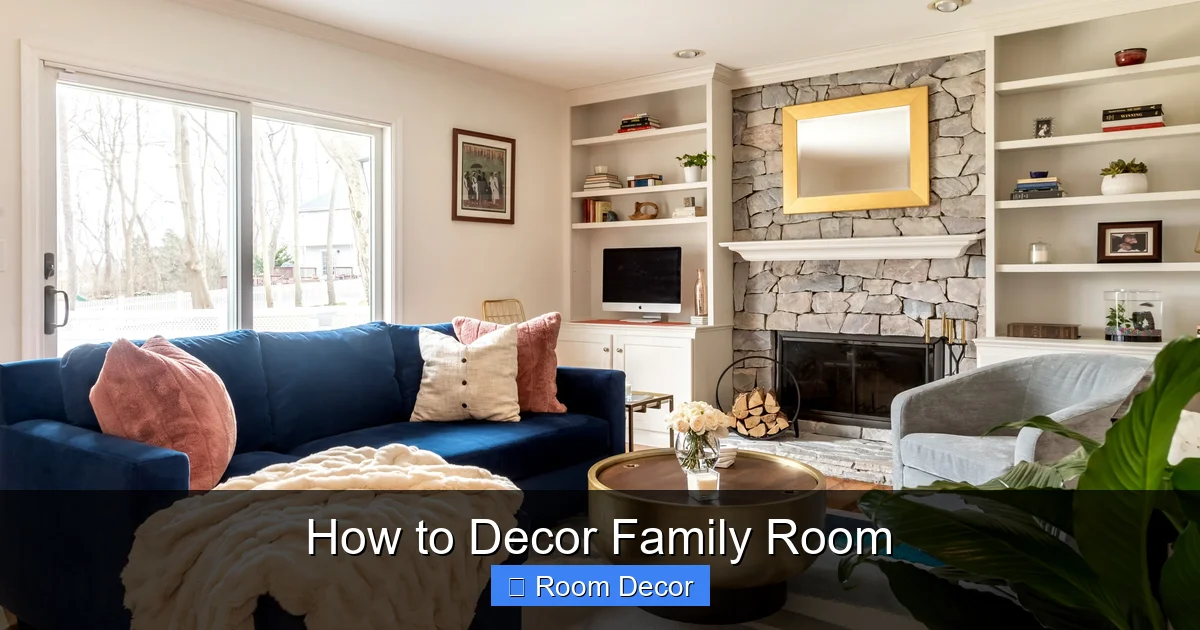
Transform your family room into the heart of your home with this detailed guide. We’ll cover everything from planning your layout to adding the perfect finishing touches. Discover how to create a space that is both functional for everyday life and a reflection of your family’s personality. Get ready to enjoy a more comfortable and stylish living area!
How to Decor Family Room
Your family room is more than just a room in your house. It’s the central hub where memories are made, laughter echoes, and everyone gathers to relax and connect. Decorating this space is about creating a sanctuary that is both beautiful and incredibly functional for your busy lives. This guide will walk you through every step, from the initial planning stages to adding those final, personal touches that make your family room truly your own. Get ready to transform your family room into a space everyone will love!
Key Takeaways
- Understand Your Needs: Before buying anything, assess how your family uses the room to ensure the decor supports your lifestyle.
- Plan Your Layout: A well-thought-out furniture arrangement is crucial for flow, conversation, and functionality.
- Choose a Color Palette: Select colors that create the desired mood and tie your decor elements together cohesibly.
- Select Comfortable and Durable Furniture: Prioritize pieces that are built to last and offer comfort for everyone in the family.
- Incorporate Ample Storage: Practical storage solutions are essential for keeping the family room tidy and organized.
- Add Personal Touches: Decorate with items that reflect your family’s personality, memories, and interests.
- Layer Lighting: Combine different light sources to create a warm, inviting, and functional atmosphere.
Step 1: Define Your Family’s Needs and Style
Before you even think about paint colors or furniture styles, it’s crucial to understand how your family uses the family room. This is the foundation of good family room decor. What activities take place here most often? Is it movie nights, game nights, reading, homework, or a combination of everything?
Assess Current Usage
- Gather Feedback: Talk to your family members. Ask them what they like about the current space and what they wish was different.
- Observe Daily Habits: Pay attention to how the room is used throughout the day. Where do people naturally gravitate? What activities seem to cause clutter?
- Consider Future Needs: Think about how your family’s needs might change over time. For example, if you have young children, you’ll need durable, easy-to-clean surfaces. If teenagers are around, they might need dedicated charging stations.
Determine Your Style
Your family room should reflect your family’s personality. This doesn’t mean it has to be trendy; it means it should feel like *you*.
- Gather Inspiration: Browse magazines, Pinterest, Instagram, and design blogs. Save images of rooms that catch your eye.
- Identify Common Themes: Look for recurring colors, furniture styles, textures, and overall moods in your saved images. Are you drawn to modern, minimalist designs, or cozy, rustic aesthetics? Do you prefer bold colors or calming neutrals?
- Don’t Be Afraid to Mix: It’s okay to blend styles. The key is to create a harmonious look. For instance, you might love the clean lines of modern furniture but want to incorporate a touch of bohemian warmth with textiles.
Step 2: Plan Your Layout and Flow
A well-designed layout is essential for making your family room functional and inviting. It impacts how people move through the space and how easily they can interact.
Create Zones
Even in a single room, you can create different zones for various activities. This helps to organize the space and make it feel more purposeful.
- Conversation Area: This is usually centered around a sofa and armchairs, facing each other or arranged around a coffee table.
- Entertainment Zone: If you have a TV or entertainment system, ensure it’s positioned for comfortable viewing from the main seating area.
- Reading Nook: A comfortable armchair with a side table and a good reading lamp can create a cozy corner for quiet time.
- Play Area (if applicable): If children use the room, designate a clear area for toys and games, preferably with accessible storage.
Furniture Arrangement Tips
- Traffic Flow: Ensure there are clear pathways for people to walk around the furniture without feeling cramped. Aim for at least 2-3 feet for main walkways.
- Focal Point: Decide on a focal point for the room. This could be a fireplace, a large window with a view, or the entertainment center. Arrange furniture to complement this focal point.
- Conversation Distance: Arrange seating so that people can comfortably converse without shouting. Typically, seats should be no more than 8-10 feet apart.
- Balance: Distribute visual weight evenly. Don’t put all the heavy furniture on one side of the room.
- Consider Scale: Choose furniture that is appropriately sized for your room. Oversized furniture can make a small room feel cluttered, while too-small furniture can look lost in a large space.
Step 3: Choose Your Color Palette and Wall Decor
Color has a powerful impact on mood and the overall feel of a room. Selecting a cohesive color palette will tie your decor elements together beautifully.
Selecting a Color Palette
A good palette typically consists of a main color, a secondary color, and an accent color.
- Neutrals as a Base: Neutrals like beige, gray, white, and cream are versatile and create a calm backdrop. They allow you to easily introduce pops of color through accessories.
- Consider the Mood: Blue and green are calming. Yellow and orange are energizing. Red can be bold and dramatic.
- Inspiration from Existing Items: Look at an existing rug, piece of art, or even a favorite piece of clothing for color inspiration.
- Test Colors: Always buy small sample pots and paint swatches on your walls. Look at them in different lights throughout the day before committing.
Wall Decor Ideas
Walls are a blank canvas for expressing your family’s personality.
- Gallery Walls: Mix photos, artwork, and decorative items in various frames for a personalized display. This is a wonderful way to showcase family memories.
- Large Statement Art: A single, large piece of art can anchor the room and set the tone.
- Mirrors: Mirrors can make a room feel larger and brighter by reflecting light. Place them strategically opposite windows.
- Shelving: Open shelves can be used for displaying decorative items, books, and plants.
- Paint or Wallpaper: An accent wall with a bold color or interesting wallpaper can add depth and character.
Step 4: Select Comfortable and Durable Furniture
Furniture is the backbone of your family room. It needs to be comfortable enough for lounging and durable enough to withstand daily use.
Choosing the Right Sofa
The sofa is likely the largest piece of furniture, so choose wisely.
- Comfort is Key: Sit on it! Test the depth, firmness, and height of the cushions.
- Durability Matters: Opt for fabrics that are stain-resistant and easy to clean, such as microfiber, performance fabrics, or leather.
- Size and Shape: Consider the scale of your room and your family size. A sectional can be great for large families or L-shaped rooms, while a standard sofa and love seat might be better for smaller spaces.
Complementary Seating
Add variety and ensure enough seating for everyone.
- Armchairs: These offer individual comfort and can add visual interest.
- Ottomans and Poufs: These are versatile. They can serve as footrests, extra seating, or even makeshift coffee tables with a tray.
- Beanbags: A fun and casual option, especially for a more relaxed vibe.
Coffee and Side Tables
These are crucial for functionality.
- Height: Coffee tables should be roughly the same height as your sofa seats, and side tables should be close to the height of the armrests.
- Material: Consider durability. Wood, metal, and sturdy composite materials are good choices.
- Shape: Round tables can soften a room with a lot of straight lines, while rectangular tables can be more practical for placing items.
Step 5: Incorporate Ample Storage Solutions
A tidy family room is a happy family room. Smart storage is non-negotiable.
Hidden Storage
Keep clutter out of sight.
- Ottomans with Storage: These are perfect for blankets, remotes, and kids’ toys.
- Media Consoles: Choose one with doors or drawers to hide electronics, games, and DVDs.
- Baskets and Bins: These are great for corralling smaller items like remotes, magazines, or kids’ craft supplies. They can also add a decorative touch.
Open Storage for Display
Use shelves and cubbies to your advantage.
- Bookshelves: Not just for books! Style them with decorative items, plants, and framed photos.
- Floating Shelves: These can add visual interest and display space without taking up floor space.
- Cubby Units: Ideal for organizing smaller items and providing individual storage spots.
Step 6: Layer Your Lighting
Good lighting can transform the ambiance of your family room. Aim for a layered approach that combines different types of light.
Ambient Lighting
This is the general, overall illumination of the room.
- Ceiling Fixtures: A central chandelier or flush mount light can provide broad light. Dimmers are highly recommended to adjust the mood.
Task Lighting
This provides focused light for specific activities.
- Reading Lamps: Floor lamps or table lamps placed near seating areas are perfect for reading.
- Desk Lamps: If you have a small desk area, ensure adequate task lighting there.
Accent Lighting
This highlights specific features or creates mood.
- Picture Lights: To illuminate artwork.
- Uplights: To highlight plants or architectural features.
- String Lights: For a cozy, whimsical feel.
Don’t Forget Dimmers!
Dimmers are your best friend for controlling the mood. They allow you to go from bright and functional for family activities to soft and cozy for movie nights.
Step 7: Add Textiles and Soft Furnishings
Textiles are where you inject warmth, color, and personality into your family room.
Rugs
A rug can define a space, add warmth, and tie your furniture together.
- Size Matters: The rug should be large enough that at least the front legs of your main seating pieces rest on it.
- Material: Consider durability and comfort. Wool is soft and durable, while synthetic fibers like nylon or polyester are often more stain-resistant and budget-friendly.
- Pattern and Color: A patterned rug can hide minor spills and add visual interest. A solid rug can be a calming base for more vibrant decor.
Throw Pillows and Blankets
These are easy, affordable ways to update your decor and add comfort.
- Mix and Match: Combine different sizes, textures, and patterns for a layered look.
- Color Coordination: Use pillows and blankets to introduce accent colors from your palette.
- Comfort: Opt for soft, inviting fabrics like chenille, velvet, or chunky knits.
Curtains and Window Treatments
These add softness, control light, and enhance privacy.
- Fabric Choice: Heavier fabrics like velvet or linen can add warmth and coziness. Lighter fabrics can let in more light.
- Length: Curtains should ideally touch the floor or puddle slightly for a more luxurious feel.
- Functionality: Consider blackout curtains if your family room gets a lot of sun or if you plan to watch movies during the day.
Step 8: Personalize with Accessories and Decor
This is where your family room truly comes alive! These are the finishing touches that make the space uniquely yours.
Display Family Photos
This is a timeless way to make your family room feel personal and cherished.
- Framed Photos: Mix frame styles and sizes for a dynamic gallery wall.
- Photo Albums: Keep favorite albums on a coffee table for easy browsing.
- Digital Photo Frames: A modern way to display a rotating selection of your favorite memories.
Add Greenery
Plants bring life, color, and a sense of calm to any room.
- Choose Low-Maintenance Plants: If you don’t have a green thumb, opt for plants like snake plants, ZZ plants, or pothos.
- Consider Placement: Place plants on shelves, side tables, or the floor to add visual interest at different heights.
Incorporate Meaningful Objects
Display items that have sentimental value or represent your family’s hobbies and interests.
- Souvenirs from Trips: A reminder of shared adventures.
- Handmade Crafts: Especially if kids contributed!
- Collections: If your family collects anything, find elegant ways to display it.
Don’t Forget Scent
A pleasant aroma can enhance the cozy atmosphere.
- Candles: Choose comforting scents like vanilla, cinnamon, or lavender.
- Diffusers: An alternative to candles, especially if you have pets or young children.
Troubleshooting Common Family Room Decor Challenges
Challenge: The room feels too small or cramped.
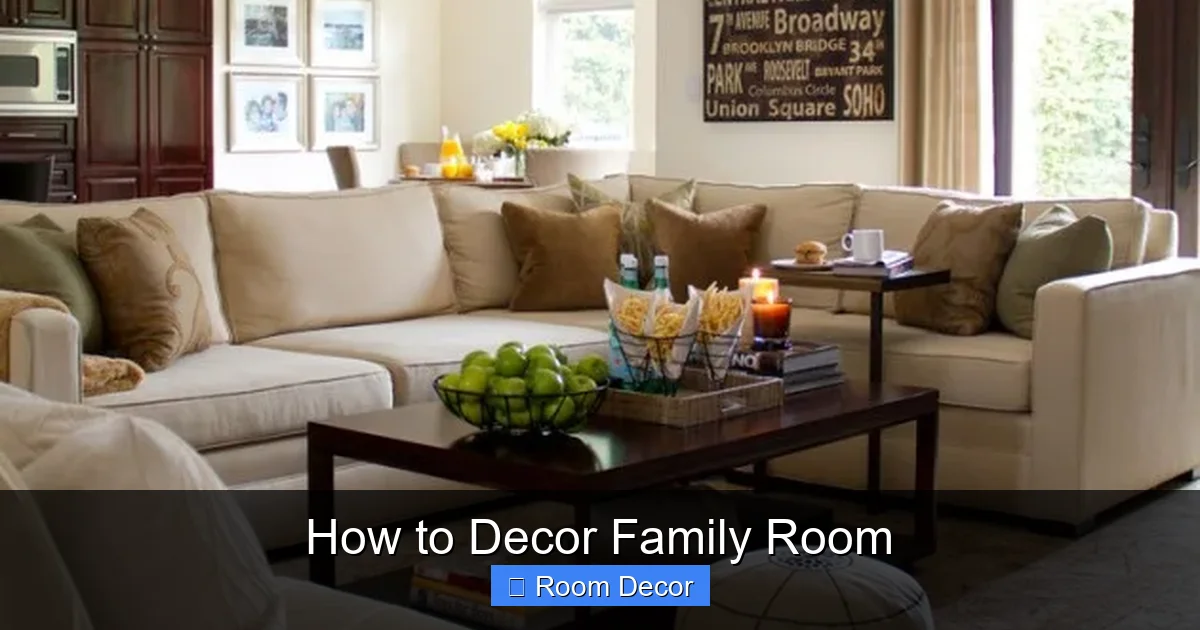
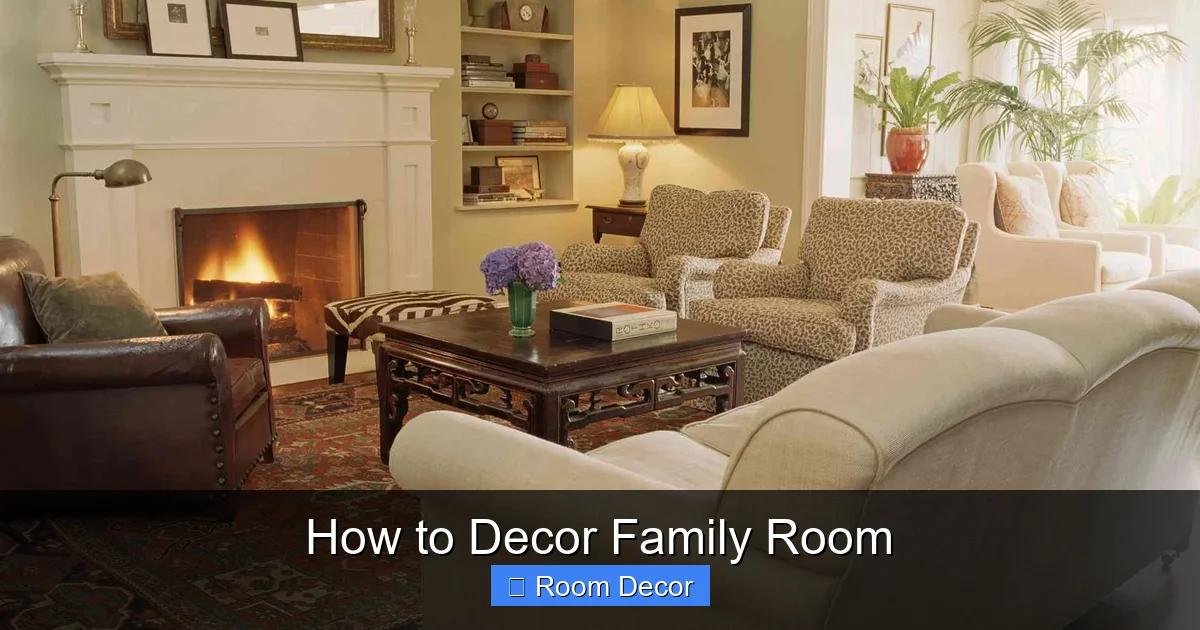
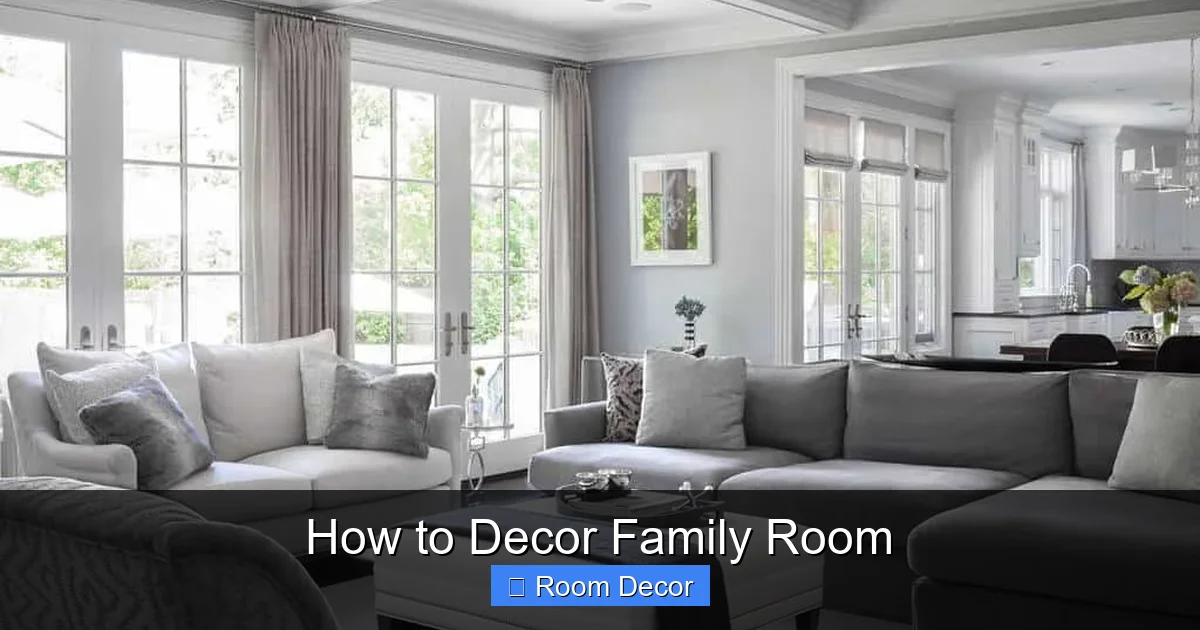
Solution: Use lighter paint colors on the walls, incorporate mirrors to reflect light, choose furniture with exposed legs to create a sense of openness, and declutter ruthlessly. Avoid oversized furniture.
Visual guide about How to Decor Family Room
Image source: architectureartdesigns.com
Visual guide about How to Decor Family Room
Image source: thespruce.com
Visual guide about How to Decor Family Room
Image source: homeawakening.com
Challenge: The room lacks warmth or feels sterile.
Solution: Introduce warm textiles like plush rugs, velvet throw pillows, and chunky knit blankets. Add wood accents, plants, and soft, layered lighting. Personal photos and artwork also add warmth.
Challenge: There isn’t enough functional storage.
Solution: Invest in furniture that offers hidden storage, such as ottomans with lift-up lids or media consoles with doors. Utilize wall space with floating shelves or decorative baskets. Regular decluttering sessions are key.
Challenge: The furniture arrangement doesn’t work for conversation or TV viewing.
Solution: Experiment with different layouts. Ensure seating is within comfortable talking distance and consider the optimal viewing angle for the TV. Don’t be afraid to rearrange furniture until it feels right.
Conclusion
Decorating your family room is an ongoing process, but by following these steps, you can create a space that is not only beautiful but also a true reflection of your family’s life and personality. Remember to prioritize comfort, functionality, and personal touches. The most important element is that your family room becomes a cherished space where you can all gather, relax, and create lasting memories together. Enjoy the process and love the result!