
Decorating a living room wall can seem daunting, but this comprehensive guide breaks it down into manageable steps. Learn how to select the right elements, arrange them harmoniously, and create a focal point that reflects your personal style. From choosing artwork to incorporating functional shelves, we’ll cover everything you need to know to transform a blank canvas into a captivating living room feature.
Ready to transform your living room? A blank wall can feel a little… well, blank. But with a little planning and creativity, you can turn that empty space into a stunning focal point that elevates your entire home. This guide will walk you through everything you need to know to decor a living room wall, making it a space you’ll love. We’ll cover choosing the right elements, arranging them effectively, and adding those special touches that make your living room truly yours. Let’s get started!
Key Takeaways
- Define Your Style: Before you hang a single item, understand the aesthetic you want to achieve in your living room.
- Consider Scale and Proportion: Ensure your wall decor elements are appropriately sized for the wall and the furniture.
- Create a Focal Point: Identify a central piece or arrangement that draws the eye and anchors the room’s design.
- Gallery Wall Magic: Master the art of arranging multiple pieces of art or photos for a dynamic and personal display.
- Functional Decor is Key: Integrate shelving and other practical items that also add visual interest and utility.
- Lighting Matters: Use lighting to highlight your decor and enhance the overall ambiance of the room.
- Don’t Be Afraid to Experiment: Decorating is a process; try different arrangements until you find what feels right.
Step 1: Assess Your Space and Define Your Style
Before you even think about buying a single picture frame, take a moment to really look at your living room. What’s the existing style? Is it modern, bohemian, minimalist, traditional, or something else entirely? Your wall decor should complement, not clash with, your current decor. Think about the overall mood you want to create. Do you want a calm and serene atmosphere, or something vibrant and energetic?
Consider the Wall Itself
Size and Shape
Is it a large, imposing wall or a smaller, more intimate one? The size of the wall will dictate the scale of your decor. A massive wall can handle large pieces or a substantial gallery wall, while a smaller wall might feel overwhelmed by too much. Consider the height of your ceilings too. Taller ceilings can accommodate taller art or vertically oriented arrangements.
Existing Features
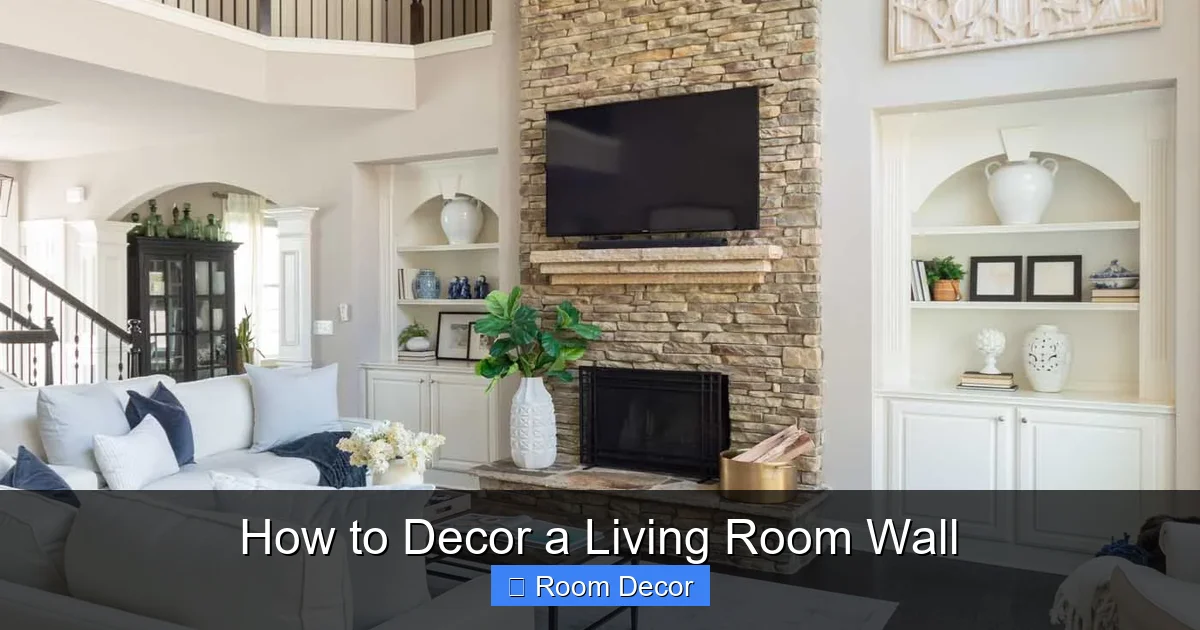
Are there any architectural features like windows, doors, built-in shelves, or fireplaces? These will influence where you can place your decor and what kind of decor will work best. For instance, a fireplace often naturally becomes a focal point, so your wall decor might be designed to complement it.
Identify Your Personal Style
This is perhaps the most crucial step. What do you love? What inspires you? Look at magazines, Pinterest, and Instagram for inspiration. Are you drawn to bold colors, muted tones, natural elements, abstract art, or personal photographs? Your living room wall decor should be a reflection of your personality and taste.
Step 2: Choose Your Decor Elements
Once you have a clear idea of your style and space, it’s time to select what you’ll put on your wall. The possibilities are vast, but here are some popular and effective options:
Artwork and Prints
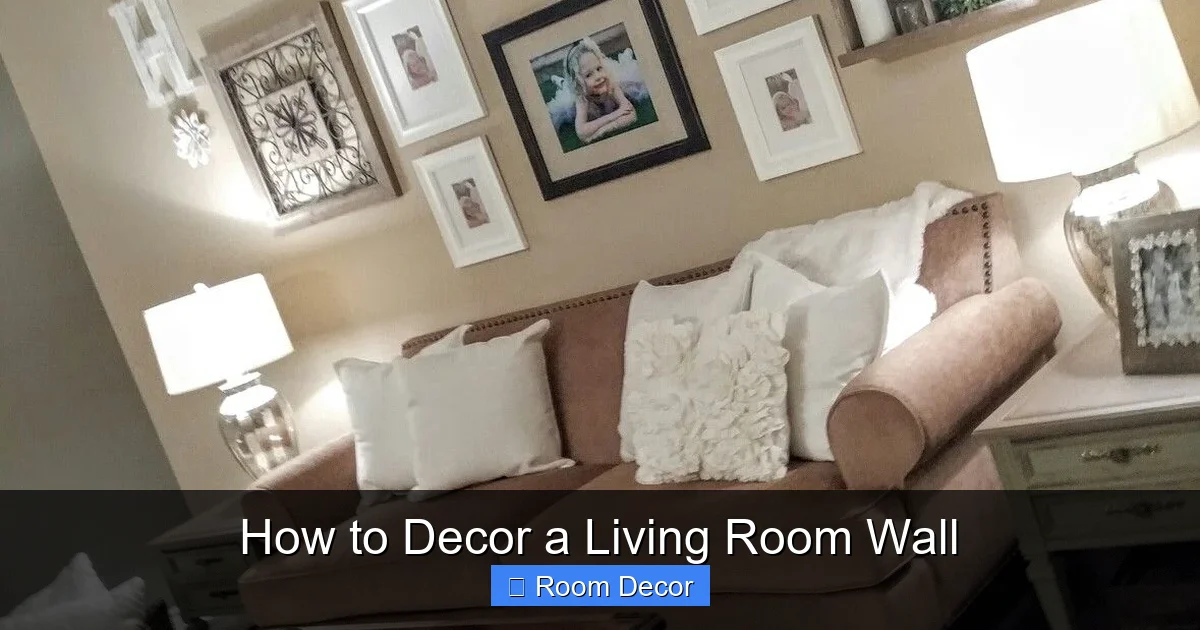
This is a classic for a reason. Artwork can inject color, texture, and personality into a room. Whether it’s a single large statement piece, a diptych or triptych, or a collection of smaller prints, art is a powerful way to decor a living room wall.
Visual guide about How to Decor a Living Room Wall
Image source: i.pinimg.com
Types of Artwork
- Paintings: From oil to acrylic, these offer rich texture and depth.
- Prints: Giclée prints, posters, and lithographs offer a more affordable way to bring beautiful imagery into your home.
- Photography: Personal photos or professional prints can add a sentimental or sophisticated touch.
- Illustrations and Drawings: These can range from whimsical to intricate.
Tips for Choosing Artwork
- Color Palette: Select pieces that tie into your room’s existing color scheme or introduce new colors that you love.
- Subject Matter: Choose subjects that resonate with you – landscapes, abstracts, portraits, still life, etc.
- Scale: Ensure the artwork is the right size for the wall and the furniture it will hang near. A common rule of thumb is that artwork should be about two-thirds the width of the furniture it hangs above.
Mirrors
Mirrors are not only decorative but also functional. They can make a room feel larger and brighter by reflecting light and the space itself. A well-placed mirror can be a game-changer.
Types of Mirrors
- Oversized Mirrors: A single, large mirror can create a dramatic statement.
- Gallery of Mirrors: A collection of smaller mirrors in various shapes and frame styles can be eclectic and engaging.
- Decorative Mirrors: Mirrors with ornate frames or interesting shapes add an extra layer of visual interest.
Placement Tips
- Opposite a Window: This maximizes light reflection and the feeling of space.
- Above a Fireplace or Console Table: These are natural focal points where a mirror can shine.
Shelving
Shelving offers both decorative and practical benefits. You can display books, plants, collectibles, or even use them for storage. This is a fantastic way to add dimension to your wall.
Types of Shelving
- Floating Shelves: These offer a clean, modern look with no visible supports.
- Picture Ledges: Perfect for displaying framed photos and smaller art pieces, and you can easily swap things out.
- Bookshelves: From tall, grand units to smaller wall-mounted ones, they are excellent for organizing and displaying.
- Corner Shelves: Utilize often-wasted space.
Styling Shelves
Vary the heights and types of objects you place on shelves. Mix books with decorative items, plants, and personal mementes. Don’t be afraid to leave some empty space for a more curated look.
Textiles and Wall Hangings
Adding fabric or fiber art to your walls can introduce warmth, texture, and unique patterns.
- Tapestries: Large-scale woven pieces can be incredibly impactful.
- Macrame Hangings: These offer a bohemian or minimalist vibe.
- Rugs: Yes, rugs can be wall art! A beautiful rug hung on the wall can be a stunning focal point.
- Textured Wall Panels: Consider wood, metal, or woven panels for a more architectural feel.
Other Decorative Elements
Don’t limit yourself! Think outside the box:
- Wall Clocks: Functional and can be a stylish statement piece.
- Sculptures and 3D Art: Adds depth and dimension.
- Plants (Wall Mounted or Hanging): Bring life and color to your wall.
- Gallery Wall of Objects: Think vintage plates, hats, or even musical instruments.
Step 3: Plan Your Arrangement
This is where the magic happens! How you arrange your chosen elements is key to creating a cohesive and visually appealing display.
Option A: The Single Statement Piece
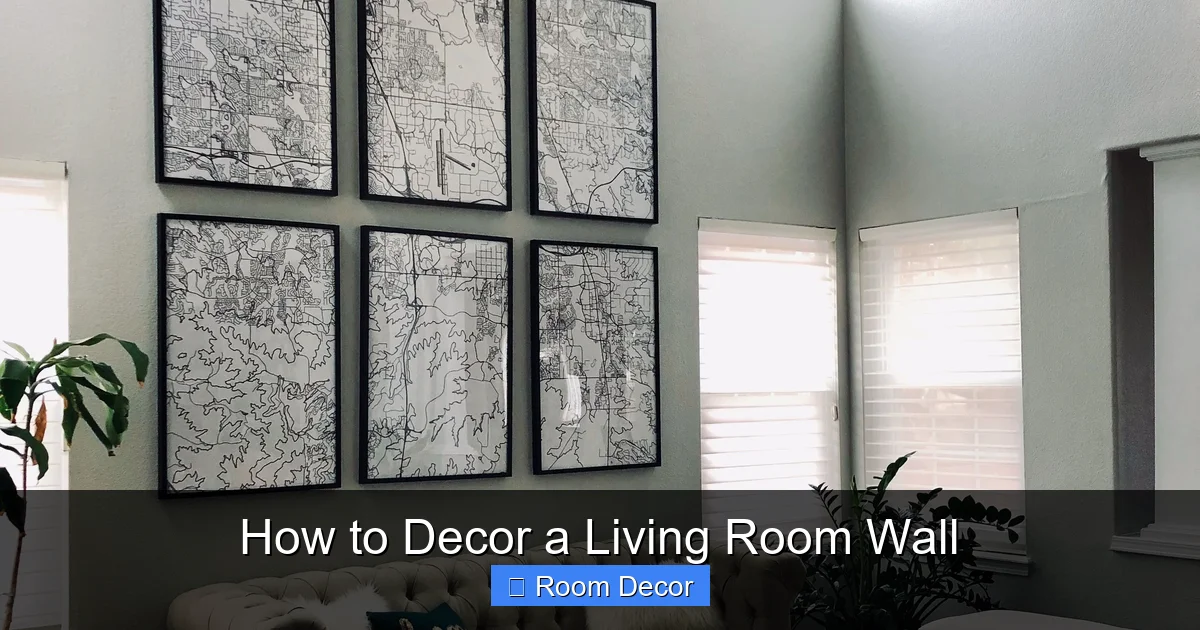
Sometimes, one large, impactful piece is all you need. This is ideal for smaller walls or when you want a very minimalist look. The key is to ensure the piece is appropriately sized for the wall and the furniture below.
Visual guide about How to Decor a Living Room Wall
Image source: i.pinimg.com
Option B: The Gallery Wall
This is a popular choice for a reason. A gallery wall is a collection of smaller pieces arranged together. It’s a fantastic way to showcase multiple artworks, photographs, or even a mix of items.
Creating a Gallery Wall
- Gather Your Items: Collect all the pieces you want to include.
- Layout on the Floor: Before you even pick up a hammer, arrange your items on the floor. Experiment with different spacing and groupings until you find a layout you love. This is your chance to play!
- Measure and Mark: Once you’re happy with the floor layout, measure the distance between each piece. Then, translate these measurements to your wall using painter’s tape. For hanging points, measure the distance from the top of the frame to its hanging hardware and transfer that measurement to the wall.
- Consider the Center of Gravity: Ensure the overall arrangement feels balanced. Avoid having all the heavier or darker pieces on one side.
- Spacing: Keep the spacing consistent. A common spacing is 2-4 inches between pieces, but this can vary based on the overall size of the gallery wall.
- Start Hanging: Begin with the largest or central piece and work your way outwards.
Option C: The Asymmetrical Arrangement
This involves mixing different sizes, shapes, and types of decor in a less structured way than a gallery wall. It can feel more organic and dynamic. The key here is balance – even though it’s asymmetrical, it should still feel visually stable.
Option D: The Grid Layout
This is a more structured and modern approach, where items of the same size and shape are hung in perfect rows and columns. This works particularly well with matching frames or a series of similar prints.
Step 4: Consider Scale and Proportion
This is a common pitfall for many. Your decor needs to feel “right” for the space.
For Walls Above Furniture
If you have a sofa, console table, or bed below your wall decor, there are some guidelines:
Visual guide about How to Decor a Living Room Wall
Image source: kelleynan.com
- Height: The bottom of your artwork should generally be hung about 6-10 inches above the top of the furniture.
- Width: The artwork should be at least two-thirds the width of the furniture it’s hanging above. Ideally, it shouldn’t extend much wider than the furniture itself.
For Empty Walls
On a large, empty wall, you have more freedom, but you still need to consider the overall visual weight. A collection of smaller items can fill a large space, but they should be grouped in a way that feels intentional and balanced. Don’t be afraid to go big if the wall can handle it! A large piece or a substantial gallery wall can make a blank wall feel intentional rather than neglected.
Step 5: The Importance of a Focal Point
Every well-decorated room needs a focal point – a part of the room that immediately draws the eye. Your living room wall decor is a prime candidate for creating this.
What Makes a Good Focal Point?
- Size and Scale: Often, a larger piece of art or a significant collection will naturally become a focal point.
- Contrast: Something that stands out from its surroundings in color, texture, or style.
- Placement: It’s often located above a prominent piece of furniture like a sofa or fireplace.
- Interest: The piece itself is engaging and captivating.
Creating a Focal Point with Wall Decor
- The Statement Piece: A single, large, vibrant piece of art.
- The Dramatic Mirror: An ornate or oversized mirror.
- The Impressive Gallery Wall: A well-curated and substantial collection of items.
- Textural Elements: A large tapestry or a series of textured panels.
Step 6: Lighting Your Wall Decor
Don’t forget about lighting! The right lighting can highlight your decor and create ambiance.
Types of Lighting
- Picture Lights: These are mounted directly above artwork to illuminate it evenly.
- Track Lighting: Adjustable spotlights can be directed at specific pieces or areas.
- Wall Sconces: These can flank a piece of art or a mirror, adding ambient light and architectural interest.
- Ambient Room Lighting: Ensure the general room lighting doesn’t create harsh shadows on your wall decor. Floor lamps or table lamps can cast a warm glow.
Step 7: The Finishing Touches and Troubleshooting
You’ve hung your pieces. Step back and admire your work! But sometimes, things don’t look quite right, or you might want to tweak them.
Troubleshooting Common Issues
“It looks too empty.”
Solution: Add more pieces, increase the size of existing pieces, or consider adding floating shelves for more items.
“It looks too cluttered.”
Solution: Remove some pieces, increase the spacing between items, or ensure a consistent theme and color palette.
“It feels unbalanced.”
Solution: Rearrange items. Try to distribute visual weight more evenly. Sometimes a large empty space on one side can be balanced by a cluster of items on the other.
“The colors don’t work.”
Solution: If you can, swap out pieces. If not, try adding a contrasting or complementary color in accessories elsewhere in the room to tie it together.
“It feels too… generic.”
Solution: Incorporate more personal items – photographs, souvenirs, or pieces that have a special meaning to you.
Living Room Wall Decor Ideas to Inspire
- A large, abstract painting above the sofa.
- A gallery wall of family photos in matching black frames.
- A collection of vintage mirrors with ornate frames.
- Floating shelves styled with books, plants, and ceramic pieces.
- A large world map as a statement piece.
- A woven tapestry for a cozy, bohemian feel.
Conclusion
Decorating a living room wall is an exciting opportunity to express your personality and enhance your home’s aesthetic. By following these steps – defining your style, choosing the right elements, planning your arrangement, considering scale, creating a focal point, and paying attention to lighting – you can transform any blank wall into a masterpiece. Remember, the most important thing is to create a space that you love and that feels authentic to you. Don’t be afraid to experiment and have fun with the process! Your living room wall is a canvas, so paint it with your own unique style.