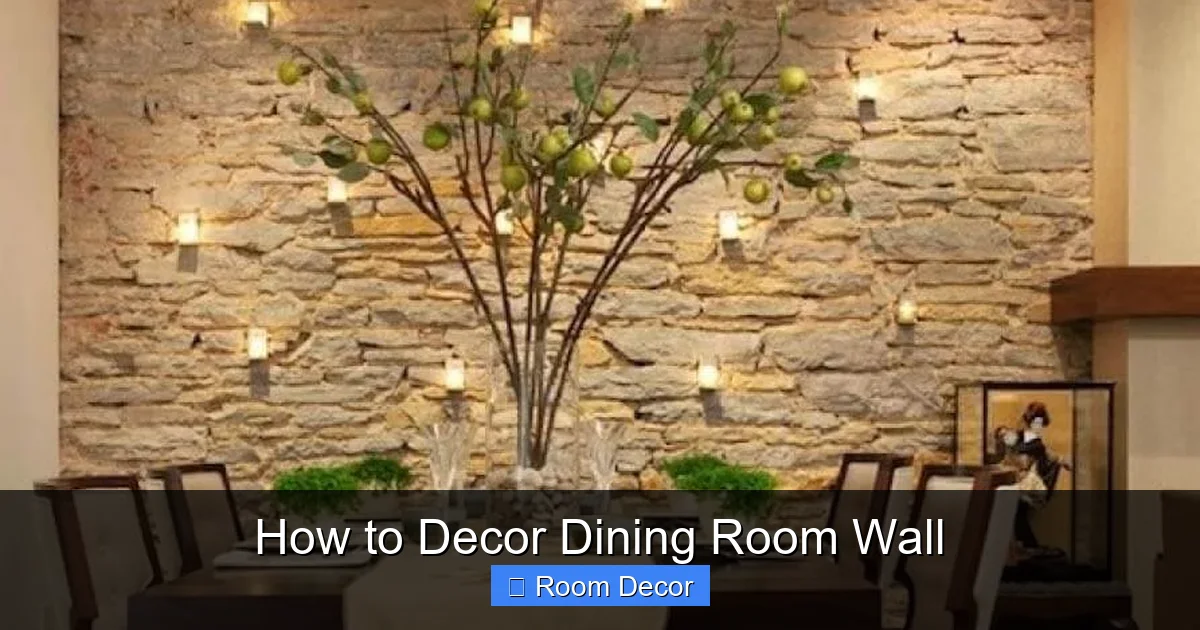
Transform your dining room walls from bland to beautiful with this comprehensive guide. We’ll walk you through planning your decor, choosing the right elements, and executing your vision to create a dining space that’s both stylish and inviting. Discover the secrets to impactful wall decor and learn how to make your dining room the heart of your home.
Are your dining room walls feeling a little… bare? A well-decorated dining room wall can elevate your entire space. It’s where you gather with loved ones for meals, celebrations, and everyday conversations. Making this area visually appealing can significantly enhance your dining experience. But where do you start? This guide will walk you through everything you need to know to decor dining room wall like a seasoned designer. We’ll cover how to plan your decor, explore various popular styles, and provide practical tips for execution. Get ready to transform your dining room into a stunning focal point in your home.
Key Takeaways
- Plan Your Vision: Before buying anything, determine your desired style, color palette, and the overall mood you want to create for your dining room wall decor.
- Consider Scale and Proportion: Ensure your wall decor elements are appropriately sized for your walls and the furniture in the room to avoid overwhelming or underwhelming the space.
- Gallery Walls Offer Versatility: A well-curated gallery wall can showcase art, photos, or decorative objects, allowing for personal expression and adaptability.
- Mirrors Enhance Light and Space: Strategically placed mirrors can reflect light, make the room feel larger, and add a touch of elegance to your dining room wall.
- Statement Pieces Command Attention: A single, large artwork or a unique sculptural piece can serve as a captivating focal point, defining the room’s aesthetic.
- Texture Adds Depth and Interest: Incorporating elements like textured wallpaper, wall tapestries, or 3D wall art can add a tactile and visual richness to your dining room wall.
- Lighting is Key for Impact: Proper lighting can highlight your chosen wall decor, create ambiance, and draw attention to your design choices.
Step 1: Define Your Style and Vision
The first and most crucial step in decorating any room, especially your dining room wall, is to understand your personal style and the overall vision you want to achieve. This isn’t just about picking pretty things; it’s about creating a cohesive and inviting atmosphere that reflects your personality and enhances your home.
H3: Understand Your Existing Decor
Before you even think about what to hang on your dining room wall, take a good look at your existing furniture, color scheme, and the general style of your home. Is your dining set modern and minimalist, or is it more traditional and ornate? Are your walls painted in bold, vibrant colors, or are they a neutral backdrop? Your wall decor should complement, not clash with, what you already have. If you have a lot of dark wood furniture, you might opt for warmer tones or metallic accents on the wall. If your room is already very colorful, you might choose more subdued or monochromatic art.
H3: Determine Your Desired Mood
What feeling do you want to evoke in your dining room? Do you want it to feel intimate and cozy, or grand and formal? Perhaps you aim for a lively and energetic space, or a serene and calming retreat. Your wall decor plays a huge role in setting this mood. For example, soft, abstract art with muted colors can create a calming ambiance. Vibrant, landscape paintings might inspire a sense of wanderlust and energy. Family photos can bring warmth and a personal touch, fostering a feeling of intimacy.
H3: Gather Inspiration
Now is the time to unleash your inner designer! Browse through magazines, Pinterest, Instagram, and home decor blogs. Save images that catch your eye. Look for dining rooms with wall decor that you love. Pay attention to the types of art, the arrangement, the colors, and the overall impact. Don’t just look at individual pieces; look at how they work together to create a complete look. This inspiration phase will help you pinpoint specific styles and elements that resonate with you.
Step 2: Choose Your Wall Decor Elements

Visual guide about How to Decor Dining Room Wall
Image source: i.pinimg.com
Once you have a clear idea of your style and the mood you want to create, it’s time to select the actual decorative elements for your dining room wall. The possibilities are vast, so think about what will best serve your vision and your space.
H3: Artwork and Prints
Art is often the star of the show when it comes to wall decor. This can include paintings, prints, photographs, or even illustrations.
* Paintings: Original paintings offer a unique and artistic touch, but can be expensive. High-quality prints of famous or local artists can be a more budget-friendly alternative.
* Photographs: Personal photos can make your dining room feel incredibly special and sentimental. Consider framing them in matching or coordinating frames for a polished look.
* Prints: This category is incredibly broad, encompassing everything from botanical prints and abstract designs to graphic posters and vintage advertisements. They are often affordable and come in a wide variety of styles to suit any taste.
H3: Mirrors
Mirrors are not just for checking your reflection; they are powerful decorative tools.
* Enhancing Light: Mirrors reflect light, making a room feel brighter and more spacious. This is especially beneficial in dining rooms that might lack natural light.
* Creating Depth: A well-placed mirror can create the illusion of more space, making your dining room feel larger than it actually is.
* Decorative Frames: Mirrors come with a vast array of frame styles, from ornate antique designs to sleek, modern metallic borders, adding architectural interest to your wall.
H3: Wall Sculptures and 3D Elements
For a more dimensional and tactile approach, consider sculptural pieces or other 3D elements.
* Metal Sculptures: These can range from abstract designs to more literal interpretations like birds or floral motifs. They add a sophisticated and modern touch.
* Woven Wall Hangings: Tapestries, macrame, or other woven art pieces add texture and a bohemian or artisanal feel to the space.
* Decorative Plates: A collection of vintage or artisanal plates hung on the wall can create a charming and eclectic display.
H3: Shelving
Floating shelves or decorative wall shelves can serve a dual purpose: storage and display.
* Displaying Collectibles: Use shelves to showcase your favorite ceramics, small sculptures, plants, or framed photos.
* Creating Vignettes: Arrange items on shelves to create mini-scenes or still lifes that add visual interest.
* Adding Architectural Detail: Shelves can break up a large, empty wall and add a sense of structure.
H3: Wallpaper or Wall Treatments
Sometimes, the wall itself can be the statement piece.
* Accent Walls: A bold patterned wallpaper on one wall can create a dramatic focal point without overwhelming the room.
* Textured Finishes: Consider limewash, Venetian plaster, or even wood paneling for a sophisticated and tactile effect.
* Mural: A custom mural can transform your dining room into a unique artistic statement.
Step 3: Plan Your Layout and Arrangement
Visual guide about How to Decor Dining Room Wall
Image source: blog.society6.com
Simply buying a few pieces isn’t enough. How you arrange your dining room wall decor is just as important as what you choose. A thoughtful layout can make or break your design.
H3: Measure Your Space
Before you start hanging anything, measure your walls. Know the height and width of the wall space you want to decorate. This will help you determine the appropriate size and quantity of your decor elements. Measure the height of your dining table and chairs too; this will inform how high you should hang your art. Generally, the center of a piece of art should be at eye level, which is typically around 57-60 inches from the floor.
H3: Consider a Focal Point
Every good design needs a focal point. This is the element that immediately draws the eye when you enter the room. It could be a large, dramatic piece of art, a striking mirror, or a collection of items arranged in a captivating way. Once you have your focal point, you can arrange other pieces around it.
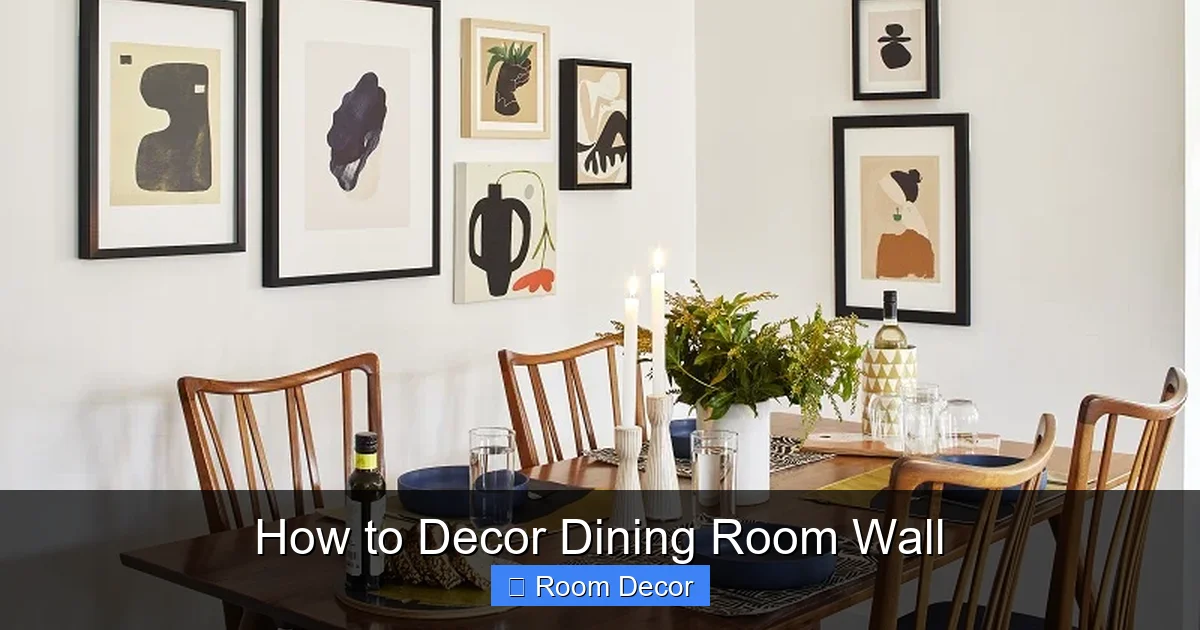
H3: Gallery Walls
Gallery walls are a popular and versatile way to decorate. They involve arranging multiple pieces of art and decor in a curated collection.
* **Planning is Key:** Before you put a single nail in the wall, lay out your gallery wall on the floor or use paper templates. Experiment with different arrangements until you find one you love.
* Mix and Match: Don’t be afraid to mix different sizes, shapes, and styles of frames and art. This adds depth and visual interest.
* Maintain Balance:** Aim for a sense of balance in your arrangement. Distribute larger and smaller pieces evenly, and ensure the overall shape of the gallery wall feels harmonious.
* Consistent Theme (Optional): While not always necessary, a subtle theme (e.g., all black and white photos, or nature-inspired art) can tie a gallery wall together.
H3: The Rule of Thirds (Simplified)
Think of your wall space as a grid. Dividing your wall into thirds horizontally and vertically can help you place elements in a visually pleasing way. Important pieces often look best when placed at the intersections of these lines.
H3: Spacing Between Pieces
Consistent spacing is crucial for a polished look. For gallery walls, aim for about 2-4 inches between frames. If you have larger, individual pieces, ensure they have enough “breathing room” around them so they don’t feel crowded.
Step 4: Installation and Execution

Visual guide about How to Decor Dining Room Wall
Image source: drivenbydecor.com
This is where your vision starts to come to life! Proper installation ensures your decor stays put and looks its best.
H3: Choosing the Right Hardware
The hardware you use depends on the weight of your decor and the type of wall you have.
* For Lighter Items (under 5 lbs): Small nails, adhesive hooks (like Command strips), or picture hanging kits are usually sufficient.
* **For Heavier Items (5-20 lbs):** Wall anchors (plastic or metal) combined with screws are recommended. Make sure the anchor is rated for the weight of your item.
* **For Very Heavy Items (over 20 lbs): You’ll likely need to find wall studs with a stud finder and use sturdy screws directly into the studs. If studs aren’t conveniently located, consider professional installation or specialized heavy-duty hanging systems.
H3: Hanging Your Decor
* **Use a Level:** Always use a level to ensure your pieces are hung straight. A crooked picture can be visually jarring.
* **Mark Your Spots:** Lightly mark where you plan to hang your decor with a pencil. Double-check measurements and alignment before drilling or hammering.
* **Adhesive Hooks:** For lightweight items, follow the manufacturer’s instructions carefully, ensuring the surface is clean and dry.
* **Drilling:** If drilling, start with a small pilot hole and widen if necessary.
H3: Lighting Your Dining Room Wall Decor
Good lighting can make all the difference.
* **Ambient Lighting:** Your main dining room light fixture (chandelier, pendant) provides overall illumination.
* **Accent Lighting:** Consider track lighting, wall sconces, or picture lights specifically aimed at your artwork. This draws attention to your decor and adds drama.
* **Natural Light:** Maximize natural light where possible. If you have a window near your wall decor, ensure curtains or blinds don’t block too much light.
Step 5: Troubleshooting Common Dining Room Wall Decor Issues
Even with the best planning, you might run into a few hiccups. Here are some common problems and how to solve them.
H3: The Wall Looks Too Empty
* **Solution:** If your wall still feels sparse after adding a few items, consider adding more pieces to create a gallery wall, or opt for a larger-scale piece of art. You can also add decorative shelving to display items.
H3: The Decor Looks Too Cluttered
* **Solution:** If your wall feels overwhelming, try removing some items. Ensure there’s enough negative space (empty space) around your pieces. If you have a gallery wall, a more minimalist arrangement with fewer, well-spaced items might be better.
H3: The Colors Don’t Match
* **Solution:** If your new decor clashes with your existing color scheme, you have a few options. You can try repainting the frames of your art, changing the matting, or even adding a new throw pillow or tablecloth in a coordinating color to tie everything together. Sometimes, a small change can make a big difference.
H3: The Scale Feels Off
* **Solution:** If your artwork is too small for the wall, it can get lost. Consider creating a larger gallery wall or pairing a smaller piece with a larger one. If your art is too large, it can overwhelm the space; consider swapping it for a smaller piece or using it in a different room.
Conclusion
Decorating your dining room wall is an exciting opportunity to inject personality and style into your home. By taking the time to plan, choose your elements wisely, and arrange them thoughtfully, you can create a visually stunning and inviting space. Whether you opt for a bold gallery wall, a dramatic statement piece, or the subtle elegance of mirrors, your dining room walls are a canvas waiting for your creative touch. Remember to have fun with the process and create a space that you and your guests will love. Happy decorating!