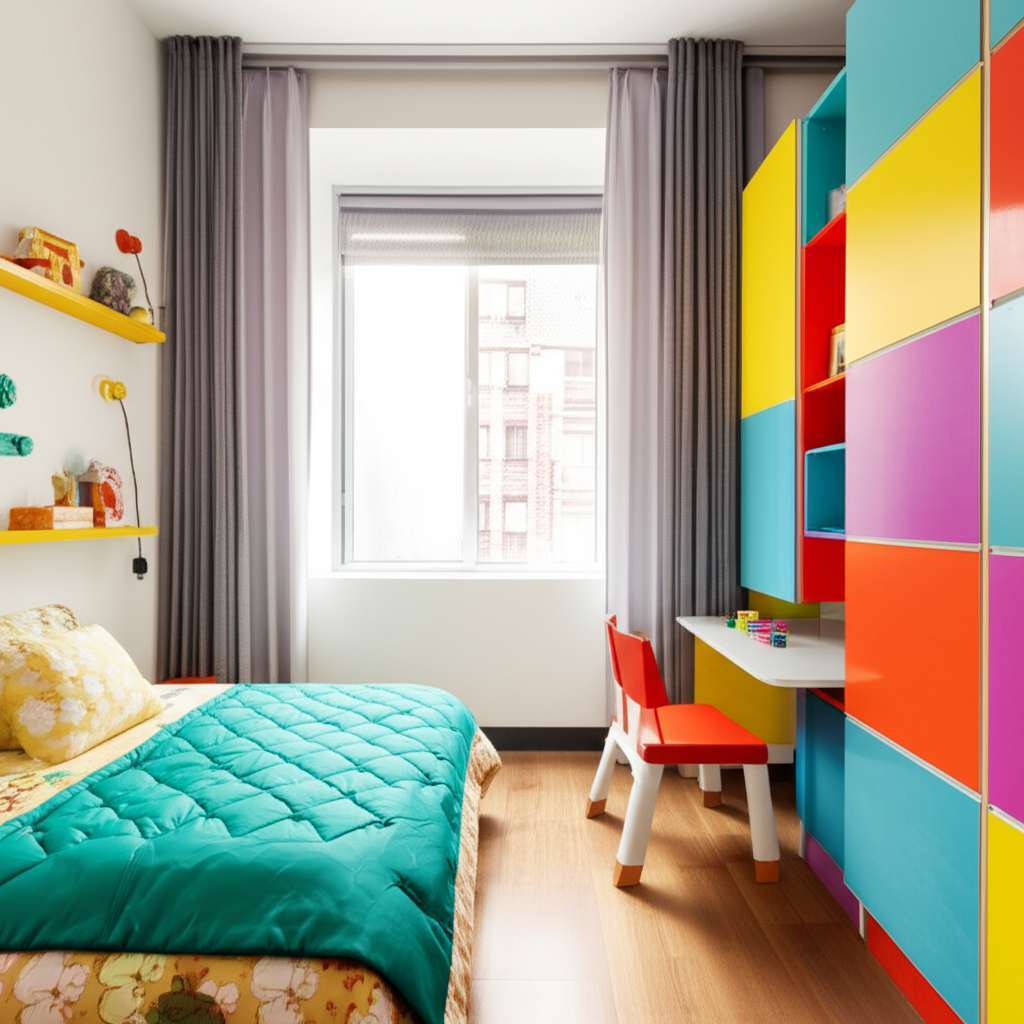
Quick Summary: Transform your child’s room with vibrant, fun, and colorful kids bedroom design ideas! We’ll guide you through easy, budget-friendly ways to create an inspiring space that sparks joy and creativity, making decorating simple and enjoyable for any parent.
Creating a colorful kids’ bedroom can feel like a big project, especially when you’re not sure where to start. It’s easy to get overwhelmed by all the paint colors, furniture choices, and decor options out there.
But what if I told you it doesn’t have to be complicated? You can design a space that’s bursting with personality and fun, without breaking the bank or losing your sanity.
Let’s dive into some amazing and fun ideas that will make your child’s room a happy haven. Get ready to discover simple, creative ways to bring color and joy into their personal space!
Why Color is Key for Kids’ Bedrooms
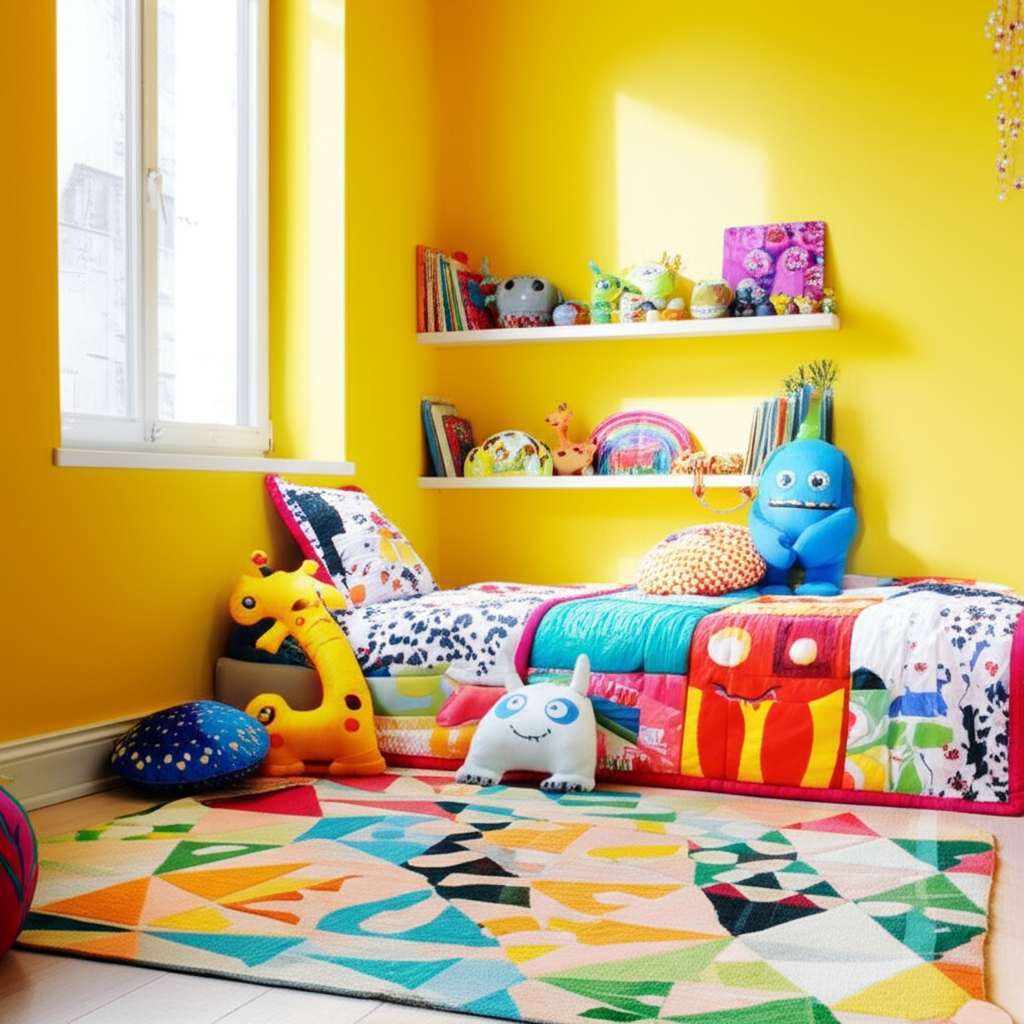
Color is more than just pretty shades on a wall; it’s a powerful tool that can influence a child’s mood, energy levels, and even their imagination. A well-chosen color palette can make a room feel cozy and calm, or bright and energetic.
Think about how different colors make you feel. A soft blue might bring a sense of peace, while a sunny yellow can feel cheerful and uplifting. The same applies to children, perhaps even more so! Their bedroom is their sanctuary, a place for sleep, play, and dreaming.
By incorporating vibrant hues and playful patterns, you’re not just decorating; you’re creating an environment that supports their development and well-being. Let’s explore how to do this effectively!
Starting Your Colorful Kids Bedroom Design Journey
The first step to any amazing room makeover is a little planning. Before you grab a paintbrush or start shopping, let’s think about what your child loves and what will work best for the space.

1. Involve Your Child
This is their room, so their input is gold! Ask your child about their favorite colors, characters, or themes. Do they love dinosaurs, outer space, princesses, or maybe just bright, bold colors?
Even young children can point to colors they like or express excitement about certain toys or stories. Their ideas will give you a fantastic starting point and ensure they feel ownership of their special space.
2. Consider the Room’s Purpose
Is this a space for sleeping and quiet reading, or is it a play hub where creativity can run wild? The primary function of the room can help guide your color choices.
For example, a room focused on rest might benefit from calming blues or greens, while a play-focused room can handle bolder, more stimulating colors. You can also create zones within the room using color!
3. Think About Longevity
Kids grow and their interests change quickly! While it’s fun to go all-out with a character theme, consider how easily you can adapt the room as they get older.
Using a neutral base with colorful accessories, bedding, or artwork is a great way to keep the room stylish and adaptable. This way, you can swap out a few items rather than repainting the entire room every few years.
Amazing & Fun Colorful Kids Bedroom Design Ideas
Now for the exciting part – bringing color into the room! Here are some fantastic ways to create a vibrant and fun atmosphere.
1. The Power of a Colorful Accent Wall
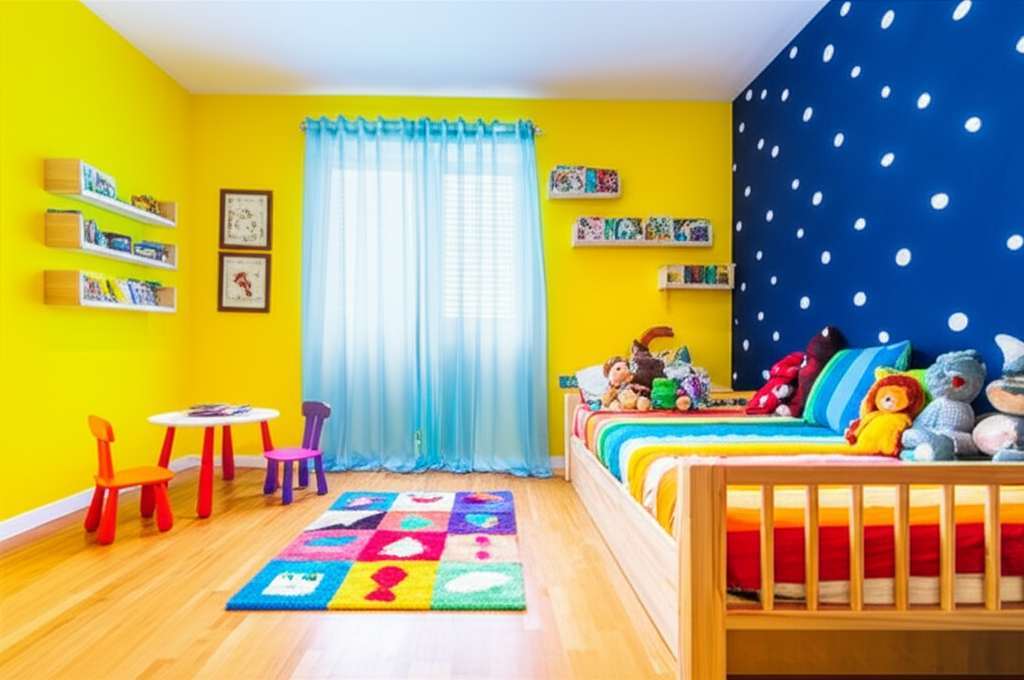
Don’t want to paint the whole room? No problem! An accent wall is a fantastic way to add a pop of color without overwhelming the space. It’s also a budget-friendly option.
You can choose a bold, bright color that your child loves, or even use wallpaper with a fun pattern. This wall can become the focal point of the room, drawing attention to a specific area, like behind the bed.
Tip: Consider removable wallpaper for renters or for easy changes as your child’s tastes evolve. Websites like Spoonflower offer custom wallpaper designs, giving you endless creative possibilities.
2. Rainbow of Possibilities: Themed Color Palettes
Instead of random colors, try building a palette around a theme. This helps create a cohesive and visually appealing space.
- Ocean Adventure: Shades of blue, turquoise, sandy beige, and pops of coral or yellow.
- Enchanted Forest: Greens, browns, mossy tones, with hints of floral pinks or deep purples.
- Outer Space Explorer: Deep blues and blacks, with accents of silver, white, and neon pops of green or orange.
- Sweet Treats: Pastels like pink, mint green, baby blue, and creamy yellow, with sprinkles of bright candy colors.
You can integrate these themes through paint, bedding, rugs, curtains, and decorative items. This approach makes the room feel intentional and magical.
3. Color Through Furniture and Decor
Paint isn’t the only way to add color! Furniture and decor can bring just as much vibrancy.
- Bright Bedding: Fun duvet covers, colorful sheets, and throw pillows can instantly liven up a bed.
- Statement Furniture: A brightly colored dresser, a painted headboard, or a whimsical chair can be a fantastic focal point.
- Playful Rugs: A rug with a bold pattern or a vibrant solid color can anchor the room and add warmth.
- Art and Wall Decor: Framed prints, colorful mobiles, and wall decals are easy ways to inject personality.
These elements are often easier to change than paint, making them perfect for growing kids.
4. Creative Use of Lighting
Lighting can transform the mood and highlight colors in a room. Think beyond the standard overhead light!
- Fairy Lights: Drape them around a bed, a mirror, or along shelves for a magical glow.
- Color-Changing LED Strips: These are fun and allow you to change the room’s ambiance with a remote control.
- Themed Lamps: A lamp shaped like a rocket, a castle, or an animal can add a playful touch.
Warm lighting can make colors feel cozier, while cooler or colored lighting can add a playful or dramatic effect. Many smart bulbs allow you to change colors and brightness through an app, offering incredible flexibility.
5. DIY Decor for Extra Fun
Get crafty with your child! DIY projects are a wonderful way to bond and create unique, personalized decor.
- Painted Furniture: Give an old dresser or bookshelf a new lease on life with a coat of bright paint.
- Fabric Garland: Cut colorful fabric scraps and string them together to make a festive garland.
- Personalized Art: Let your child’s own artwork be the star of the show. Frame their masterpieces or create a dedicated gallery wall.
- Painted Rocks: Decorate smooth stones with fun patterns or characters for shelf decor.
These personal touches make a room feel truly special and full of love.
Color Psychology in Kids’ Bedrooms
Understanding how colors affect mood can help you make informed choices. Here’s a quick guide:
| Color | Potential Effects | Best Used For |
|---|---|---|
| Reds | Energetic, exciting, stimulating. Can sometimes cause overexcitement or irritability. | Pops of color, play areas, accent pieces. Use sparingly as a main color. |
| Blues | Calming, peaceful, serene. Can promote relaxation and aid sleep. | Bedrooms, study areas, calming corners. Lighter shades are best for sleep. |
| Yellows | Cheerful, optimistic, happy. Can stimulate creativity and communication. | Playrooms, study areas, accent walls. Too much can be overwhelming. |
| Greens | Balancing, refreshing, harmonious. Promotes feelings of growth and nature. | Anywhere! Especially good for calming and encouraging focus. |
| Oranges | Warm, enthusiastic, social. Encourages interaction and fun. | Play areas, dining nooks within the room. |
| Purples | Creative, imaginative, luxurious. Lighter shades (lavender) are calming. | Creative spaces, accent colors. Deeper purples can be sophisticated. |
| Pinks | Nurturing, gentle, loving. Softer pinks are calming; brighter pinks are energetic. | Softer pinks for sleep; brighter pinks for play. |
| Neutrals (White, Grey, Beige) | Calming, clean, versatile. Provide a great base for pops of color. | Walls, large furniture pieces, to balance bolder colors. |
Remember, these are general guidelines. The most important thing is to create a space your child loves!
Budget-Friendly Colorful Decorating Tips
Creating a stunning, colorful room doesn’t require a huge budget. Here are some smart ways to save money while still achieving amazing results:
- Thrift Stores & Flea Markets: Hunt for unique furniture pieces, frames, or decorative items that you can repaint or upcycle.
- Sales and Discounts: Keep an eye out for sales on bedding, curtains, and decor items, especially during holiday seasons.
- DIY Projects: As mentioned earlier, making your own decor is cost-effective and adds a personal touch.
- Swap and Share: If you have friends with kids, consider swapping outgrown decor or toys.
- Focus on Key Pieces: Instead of buying many small, inexpensive items, invest in a few impactful, colorful pieces like a rug or a statement lamp.
- Repurpose Items: Old jars can become crayon holders, and fabric scraps can become unique wall art.
The Environmental Protection Agency (EPA) offers great resources on reducing waste and reusing items, which aligns perfectly with budget-friendly and sustainable decorating.
Putting It All Together: Creating a Harmonious Space
Once you have your ideas, it’s time to bring them together. The goal is a room that feels lively and fun, but also organized and comfortable.
1. Balance is Key
Too much of a good thing can be overwhelming. If you have a very bold accent wall, keep other elements more subdued. If you’re using many bright colors, ensure there are grounding neutral elements.
A good rule of thumb is the 60-30-10 rule: 60% of the room is a dominant color, 30% is a secondary color, and 10% is an accent color. This can apply to paint, furniture, and decor.
2. Functional Zones
Even in a small room, you can create different zones for sleeping, playing, and studying. Use color to define these areas.
For instance, a reading nook could have a cozy, darker color scheme or a special rug, while the main play area might be brighter. This helps the room feel organized and purposeful.
3. Storage Solutions
Colorful rooms can get messy quickly! Invest in smart storage solutions that also add to the decor.
- Colorful Bins and Baskets: Use them to store toys, books, and art supplies.
- Shelving Units: Open shelves can display colorful books and decor, while closed cabinets hide clutter.
- Under-Bed Storage: Use drawers or bins to maximize space.
Keeping the room tidy will make the colors pop even more and create a more peaceful environment.
FAQ: Your Colorful Kids Bedroom Questions Answered
Q1: How do I choose the right amount of color for my child’s room?
A1: Start with your child’s favorite color and build from there. You can use a dominant neutral color for walls and furniture, then add vibrant hues through bedding, rugs, and artwork. An accent wall is also a great way to introduce a bold color without overwhelming the space.
Q2: My child wants a very specific, trendy character theme. How can I incorporate this without it looking dated quickly?
A2: Use the character theme in easily changeable items like bedding, curtains, or a few wall decals. Keep the main walls and furniture in more timeless colors. This way, when the character loses its appeal, you can simply swap out the accessories.
Q3: Is it okay to mix many different colors in a child’s room?
A3: Yes, absolutely! Children’s rooms are a great place for experimentation. The key is to create some harmony. You can do this by using a consistent color palette (e.g., all bright primary colors) or by ensuring there’s a unifying neutral color that ties everything together. Think of it like a vibrant painting – it has many colors but still looks good!
Q4: What if my child is sensitive to bright colors? How can I create a colorful space that is also calming?
A4: Focus on softer, more muted shades of bright colors, or use a higher ratio of calming neutrals. For example, instead of a bright red, try a soft coral. Instead of a vibrant electric blue, opt for a sky blue or a soft teal. You can also use color in smaller doses through accents, textiles, and art, with a majority of the room in calming tones.
Q5: How can I make a small kids’ bedroom feel more colorful and spacious?
A5: Use lighter, brighter colors on the walls to make the room feel larger. Incorporate color through multi-functional furniture, like a colorful storage ottoman or a bright bedspread. Vertical elements, such as tall bookshelves with colorful spines or colorful wall art arranged upwards, can also draw the eye and make the room feel taller.
Q6: What are some good color combinations for boys’ and girls’ rooms that are fun and not stereotypical?
A6: Break away from tradition! For a “boy’s” room, try a deep teal with pops of orange and yellow, or a forest green with earthy browns and sky blue accents. For a “girl’s” room, consider a vibrant coral with turquoise and gold, or a sunny yellow with lavender and grey. These combinations offer a playful and modern feel.
Conclusion
Designing a colorful kids’ bedroom is all about creating a space that sparks joy, encourages imagination, and reflects your child’s unique personality. By involving your child, choosing a thoughtful color palette, and getting creative with furniture and decor, you can transform any room into an amazing and fun haven.
Remember, it doesn’t have to be perfect or expensive. Simple touches, DIY projects, and a willingness to experiment can lead to the most wonderful results. Embrace the color, have fun with the process, and watch your child’s eyes light up in their newly designed, vibrant space!