
Aesthetic kids bedroom design ideas transform a child’s room into a magical, inspiring, and functional space. Focus on color palettes, playful decor, smart storage, and personal touches to create an amazing room that grows with your child.
Creating a beautiful and fun bedroom for your child can feel like a big project. It’s easy to get lost in endless choices for paint colors, furniture, and decorations.
You want a space that sparks joy and imagination, but also needs to be practical for playtime and sleep. It can feel overwhelming to balance aesthetics with everyday needs.
But don’t worry! Designing an amazing kids’ room is totally achievable, even if you’re new to decorating.
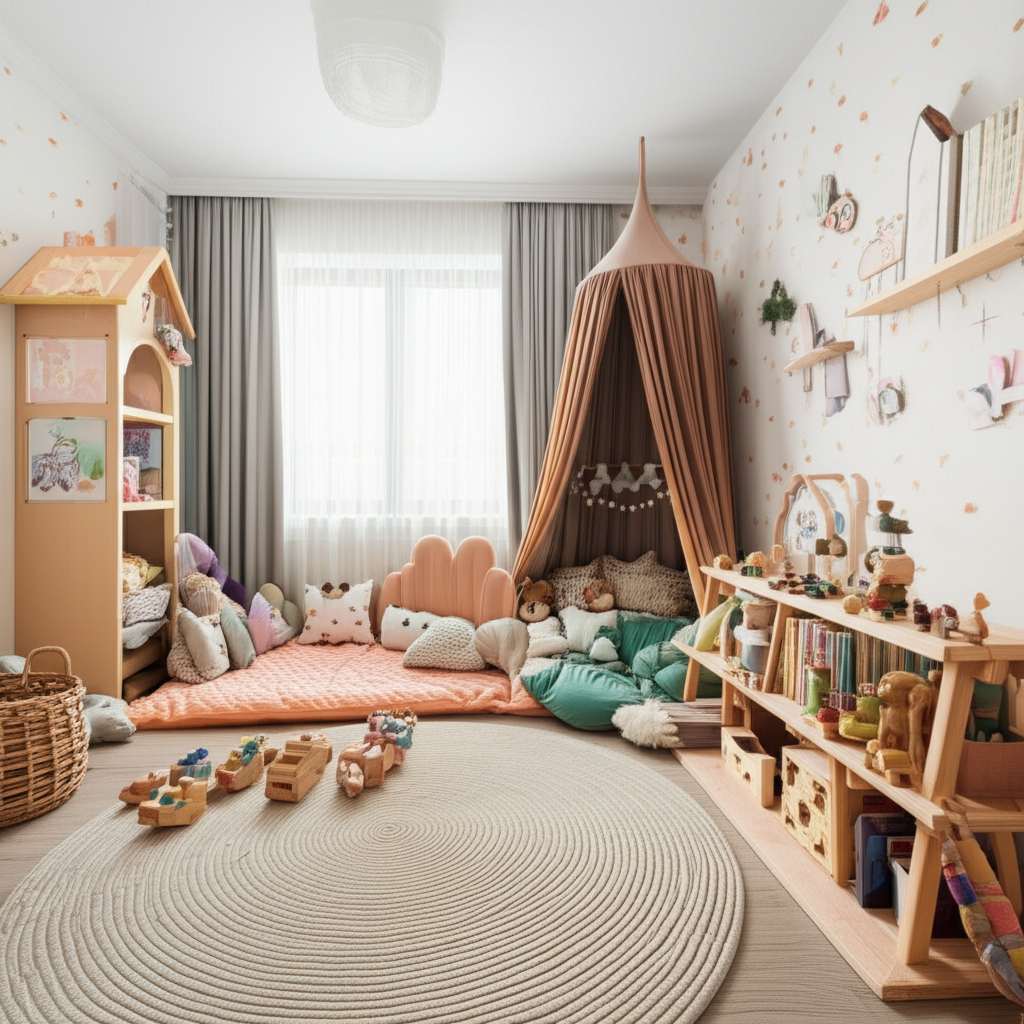
This guide will break down simple, stylish, and budget-friendly ideas to help you create a beautiful space your child will love. Let’s dive into making your child’s room a dream come true!
Aesthetic Kids Bedroom Design Ideas: Creating Magical Spaces
Designing an aesthetic kids’ bedroom is all about blending imagination with practicality. It’s about creating a space that’s not just a place to sleep, but a haven for play, creativity, and sweet dreams. Think about what makes your child light up and how you can translate that into their personal sanctuary.
The goal is to create a room that feels special and reflects your child’s personality, while also being a functional space for daily life. This means considering everything from the wall colors to the smallest decorative touches.
Step 1: Define the Aesthetic & Color Palette
Before you pick a single item, think about the overall vibe you want to achieve. Is it whimsical and dreamy, adventurous and bold, or calm and minimalist? This will guide all your other decisions.
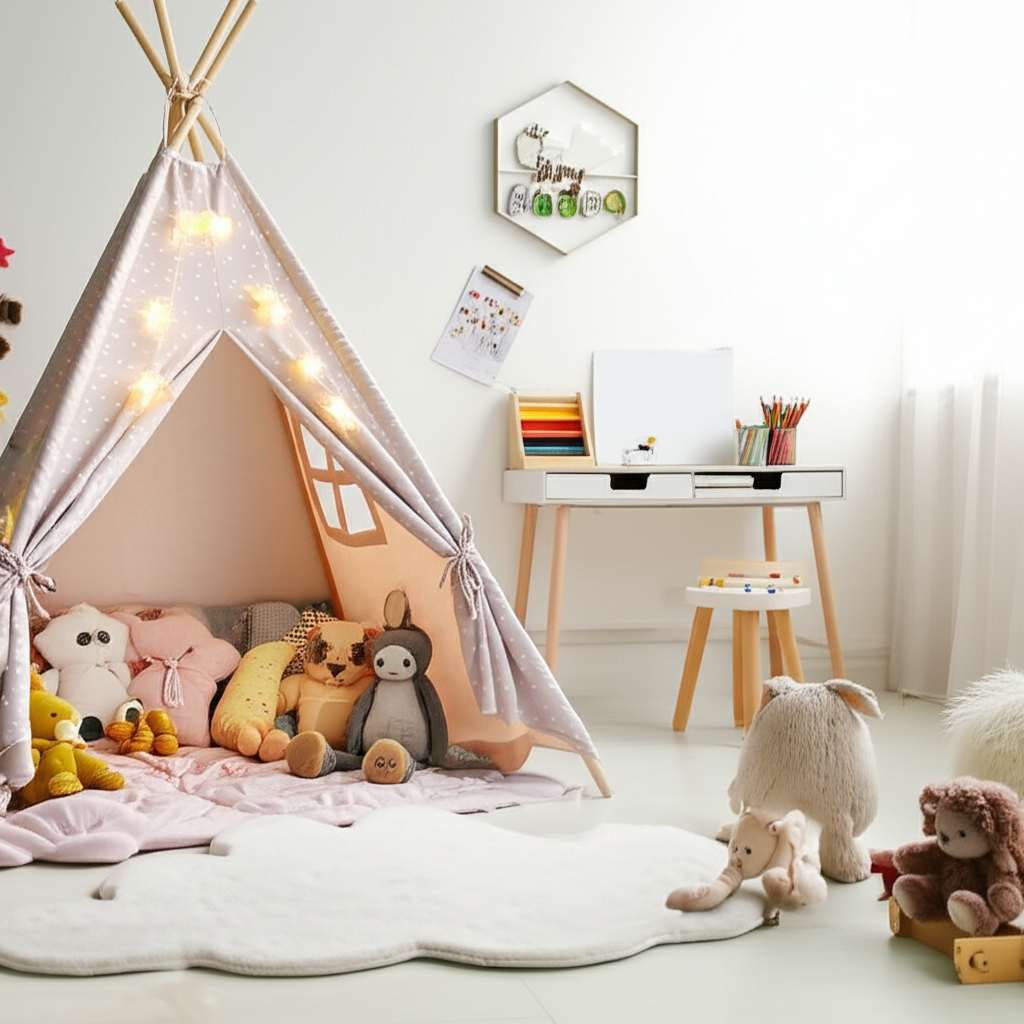
For younger children, bright and cheerful colors often work well. Think sunshine yellow, sky blue, or cheerful pink. As they grow, they might prefer softer, more muted tones like sage green, dusty rose, or a gentle grey.
Consider using a base of neutral colors and adding pops of brighter shades through accessories. This makes it easier to update the room as your child’s tastes change.
A great resource for understanding color psychology in children’s rooms can be found on sites like The American Psychological Association, which discusses how colors can affect mood and behavior.
Popular Aesthetic Themes for Kids’ Rooms:
Enchanted Forest: Think greens, browns, woodland creatures, and natural textures.
Under the Sea: Blues, greens, sandy beiges, with fish, mermaids, and ocean elements.
Outer Space Adventure: Deep blues, purples, blacks, with stars, planets, and rockets.
Sweet Dreams Pastel: Soft pinks, blues, lavenders, with clouds, rainbows, and gentle patterns.
Modern Minimalist: Clean lines, neutral colors, with a focus on texture and a few curated decor pieces.
Boho Chic: Earthy tones, macrame, natural materials, plants, and a relaxed, free-spirited feel.
Step 2: Choose the Right Furniture
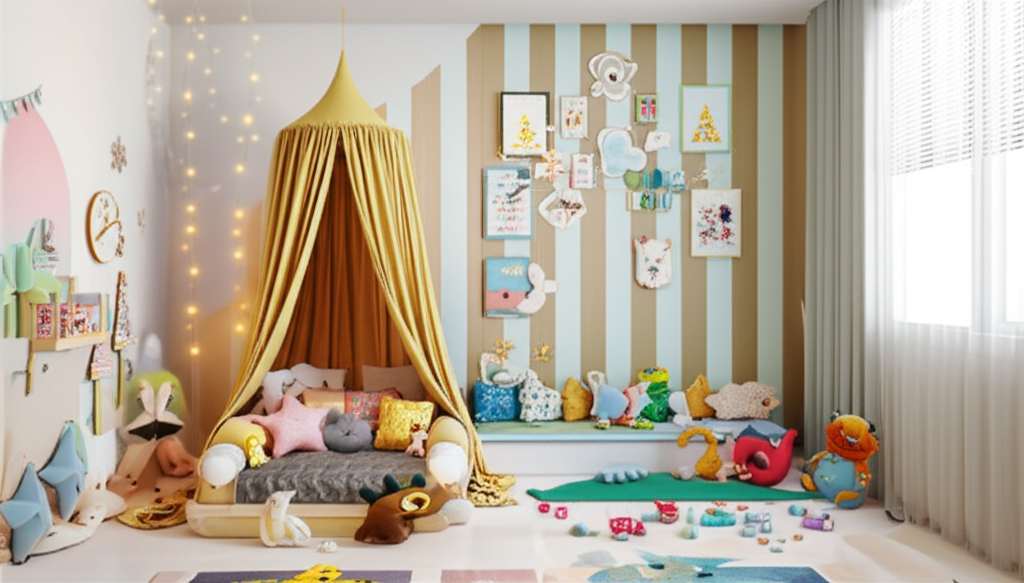
Furniture is the backbone of any room, and a child’s room is no exception. Opt for pieces that are not only stylish but also safe, durable, and functional.
Think about scale. Oversized furniture can make a small room feel cramped, while too-small pieces might look out of place in a larger room.
Consider multi-functional furniture to maximize space, especially in smaller rooms. A bed with built-in drawers, a desk that doubles as a changing table (for younger kids), or a storage bench can be lifesavers.
Smart Furniture Choices for Aesthetic Rooms:
The Bed: This is often the centerpiece. Whether it’s a canopy bed for a princess theme, a loft bed to create play space underneath, or a simple, elegant frame, choose something that fits your aesthetic.
Storage Solutions: Baskets, shelves, toy bins, and dressers are crucial. Look for pieces that are easy for kids to access and use themselves, encouraging tidiness.
A Cozy Nook: A small armchair, a beanbag chair, or floor cushions can create a lovely reading or quiet play area.
Step 3: Walls That Wow
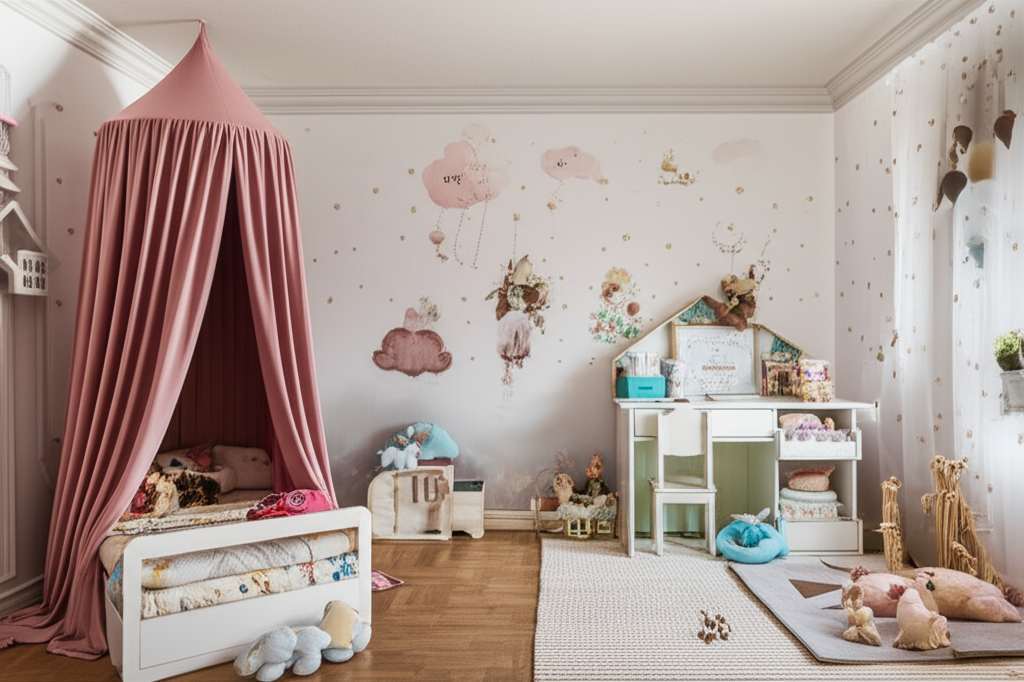
The walls are a blank canvas for creativity. Don’t be afraid to go beyond plain paint!
Wall Decor Ideas:
Paint: A fresh coat of paint is one of the easiest ways to transform a room. Consider an accent wall in a bolder color or a fun pattern.
Wallpaper: Removable wallpaper is a fantastic option for renters or those who like to change things up. You can find stunning patterns that fit any aesthetic, from whimsical to modern.
Wall Decals: These are an affordable and easy way to add personality. Stars, animals, trees, or quotes can instantly liven up a space.
Artwork: Frame your child’s own drawings or choose prints that match the room’s theme. A gallery wall can be a fun and personal touch.
Murals: If you’re feeling artistic or have the budget, a custom mural can make the room truly unique.
For inspiration on durable and eco-friendly paint options, check out resources from the Environmental Protection Agency on greener products.
Step 4: Lighting for Atmosphere
Good lighting is essential for both function and ambiance. It can make a room feel warmer, more inviting, and safer.
Overhead Lighting: A central fixture is necessary, but consider one that adds to the decor. A whimsical pendant light or a stylish flush mount can make a difference.
Task Lighting: A bedside lamp or a desk lamp is important for reading and homework. Choose one with a fun design.
Accent Lighting: String lights, fairy lights, or a night light can add a magical glow, especially for bedtime. They create a cozy and comforting atmosphere.
Step 5: Textiles and Soft Furnishings
These are where you can really layer in comfort and personality. Think about how fabrics can add color, pattern, and texture.
Bedding: This is your chance to make a statement! Choose sheets, duvets, and pillowcases that align with your chosen aesthetic.
Rugs: A soft rug can define a play area, add warmth, and protect little knees during playtime. Consider playful patterns or soft, neutral textures.
Curtains/Blinds: These control light and add to the room’s decor. Sheer curtains can add a dreamy feel, while blackout blinds are practical for sleep.
Throw Pillows & Blankets: These are perfect for adding pops of color and extra coziness to the bed or a reading nook.
Step 6: Decor and Personal Touches
This is where the room truly comes alive! It’s all about the little details that make the space uniquely yours and your child’s.
Toys and Books: Display them thoughtfully. Open shelving can showcase favorite toys and books, turning them into decorative elements.
Plants: If your child is old enough and you can manage them safely, a few low-maintenance plants can add life and color.
Personalized Items: A name sign, favorite stuffed animals, or a display of achievements can make the room feel extra special.
Thematic Accessories: This could be anything from dinosaur figurines for a prehistoric theme to fairy lights for a magical space.
Step 7: Storage, Storage, Storage!
A beautiful room quickly loses its charm if it’s cluttered. Smart storage solutions are key to maintaining an aesthetic and functional space.
Baskets and Bins: Use these for toys, books, art supplies, and more. Labeling them can help kids put things away in the right place.
Shelving: Floating shelves or a bookcase can keep items organized and off the floor.
Under-Bed Storage: Drawers or storage boxes on wheels are perfect for stowing away seasonal clothes or extra toys.
Closet Organizers: Maximize closet space with shelves, drawers, and hanging organizers.
Aesthetic Kids Bedroom Design Ideas: Budget-Friendly Hacks
You don’t need a huge budget to create a stunning kids’ room. Here are some smart ways to achieve an aesthetic look without breaking the bank.
DIY Decor Projects
Get creative with a few simple DIY projects.
Painted Furniture: Give an old dresser or bookshelf a new lease on life with a coat of paint in a fun color.
Fabric Wall Art: Stretch a beautiful piece of fabric over a canvas or frame it for instant, inexpensive art.
Upcycled Storage: Decorate plain cardboard boxes or old crates to use as stylish storage bins.
Customized Bedding: Sew simple pillow covers or add trim to plain duvet covers.
Thrift Store Finds
Second-hand stores are treasure troves for unique furniture and decor items. Look for solid wood pieces that can be repainted or updated.
Printable Art
There are many websites offering free or low-cost printable art files. Print them at home or at a local print shop and frame them for an instant gallery wall.
Removable Wallpaper & Decals
These are often more affordable than traditional wallpaper and are easy to apply and remove, making them perfect for temporary decor.
Smart Shopping
Sales and Discounts: Keep an eye out for sales at your favorite home decor stores.
Discount Retailers: Stores like IKEA, Target, or HomeGoods often have stylish and affordable options.
Patience: Sometimes, waiting for the right piece to go on sale is worth it.
Aesthetic Kids Bedroom Design Ideas: Making it Functional
An aesthetic room should also be a practical one. Here’s how to ensure it works for your child’s needs.
Zoning the Space
Even in a small room, you can create different zones for different activities.
Sleep Zone: The bed area, designed for rest and comfort.
Play Zone: An open floor area with soft flooring, perhaps defined by a rug.
Study/Creative Zone: A small desk or table for drawing, crafts, or homework.
Reading Nook: A cozy corner with a comfortable chair or cushions.
Safety First
Always prioritize safety. Ensure furniture is stable and secured to walls if necessary, especially taller items like bookshelves or dressers. Choose non-toxic paints and materials.
Room for Growth
Consider how the room can adapt as your child grows. Furniture that can transition from toddler to teen (like a convertible crib or a desk that’s not too childlike) can save money in the long run. Neutral bases with changeable accessories allow for easy updates.
Aesthetic Kids Bedroom Design Ideas: Inspiration Gallery
Here are some visual ideas to spark your imagination.
| Theme | Color Palette | Key Decor Elements | Furniture Style |
| :—————- | :——————————————— | :—————————————————————————— | :—————————————————- |
| Enchanted Forest | Greens, browns, moss, cream, gold accents | Woodland animal prints, faux plants, fairy lights, mushroom-shaped decor, wood textures | Natural wood, rustic, whimsical, perhaps a treehouse bed |
| Under the Sea | Blues, aquas, sandy beige, coral accents | Fish decals, shell decor, wave patterns, mermaid or pirate themes, rope accents | Light wood, white, nautical-inspired, possibly a ship bed |
| Outer Space | Navy blue, black, silver, white, neon accents | Star decals, planet mobiles, rocket ships, glow-in-the-dark elements, constellation maps | Sleek, modern, dark wood, metallic accents, loft beds |
| Pastel Dreams | Soft pink, lavender, baby blue, mint green, white | Rainbows, clouds, stars, unicorns, delicate floral patterns, soft textures | White, light wood, elegant, possibly a canopy bed |
| Boho Adventure | Earthy tones, rust, mustard yellow, cream, teal | Macrame, woven baskets, tribal prints, plants, rattan furniture, world map art | Rattan, natural wood, floor cushions, layered textiles |
FAQ: Aesthetic Kids Bedroom Design
Q1: What are the best colors for an aesthetic kids’ bedroom?
A1: The best colors depend on the desired aesthetic. Soft pastels (like blush pink, mint green, baby blue) create a dreamy vibe. Earthy tones (like sage green, terracotta, mustard) suit a boho or natural theme. For a more modern look, consider neutrals with bold accent colors. Always consider the child’s preferences and how the colors might affect their mood.
Q2: How can I make a small kids’ room look bigger and more aesthetic?
A2: Use light colors on walls and ceilings to make the room feel more open. Choose furniture with legs to create a sense of space underneath. Incorporate vertical storage like tall, narrow bookshelves. Mirrors can also reflect light and make the room appear larger. Keep decor minimal and organized.
Q3: Is it okay to use wallpaper in a kids’ room?
A3: Yes, wallpaper can be a fantastic way to add personality and aesthetic appeal! Removable wallpaper is an excellent option because it’s easy to install and remove, perfect for renters or if your child’s tastes change. There are countless patterns available, from subtle to bold, that can bring a theme to life.
Q4: How much storage do I really need in a kids’ room?
A4: You can never have too much! Kids accumulate toys, books, and clothes quickly. Aim for a mix of accessible storage (like open shelves for favorite books) and hidden storage (like toy bins or under-bed drawers) to keep clutter at bay. Consider furniture that doubles as storage, such as a storage bed or a toy chest.
Q5: How can I incorporate my child’s personality into the room design?
A5: Display their artwork, favorite toys, and collections. Let them choose some of the decor items, like pillows or a rug. Consider a personalized touch like a name sign. Involving them in the process, even in small ways, ensures the room feels like their own special space.
Q6: What’s the difference between “aesthetic” and “themed” kids’ rooms?
A6: A themed room often has very specific characters or motifs (e.g., a Paw Patrol room). An “aesthetic” room focuses more on a general style, color palette, and mood (e.g., a minimalist, a boho, or a whimsical forest aesthetic) that might incorporate subtle nods to themes rather than overt characters. Aesthetic rooms tend to be more adaptable as children grow.
Q7: Where can I find affordable aesthetic decor for kids’ rooms?
A7: Look at discount retailers like IKEA, Target, HomeGoods, and TJ Maxx. Explore thrift stores and flea markets for unique finds you can upcycle. Online marketplaces like Etsy offer handmade and customizable decor. Don’t underestimate DIY projects using craft supplies from stores like Michaels or Hobby Lobby.
Conclusion
Creating an aesthetic kids’ bedroom is a rewarding journey that blends creativity with practicality. By focusing on a cohesive color palette, smart furniture choices, engaging wall decor, and thoughtful lighting, you can transform a simple room into an amazing space that sparks joy and imagination.
Remember, the most important element is making the room a reflection of your child’s unique personality and interests. Don’t be afraid to experiment with different ideas, and most importantly, have fun with the process!
With these design ideas, budget-friendly hacks, and functional tips, you’re well on your way to creating a beautiful, inspiring, and practical haven your child will love for years to come. Happy decorating!