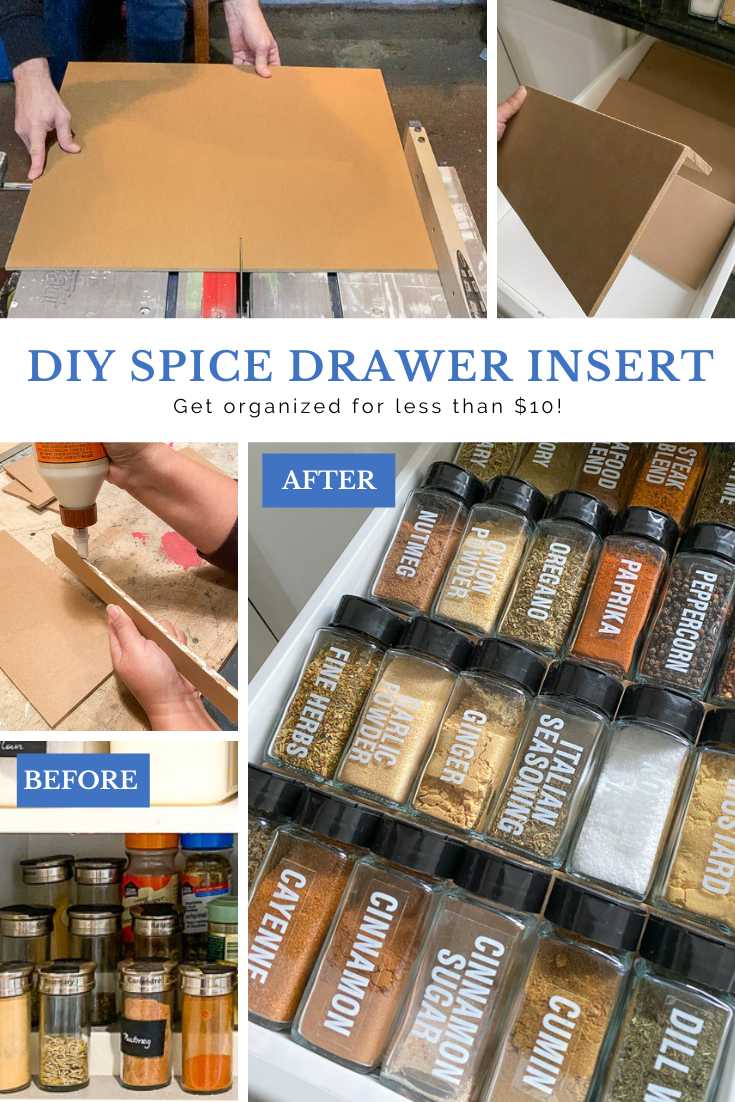
Looking to turn a cluttered spice drawer into a neat, organized space? Building your own spice drawer insert is a fun and cost-effective way to customize storage exactly to your needs. With a few simple materials and some DIY know-how, you can create a sleek insert that keeps your spices visible, accessible, and neatly arranged. In just a few steps, you’ll transform your kitchen and enjoy cooking without the frustration of rummaging through jumbled jars. Creating your own insert allows you to tailor the size and compartments to fit your spice collection perfectly, making every cooking session smoother and more enjoyable.
If you want an easy, personalized solution to spice drawer chaos, making your own insert is the way to go. It’s affordable, customizable, and surprisingly simple to craft. Plus, it adds a charming touch to your kitchen decor!

Build Your Own Spice Drawer Insert: A Complete Guide
Understanding the Benefits of a Customized Spice Drawer Insert
A well-organized spice drawer can make cooking more enjoyable and less stressful. Building your own spice drawer insert allows you to customize storage to fit your spice jars perfectly. With the right insert, spices stay organized, accessible, and fresh longer. Creating a DIY spice drawer insert is a cost-effective way to improve your kitchen’s functionality. It also allows you to choose materials that match your kitchen decor and personal style.
Planning Your Spice Drawer Insert
Before starting your project, measure your drawer carefully. Write down the interior dimensions, noting the length, width, and depth. Decide on the number of spices you want to store and their sizes.
Create a layout plan, drawing your ideal arrangement on paper. Consider leaving some space for larger spice jars or containers. Think about ease of access—you should be able to see all labels clearly without moving other jars. Planning ahead prevents mistakes and ensures your insert will fit perfectly.
Choosing the Right Materials for Your DIY Insert
Select materials that are durable, easy to clean, and visually appealing. Common options include wood, acrylic, foam, or metal.
- Wood: Offers strength and a warm look; easy to drill and cut.
- Acrylic: Clear and modern; allows visibility of labels.
- Foam: Soft and easy to customize; good for small or lightweight jars.
- Metal: Sturdy and sleek; ideal for a contemporary style.
Choose a material based on your skills, budget, and the overall style of your kitchen.
Designing Your Spice Drawer Insert
Designing your insert involves creating compartments that fit your jars snugly. Use graph paper or computer software to map out your design.
Consider these key features:
- Equal-sized slots for uniform spice jars
- Varying compartments for larger or irregularly shaped containers
- Label areas for easy identification
- A slide-in or pull-out mechanism for accessibility
Keep in mind that a modular design allows flexibility if you want to add or remove sections later.
Cutting and Assembling the Insert
Cut your chosen material according to your plans using appropriate tools such as saws, utility knives, or laser cutters. Always wear safety gear and work on a stable surface.
When assembling, use glue, nails, or screws depending on the material and your preference. Reinforce joints for added stability. Make sure all pieces fit tightly and check for any sharp edges to sand or smooth out.
Personalizing Your Spice Drawer Insert
Add personal touches to make your spice drawer unique. Paint or stain the wood for a polished look. Use labels or chalkboard paint to clearly mark each spice. Decorate with decorative hardware or trims that match your kitchen theme.
Including a small chalkboard or sticky notes helps keep your spice labels up to date. Personalization makes your spice drawer not just functional but also visually appealing.
Tips for Maintaining Your DIY Spice Drawer Insert
Regular cleaning keeps your spices fresh and your insert looking new. Wipe down compartments with a damp cloth weekly. Check for any loose parts or damage periodically and repair as needed.
Organize spices alphabetically or by frequency of use for faster access. Refill jars promptly when they empty to avoid clutter. Proper maintenance prolongs the lifespan of your custom insert.
Examples of DIY Spice Drawer Insert Designs
Explore different styles to inspire your project. Some popular designs include:
- Sliding trays that glide smoothly for easy access
- Stacked compartments for maximizing space
- Vertical dividers to prevent jars from tipping over
- Pull-out drawers with adjustable dividers
Each design offers unique benefits tailored to various kitchen sizes and user needs.
How to Make Your Spice Storage More Efficient
Maximize your space by stacking jars or using tiered shelves. Incorporate clear containers to see contents at a glance. Rotate spices based on frequency to keep the most used within easy reach.
Label all jars clearly with permanent markers or pre-made labels. Group similar spices together, such as herbs, blends, or salts, for quick retrieval.
Additional Ideas for Spice Storage Solutions
Consider combining your DIY drawer insert with other storage options. Use wall-mounted racks or magnetic strips for frequently used spices. Install tiered shelves inside cabinets for additional space.
Think about storing bulk spices separately to reduce clutter. Combining different storage methods makes your spice organization more flexible and efficient.
Eco-Friendly and Sustainable Options
Use recycled wood, repurposed containers, or biodegradable materials for your insert. Choose non-toxic paints or finishes to ensure food safety.
Sustainable choices not only help the environment but can add a rustic or vintage charm to your kitchen decor.
Cost-Effective Tips for Building Your Spice Drawer Insert
Create your insert using leftover materials or inexpensive supplies from hardware stores. Compare prices for different materials and tools beforehand.
Build a simple design to keep costs low but still effective. DIY projects save money and give you a sense of accomplishment.
Building your own spice drawer insert turns your cluttered drawer into a tidy, functional space. Proper planning, selecting the right materials, and careful assembly ensure a successful project.
Custom spice storage makes cooking easier and your kitchen more organized. Enjoy the process of creating a personalized solution and reap the benefits every day.
Quick easy DIY spice drawer upgrade! Such an easy and satisfying project, lmk if you try it 🙌
Frequently Asked Questions
What materials are best suited for building a custom spice drawer insert?
Choose materials that are durable, easy to cut, and resistant to moisture, such as cedar, plywood, or acrylic. These options allow for easy customization and help keep spices fresh. Avoid softer woods that may easily chip or warp over time.
How can I measure my drawer accurately to ensure my insert fits perfectly?
Use a measuring tape to record the internal length, width, and depth of your drawer. Double-check the measurements and note any irregularities or obstructions inside the drawer. Creating a detailed sketch or diagram can help you visualize the layout and plan your insert design accordingly.
What tools are necessary to assemble a DIY spice drawer insert?
Gather basic woodworking tools such as a saw (table saw or hand saw), drill, screws or nails, a measuring tape, and a sanding block or file. Depending on your design, you might also need a wood glue or clamps to secure parts during assembly. Ensure all tools are clean and in good working order before starting your project.
How can I customize the compartments to hold different spice jar sizes?
Design adjustable dividers or create compartments with varying dimensions to accommodate both small and large spice jars. Using removable or adjustable inserts allows flexibility. Consider adding labels or color coding to help quickly identify each spice type and keep your drawer organized.
What maintenance practices will keep my DIY spice insert in good condition?
Regularly clean the insert with a damp cloth to remove dust and spice residues. Avoid excessive moisture to prevent warping or damage. Check for loose joints or screws periodically and tighten or repair them as needed. Applying a light sealant or finish can also help extend the lifespan of the material.
Final Thoughts
Build your own spice drawer insert for a customized and organized kitchen. This project involves easy-to-find materials and simple steps, making it accessible for everyone. A well-designed insert keeps your spices visible and within reach, saving time during cooking.
Creating your own spice drawer insert offers a practical solution that can be tailored to suit your space perfectly. It enhances your kitchen’s functionality while adding a personal touch. Take the opportunity to design an insert that fits your needs and makes everyday cooking more enjoyable.