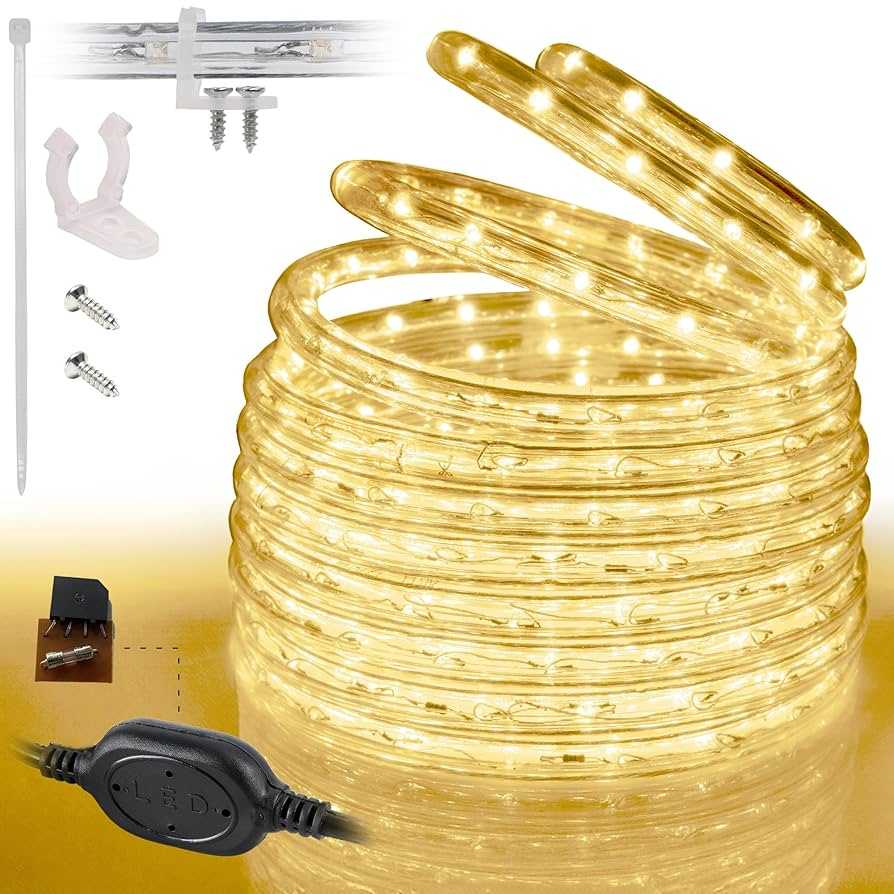
To evenly distribute ambient lighting in kitchens, use layered lighting techniques combined with well-placed fixtures and dimmable options. Incorporate ceiling-mounted lights, under-cabinet lighting, and pendant fixtures to create a balanced glow that eliminates shadows and enhances functionality. Experimenting with different light sources and adjusting their levels ensures a warm, inviting atmosphere throughout the space.
Achieving uniform ambient lighting in your kitchen isn’t just about installing multiple light sources; it’s about strategic placement and blending different types of lights. Proper layering helps eliminate dark spots and creates an inviting environment where tasks are easier and ambiance is maintained. Whether you’re renovating or just updating your current setup, understanding how to balance your lighting can make a significant difference in both the look and feel of your kitchen. With some planning and the right fixtures, you can enjoy a beautifully lit kitchen that’s both practical and cozy.

How to evenly distribute ambient lighting in kitchens
Understanding the importance of balanced lighting
Proper ambient lighting makes a kitchen feel welcoming and functional. It ensures every corner is visible without harsh shadows or overly bright spots. Balanced lighting also reduces eye strain and creates a pleasant atmosphere for cooking and socializing.
Assessing your kitchen’s layout and natural light
Before planning your lighting, observe how sunlight enters the space throughout the day. Map out areas that need more illumination, especially darker corners or work zones. Knowing your kitchen’s layout helps identify where to focus your lighting efforts.
Choosing the right type of ambient lighting
Ambient lighting options include ceiling-mounted fixtures, recessed lights, and pendant lights. Each type offers different benefits and can be combined for optimal coverage. Select fixtures with adjustable brightness to tailor the illumination to your needs.
Ceiling-mounted fixtures
These often provide broad, even light across the entire room. They are ideal for general illumination and come in styles like chandeliers, flush mounts, and semi-flush mounts.
Recessed lighting
Recessed lights are installed into the ceiling for a sleek look. They distribute light evenly and prevent clutter, especially when positioned strategically around the room’s perimeter.
Pendant lights
Pendants can add style and targeted lighting over specific areas like kitchen islands or breakfast bars. They should complement ambient lighting and not create shadows on work surfaces.
Strategic placement of lighting fixtures
Position fixtures to cover all areas evenly, avoiding dark spots or overlapping light pools. Use a symmetrical layout to create balance and harmony in the space.
Spacing between fixtures
Maintain consistent spacing between lights, generally around 4 to 6 feet apart, depending on fixture brightness and room size. Proper spacing ensures uniform light distribution.
Layering lighting sources
Combine different types of fixtures—such as ceiling lights, wall sconces, and under-cabinet lighting—to create depth and adaptability. Layering allows you to modify brightness levels based on activities.
Utilizing dimmers and smart lighting systems
Dimmers allow you to adjust light intensity easily, making the environment adaptable to various tasks or moods. Smart lighting systems enable remote control and automation for even more precise lighting management.
Advantages of dimmable lights
Using dimmers helps prevent over-illumination and saves energy. They also facilitate smooth transitions between different lighting needs, from bright cooking sessions to cozy dinners.
Integration with smart home technology
Smart bulbs or switches can be programmed to turn on or off at scheduled times or in response to natural light levels. This ensures consistent lighting quality and reduces manual adjustments.
Addressing shadows and glare
Good ambient lighting minimizes shadows that can hinder tasks like chopping or reading recipes. Avoid placing lights directly in line with work surfaces to prevent glare.
Using diffusers and shades
Diffusers soften harsh light and distribute it evenly. Shades can be angled to direct light downward or sideways, reducing glare and creating a more comfortable environment.
Positioning fixtures to prevent shadows
Place lights at angles that illuminate dark corners without casting shadows over work areas. For ceiling fixtures, avoid placing them directly above task zones to reduce unwanted shadows.
Incorporating reflective surfaces and colors
Light-colored walls, glossy cabinets, and reflective tiles can bounce light throughout the room. These surfaces amplify ambient brightness and promote even distribution.
Choosing reflective materials
Opt for finishes like gloss or semi-gloss on walls and cabinetry. These materials reflect natural and artificial light more effectively.
Strategic color choices
Light shades of paint, backsplash tiles, and countertops enhance the spread of light and create an airy, luminous space.
Regular maintenance and adjustments
Keep fixtures clean and check that bulbs are working properly. Over time, adjusting lighting levels ensures continued even distribution and comfort.
Cleaning fixtures and bulbs
Dust and dirt can dim light output. Regular cleaning maintains brightness and keeps the space well-lit.
Reassessing lighting needs periodically
As your kitchen evolves, update fixtures or reposition lights to maintain optimal illumination. Small adjustments can significantly improve lighting balance.
Additional tips for perfect ambient lighting
– Use multiple light sources instead of relying on a single fixture.
– Choose LED bulbs for energy efficiency and adjustable brightness.
– Consider the room’s ceiling height when selecting fixture size and type.
– Combine task lighting and ambient lighting for a layered, adaptable setup.
Implementing these strategies will help you create a well-lit kitchen with evenly distributed ambient light. Proper placement, fixture choice, and ongoing adjustments go a long way in making your kitchen both beautiful and functional.
Frequently Asked Questions
What lighting fixtures are best suited for even distribution in a kitchen?
Choose a combination of recessed ceiling lights, pendant fixtures, and under-cabinet lighting to achieve balanced illumination. Recessed lights provide general lighting, pendant fixtures add task-specific brightness, and under-cabinet lights eliminate shadows on countertops. Using multiple fixtures with dimmable options allows you to adjust the lighting to maintain uniform brightness throughout the space.
How can the placement of lights influence overall light distribution in a kitchen?
Position lights strategically to avoid dark spots and overlapping shadows. Install ceiling fixtures centrally to evenly spread light across the room, and place task lighting near work areas like sinks and stoves. Arranging fixtures at different heights and angles helps distribute light uniformly, ensuring every corner of the kitchen receives consistent illumination.
Are there specific techniques to minimize shadows caused by kitchen cabinetry?
Yes, integrating under-cabinet lighting directly beneath the cabinets illuminates work surfaces and reduces shadows caused by upper cabinetry. Using diffused fixtures and placing them at consistent intervals along the cabinets helps distribute light evenly. Additionally, choosing the right bulb brightness and color temperature creates a seamless lighting effect that minimizes shadowing.
What role does light color temperature play in achieving even lighting in kitchens?
Selecting a neutral or warm white color temperature, typically around 2700K to 3000K, helps produce a consistent and inviting glow throughout the space. Maintaining uniform color temperature across all fixtures prevents uneven lighting tones and creates a cohesive atmosphere, making the kitchen appear brighter and more balanced.
How can dimmable lighting enhance the distribution of ambient light?
Dimmable lights give you control over brightness levels, allowing you to fine-tune illumination based on time of day and activity. By adjusting the lights, you can eliminate overly bright or dim spots, ensuring a more uniform and comfortable lighting environment. This flexibility helps maintain optimal visibility and ambiance in your kitchen.
Final Thoughts
To evenly distribute ambient lighting in kitchens, start by choosing multiple light sources such as ceiling fixtures, under-cabinet lights, and wall sconces. Arrange these lights to create a balanced glow without dark spots. Use dimmers to adjust brightness based on your needs and time of day. Proper placement and varied lighting layers ensure your kitchen is well-lit, functional, and inviting.