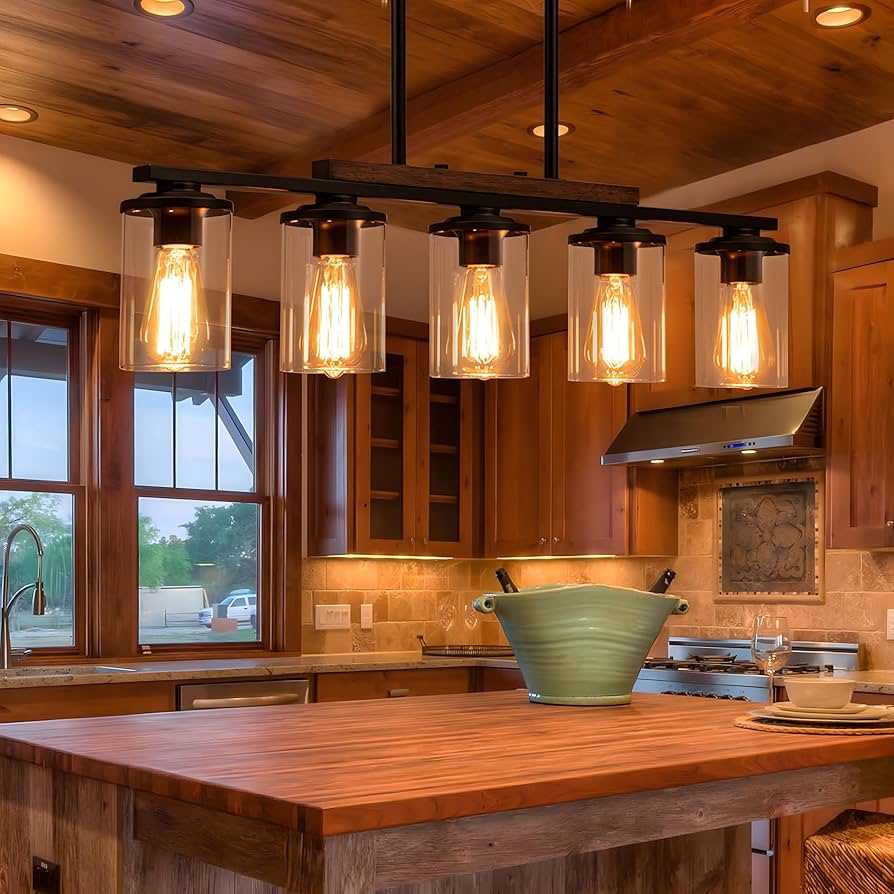
Brighten up your kitchen instantly by strategically using lighting fixtures to create a warm, inviting, and stylish space. Proper lighting not only enhances the overall look but also improves functionality, making your kitchen more enjoyable to cook and gather in. The key is layering different types of lighting—ambient, task, and accent—to highlight your best features and add depth to the space. Choose fixtures that complement your design style, and don’t shy away from mixing modern pendants with traditional chandeliers for a personalized touch. With a little planning, lighting can transform your kitchen from ordinary to extraordinary, making it feel more spacious, welcoming, and chic.
Using well-placed lighting fixtures is one of the easiest ways to elevate your kitchen’s aesthetic. Combining ambient, task, and decorative lighting creates a cohesive look that enhances both form and function. Opt for statement pendants over islands, under-cabinet lights to illuminate work surfaces, and subtle recessed lighting to set the mood. Experimenting with different fixture styles and strategic placement can make your kitchen truly shine. With just a few adjustments, you’ll transform your space into a stunning, functional hub that impresses every guest and makes daily routines more enjoyable.
A kitchen is the heart of the home, and lighting plays a vital role in highlighting its beauty and usability. Proper lighting not only brightens the space but also adds personality and charm. It’s about layering different types of fixtures—ambient for overall illumination, task lighting for specific work areas like counters, and accent lighting to draw attention to design features. Choosing fixtures that complement your style, from sleek modern pendants to rustic chandeliers, can instantly upgrade the look of your kitchen. Thoughtful lighting design creates a welcoming atmosphere, makes cooking easier, and transforms your kitchen into a stylish retreat. So, invest some time into lighting, and watch your kitchen become a more beautiful and functional space.

How to use lighting fixtures to upgrade kitchen look
Understanding the Importance of Lighting in Your Kitchen
Lighting plays a crucial role in shaping the overall look and feel of your kitchen. Proper illumination not only makes the space more functional but also adds aesthetic appeal. Well-chosen lighting fixtures can highlight key features and create a warm, inviting atmosphere.
Bright, harsh lighting can make a kitchen feel sterile, while soft, layered lighting offers a cozy environment. To achieve the best results, it’s important to understand different types of lighting and how they work together.
Types of Lighting and Their Functions
Your kitchen benefits from three main types of lighting: ambient, task, and accent. Each serves a specific purpose and contributes to the overall design.
Ambient Lighting
This is the main source of light that illuminates the entire space. Ceiling-mounted fixtures such as chandeliers, flush mounts, or recessed lights work well for ambient lighting.
Task Lighting
Task lighting focuses on specific areas where activities like cooking, chopping, or reading are performed. Under-cabinet lights, pendant fixtures, or adjustable track lighting are ideal for task purposes.
Accent Lighting
Accent lighting adds depth and mood to your kitchen by highlighting decorative features. This could include display shelves, artwork, or architectural details. Spotlights or small directional fixtures are perfect for accent lighting.
Choosing the Right Lighting Fixtures for Your Kitchen
Selecting the best fixtures involves considering your kitchen’s size, style, and layout.
Matching Fixtures to Kitchen Style
For modern kitchens, sleek and minimalist fixtures such as LED panels or streamlined pendant lights work best. Traditional kitchens benefit from ornate chandeliers or vintage-inspired fixtures.
Size and Proportion
Ensure fixtures are proportionate to your space. Large fixtures look stunning in spacious kitchens, while smaller, more subtle options suit compact areas.
Material and Finish
Match fixture materials and finishes to your cabinet hardware, appliances, and overall decor. Popular options include brushed nickel, chrome, matte black, or brass.
Layering Lighting for a Cohesive Look
Layering involves combining different types of lighting to create depth and visual interest. Proper layering avoids overly bright or dark areas and makes the kitchen feel balanced.
Practical Tips for Layering
- Start with ambient lighting as the foundation.
- Add task lighting under cabinets or over work islands for functionality.
- Use accent lighting to highlight features like open shelves or backsplash tiles.
- Dimmer switches allow you to adjust lighting levels based on your mood and activity.
Installing Lighting Fixtures for Maximum Impact
Proper installation is essential for safety, functionality, and aesthetic appeal.
Ceiling Fixtures
Ensure ceiling-mounted fixtures are centered and securely attached. For recessed lighting, plan the layout carefully to avoid dark spots and uneven illumination.
Under-Cabinet Lights
Install these fixtures underneath cabinets, ensuring they are flush with the cabinet surface to avoid glare. Use LED strips for energy efficiency and long-lasting brightness.
Pendant Lights and Chandeliers
Hang pendant fixtures at the right height—generally 24 to 30 inches above countertops. For larger chandeliers, consider the ceiling height and scale accordingly.
Energy Efficiency and Modern Technologies
Opt for LED lighting options to save energy and reduce heat output. LED fixtures provide bright, consistent light and have a long lifespan, making them a smart choice for kitchens.
Smart lighting systems can be controlled via smartphone or voice commands. These systems offer customizable scenes, dimming, and color-changing features, adding versatility to your kitchen’s look.
Additional Tips for a Stunning Kitchen Lighting Design
- Mix and match fixture styles to create visual interest, but maintain consistency in finishes.
- Use reflective surfaces like glossy backsplash tiles or countertops to amplify light.
- Ensure all fixtures are rated for kitchen environments, especially if near water sources or heat.
- Consider the color temperature of bulbs; warm light creates coziness, while cool light feels more energizing.
- Incorporate decorative fixtures that complement your overall decor, acting as statement pieces.
Maintaining Your Kitchen Lighting Fixtures
Regular cleaning preserves fixture appearance and functionality. For glass or crystal fixtures, use a gentle cleaner to keep them sparkling. Replace bulbs promptly with energy-efficient options to maintain consistent lighting.
The Power of Creative Lighting Arrangements
Experiment with unique fixture arrangements, such as grouping small pendants over the island or creating a linear chandelier for a dramatic effect. Layering different styles and heights adds depth and character.
Using lighting fixtures thoughtfully can majorly improve your kitchen’s look and function. Combining different types of lighting, choosing the right fixtures, and paying attention to placement creates a space that is both beautiful and practical. Proper lighting lets your kitchen shine both day and night, making it a welcoming hub in your home.
Remodel Kitchen Lights #diy #remodel #doityourself #timelapse #youtubetiktok #kitchenremodel
Frequently Asked Questions
What types of lighting fixtures best enhance a modern kitchen design?
In a contemporary kitchen, incorporating sleek pendant lights, recessed ceiling lights, and under-cabinet lighting creates a bright, inviting atmosphere. These fixtures combine functionality with style, highlighting architectural features while ensuring ample illumination for everyday tasks. Choosing fixtures with clean lines and neutral finishes complements the modern aesthetic effectively.
How can I use lighting to emphasize specific kitchen areas?
Placing task lighting above countertops and work surfaces ensures safety and efficiency during meal prep. Using accent lighting, such as track lights or directional spotlights, draws attention to decorative elements like a backsplash or open shelving. Layering different lighting types helps define zones within the kitchen without cluttering the space.
What color temperature should I select for kitchen lighting to boost its ambiance?
Opt for warm white bulbs, typically between 2700K and 3000K, to create a cozy and inviting atmosphere. If you prefer a brighter, more energetic environment, choose neutral white light around 3500K to 4100K. This range balances clarity with comfort, making the kitchen feel welcoming while supporting functional activities.
How can adjustable lighting improve the overall kitchen environment?
Using dimmable fixtures allows you to modify the lighting intensity based on the time of day and activity. Installing adjustable fixtures, such as track lighting or smart bulbs, provides flexibility to set the mood for casual gatherings or focused cooking tasks. This adaptability enhances both comfort and practicality.
What are some creative ways to incorporate lighting fixtures as design elements?
Integrate statement pendant lights or chandeliers above the island or dining area to add visual interest. Choose fixtures with unique shapes or finishes that complement your overall décor. Incorporating decorative lighting, like vintage bulbs or colorful fixtures, can inject personality into the space while serving illumination purposes.
Final Thoughts
Using lighting fixtures effectively can significantly enhance your kitchen’s appearance. Select fixtures that complement your design style and provide adequate illumination for different tasks. Focus on task lighting under cabinets and ambient lighting to create a welcoming atmosphere.
Incorporate statement pieces like pendant lights to draw attention and add visual interest. Adjust the brightness levels to suit various activities and moods.
How to use lighting fixtures to upgrade kitchen look? It is essential to choose the right fixtures and position them thoughtfully. Well-placed lighting highlights your kitchen’s best features and makes the space feel inviting and stylish.