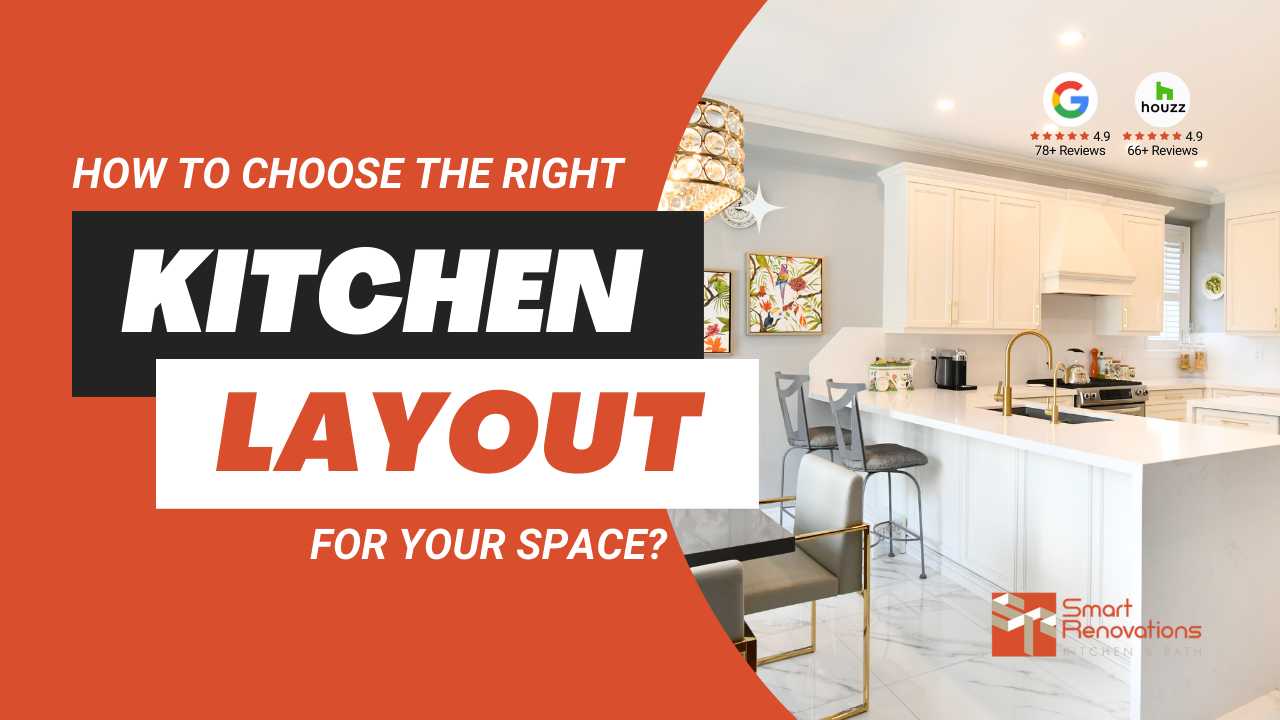
The perfect kitchen layout can transform your cooking space into a functional and inviting hub. To choose the right layout, consider your lifestyle, the size and shape of your space, and how you move through your kitchen daily. Focus on creating a layout that maximizes efficiency, safety, and comfort, whether that’s an open plan for entertaining or a compact design for easy access. Think about your storage needs and how appliances are arranged to streamline your workflow. By understanding your habits and space constraints, you can pick a layout that not only looks great but also makes cooking and cleaning more enjoyable. In short, selecting the right kitchen layout involves balancing your needs with the available space, ensuring your kitchen is tailored perfectly for you.
Choosing the ideal kitchen layout depends on your space, daily routines, and personal style. It’s essential to analyze how you use your kitchen and what features are most important to you. By doing so, you can create a harmonious space that enhances your cooking experience and fits seamlessly into your home.

How to choose the right kitchen layout for your home
Understanding Different Kitchen Layouts
Selecting the ideal kitchen layout begins with understanding the common types available. Each layout offers different advantages and suits various space sizes and lifestyles. The most popular options include the single-wall, galley, L-shape, U-shape, and open-concept designs.
Single-Wall Kitchen
This layout places all appliances, counters, and cabinets along one wall. It is perfect for small spaces or studio apartments. It maximizes room efficiency and keeps everything within reach, making cooking straightforward.
Galley Kitchen
This layout features two parallel countertops with a walkway in between. It suits narrow spaces and offers an efficient workflow. It allows for maximum storage and workspace while maintaining a compact footprint.
L-Shape Kitchen
With two connected walls, the L-shape provides good traffic flow and open space. It works well for small to medium-sized kitchens and can be easily combined with an island. This layout encourages social interaction during cooking and dining.
U-Shape Kitchen
This design surrounds the cook on three sides with counters and cabinets. It provides ample storage and workspace, ideal for large families or those who love cooking extensively. Ensure there is enough room for smooth movement to prevent congestion.
Open-Concept Kitchen
An open layout combines the kitchen with dining or living areas. It creates a spacious feel and promotes interaction. Consider how this layout affects privacy and noise levels in your home.
Assessing Your Space and Needs
Before choosing a layout, measure your kitchen accurately. Write down your dimensions, noting window and door placements. Think about your daily routines and how much space you need for prepping, cooking, and cleaning.
How to Measure Your Kitchen
Use a tape measure to record the length and width of the room. Note the positions of existing appliances, electrical outlets, and plumbing. Sketch a simple floor plan to visualize different layout options.
Considering Your Lifestyle
Identify your cooking habits and storage needs. Do you entertain often or prepare large meals? Do multiple people cook simultaneously? These questions help determine the best layout that accommodates your lifestyle.
Key Factors to Consider When Choosing a Layout
Several elements influence the suitability of a kitchen layout. Focus on workflow, available space, and your personal preferences.
The Kitchen Work Triangle
This concept connects three main areas: the sink, stove, and refrigerator. A well-designed work triangle minimizes walking distance and enhances efficiency. Keep these points in mind:
- Ensure the triangle’s sides are neither too short nor too long
- Avoid placing obstacles in the triangle’s path
Storage and Counter Space
Adequate storage prevents clutter and keeps essentials within reach. Decide if you prefer cabinets underneath countertops, overhead shelves, or a combination. Counter space should be sufficient for food preparation and small appliances.
Traffic Flow and Accessibility
Consider how people move through the kitchen. Avoid creating bottlenecks near entryways or high-traffic areas. Ensure enough clearance for doors and appliances to open comfortably.
Lighting and Ventilation
Proper lighting enhances safety and ambiance. Incorporate layered lighting: task, ambient, and accent. Good ventilation through range hoods or windows removes cooking odors and maintains air quality.
Design Elements and Aesthetics
While functionality is vital, aesthetics also play a role in choosing a layout. Think about color schemes, materials, and overall style. A cohesive design creates a welcoming atmosphere.
Choosing Materials
Select durable, easy-to-clean surfaces for countertops, floors, and backsplashes. Popular options include quartz, granite, laminate, and ceramic tiles.
Color and Finishes
Light colors can make smaller kitchens appear larger, while bold hues add personality. Match finishes to your overall style, whether modern, rustic, or traditional.
Incorporating Modern Trends and Technology
Stay current by integrating smart appliances and energy-efficient fixtures. Consider space-saving innovations like pull-out cabinets or hidden storage for a clutter-free look.
Smart Appliances
Smart refrigerators, induction stoves, and voice-controlled lighting add convenience. Ensure your electrical system supports these features.
Eco-Friendly Choices
Opt for energy-efficient lighting, low-flow faucets, and sustainable materials. These choices reduce your home’s carbon footprint and save money over time.
Budgeting and Planning for Your Kitchen Layout
Define your budget early and plan accordingly. Prioritize essential elements and explore cost-effective options for customization.
Cost Considerations
Labor, materials, and appliances influence total expenses. Consider whether you want a full renovation or a minor update.
Timeline and Scheduling
Coordinate with contractors to set realistic timelines. Allow extra time for unexpected delays, especially if moving plumbing or electrical systems.
Finalizing Your Kitchen Layout Choice
Once you’ve considered all factors, create a detailed plan. Consult with a kitchen designer for professional insights. Visualize the layout through software or blueprints before implementation.
Testing Your Design
Arrange furniture or use tape to outline counters and appliance placement. Walk through the space to identify potential issues.
Making Adjustments
Be flexible and willing to tweak your plan. Small changes can significantly improve functionality and comfort.
Choosing the right kitchen layout involves balancing practicality, style, and your personal needs. Take the time to assess your space carefully, prioritize your requirements, and seek expert advice when needed. The perfect layout will make cooking more enjoyable and your kitchen a functional, beautiful part of your home.
Appliance Placement For Functional Kitchen Design
Frequently Asked Questions
How do I determine the optimal work triangle for my kitchen layout?
To determine the optimal work triangle, identify the three main work areas: the refrigerator, sink, and stove. Ensure these points are positioned to create a balanced triangle with minimal distance between them, facilitating smooth movement. Consider your kitchen size and shape, and place these areas to avoid obstructions, making cooking and cleaning more efficient.
What factors should I consider when planning a kitchen for limited space?
In a small kitchen, focus on maximizing storage and workspace without overcrowding. Use multi-functional furniture, incorporate vertical storage solutions, and keep essential work zones close together. Prioritize an open layout that allows comfortable movement, and select appliances and fixtures that fit proportionally within the available space.
How can the kitchen’s style influence the layout choice?
Your kitchen style guides the layout by dictating the placement of design elements and functional zones. For instance, an open-plan layout complements modern and contemporary styles, emphasizing spaciousness. Traditional kitchens may favor a more compartmentalized design, and rustic styles often incorporate islands or extended counters. Align your layout with your aesthetic preferences to create a cohesive look.
What role does the flow of daily routines play in selecting a kitchen layout?
Understanding your daily routines helps identify the most efficient layout. Consider where you prep, cook, and clean, and arrange these zones to minimize movement. For example, if you host gatherings frequently, an open layout with a large prep area encourages social interaction. Tailoring the layout to your habits ensures the kitchen supports your lifestyle comfortably.
How can I incorporate future needs into my kitchen layout design?
Plan your kitchen with flexibility in mind to accommodate future changes. Include extra storage, adaptable countertops, and space for appliances you might add later. Think about ergonomic features, such as adjustable counters or accessible layouts, to support aging in place or increased household members. A flexible design reduces the need for extensive renovations later.
Final Thoughts
Choosing the right kitchen layout depends on your space, lifestyle, and cooking habits. Evaluate how you use your kitchen daily and consider the workflow between zones.
Prioritize functionality and flow to ensure your kitchen suits your needs. Analyze your available space and personal preferences for an optimal fit.
How to choose the right kitchen layout for your home involves balancing practicality with comfort. Focus on creating a space that enhances your cooking experience and accommodates your routines effectively.