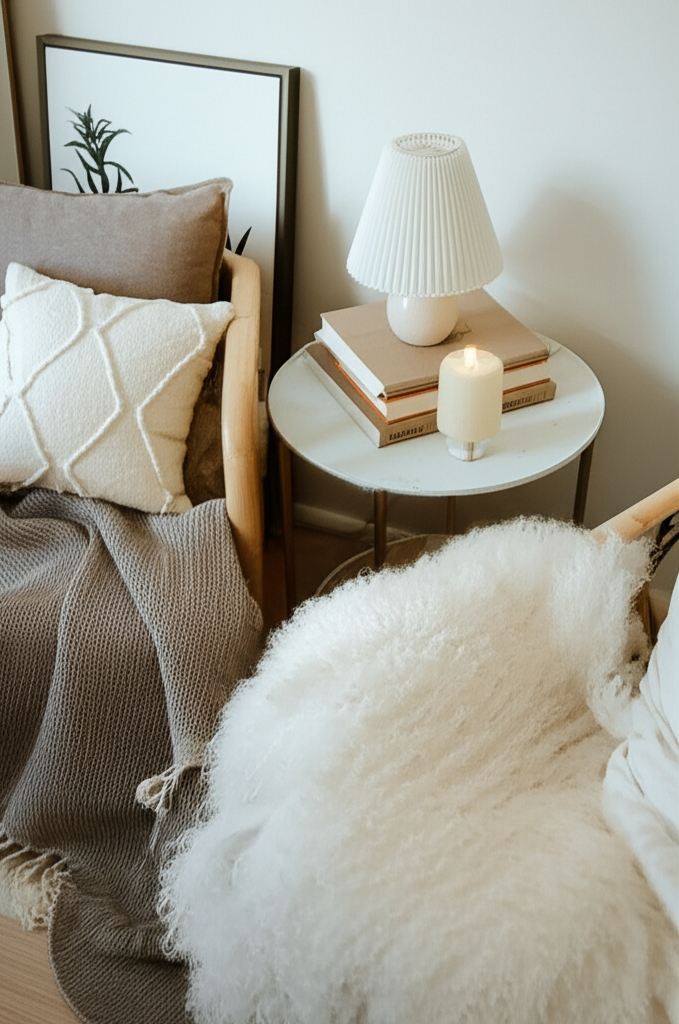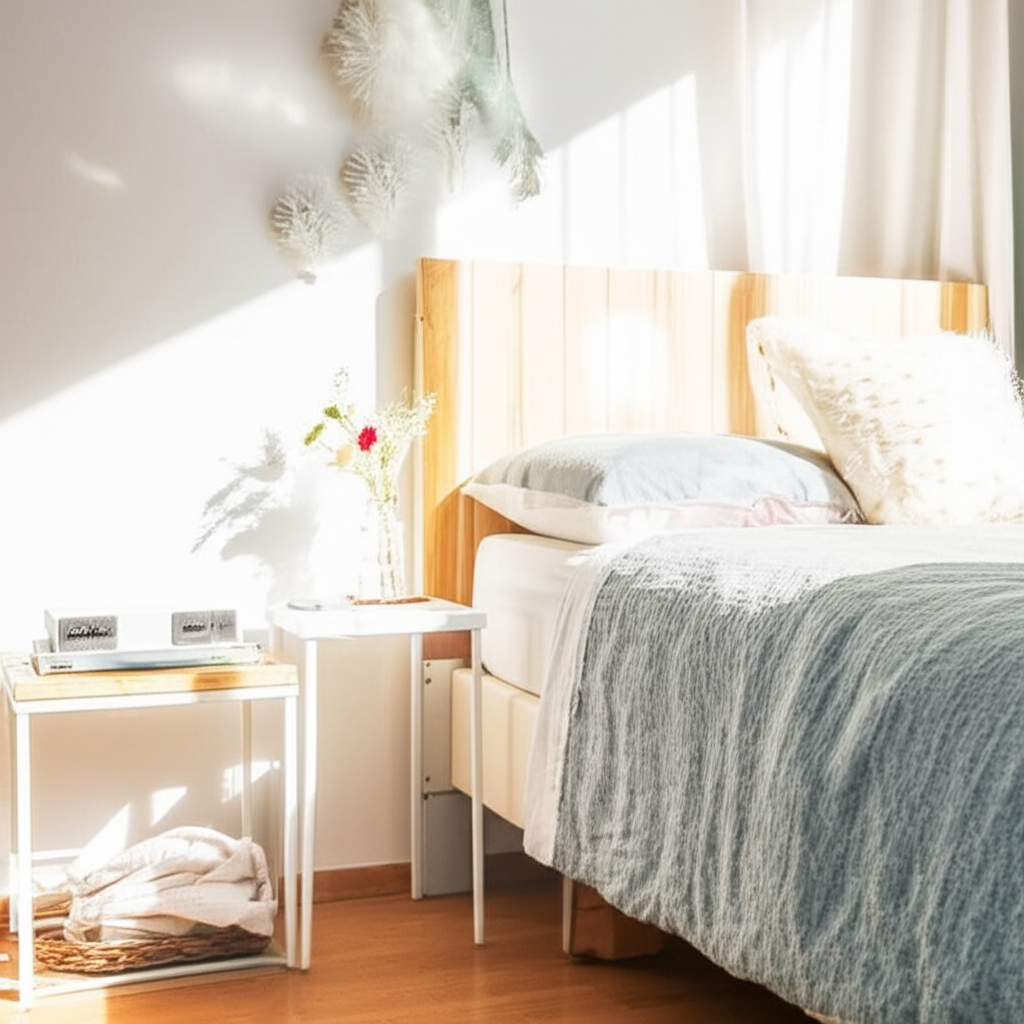
Want to make your room aesthetic without breaking the bank or hiring a designer? You can achieve a stylish, inviting space by decluttering, strategically arranging furniture, adding personal touches with decor, and playing with lighting and color. These simple, budget-friendly hacks will transform your room into an aesthetic haven.
Does your room feel a little…blah? You scroll through social media and see beautifully styled spaces, and you wonder how they do it. It can feel overwhelming to even start, especially if you’re on a tight budget or just starting out.
But guess what? Creating an aesthetic room isn’t about expensive furniture or professional help. It’s about smart choices and a little bit of creativity!
We’ll walk through easy, step-by-step hacks that anyone can do. Get ready to transform your space into a place you’ll love to be.
How to Make Your Room Aesthetic: Effortless Home Hacks for Beginners
Creating an “aesthetic” room is all about making your personal space feel cohesive, inviting, and reflective of your style. It’s not about following fleeting trends, but about cultivating a vibe that makes you feel good. For beginners, this can seem daunting, but it’s simpler than you think. We’ll focus on practical, budget-friendly strategies that you can implement right away.
1. Declutter and Organize: The Foundation of Aesthetics
Before you even think about decor, the most crucial step is to declutter. A messy room, no matter how well-decorated, will never feel truly aesthetic. Think of it as a blank canvas; you need to clear away the clutter first.
Why Decluttering Matters
- Reduces visual noise: A tidy space allows your eye to rest and appreciate the intentional decor.
- Maximizes space: Less clutter means your room will feel larger and more open, which is key for aesthetics.
- Creates a calm atmosphere: A clean space promotes a sense of peace and order, essential for a relaxing environment.
Decluttering Steps for an Aesthetic Room:
- The Purge: Go through every item in your room. Ask yourself: Do I use this? Do I love this? Does it serve a purpose? If the answer is no to all, it’s time to let it go. Donate, sell, or discard items you no longer need.
- Categorize: Group similar items together (e.g., books, stationery, clothing, beauty products). This helps you see what you have and identify areas where you might have too much.
- Organize with Style: Once you know what you’re keeping, find smart storage solutions. Use decorative baskets, drawer organizers, shelves, and wall-mounted units to keep things tidy and out of sight. For a cohesive look, try to use storage items in similar colors or materials.
Tip: For books, consider arranging them by color or size for a visually pleasing effect on your shelves. For more organization tips, check out resources from the Environmental Protection Agency on waste reduction and recycling.
2. Strategic Furniture Arrangement: Creating Flow and Function
How you arrange your furniture significantly impacts the feel and functionality of your room. Good furniture placement can make a small room feel bigger and a large room feel more intimate and welcoming.
Key Principles for Furniture Placement:
- Create a Focal Point: Decide what you want to be the main focus of your room. This could be a window with a view, a bed, a fireplace, or even a piece of art. Arrange your furniture to draw attention to this point.
- Ensure Flow: Make sure there are clear pathways to move around the room without bumping into furniture. Aim for at least 2-3 feet of walking space between major pieces.
- Define Zones: In larger rooms, or even studio apartments, use furniture to create different zones for activities like sleeping, working, and relaxing. A rug can also help define a specific area.
- Consider Scale: Ensure your furniture is proportionate to the size of your room. Overly large furniture can make a small room feel cramped, while tiny pieces can get lost in a large space.
Easy Furniture Arrangement Hacks:
- Float Furniture: Don’t push all your furniture against the walls. Pulling pieces like your sofa or bed slightly away from the walls can create a more dynamic and inviting layout.
- Mirror Your Room: If you have a symmetrical room, try mirroring your furniture arrangement on either side of a central point.
- Utilize Vertical Space: Tall bookshelves or wall-mounted shelves draw the eye upward, making the room feel larger and more sophisticated.
Table: Furniture Placement Impact
| Arrangement Style | Aesthetic Impact | Best For |
|---|---|---|
| All furniture against walls | Can feel disconnected and small | Very small rooms or specific layouts |
| Floating furniture | Creates flow, intimacy, and defines zones | Medium to large rooms, open-plan spaces |
| Creating a focal point | Directs attention, adds purpose and drama | Any room size, especially with a natural focal point |
| Symmetrical arrangement | Creates balance, calm, and order | Bedrooms, living rooms, entryways |
3. The Power of Color: Setting the Mood
Color is one of the most powerful tools in creating an aesthetic. The colors you choose can drastically change the mood and perception of your room.
Choosing an Aesthetic Color Palette:
- Neutrals: Whites, grays, beiges, and creams create a calming, sophisticated, and timeless look. They are also incredibly versatile, allowing pops of color from accessories.
- Pastels: Soft blues, pinks, greens, and lavenders offer a gentle, dreamy, and airy feel, perfect for bedrooms or creating a serene atmosphere.
- Earthy Tones: Terracottas, olives, browns, and muted yellows bring warmth, comfort, and a connection to nature.
- Bold Accents: If you prefer a more vibrant aesthetic, use bold colors sparingly as accent pieces (pillows, art, a single accent wall) against a neutral backdrop.
Easy Color Hacks:
- Paint: A fresh coat of paint is one of the most impactful and affordable ways to transform a room. Consider an accent wall in a bolder color or a sophisticated deep hue for a dramatic effect.
- Textiles: Introduce color through curtains, rugs, throw pillows, and blankets. This is an easy way to experiment with different palettes without a long-term commitment.
- Artwork and Decor: Let your art and decorative items be the source of color. A vibrant gallery wall or a colorful vase can instantly liven up a neutral space.
Consider the psychology of color when making your choices. For instance, blues and greens are often associated with calmness, while reds and oranges can be energizing. For more on color psychology in design, explore resources from organizations like the Color Marketing Group, a not-for-profit organization that discusses color trends and their impact.
4. Lighting: Setting the Ambiance
Lighting is often overlooked, but it’s crucial for creating an aesthetic. Harsh overhead lighting can make a room feel sterile, while layered lighting can create warmth, depth, and ambiance.
Types of Lighting to Consider:
- Ambient Lighting: This is the general illumination of a room. Think ceiling fixtures, but aim for softer, diffused light rather than a single, bright bulb.
- Task Lighting: This is lighting for specific activities, like reading or working. Desk lamps, floor lamps near a reading chair, or bedside lamps fall into this category.
- Accent Lighting: This highlights specific features, such as artwork, plants, or architectural details. Picture lights or small spotlights work well here.
Aesthetic Lighting Hacks:
- Layer Your Lights: Use a combination of ambient, task, and accent lighting to create a rich, multi-dimensional feel.
- Warm Bulbs: Opt for light bulbs with a warmer color temperature (around 2700K-3000K). This creates a cozy, inviting glow. Avoid cool, blue-toned bulbs for living spaces.
- Dimmers are Your Friend: Installing dimmer switches allows you to control the intensity of your lighting, perfectly adjusting the mood for different times of day or activities.
- Fairy Lights and String Lights: These are incredibly popular for a reason! Drape them around your bed, a mirror, or a shelf for a whimsical, cozy touch.
- Candles: Real or LED candles add a soft, flickering glow that instantly elevates the ambiance. Use them safely and consider unscented ones if you’re sensitive to smells.
- Natural Light: Maximize natural light by keeping windows clean and unobstructed. Use sheer curtains that allow light to filter in while maintaining privacy.
5. Textiles and Textures: Adding Depth and Comfort
Texture is what makes a room feel lived-in, cozy, and luxurious. Mixing different textures adds visual interest and tactile appeal, making your space more inviting.
Textile Ideas for an Aesthetic Room:
- Soft Furnishings: Think plush throws, velvet pillows, chunky knit blankets, and soft rugs.
- Natural Materials: Incorporate elements like linen curtains, jute rugs, wooden accents, or wicker baskets.
- Variety is Key: Don’t be afraid to mix and match. A smooth satin pillow on a textured linen sofa, a faux fur throw on a leather chair – these combinations create depth.
Easy Textile Hacks:
- Pillow Power: Swap out your old throw pillows for new ones in different textures, patterns, and colors that complement your palette.
- Rugs: A well-placed rug can anchor a space, define an area, and add significant warmth and texture.
- Curtains: Choose curtains that add softness and visual interest. Linen, velvet, or even a subtly patterned fabric can make a big difference.
- Throws: Drape a cozy throw over your sofa, armchair, or the foot of your bed for an instant touch of comfort and style.
6. Plants and Greenery: Bringing Life In
Adding plants is one of the easiest ways to make any room feel more alive, fresh, and aesthetically pleasing. They add color, texture, and a touch of nature.
Benefits of Plants in Your Room:
- Air Purification: Many houseplants help filter indoor air pollutants. The NASA Clean Air Study has identified several plants effective at removing toxins.
- Stress Reduction: Studies suggest that being around plants can reduce stress and improve mood.
- Visual Appeal: Their natural colors and shapes add organic beauty to your decor.
Plant Hacks for Beginners:
- Start Simple: Choose low-maintenance plants like Snake Plants, ZZ Plants, Pothos, or Spider Plants. They are forgiving and can tolerate a range of conditions.
- Vary Sizes and Heights: Use a mix of small desk plants, medium floor plants, and hanging plants to create visual interest.
- Stylish Planters: Invest in attractive pots that complement your room’s color scheme and style. Terracotta, ceramic, and woven planters are popular choices.
- Group Them: Cluster a few plants together to create a mini indoor garden. This can be a beautiful focal point.
7. Personal Touches: Making it Yours
An aesthetic room isn’t just about looking good; it’s about feeling good and reflecting who you are. Personal touches make your space unique and meaningful.
Ideas for Personalizing Your Space:
- Artwork and Photos: Display art you love or frame personal photographs. A gallery wall can be a stunning way to showcase memories and personal style.
- Collections: If you collect anything – books, vintage items, ceramics – find stylish ways to display them.
- Meaningful Objects: Incorporate items that have sentimental value, whether it’s a souvenir from a trip or a handmade craft.
- Books: Arrange your books in a way that’s visually appealing, perhaps by color or theme, and intersperse them with decorative objects.
Hacks for Displaying Personal Items:
- Floating Shelves: These are perfect for displaying art, photos, and small collectibles without taking up floor space.
- Trays: Use decorative trays on coffee tables, dressers, or nightstands to group smaller items and create a sense of order.
- Mirror Magic: Strategically placed mirrors can reflect light and make your room feel larger, while also serving as a backdrop for displaying items on a shelf or dresser.
8. Wall Decor: Elevating Your Space
Your walls are a huge canvas for expressing your style. Don’t leave them bare!
Wall Decor Ideas:
- Art: This can range from framed prints and paintings to posters and tapestries.
- Mirrors: Decorative mirrors add light, depth, and style.
- Shelving: Functional and decorative, shelves can hold books, plants, and trinkets.
- Tapestries or Wall Hangings: These add texture and a bohemian or artistic flair.
- Macrame or Woven Decor: Adds a natural, handcrafted feel.
Aesthetic Wall Decor Hacks:
- Gallery Wall: Mix and match frames, sizes, and art styles for a personalized look. Use painter’s tape to plan your layout before you commit to hammering.
- Large Statement Piece: A single, large piece of art can be a powerful focal point.
- Mirror Grouping: Arrange several smaller mirrors together for a unique metallic accent.
- DIY Art: Get creative! Paint your own abstract art or frame interesting fabric scraps or wallpaper samples.
9. Scent: The Invisible Aesthetic
The scent of your room plays a huge role in how it feels. A pleasant aroma can make a space feel instantly more welcoming and aesthetic.
Scenting Strategies:
- Candles: Choose scents you love, from calming lavender to refreshing citrus.
- Diffusers: Essential oil diffusers offer a continuous, subtle fragrance.
- Room Sprays: A quick spritz can refresh the air before guests arrive or whenever needed.
- Natural Scents: Fresh flowers or simmering potpourri can add natural, delightful aromas.
Tips for Scent Harmony:
- Don’t Overdo It: A subtle scent is more pleasing than an overpowering one.
- Match Scents to Mood: Use calming scents like lavender for bedrooms and more invigorating scents like peppermint for workspaces.
- Keep it Clean: The best scent is a clean one! Regular cleaning and airing out your room will naturally make it smell better.
10. Maintain Your Aesthetic: Consistency is Key
Once you’ve created your aesthetic haven, the final step is to maintain it. Regular tidying and a few simple habits will keep your room looking and feeling its best.
Maintenance Tips:
- Daily Tidy: Spend 5-10 minutes each day putting things back in their place.
- Weekly Clean: Dedicate time each week for dusting, vacuuming, and tidying surfaces.
- Seasonal Refresh: Re-evaluate your decor seasonally. Swap out throws and pillows to match the season, or update your art.
- One In, One Out: When you bring something new into your room, consider letting go of something old to prevent clutter buildup.
Frequently Asked Questions About Making Your Room Aesthetic
Q1: What is an “aesthetic room”?
A: An aesthetic room is a space that feels visually pleasing, cohesive, and reflects your personal style. It’s about creating a specific mood or vibe that makes you feel comfortable and happy in your own space.
Q2: How can I make my room aesthetic on a very small budget?
A: Focus on decluttering, rearranging furniture, using existing items in new ways, and adding affordable touches like plants, DIY art, and strategic lighting. Thrift stores and DIY projects are your best friends! For even more budget-friendly inspiration, check out our guide on minimalist kitchen essentials for smart savings that apply to any room.
Q3: I’m a renter. What aesthetic changes can I make without damaging walls?
A: Use removable adhesive hooks for art and decor, command strips for hanging lightweight items, and focus on decor like rugs, curtains, bedding, plants, and freestanding furniture. Rearranging furniture is also a great renter-friendly option.
Q4: How do I choose a color palette for my room?
A: Start by picking a color you love. Then, choose 2-3 complementary colors. Neutrals are always a safe bet as a base. Look for inspiration online or in magazines, and consider the mood you want to create. For warm and inviting color ideas, explore our post on warm kitchen color ideas for stunning hues you can adapt to any space.
Q5: What are the easiest plants for beginners to care for?
A: Great beginner plants include Snake Plants (Sansevieria), ZZ Plants (Zamioculcas zamiifolia), Pothos (Epipremnum aureum), and Spider Plants (Chlorophytum comosum). They are resilient and don’t require constant attention.
Q6: How important is lighting for an aesthetic room?
A: Lighting is extremely important! It sets the mood and ambiance. Layering different types of lighting (ambient, task, accent) and using warm-toned bulbs can transform a room from dull to cozy and inviting.
Q7: Can I make my room aesthetic with just things I already own?
A: Absolutely! The key is to declutter and then re-imagine how you use your existing items. Rearrange furniture, style shelves with books and trinkets you already have, use scarves as throws, and frame personal photos or interesting pages from old magazines.
Conclusion
Transforming your room into an aesthetic sanctuary doesn’t require a huge budget or advanced design skills. By focusing on decluttering, smart furniture arrangement, thoughtful color choices, and the magic of lighting, you can create a space that feels both stylish and deeply personal.
Remember, the most beautiful rooms are those that reflect the people who live in them. Embrace these simple hacks, experiment with what you love, and enjoy the process of making your room a true reflection of your unique style. Your perfectly aesthetic space is just a few steps away!