Quick Summary:
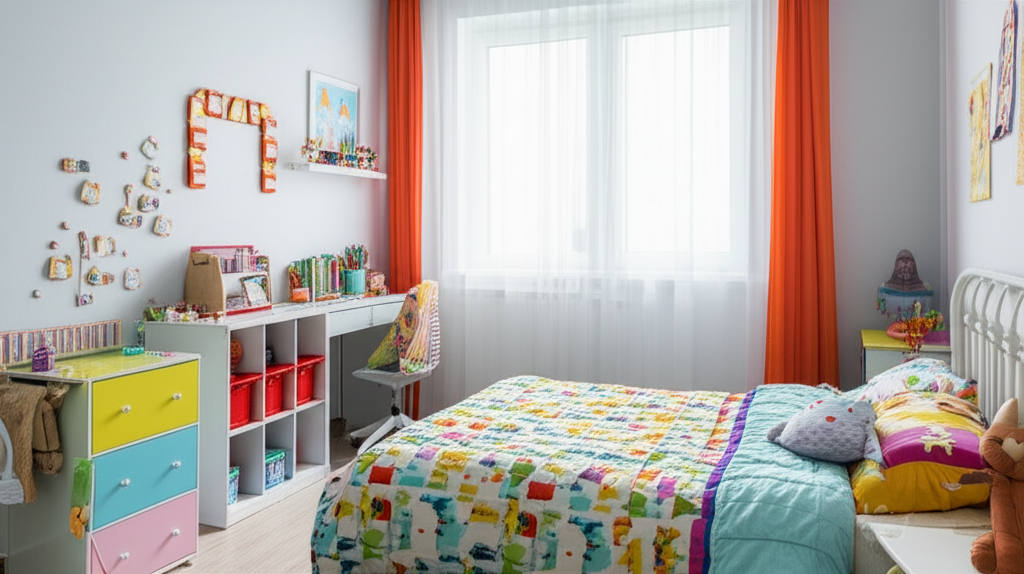
Transform your child’s bedroom into a functional and fun space with these essential interior design ideas! Focus on smart storage, age-appropriate themes, durable materials, and personal touches to create a room they’ll love that also grows with them.
Creating a kid’s bedroom that’s both a playful sanctuary and a practical space can feel like a big puzzle. You want it to reflect their personality, support their activities, and still be easy to manage. It’s totally normal to feel a bit overwhelmed by all the choices!
But don’t worry, designing a fantastic kid’s room doesn’t require a professional designer or a huge budget. We’ll walk through simple, creative ideas that you can use to make their room a place they’ll adore, and that you’ll love keeping tidy.
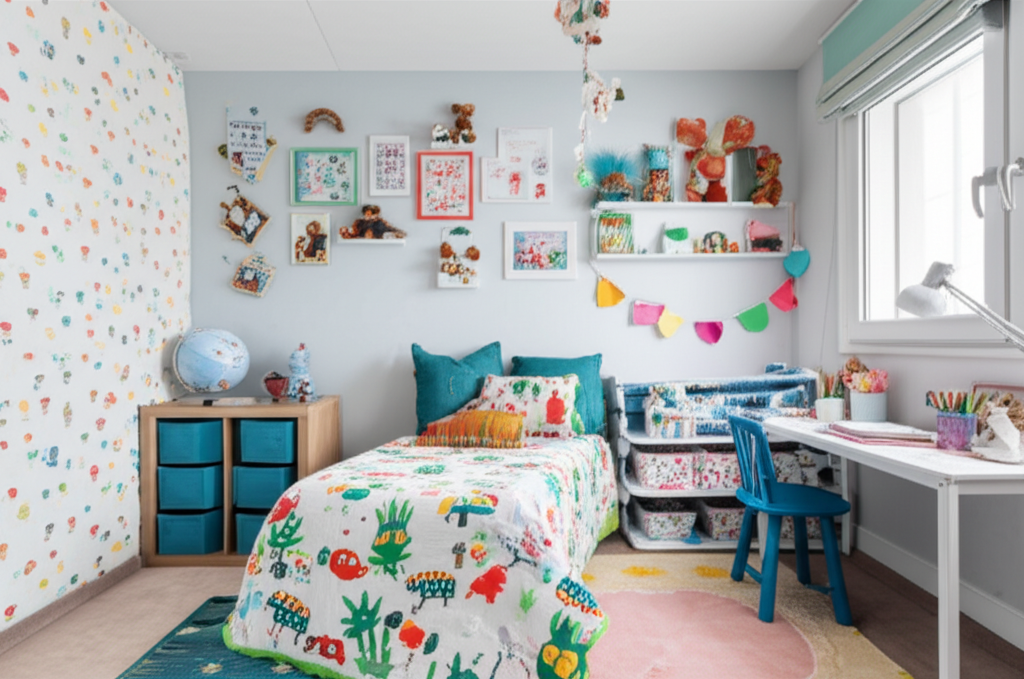
Get ready to discover how to make your child’s bedroom truly special, step-by-step.
Bedroom Interior Design Ideas for Kids: Essential Tips
Designing a child’s bedroom is a wonderful opportunity to blend creativity with functionality. It’s a space where they sleep, play, learn, and dream, so it needs to be inspiring, comfortable, and adaptable. As kids grow, their needs and tastes change, making flexibility a key ingredient in successful bedroom design.
Let’s dive into some essential tips and ideas to help you create a kid-friendly bedroom that’s a joy to be in, for everyone!
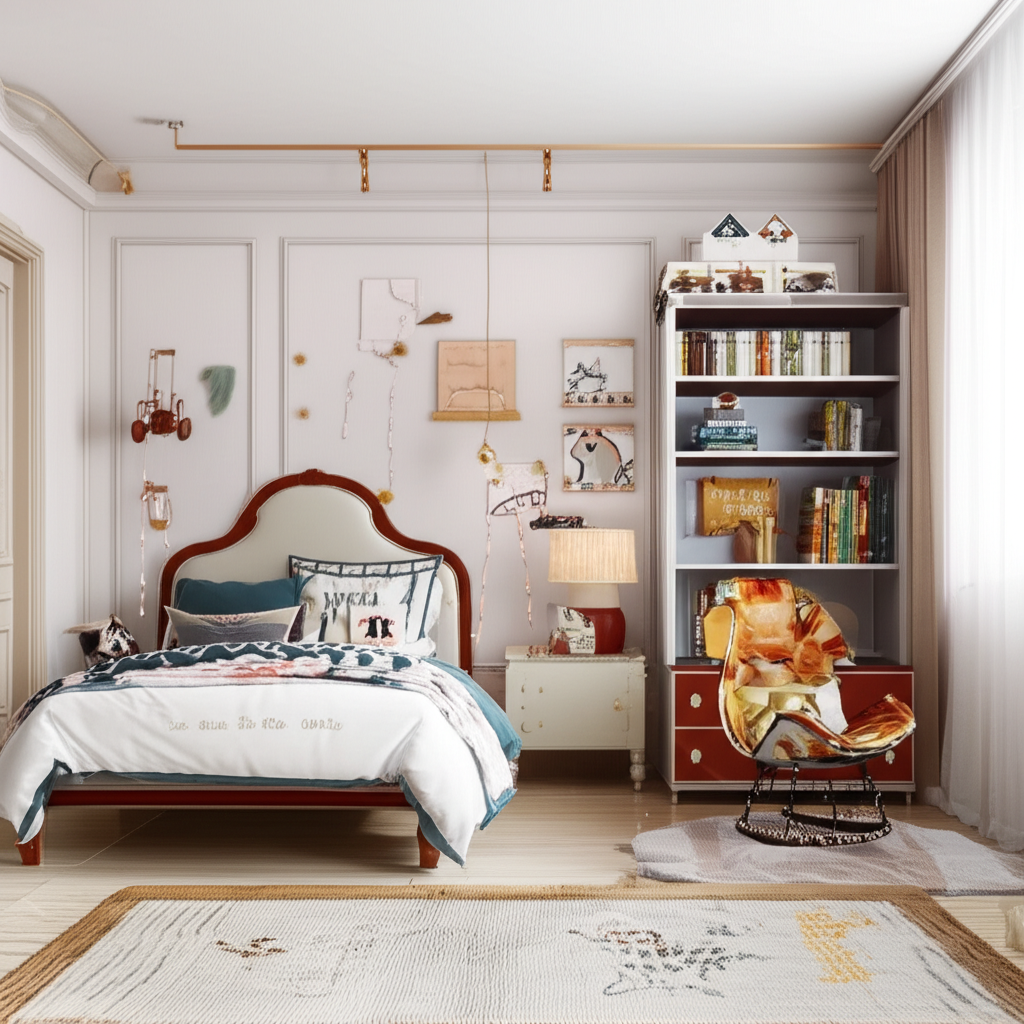
1. Involve Your Child in the Design Process
The most important rule of kid’s room design? Get your child involved! Even young children have opinions about colors, characters, and themes. Asking for their input makes them feel valued and excited about their space.
Start by asking simple questions: What are your favorite colors? What do you love to do in your room? Do you have a favorite animal or character? Their answers will provide a great starting point for your design.
For older kids, you can involve them in more detailed decisions, like choosing bedding patterns or the layout of their desk area. This collaborative approach ensures the room truly reflects their personality and interests.
2. Choose a Flexible Theme (or No Theme at All!)
While themed rooms can be fun, a strong, specific theme can quickly become outdated as your child grows. Instead, consider a more flexible approach.
- Subtle Themes: Opt for themes that can evolve. For example, instead of a full superhero room, choose a color scheme inspired by their favorite hero and add superhero-themed bedding or wall art that can be easily swapped out.
- Color-Based Design: Focus on a favorite color palette. A room painted in calming blues and greens can suit a toddler and a pre-teen alike, with accessories providing personality.
- Interest-Based Decor: If your child loves space, incorporate starry night decals, a planet-themed mobile, and astronomical posters. These elements are easily changed as their interests shift.
- Neutral Foundation: A neutral base – think soft grays, whites, or beiges – for walls and large furniture pieces offers maximum flexibility. You can then add pops of color and personality through textiles, art, and decor.
3. Prioritize Smart Storage Solutions
Kids accumulate a lot of stuff! Toys, books, clothes, art supplies – it all needs a place. Effective storage is crucial for keeping the room tidy and functional.
Think Vertically: Utilize wall space with tall bookshelves, wall-mounted shelves, and modular storage units. This frees up floor space, making the room feel larger and safer.
Under-Bed Storage: Storage bins or drawers that fit under the bed are perfect for stashing toys, extra bedding, or out-of-season clothes. Look for bins with lids to keep dust out.
Multi-Functional Furniture: Invest in furniture that does double duty. A toy chest can also serve as a bench, and a bed with built-in drawers is a space-saver.
Accessible Bins and Baskets: Use open bins and baskets for toys that are frequently used. This makes it easy for kids to put things away themselves, encouraging independence and tidiness. Labeling bins can also help with organization.
For more ideas on maximizing storage in small spaces, resources like Houzz offers practical tips on smart storage solutions that can be adapted for any room size.
4. Create Different Zones within the Room
Even in a small room, defining different areas for sleep, play, and study can make the space feel more organized and purposeful.
- Sleep Zone: This is centered around the bed. Make it cozy with comfortable bedding and good lighting. A nightstand with a lamp is essential.
- Play Zone: Dedicate an area for toys and games. A soft rug can define this space. Ensure toys are easily accessible and can be put away neatly.
- Study Zone: For school-aged children, a small desk with a comfortable chair and good task lighting is important. Keep study supplies organized on the desk or in nearby shelves.
Use rugs, furniture placement, or even different paint colors on accent walls to subtly delineate these zones. This helps children understand how to use each part of their room effectively.
5. Safety First: Essential Considerations
When designing for children, safety should always be your top priority. This includes everything from furniture choices to the materials used.
- Furniture Safety: Ensure all furniture is stable and won’t tip over. Anchor tall items like bookshelves and dressers to the wall. Rounded corners on furniture can prevent bumps and bruises.
- Window Coverings: Opt for cordless blinds or curtains to eliminate strangulation hazards.
- Electrical Safety: Cover unused electrical outlets with safety plugs. Keep cords tidy and out of reach.
- Paint and Materials: Use low-VOC or zero-VOC paints, which are better for air quality. Ensure any toys or decor are non-toxic and age-appropriate.
- Flooring: A soft rug can provide a comfortable and safe play surface. Ensure rugs have non-slip backing.
The U.S. Consumer Product Safety Commission (CPSC) provides valuable information on children’s product safety and recalls, which is a great resource for parents.
6. Choose Durable and Easy-to-Clean Materials
Kids can be tough on their environment! Opting for durable materials that are easy to clean will save you time, effort, and money in the long run.
Flooring: Laminate, vinyl, or sealed hardwood floors are excellent choices. They are easy to wipe clean and can withstand spills and scuffs. Area rugs can add warmth and comfort, but choose those with stain-resistant properties.
Walls: Washable paint is a lifesaver! Look for paints with a satin or semi-gloss finish, as they are more resistant to marks and easier to wipe down. Consider a durable wallpaper for an accent wall, choosing patterns that can hide minor imperfections.
Furniture: Solid wood furniture is generally more durable than particleboard. Upholstered furniture with removable, washable covers is ideal for easy cleaning of spills and accidents.
Bedding: Cotton or cotton blends are breathable, comfortable, and machine washable. Having a couple of sets of bedding makes laundry day much easier.
7. Lighting: Functional and Fun
Good lighting is essential for a child’s bedroom. It needs to be functional for playtime and reading, but also create a cozy atmosphere for sleep.
- Ambient Lighting: A central ceiling light provides general illumination. Consider a dimmer switch to adjust the brightness.
- Task Lighting: A desk lamp is crucial for homework and creative projects. Ensure it’s positioned to avoid glare and shadows.
- Accent Lighting: Fun string lights, a novelty night light, or a reading lamp by the bed can add personality and create a cozy feel.
Think about incorporating smart bulbs that can change color or be controlled via an app, adding a modern and interactive element to the room.
8. Personalize with Art and Decor
This is where your child’s personality truly shines! Encourage them to display their artwork, photographs, and favorite collections.
Displaying Artwork: Use a bulletin board, a string with clothespins, or floating shelves to showcase their creations. This makes them feel proud and adds unique character to the walls.
Wall Decals: Removable wall decals are a fantastic way to add color and theme without permanent commitment. They come in endless designs, from animals and nature to geometric patterns and inspirational quotes.
Gallery Wall: Create a curated gallery wall with a mix of their artwork, favorite prints, and personal photos. This can be a focal point that evolves as they grow.
Comfort Items: Plush toys, cozy throws, and favorite pillows add warmth and personality. Choose items that are washable and durable.
9. Consider a Convertible or Modular Approach
Children grow rapidly, and their needs change. Investing in furniture that can adapt or grow with them is a smart, long-term strategy.
Convertible Beds: Cribs that convert to toddler beds, and then to twin beds, are a popular choice for younger children. Some beds can even extend in length.
Modular Shelving: Systems that allow you to add or rearrange shelves and drawers as needed can adapt to changing storage requirements. This is ideal for books, toys, and later, school supplies.
Adaptable Desk Space: A desk that can be adjusted in height or has modular storage components can serve your child for many years, from early drawing to late-night studying.
10. Don’t Forget the Power of Color
Color plays a huge role in setting the mood and energy of a room. For a kid’s bedroom, you have a lot of exciting options!
- Calming Colors: Soft blues, greens, and lavenders can create a serene environment conducive to sleep and relaxation.
- Energizing Colors: Bright yellows, oranges, and reds can add vibrancy and stimulate creativity. Use these as accent colors to avoid overwhelming the space.
- Neutral Bases with Pops: As mentioned earlier, a neutral base allows for easy updates. Introduce color through bedding, rugs, curtains, and accessories.
- Color Psychology: While not a strict rule, understanding basic color psychology can help. Blue is often seen as calming, yellow as cheerful, and green as natural and balanced.
When choosing colors, consider the natural light the room receives. Lighter colors can make a small room feel brighter and more spacious, while darker colors can create a cozy, enveloping feel.
Budget-Friendly Bedroom Interior Design Ideas for Kids
Decorating a child’s room doesn’t have to break the bank. Here are some ways to achieve a stylish and functional space on a budget:
| Idea | Budget-Friendly Tip | Why it Works |
|---|---|---|
| Paint | Buy “oops” paint or wait for sales. Use a single accent wall instead of painting the whole room. | Paint is one of the most affordable ways to transform a room. An accent wall adds impact without a lot of paint or cost. |
| Wall Art | Frame your child’s own artwork. Print free coloring pages or simple designs online. | Personalized art is free and meaningful. Printables offer a quick and inexpensive way to add decoration. |
| Storage | Use affordable bins from discount stores. Repurpose old drawers or crates. | Functional storage doesn’t need to be fancy. Basic bins can be very effective, and DIY solutions are cost-effective. |
| Bedding | Look for sales at department stores or online retailers. Mix and match solid colors with one patterned piece. | Bedding can be a significant expense. Shopping smart and using simpler combinations can save money. |
| Furniture | Shop secondhand. Look for gently used pieces on marketplaces or at consignment shops. | Children’s furniture is often well-maintained. Buying used can save a significant amount compared to new. |
| Lighting | Use affordable string lights or battery-operated LED lights. Update an existing lamp with a new shade. | Fun lighting can be inexpensive. Small touches can make a big difference without a large investment. |
Frequently Asked Questions (FAQ)
Q1: What is the best color for a child’s bedroom?
The “best” color depends on the child and the desired mood. For a calming atmosphere, soft blues, greens, or lavender are great. For more energy, consider cheerful yellows or oranges as accent colors. Neutral bases with colorful accessories offer the most flexibility as children grow.
Q2: How can I make a small kid’s bedroom feel bigger?
Maximize vertical space with tall shelves and wall-mounted storage. Use light colors on walls and choose furniture with visible legs to create an airy feel. Keep clutter to a minimum with smart storage solutions. Mirrors can also create the illusion of more space.
Q3: Is it okay to use a strong theme like superheroes or princesses?
Yes, but consider making it adaptable. Instead of a room covered in one character, use a color palette inspired by the theme and add themed bedding, posters, or smaller decorative items. This makes it easier and less expensive to update the room as your child’s interests change.
Q4: What type of flooring is best for a kid’s room?
Durable and easy-to-clean options are key. Laminate, vinyl, or sealed hardwood floors are excellent. They can withstand spills and wear. Adding a soft, washable rug provides comfort and defines play areas. Always ensure rugs have non-slip backing.
Q5: How much involvement should my child have in designing their room?
As much as possible! Even young children can choose colors or preferred characters. For older kids, let them select bedding, decor, or help arrange furniture. Their input ensures they love their space and feel a sense of ownership.
Q6: What are some budget-friendly ways to decorate a kid’s room?
Repurpose items (like painted crates for storage), frame your child’s artwork, use affordable wall decals, shop secondhand for furniture, and look for sales on bedding and paint. Focusing on DIY and smart shopping can save a lot of money.
Q7: How do I create a safe bedroom environment for my child?
Anchor furniture to walls, use cordless window coverings, cover unused electrical outlets, and ensure all toys and decor are non-toxic and age-appropriate. Check for sharp edges on furniture and ensure good lighting to prevent trips and falls.
Conclusion
Designing a bedroom interior for your child is a rewarding journey. By focusing on their needs, involving them in the process, and prioritizing smart, flexible solutions, you can create a space that’s not only beautiful but also functional and inspiring.
Remember, it’s about creating a haven where they can grow, play, and dream. From clever storage that keeps clutter at bay to personalized touches that reflect their unique personality, each element contributes to a room they’ll cherish. Don’t be afraid to experiment with color, texture, and playful decor!
With these essential tips, you’re well-equipped to transform your child’s bedroom into a space that’s a true reflection of them, a place they’ll love coming home to, year after year. Happy decorating!