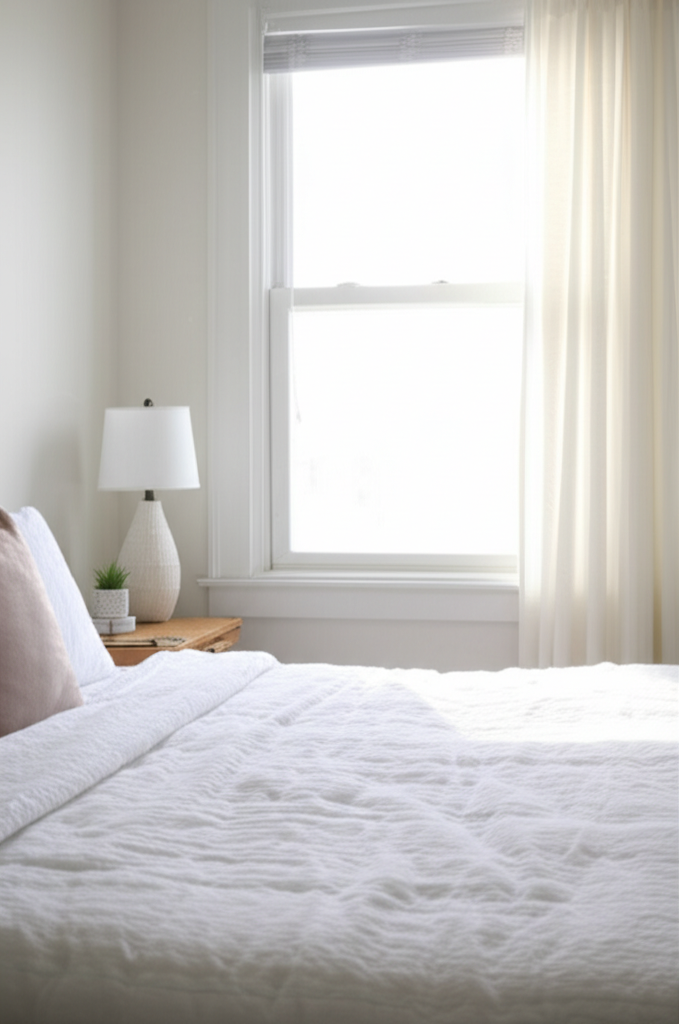
Effortless bedroom interior design is achievable with simple strategies focusing on color, furniture, lighting, and personal touches. Create a stylish, relaxing sanctuary by decluttering, choosing a cohesive color palette, and layering textures. This guide offers beginner-friendly ideas to transform your bedroom into a dream space.
Feeling overwhelmed by bedroom design choices? You’re not alone! Many of us dream of a bedroom that’s both a stylish retreat and a cozy haven, but knowing where to start can feel like a puzzle.
The good news? Creating your perfect bedroom doesn’t require a design degree or a huge budget. With a few smart tips and a sprinkle of creativity, you can craft a space that feels uniquely yours and utterly serene.
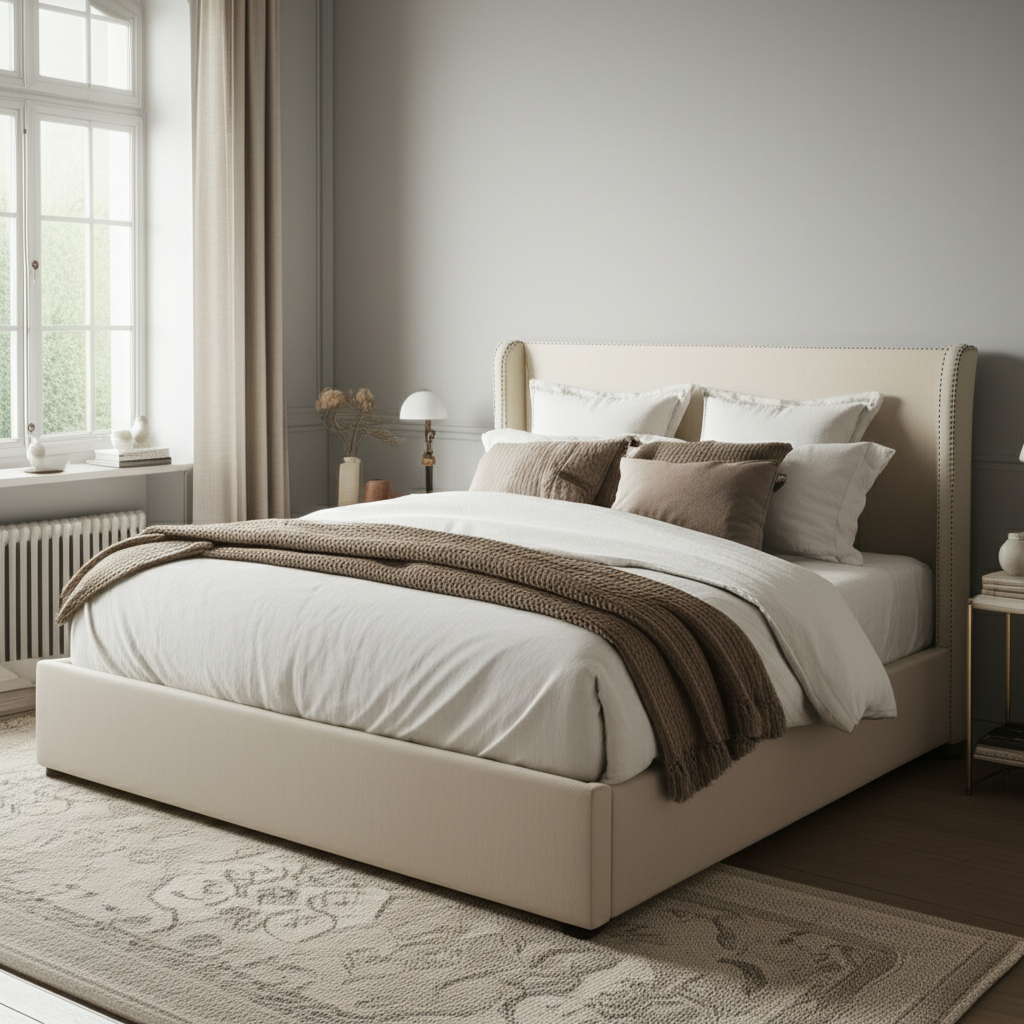
This guide is packed with easy-to-follow, beginner-friendly ideas to help you achieve effortless style in your bedroom. We’ll break down the process into simple steps, from picking colors to adding those final, personal touches. Get ready to fall in love with your bedroom all over again!
Your Bedroom Design Journey Starts Here: The Foundation
Before we dive into specific decor ideas, let’s lay the groundwork for a successful bedroom makeover. Think of these as the essential building blocks for a room that feels both beautiful and functional.
Declutter: Your First Step to Serenity
This might sound simple, but it’s the most impactful step. A cluttered room can’t feel stylish or relaxing, no matter how lovely the furniture. Take a weekend to go through your belongings. Donate, sell, or discard anything you don’t need or love.
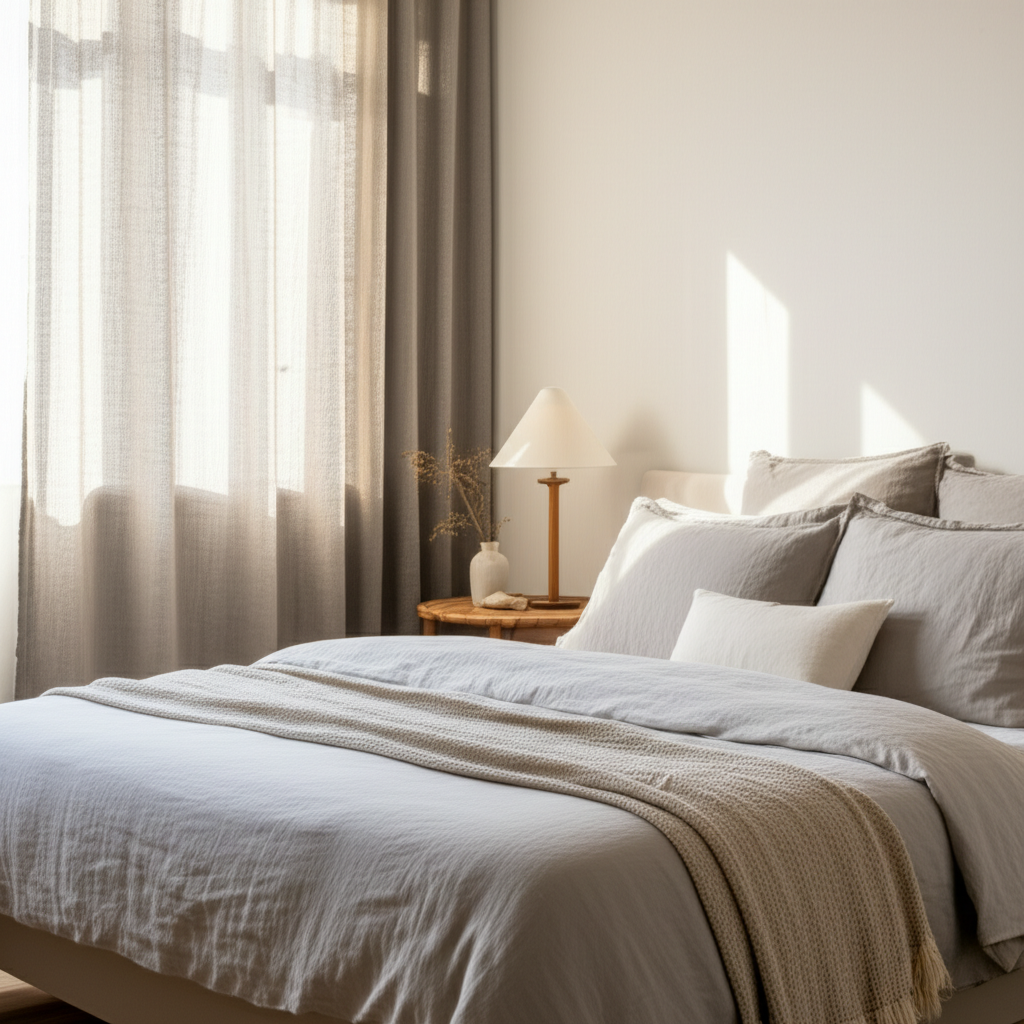
Focus on your bedroom specifically. Are there piles of clothes on the floor? Books you’ve finished and won’t re-read? Items that belong in another room? A good decluttering session will instantly make your space feel larger and more peaceful.
Define Your Style: What’s Your Vibe?
Don’t worry if you don’t have a specific design term like “Mid-Century Modern” or “Bohemian” locked down. Think about how you want your bedroom to feel. Do you prefer calm and minimalist, or cozy and maximalist? Do you love bright colors or soothing neutrals?
Gather inspiration! Pinterest, Instagram, and home decor magazines are fantastic resources. Save images of bedrooms you love. Notice common themes: colors, furniture styles, textures, or overall moods. This will help you identify your personal aesthetic. For a minimalist approach that emphasizes calm and simplicity, check out our guide on minimal decor ideas.
Best Bedroom Interior Design Ideas: Effortless Style at Your Fingertips
Now for the fun part! Let’s explore some practical and stylish ideas that are perfect for beginners. We’ll cover everything from color palettes to making the most of your space.
1. The Power of Color: Setting the Mood
Color is one of the most powerful tools in interior design. It can influence your mood, make a room feel larger or cozier, and set the overall tone.
Soothing Neutrals: The Calm Choice
If you crave a peaceful escape, neutral palettes are your best friend. Think soft whites, creamy beiges, warm grays, and muted earth tones. These colors create a serene backdrop that’s easy to layer with other elements.
Neutrals are also incredibly versatile. They make it easy to switch up your decor seasonally or as your style evolves without needing to repaint the entire room. They create a sense of spaciousness, which is especially beneficial for smaller bedrooms.
Soft Blues and Greens: Nature’s Tranquility
Inspired by the calming effects of nature, blues and greens are perfect for creating a tranquil bedroom. Soft, muted shades of these colors can evoke feelings of peace and relaxation.
Consider a pale sky blue for the walls, or a gentle sage green. These colors pair beautifully with natural wood tones and white accents, enhancing the sense of calm. They can make your bedroom feel like a serene oasis, perfect for unwinding. For more warm and inviting color inspiration, explore our collection of warm kitchen color ideas—perfect for cross-room design harmony.
Warm Tones: Cozy and Inviting
For a warmer, more inviting atmosphere, consider subtle warm tones. Think soft terracotta, muted blush pinks, or warm, sandy beiges. These colors add a touch of coziness without being overwhelming.
These shades are particularly lovely in bedrooms where you want to create a snug, comforting feel. They can be paired with deeper wood tones or soft fabrics to enhance the feeling of warmth and comfort.
A Note on Accent Colors
Even with a neutral or muted palette, you can introduce pops of color through accessories like throw pillows, blankets, artwork, or a statement rug. This adds personality and visual interest without committing to a bold wall color.
2. Furniture Focus: Comfort Meets Style
Your bed is the star of the bedroom, but other furniture pieces play a crucial role in both function and aesthetics. For beginners, focus on quality and proportion.
The Bed: Your Sleep Sanctuary
Choose a bed frame that fits your room size and style. For small bedrooms, a bed frame with built-in storage or a simple platform bed can be ideal. If you have more space, a larger upholstered headboard can add a touch of luxury.
Consider the height of your mattress and frame. A lower profile can make a room feel more modern and open, while a higher bed can offer more under-bed storage. Ensure there’s enough space to walk around the bed comfortably.
Nightstands: Functional and Stylish
Nightstands are essential for keeping essentials like a lamp, book, and phone within reach. They don’t have to match your bed frame perfectly; a complementary piece can add character.
Think about storage needs. Do you need drawers for personal items, or will a simple surface suffice? You can even get creative with alternative nightstand ideas, like a small stool, a floating shelf, or a vintage trunk.
Storage Solutions: Taming the Clutter
Effective storage is key to an uncluttered and stylish bedroom. Beyond your wardrobe, consider dressers, chests of drawers, or shelving units.
For smaller rooms, vertical storage is your friend. Tall, narrow dressers or wall-mounted shelves can provide ample storage without taking up much floor space. Baskets and decorative boxes are also great for hiding smaller items.
For a comprehensive guide on maximizing small spaces, explore resources like this from the U.S. Environmental Protection Agency, which offers tips on reducing waste and making conscious purchasing decisions, applicable to home organization.
3. Lighting: Creating Ambiance
Good lighting can transform a room from functional to fabulous. Layering different types of light is the secret to creating a warm and inviting atmosphere.
Overhead Lighting: The Main Source
This is usually your ceiling fixture. Opt for something stylish that complements your room’s decor. Dimmable switches are a fantastic addition, allowing you to control the brightness and mood.
Consider a fixture that provides soft, diffused light rather than harsh, direct light. A beautiful pendant light or a flush-mount fixture can be both functional and a decorative element.
Task Lighting: For Specific Needs
This includes bedside lamps for reading or a desk lamp if you have a vanity or workspace in your bedroom. Choose lamps that provide adequate light for their purpose.
Bedside lamps are also excellent for adding style. They come in countless designs, from minimalist to ornate, and can be a great way to introduce color or texture.
Ambient Lighting: The Cozy Glow
This is about creating a soft, warm atmosphere. Think string lights, a dimmer on your main light, or even a salt lamp. These add a gentle glow that makes the room feel more intimate and relaxing.
Consider incorporating fairy lights draped around a headboard or a mirror for a magical touch. These subtle light sources are perfect for winding down before sleep.
4. Textiles and Textures: The Cozy Factor
Soft furnishings are what make a bedroom feel truly comfortable and inviting. Mixing different textures adds depth and interest to your design.
Bedding: Your Cozy Layer
Invest in comfortable bedding that you love. Consider the materials: cotton for breathability, linen for a relaxed, slightly rumpled look, or flannel for extra warmth in cooler months.
Layering is key! Start with a fitted sheet and a flat sheet, then add a duvet or comforter. Finish with decorative pillows and a throw blanket for added warmth and style. Mixing textures like smooth cotton with chunky knits or faux fur adds tactile appeal.
Rugs: Grounding the Space
A rug can define a space, add warmth, and absorb sound. For the bedroom, a soft rug underfoot is a treat. Consider a plush rug or a natural fiber rug like jute for a more earthy feel.
If your bed is the centerpiece, a rug placed partially under the bed can anchor the entire arrangement. Ensure the rug is large enough so that at least the front legs of your nightstands and bed frame sit on it.
Curtains: Privacy and Style
Curtains are essential for privacy and light control, but they also contribute significantly to your room’s style. Opt for fabrics that complement your overall color scheme.
Consider blackout curtains for better sleep, especially if your room gets a lot of morning sun. Layering sheer curtains with heavier drapes offers flexibility and a more luxurious look. The way curtains hang can also make a room feel taller or wider.
5. Personal Touches: Making it Yours
This is where your bedroom truly becomes your sanctuary. Add elements that reflect your personality and bring you joy.
Artwork and Decor
Hang art that you love. It doesn’t have to be expensive! Prints, photographs, or even your own creations can add personality. Consider a gallery wall for a dynamic display.
Other decorative items like plants, decorative trays, or curated collections can add character. Keep it curated to avoid clutter, but don’t be afraid to display items that have meaning to you.
Plants: Bringing Life Indoors
Plants can instantly liven up a space, improve air quality, and add a touch of natural beauty. Choose plants that suit your bedroom’s light conditions and your ability to care for them.
Snake plants, ZZ plants, and Pothos are often recommended for beginners as they are relatively low-maintenance and tolerate lower light levels. You can find more information on indoor plant care from resources like the American Horticultural Society. For stylish ways to display greenery, see our post on kitchen plant decor ideas—many of which translate beautifully to bedrooms.
Mirrors: Creating Space and Light
Mirrors are a fantastic tool for making a room feel larger and brighter. Place a large mirror opposite a window to reflect natural light and the view outside.
A floor-length mirror can add a touch of glamour and is practical for checking your outfit. Decorative mirrors can also serve as a stylish focal point.
Bedroom Design Ideas by Room Size
The best bedroom interior design ideas often need a little tailoring to fit the specific dimensions of your room. Here are some tips for both small and large spaces.
Small Bedrooms: Maximizing Every Inch
Small bedrooms require smart planning to feel spacious and functional. The key is to be strategic with furniture and storage.
Furniture Choices for Small Spaces
- Multifunctional Furniture: Opt for a bed with built-in storage drawers or a lift-up frame. A storage ottoman can double as a nightstand and provide extra seating.
- Wall-Mounted Everything: Consider wall-mounted shelves, nightstands, and even lighting to free up floor space.
- Compact Furniture: Choose furniture that is appropriately scaled for the room. Avoid oversized pieces that can make the space feel cramped.
- Vertical Space: Utilize the full height of your walls with tall, narrow dressers or shelving units.
Color and Light in Small Rooms
Lighter colors, especially whites and pastels, make a small room feel more open and airy. Mirrors are also incredibly effective at creating the illusion of more space.
Ensure good lighting. A well-lit room, even a small one, feels larger than a dark, dim space. Layering light sources is crucial here.
Large Bedrooms: Creating Cozy Zones
Large bedrooms can sometimes feel cavernous or impersonal. The goal here is to create cozy, inviting zones and add warmth.
Furniture Arrangement in Larger Rooms
- Create Zones: Use furniture placement, rugs, or even lighting to define different areas within the room. You might have a sleeping zone, a reading nook, or a vanity area.
- Larger Scale Furniture: You can comfortably accommodate larger furniture pieces in a big bedroom, like a king-size bed or a substantial dresser.
- Statement Pieces: Don’t be afraid to use a statement headboard, a large artwork, or a decorative rug to add personality and visual interest.
- Seating Area: If space allows, a small seating area with an armchair or a bench can make the room feel more inviting and functional.
Adding Warmth and Depth
In larger rooms, layering textures is even more important to prevent the space from feeling stark. Use plush rugs, layered bedding, and plenty of soft furnishings.
Consider darker, richer colors on accent walls or through your decor to add a sense of coziness and intimacy. A well-placed floor lamp or accent lighting can also help to create warm pools of light.
Budget-Friendly Bedroom Design Hacks
Achieving a stylish bedroom doesn’t have to break the bank. Here are some smart ways to save money while still getting beautiful results.
DIY and Upcycling
Give old furniture a new lease on life with a coat of paint or new hardware. You can often find great pieces at thrift stores or online marketplaces.
Simple DIY projects like creating your own artwork, sewing pillow covers, or even building a simple headboard can save money and add a personal touch.
Smart Shopping Strategies
- Sales and Discounts: Keep an eye out for seasonal sales at furniture and home decor stores.
- Secondhand Finds: Explore flea markets, antique shops, and online resale platforms for unique and affordable pieces.
- Prioritize Key Items: Invest more in pieces you use daily, like your mattress and a comfortable chair, and save on decorative items.
- Mix High and Low: Combine a few splurge items with more budget-friendly finds to create a balanced look.
Focus on Impactful Updates
Sometimes, small changes make a big difference. New bedding, fresh curtains, or a stylish rug can completely transform the feel of a room without a massive overhaul.
Painting an accent wall is also a relatively inexpensive way to add a pop of color or depth to your bedroom. For painting tips, consider the advice from the U.S. Department of Housing and Urban Development (HUD) regarding safe practices when undertaking home improvement projects.
FAQ: Your Beginner Bedroom Design Questions Answered
Q1: What is the easiest way to update my bedroom?
The easiest and most impactful way to update your bedroom is by changing your bedding and adding new throw pillows and a blanket. This instantly refreshes the look and feel of the room.
Q2: What are the best colors for a relaxing bedroom?
Soft, muted colors are generally best for relaxation. Think calming blues, gentle greens, warm grays, soft whites, and earthy neutrals. Avoid overly bright or jarring colors if your primary goal is to create a tranquil space.
Q3: How much space should I leave around my bed?
Ideally, you should leave at least 2-3 feet of walking space around the sides and foot of your bed to allow for easy movement and furniture placement.
Q4: Should my nightstands match my bed?
No, they don’t have to match exactly! They should complement each other. You can opt for matching nightstands for a symmetrical look, or choose pieces that share a similar style, material, or color for a more eclectic feel.
Q5: How can I make a small bedroom feel bigger?
Use light paint colors, mirrors to reflect light, wall-mounted furniture, and ensure the furniture is appropriately scaled for the room. Decluttering is also crucial.
Q6: What is the most important piece of furniture in a bedroom?
The bed is undoubtedly the most important piece of furniture, as it’s central to the room’s function for sleep and relaxation. However, comfortable and functional storage solutions are also critical for maintaining an organized and stylish space.
Q7: How can I add personality to a bland bedroom?
Add personality through artwork, decorative objects, plants, and textiles like patterned rugs or accent pillows. Choose items that genuinely reflect your interests and style.
Conclusion: Your Dream Bedroom Awaits!
Creating a bedroom with effortless style is all about making thoughtful choices that combine comfort, function, and personal expression. By focusing on a calming color palette, selecting furniture that fits your space and needs, layering your lighting, and adding soft textures, you can transform your room into a true sanctuary.
Remember, the best bedroom design is one that makes you feel happy and relaxed. Don’t be afraid to experiment, have fun with the process, and inject your unique personality into every corner. Whether you have a cozy nook or a spacious suite, these beginner-friendly ideas will guide you towards creating a bedroom you’ll love waking up in and retreating to every night.