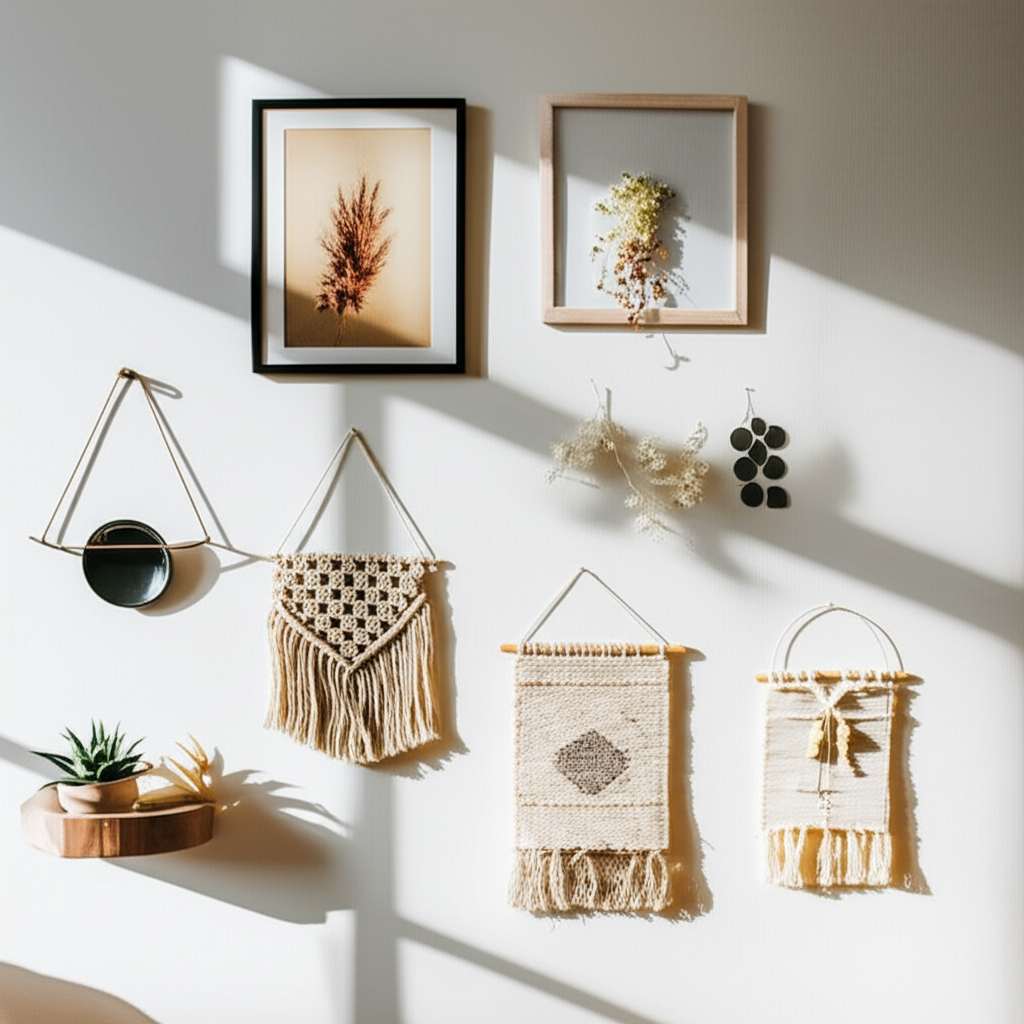
Blank walls can feel daunting, but filling them is easy with these 10 wall decor ideas for blank walls. From affordable art and mirrors to DIY projects and creative arrangements, you’ll find simple, stylish, and budget-friendly ways to transform any empty space into a personalized statement. Get ready to make your walls shine!
Staring at a vast, empty wall can feel a little… uninspiring, right? It’s like a blank canvas that you’re not sure how to start painting. Many of us have those blank walls in our homes, whether it’s in a small apartment, a cozy bedroom, or a spacious living room.
Feeling overwhelmed by all the possibilities, or worried about making the wrong choice? You’re not alone! Decorating shouldn’t be stressful. It’s about making your space feel like you.
This guide is here to make it simple and fun. We’ll walk through 10 amazing wall decor ideas that are perfect for beginners. You’ll discover how to add personality, style, and warmth to your home without breaking the bank or needing a design degree.
Let’s dive in and turn those blank walls into something beautiful!

10 Wall Decor Ideas For Blank Walls: Essential Guide
Blank walls are a common challenge for many, but they also present a fantastic opportunity to express your personal style. Whether you’re decorating a rental, a starter home, or just looking to refresh your current space, these ideas are designed to be accessible, affordable, and impactful. Let’s transform those empty expanses into focal points you’ll love!
1. Gallery Walls: The Personal Storyteller
A gallery wall is a collection of art, photos, and other decorative items arranged together on a wall. It’s a fantastic way to showcase your memories, interests, and artistic taste. Think of it as telling your personal story on your walls!
The beauty of a gallery wall is its flexibility. You can mix and match different frame styles, sizes, and even colors. This eclectic approach adds character and visual interest. It works well in living rooms, hallways, and even bedrooms.
How to create a stunning gallery wall:
- Plan your layout: Before you hang anything, lay out your pieces on the floor or trace them onto paper and tape them to the wall. This helps you visualize the arrangement and ensure good spacing.
- Mix it up: Combine framed photos, prints, small mirrors, and even quirky objects like vintage keys or small shelves. Variety keeps it engaging.
- Stick to a theme (optional): You might choose a color palette, a subject matter (like travel or nature), or a specific style (modern, vintage) to tie it all together.
- Spacing is key: Aim for consistent spacing between frames, typically 2-3 inches. This creates a cohesive look, even with diverse items.
2. Large-Scale Art: The Bold Statement
Sometimes, one large piece of art is all you need to make a dramatic impact. A single, oversized canvas or framed print can anchor a room and become an instant focal point. This is especially effective on a prominent wall, like behind a sofa or above a bed.
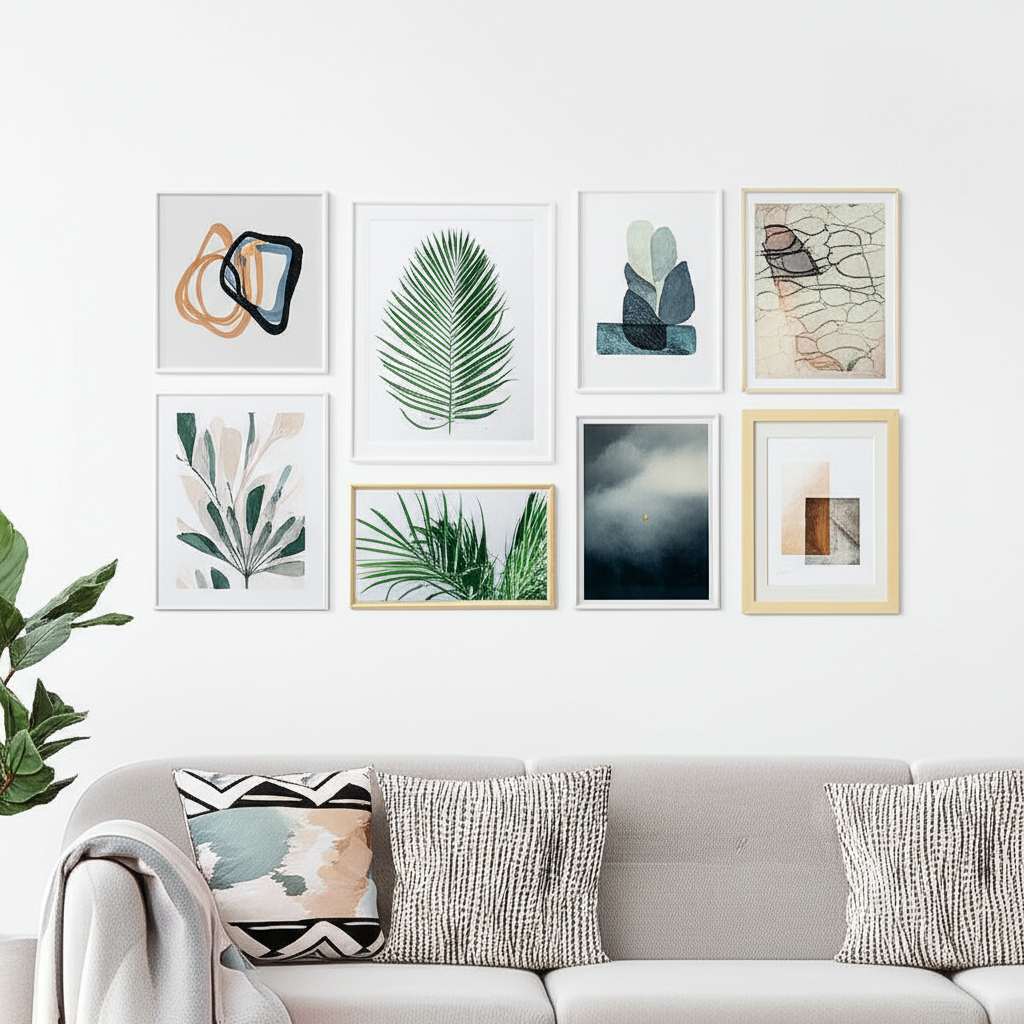
Choosing a piece with colors that complement your existing decor can tie the whole room together. Don’t be afraid of bold colors or abstract designs – they can add a modern and sophisticated touch. For budget-friendly options, consider prints from online art retailers or even a large tapestry.
Tips for choosing large art:
- Consider the wall size: The art should be proportionate to the wall. A good rule of thumb is for the art to be about 2/3 the width of the furniture it’s above.
- Match your style: Whether it’s abstract, landscape, portrait, or photography, choose art that resonates with your personal aesthetic.
- Color coordination: Pick a piece that either complements your room’s existing color scheme or introduces a pop of color to liven things up.
3. Mirrors: Light & Space Amplifiers
Mirrors are not just for checking your reflection; they are powerful decor tools! They can make a small room feel larger and brighter by reflecting light and the surrounding space. A well-placed mirror can be both functional and incredibly stylish.
Think beyond the bathroom. A large floor mirror can lean against a wall in a living room or bedroom, adding depth and an elegant touch. Grouping smaller decorative mirrors can create a unique and eye-catching arrangement, much like a mini gallery wall.
Where to place mirrors for maximum impact:
- Opposite a window: This maximizes natural light and creates the illusion of more space.
- In a narrow hallway: This can make the hallway feel wider and more open.
- Above a fireplace or console table: This creates a classic focal point.
- As part of a gallery wall: Incorporating mirrors adds texture and reflective interest.
4. Shelving: Display & Storage Solutions
Floating shelves or traditional wall shelves offer a practical and stylish way to decorate. They provide a surface to display decorative items, books, plants, and personal treasures, while also offering valuable storage.
Floating shelves have a clean, minimalist look that suits modern decor. You can arrange them in various patterns – staggered, in a grid, or asymmetrical – to create visual interest. For a more rustic feel, consider wooden shelves with visible brackets.
What to display on your shelves:
- Books: Arrange them by color, size, or subject for a curated look.
- Plants: Greenery adds life and color. Consider small succulents, trailing plants, or air plants.
- Decorative objects: Vases, sculptures, picture frames, candles, and travel souvenirs can add personality.
- Functional items: In a kitchen, use them for spices or dishes. In an entryway, for keys and mail.
5. Wall Tapestries or Fabric Hangings: Cozy & Chic
For a softer, more bohemian, or eclectic vibe, consider a wall tapestry or a large fabric hanging. These can instantly add warmth, color, and texture to a blank wall, making a room feel cozier and more inviting.
Tapestries come in endless designs, from intricate patterns and vibrant abstracts to subtle, nature-inspired scenes. They are relatively lightweight and easy to hang, often just requiring a few nails or hooks. They can also help with sound absorption, making a room feel quieter.
Ideas for using fabric hangings:
- Behind a bed: A large tapestry can act as a headboard alternative.
- In a living room: Use it to cover a large blank wall and add a focal point.
- In a dining area: A vibrant tapestry can liven up the space.
- DIY options: Consider using a beautiful scarf, a vintage rug, or even a large piece of patterned fabric.
6. Wallpaper or Wall Decals: Transformative Designs
Want a dramatic change without painting? Wallpaper or wall decals are your best friend! They offer incredible versatility, from subtle textures to bold patterns and murals.
Removable wallpaper is a game-changer for renters or those who like to change their decor often. It allows you to experiment with patterns and colors without commitment. Wall decals are even simpler – they are like large stickers that can be applied to smooth surfaces and removed easily.
Where to use wallpaper/decals:
- Accent wall: Choose one wall to be the star of the show.
- Behind furniture: Add interest behind a sofa, bed, or desk.
- In small spaces: A bold pattern can make a powder room or entryway memorable.
- Kids’ rooms: Fun decals or playful patterns are perfect for children’s spaces.
For more information on choosing and applying wallpaper, check out resources like Houzz’s guide on hanging wallpaper, which offers detailed steps and tips.
7. Statement Clock: Functional Art
A clock is a functional necessity, but it can also be a stunning piece of wall art. Oversized clocks with unique designs or vintage-inspired faces can add character and a focal point to any room.
Think beyond the traditional round clock. Look for clocks with intricate metalwork, rustic wood finishes, or minimalist modern designs. They are especially effective in entryways, kitchens, or living rooms where you want a blend of style and practicality.
Choosing the right statement clock:
- Size matters: Ensure the clock is large enough to be easily seen and to make a statement on your wall.
- Style alignment: Pick a clock that complements your room’s overall decor style.
- Placement: Hang it at eye level, ensuring it doesn’t compete too much with other decor elements.
8. DIY Macrame or Woven Wall Hangings: Bohemian Charm
If you’re feeling crafty, a DIY macrame or woven wall hanging can add a beautiful, bohemian touch. These textured pieces bring a handmade warmth and unique artistic flair to your walls.
You don’t need to be an expert crafter. Many beginner-friendly tutorials are available online using simple knotting techniques or weaving methods. You can customize the colors, size, and embellishments to perfectly match your space.
DIY project ideas:
- Simple macrame: Learn a few basic knots to create a beautiful fringe or patterned piece.
- Woven wall art: Use yarn, roving, and even fabric scraps on a loom or a sturdy branch.
- Add beads or feathers: Embellish your creation for extra texture and visual interest.
For those looking to learn the craft, resources like Macrame-Jewelry-Making.com’s knot guide can be a great starting point for understanding the techniques.
9. String Lights & Photos: Cozy Ambiance
Create a warm, inviting atmosphere with string lights, often called fairy lights. You can weave them through photos, hang them on their own, or drape them over shelves and furniture. This is a simple, affordable way to add a magical glow.
A popular method is to hang string lights and then clip photos onto the string using mini clothespins. This combines ambient lighting with a personalized display of your favorite memories. It’s perfect for bedrooms, cozy nooks, or even as a soft accent in a living area.
Ways to use string lights for decor:
- Photo display: Clip photos directly onto the lights.
- Draped over furniture: Add a soft glow to a headboard or bookshelf.
- In jars or lanterns: Create a charming, portable light source.
- Around mirrors: Enhance the reflective quality and add ambiance.
10. Plants & Greenery: Living Art
Bring the outdoors in with plants! Living plants not only add color and life to your decor but also improve air quality. They can be displayed in various ways on your walls.
Consider wall-mounted planters, hanging planters that cascade down, or shelves dedicated to a collection of greenery. Vertical gardens are also a stunning way to fill a large blank wall with living art. For low-maintenance options, faux plants can offer a similar visual impact without the upkeep.
Ways to incorporate plants on walls:
- Wall-mounted planters: These can be arranged in a pattern or as a single focal point.
- Hanging planters: Allow vines to trail down for a lush effect.
- Vertical garden systems: Create a living wall with multiple plant pockets.
- Air plants: These require minimal care and can be displayed in unique holders.
For guidance on plant care and selection, resources like the Royal Horticultural Society (RHS) indoor plant advice offer excellent, reliable information.
Decorating Your Walls: Budget & Space Considerations
Decorating blank walls doesn’t have to be expensive or require a massive amount of space. The key is to be strategic and creative. Whether you’re working with a small budget or limited square footage, these tips can help you make the most of your walls.
Budget-Friendly Decorating Tips
You don’t need to spend a fortune to have beautifully decorated walls. Many of the ideas above can be executed on a tight budget.
- Thrift stores and flea markets: These are treasure troves for unique frames, art, mirrors, and decorative objects.
- DIY projects: Creating your own art or decor is almost always more affordable than buying new.
- Printables: Many artists offer digital art prints that you can download and print yourself, then frame affordably.
- Sales and discounts: Keep an eye out for sales at home decor stores, especially during holiday seasons.
- Repurpose items: Old maps, book pages, or even fabric scraps can be transformed into wall art.
Decorating Small Spaces
In smaller rooms, every decor choice counts. The goal is to add personality without making the space feel cluttered.
- Go vertical: Utilize wall space to draw the eye upward and create a sense of height.
- Mirrors are your friend: As mentioned, they can make a room feel significantly larger and brighter.
- Choose fewer, larger pieces: Instead of many small items, one or two larger pieces of art or decor can have more impact and create less visual noise.
- Light and airy colors: Opt for decor that is not too dark or heavy, which can make a small space feel cramped.
- Functional decor: Shelving that also serves as storage is ideal for small spaces.
Decorating Large Spaces
Large, blank walls can sometimes feel intimidating. The key here is to fill the space in a way that feels balanced and intentional.
- Embrace scale: Don’t be afraid to use larger pieces of art, multiple large pieces, or even a gallery wall that spans a significant area.
- Create zones: In a very large room, you can use wall decor to define different areas or functions.
- Consider texture: Large walls can handle more texture, such as tapestries, wood panels, or even patterned wallpaper.
- Groupings work well: A collection of similar items, like a grid of framed photos or a series of identical mirrors, can fill a large wall effectively.
Transforming Your Space: A Quick Comparison
Choosing the right decor depends on your goals for the space. Here’s a quick look at how different ideas might serve your needs:
| Decor Idea | Best For | Budget Potential | Effort Level | Impact |
|---|---|---|---|---|
| Gallery Wall | Personal expression, storytelling | Low to High | Medium | High (can be focal point) |
| Large-Scale Art | Creating a strong focal point, modern look | Medium to High (prints can be cheaper) | Low to Medium | Very High |
| Mirrors | Making spaces feel larger/brighter, adding elegance | Low to High | Low | Medium to High |
| Shelving | Displaying items, storage, organization | Low to Medium | Medium | Medium (functional and decorative) |
| Tapestries/Fabric | Adding warmth, texture, bohemian/eclectic style | Low to Medium | Low | High |
| Wallpaper/Decals | Dramatic transformation, easy pattern application | Medium to High (removable options vary) | Medium | Very High |
| Statement Clock | Functional art, adding a classic or modern touch | Medium to High | Low | Medium |
| DIY Macrame/Woven | Bohemian charm, handmade unique pieces | Low | Medium to High (DIY) | Medium |
| String Lights & Photos | Creating cozy ambiance, personalized display | Low | Low | Medium |
| Plants & Greenery | Adding life, color, air purification, natural feel | Low to Medium | Low to Medium (depending on system) | High |
Frequently Asked Questions (FAQs)
Q1: What is the easiest way to decorate a blank wall for a beginner?
A1: For beginners, a simple gallery wall with a few framed photos or prints is often the easiest starting point. Alternatively, a single large piece of art or a decorative mirror can make a big impact with minimal effort.
Q2: How do I choose the right size artwork for my wall?
A2: A good rule of thumb is that artwork should be about two-thirds the width of the furniture it’s placed above (like a sofa or bed). For an empty wall with no furniture, aim for a piece that feels proportionate to the wall space – not too small that it gets lost, and not so large it overwhelms the room.
Q3: Is it okay to mix different frame styles in a gallery wall?
A3: Absolutely! Mixing frame styles, colors, and sizes is what gives a gallery wall character and a more collected, personal feel. Just ensure there’s some consistency, like a similar color palette or subject matter, to tie it all together.
Q4: How far apart should I hang pictures in a gallery wall?
A4: Aim for consistent spacing between all the pieces in your gallery wall. Typically, 2-3 inches is a good distance. This creates a clean, organized look, even if the frames themselves are varied.
Q5: What if I’m renting and can’t put nails in the wall?
A5: Many great options exist! Use command strips or adhesive hooks for hanging lighter items like small frames or decals. For heavier items, consider leaning large art or mirrors against the wall, or using freestanding shelving units.
Q6: How can I make a small room feel bigger with wall decor?
A6: Use mirrors strategically to reflect light and space. Opt for lighter-colored decor, and consider vertical arrangements that draw the eye upward. Avoid overcrowding the walls with too many small items; one or two larger, impactful pieces can be more effective.
Q7: What are some budget-friendly DIY wall decor ideas?
A7: You can create your own art by painting on canvas, framing pressed flowers or leaves, making macrame hangings, or even turning interesting fabric scraps into wall art. Printing free online art printables and framing them yourself is also a very cost-effective solution.
Conclusion
Tackling those blank walls doesn’t have to be a design dilemma. As you’ve seen, there are countless ways to inject personality, style, and warmth into your home, no matter your budget, space, or skill level. From the personal storytelling of a gallery wall to the light-enhancing magic of mirrors and the cozy embrace of fabric hangings, each idea offers a unique path to transformation.
Remember, decorating is a journey, not a race. Start with what excites you most. Experiment, have fun, and don’t be afraid to make your walls a true reflection of who you are. You have the power to turn any empty space into a place you love coming home to.
So go ahead, pick an idea, grab your supplies, and start creating! Your beautiful, personalized walls are waiting.
Looking to extend your decor efforts into the kitchen? Explore our guide on 12 Kitchen Wall Art Ideas: Stunning Makeovers for inspiration tailored to culinary spaces.
For those drawn to natural elements, discover how to integrate greenery with 8 Kitchen Plant Decor Ideas: Gorgeous Greenery.
And if you’re working with a minimalist aesthetic, check out 10 Minimal Decor Ideas For Kitchens: Amazing Makeover for clean, functional inspiration.