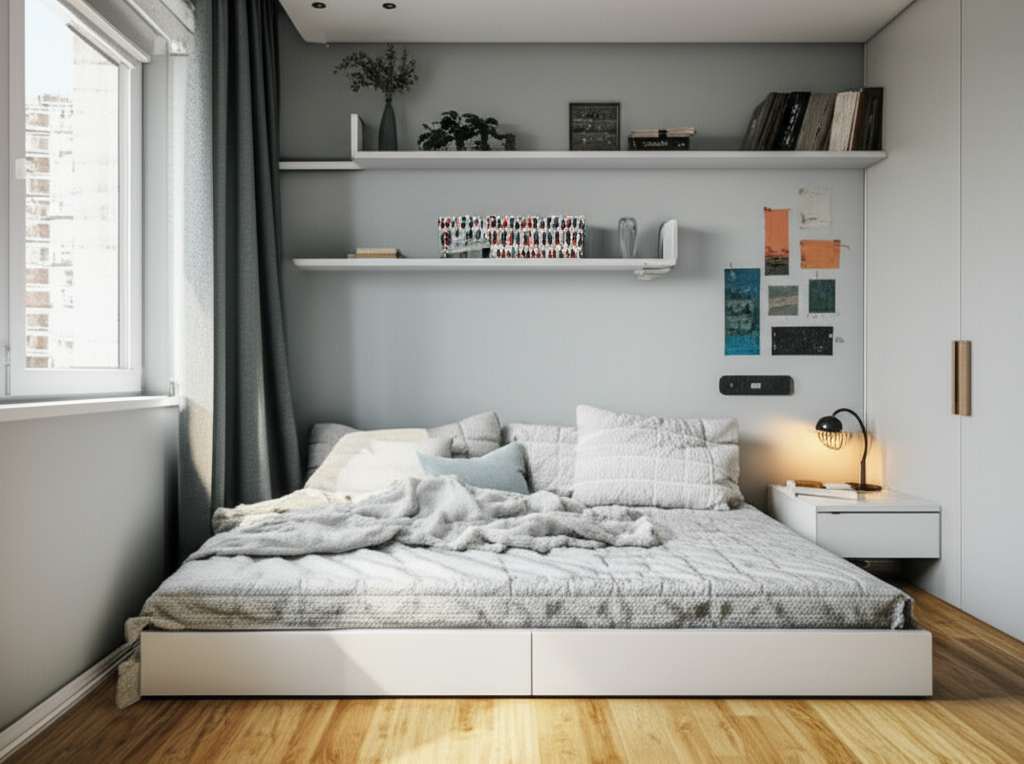
Maximize your small bedroom with clever design! Discover smart storage, multi-functional furniture, and layout tricks to create a stylish, functional, and spacious-feeling sanctuary, even in the tiniest rooms.
Living in a small space doesn’t mean sacrificing style or comfort, especially in your bedroom. It can feel challenging to fit everything you need into a compact room, leaving you with clutter and a sense of being cramped.
But don’t worry! With a few smart strategies, you can transform even the smallest bedroom into a functional and beautiful retreat. We’ll explore easy-to-implement design ideas that will make your bedroom feel bigger and more organized.
Get ready to discover how to make the most of every inch!
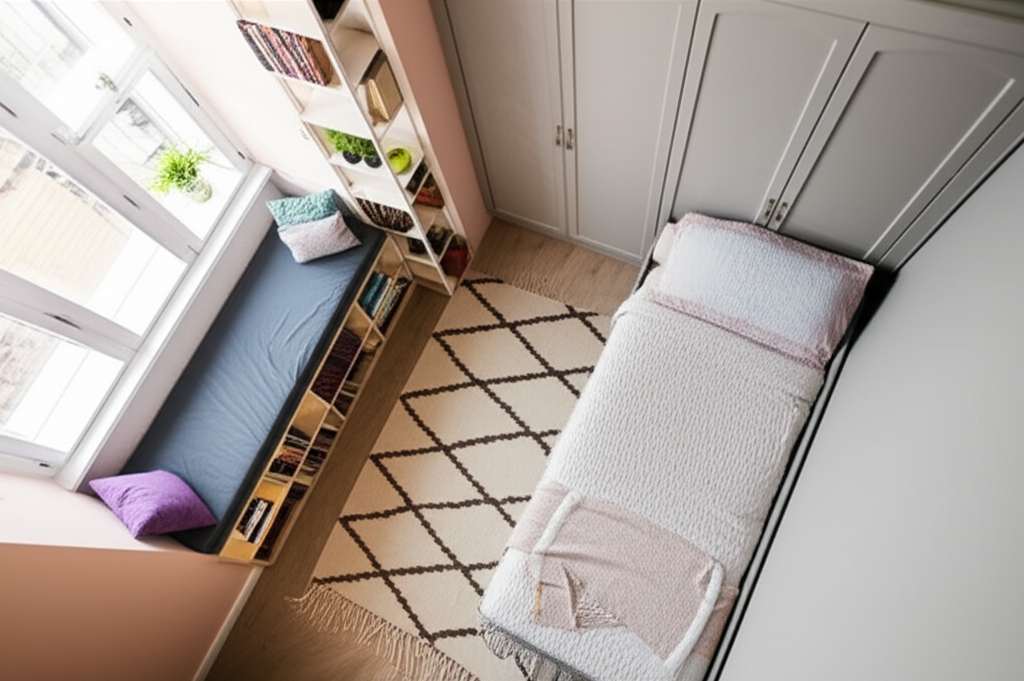
Small Space Saving Bedroom Design Ideas: Clever Solutions for Every Corner
Feeling like your bedroom is more of a closet than a sanctuary? You’re not alone! Many of us deal with limited square footage, but that doesn’t mean we have to live in a cluttered or uninspired space. Small space saving bedroom design ideas are all about working smarter, not harder, with the room you have.
The key is to think vertically, embrace multi-functional pieces, and be strategic with your storage. Let’s dive into some creative solutions that will make your small bedroom feel larger, more organized, and wonderfully stylish. We’ll cover everything from furniture choices to decor tricks that maximize your space without making it feel crowded.
1. Embrace Vertical Storage: Go Up, Not Out!
When floor space is limited, the walls become your best friends. Utilizing vertical space is one of the most effective ways to add storage and keep your bedroom clutter-free. Think about all the unused wall real estate above your bed, beside your dresser, or even in corners.
This is where shelves, wall-mounted units, and tall furniture come into play. They draw the eye upward, making the room feel taller and more expansive, while keeping your belongings neatly tucked away.
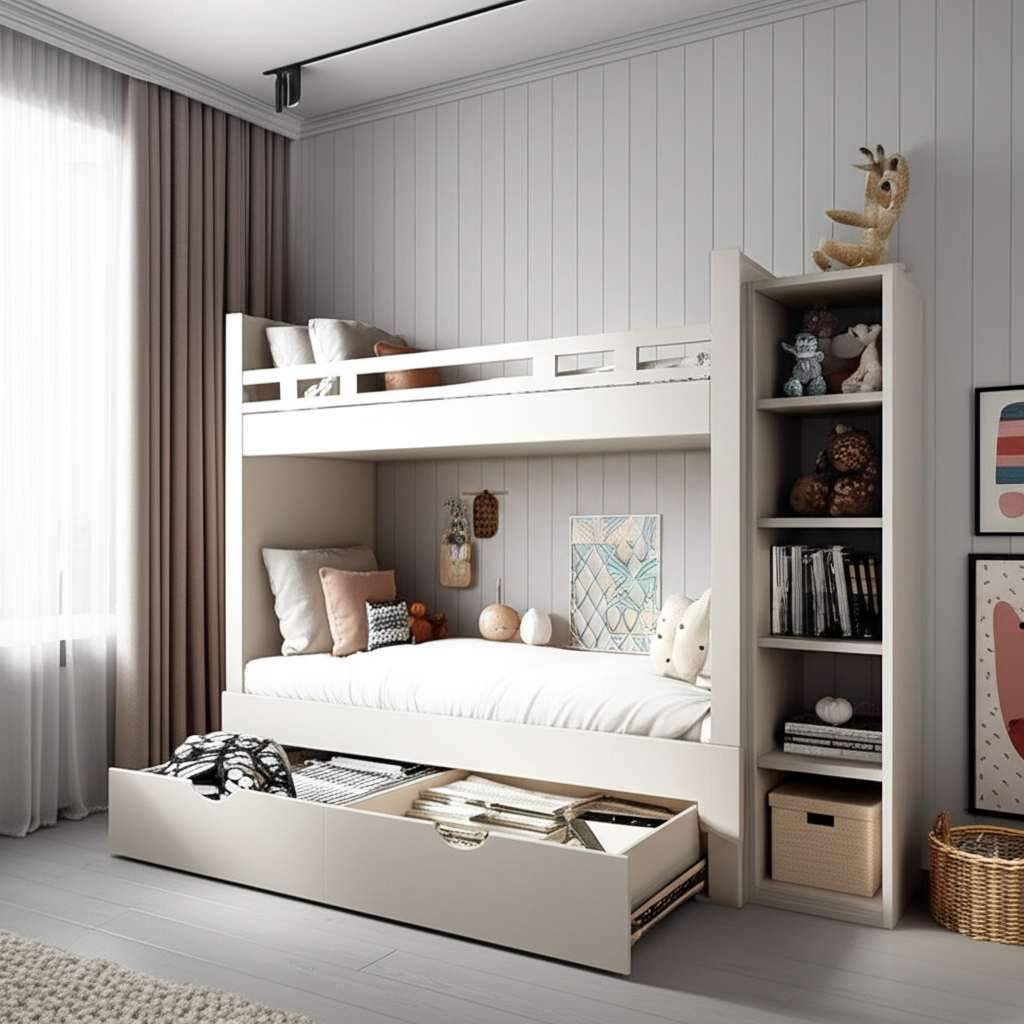
Floating Shelves: The Minimalist’s Choice
Floating shelves are fantastic because they offer storage without the visual bulk of traditional bookcases. They can be installed above your bed for books and decor, beside a desk for office supplies, or even in a corner to display plants and photos. Their sleek design makes them blend seamlessly into any decor style.
Wall-Mounted Headboards with Storage
Instead of a bulky traditional headboard, opt for one that incorporates shelving or cubbies. This provides a cozy place to rest your head and convenient storage for nighttime essentials like books, glasses, or your phone. Some even have built-in lighting, reducing the need for bedside lamps that take up surface space.
Tall, Narrow Bookshelves or Dressers
When choosing storage furniture, look for pieces that are tall and narrow rather than short and wide. A tall dresser or bookshelf will utilize the vertical space more efficiently and can even make your ceiling appear higher. Anchor them securely to the wall for safety, especially in earthquake-prone areas.
Pegboards and Wall Grids
These are incredibly versatile for smaller items. A pegboard can be customized with hooks, shelves, and baskets to hold jewelry, accessories, craft supplies, or even small plants. Wall grids offer a similar customizable solution and can be a stylish way to display photos or notes.
2. Multi-Functional Furniture: Your Space-Saving Superheroes
In a small bedroom, every piece of furniture should ideally serve more than one purpose. Multi-functional items are the secret weapon for maximizing utility without adding clutter. These clever pieces often hide storage or transform to suit different needs.
Investing in furniture that works harder for you will make a huge difference in how functional and organized your bedroom feels. It’s all about getting the most bang for your buck, or rather, the most function for your square footage!
The Storage Bed: A Game Changer
A bed with built-in drawers or a lift-up mattress mechanism is arguably the ultimate space-saving solution for a small bedroom. You can store seasonal clothing, extra bedding, shoes, or anything else you want to keep out of sight. This effectively replaces the need for a bulky dresser or chest of drawers.
For more details on choosing the right bed frame, check out Architectural Digest’s guide.
Ottomans and Benches with Hidden Storage
An ottoman at the foot of your bed or a bench by the window can offer much more than just a place to sit. Many are designed with lift-off lids or drawers, providing ample hidden storage for blankets, pillows, or even toys. They add a decorative touch while solving storage dilemmas.
Nesting Tables
If you need a small desk or a surface for reading, nesting tables are ideal. They can be tucked away when not in use, and pulled out individually or all together when you need extra surface area. This is perfect for a small workspace or a spot to enjoy a cup of tea.
Convertible Furniture (Sofa Beds, Wall Beds)
While less common for a primary bedroom setup, consider these for guest rooms or studios. A sofa bed can serve as seating during the day and a comfortable bed at night. Wall beds (also known as Murphy beds) fold up neatly into the wall, freeing up significant floor space when not in use.
3. Smart Layouts: Arranging for Airiness
The way you arrange your furniture has a massive impact on how spacious your bedroom feels. A well-thought-out layout can create a sense of flow and openness, even in a tiny room. Avoid blocking windows or creating awkward pathways.
Think about the natural light and the primary function of your bedroom – rest and relaxation. Arranging your furniture to maximize these aspects will make a big difference.
Positioning Your Bed
Often, placing the bed against the longest wall is a good starting point. However, sometimes pushing it into a corner can free up valuable floor space and create a cozy nook. If you have a small window, consider if placing the bed under it will make the room feel more open or if it’s better to keep that wall clear.
Creating Zones
Even in a small room, you can create distinct zones. For example, a small corner can be designated as a reading nook with a comfy chair and a small side table. Another area might be a compact vanity or dressing station. Visual separation, even without walls, can make the space feel more organized and intentional.
Keep Walkways Clear
Ensure there’s enough space to move around comfortably. Avoid placing furniture where it obstructs doorways or creates narrow, awkward passages. A clear path makes the room feel larger and more inviting. Aim for at least 2-3 feet of clearance for main walkways.
Consider Furniture Scale
Don’t cram oversized furniture into a small room. Opt for pieces that are proportionate to the size of your bedroom. A massive bed or a bulky dresser will overwhelm the space and make it feel smaller. Look for slender, streamlined furniture designs.
4. Lighting: The Illusion of Space
Good lighting can do wonders for a small room. It can make the space feel brighter, airier, and more welcoming. Conversely, poor lighting can make a room feel dark, cramped, and uninviting.
Layering different types of light and strategically placing them can significantly enhance the perception of space. Think about both natural and artificial light sources.
Maximize Natural Light
Keep window treatments light and airy. Sheer curtains or blinds that can be fully opened will allow maximum natural light to flood the room. Avoid heavy, dark drapes that can make the space feel closed off.
Layer Your Artificial Lighting
Don’t rely on a single overhead light. Use a combination of ambient (general), task (for specific activities), and accent lighting. Wall sconces are excellent for saving bedside table space, and a floor lamp can provide ambient light without taking up much floor area.
Use Mirrors Strategically
Mirrors are a classic trick for making small spaces feel larger. They reflect light and create the illusion of depth. Place a large mirror opposite a window to bounce natural light around the room, or use mirrored furniture to add a touch of glamour and expand the visual space.
Up-lighting and Down-lighting
Consider lighting fixtures that direct light upwards or downwards. Up-lighting can make ceilings appear higher, while down-lighting can create a cozy atmosphere. Avoid harsh, direct overhead lighting that can create unflattering shadows.
5. Color and Decor: Painting a Bigger Picture
The colors and decor you choose play a crucial role in how large or small your bedroom feels. Lighter colors tend to make a space feel more open and airy, while darker colors can make it feel more intimate and cozy. For small spaces, leaning towards lighter palettes is often recommended.
It’s not just about paint colors; the style and scale of your decor items matter too.
Light and Neutral Color Palettes
Whites, creams, light grays, and soft pastels are your best friends in a small bedroom. They reflect light and make the walls recede, creating an illusion of more space. Painting your ceiling a slightly lighter shade than your walls can also make it feel higher.
Monochromatic Schemes
Using varying shades and tints of a single color can create a cohesive and sophisticated look that also expands the space. This avoids visual clutter that can come from too many competing colors.
Minimize Clutter, Maximize Style
A cluttered room always feels smaller. Be ruthless about what you display. Keep surfaces clear and use decorative items sparingly but effectively. Choose a few statement pieces rather than many small trinkets.
Vertical Stripes (Subtle Use)
If you’re considering wallpaper or a painted accent wall, subtle vertical stripes can help draw the eye upwards, making the ceiling appear higher. Use them judiciously, perhaps on one wall, to avoid overwhelming the space.
Scale of Artwork and Decor
Instead of many small pictures, opt for one or two larger pieces of art. This can make a bigger impact and prevent the walls from looking too busy. Ensure your decor items are also scaled appropriately for the room.
6. Smart Storage Solutions: Hiding the Clutter
Beyond furniture, there are countless smaller tricks and items that can help you store things efficiently and keep your bedroom tidy. It’s about finding clever places to tuck things away so they don’t contribute to visual noise.
These solutions are often budget-friendly and can be implemented easily, making a big impact on the overall feel of your room.
Under-Bed Storage Bins
If your bed doesn’t have built-in storage, utilize the space underneath with low-profile bins. Look for ones with wheels for easy access, and choose opaque ones to keep things hidden from view.
Over-the-Door Organizers
These are fantastic for shoes, accessories, toiletries, or cleaning supplies. They hang on the back of your bedroom door and provide multiple pockets or compartments without taking up any wall or floor space.
Drawer Dividers and Organizers
Keep your drawers tidy and maximize their capacity with dividers. This is especially useful for socks, underwear, ties, or office supplies. You can buy these or even make your own from cardboard.
Wall-Mounted Baskets and Cubbies
These are great for storing items like mail, keys, magazines, or even small plants. They add a decorative element while keeping essentials organized and off flat surfaces.
Utilize Corner Space
Corners are often dead space. A corner shelf unit or a small corner cabinet can provide valuable storage without jutting out into the room. You can also place a tall, narrow plant in a corner to add life and visual interest.
Inside Cabinet Doors
Don’t forget the inside of your closet or cabinet doors! You can install small racks for jewelry, scarves, or even a small mirror.
7. Decluttering: The Foundation of Small Space Living
Before you even start buying new furniture or decor, the most important step for any small space is decluttering. Less stuff equals more space, plain and simple. This is the foundation upon which all other small space saving bedroom design ideas are built.
A decluttered room will automatically feel larger, more organized, and more peaceful. It’s about making conscious decisions about what you truly need and love.
The “One In, One Out” Rule
For every new item you bring into your bedroom, commit to getting rid of a similar item. This prevents clutter from accumulating again over time.
Regular Purges
Schedule a decluttering session every few months. Go through your closet, drawers, and surfaces and ask yourself: Have I used this in the last year? Do I love it? Does it serve a purpose?
Categorize and Conquer
When decluttering, group similar items together (e.g., all books, all clothing, all toiletries). This helps you see how much you have of each category and make more informed decisions about what to keep.
Donate, Sell, or Discard
Once you’ve decided what to let go of, have a plan for it. Items in good condition can be donated to charity or sold. Anything broken or beyond repair should be discarded responsibly.
A great resource for learning about mindful consumption and decluttering is The KonMari Method, which focuses on keeping only items that “spark joy.”
Putting It All Together: A Sample Small Bedroom Layout
Let’s visualize how these ideas can come together. Imagine a standard 10×12 foot bedroom, often found in apartments or older homes. Here’s how we might apply some of these principles:
| Area | Furniture/Solution | Space-Saving Benefit |
|---|---|---|
| Bed Area | Queen-size bed with built-in drawers and a minimalist upholstered headboard. | Maximizes storage for linens and clothing; sleek headboard saves visual space. |
| Wardrobe/Dresser | Tall, narrow dresser (3 drawers) placed on the wall opposite the bed. A wall-mounted closet organizer system with shelves and hanging space. | Utilizes vertical space; compact footprint. |
| Bedside | Floating shelf on one side of the bed. Wall-mounted sconce light on the other side. | Keeps surfaces clear; saves floor space. |
| Desk/Vanity | A slim console table or floating desk mounted on the wall in a corner. A folding stool that tucks underneath. | Minimal floor impact; can be used for work or as a dressing area. |
| Window Area | Light, sheer curtains. A small, low bench with hidden storage underneath. | Maximizes natural light; provides extra seating and storage. |
| Walls | Large mirror placed opposite the window. A few strategically placed floating shelves for decor. | Creates illusion of space and light; stylish display without clutter. |
| Color Scheme | Walls painted a soft, light grey. Accents in muted blues and whites. | Expands the feel of the room. |
This layout prioritizes clear pathways, vertical storage, and multi-functional pieces. The focus is on making the room feel open and uncluttered, enhancing both its functionality and its aesthetic appeal.
Frequently Asked Questions (FAQ)
Q1: What is the best way to make a small bedroom feel bigger?
The best way is to use light colors, maximize natural light, utilize vertical storage, and choose furniture that is multi-functional or appropriately scaled for the room. Keeping the space decluttered is also crucial.
Q2: Should I use dark or light colors in a small bedroom?
For most small bedrooms, light and neutral colors are recommended. They reflect light and make the walls appear to recede, creating an illusion of more space. Darker colors can make a room feel cozier but might make a very small space feel cramped if not used strategically.
Q3: What kind of furniture is best for a small bedroom?
Look for multi-functional furniture such as storage beds, ottomans with hidden storage, or nesting tables. Also, opt for pieces that are tall and narrow to maximize vertical space, or slim and streamlined designs to avoid overwhelming the room.
Q4: How can I add storage without making my small bedroom feel cluttered?
Focus on vertical storage like shelves and wall-mounted units. Use under-bed storage bins, over-the-door organizers, and drawer dividers. The key is to keep items out of sight or neatly organized, minimizing visual clutter.
Q5: Is a large mirror a good idea for a small bedroom?
Yes, a large mirror is an excellent tool for small bedrooms. It reflects light and creates the illusion of depth, making the room feel significantly larger and more open. Place it strategically to maximize its effect, ideally opposite a window.
Q6: How important is lighting in a small bedroom?
Lighting is extremely important. Good lighting can make a small bedroom feel brighter, more inviting, and more spacious. Layering different types of light (ambient, task, accent) and maximizing natural light will significantly improve the feel of the room.
Conclusion: Your Small Bedroom, Your Stylish Sanctuary
Designing a small bedroom doesn’t have to be a daunting task. By focusing on smart storage, multi-functional furniture, thoughtful layouts, and strategic decor choices, you can transform even the most compact room into a functional, stylish, and comfortable sanctuary.
Remember, the goal is to make your space work for you. Embrace the challenge, get creative, and don’t be afraid to experiment. With these small space saving bedroom design ideas, you can create a bedroom that feels larger, more organized, and perfectly reflects your personal style. Happy decorating!