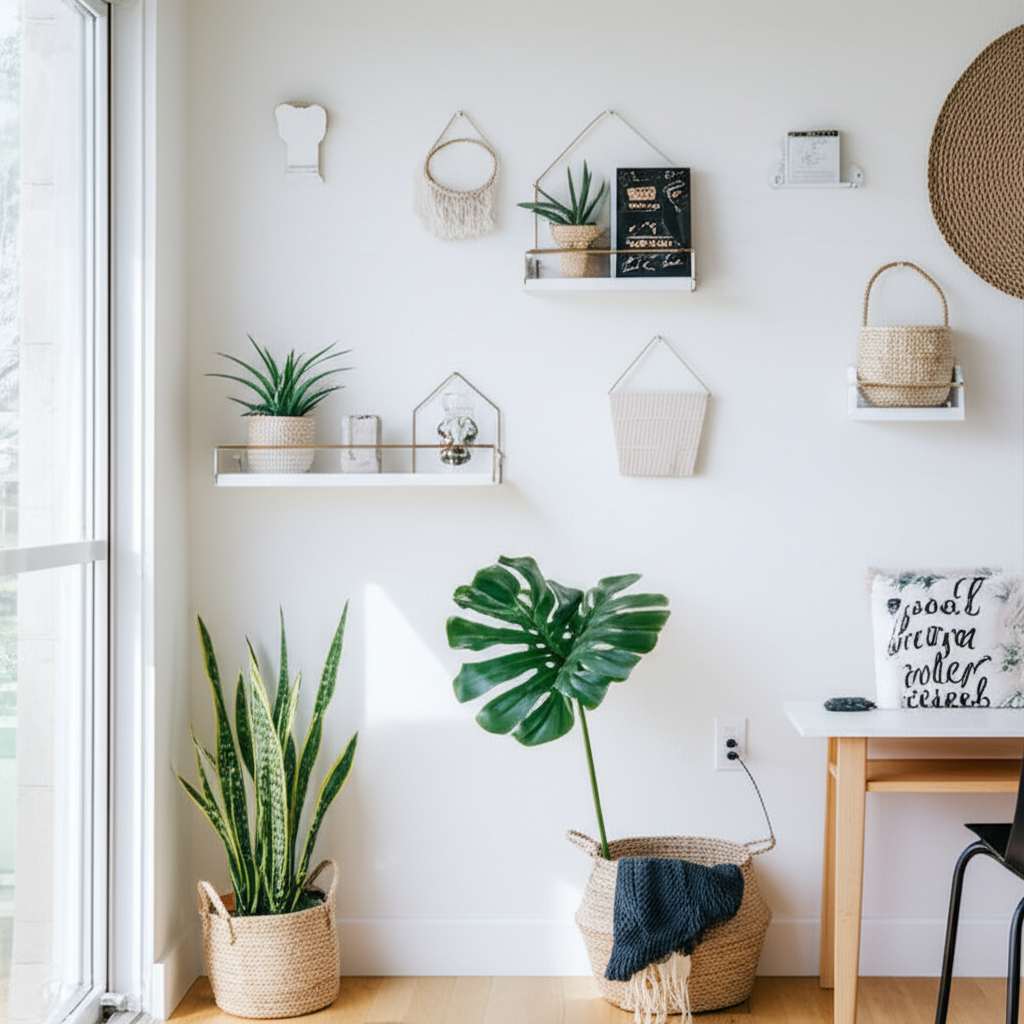
Maximizing your apartment’s potential is achievable with these 5 space-saving room decor ideas. Transform small living areas into functional, stylish, and clutter-free havens with clever design choices that work for any beginner.
Living in an apartment often means working with limited square footage. It’s a common challenge many of us face, and it can feel a little overwhelming when you’re trying to make your cozy space feel both functional and fabulous.
But don’t worry! You don’t need a huge home to create a beautiful and organized living area. With a few smart decorating tricks, you can make your apartment feel much larger and more inviting.
This guide is packed with simple, stylish, and budget-friendly ideas to help you unlock the full potential of your apartment. Let’s dive into how to make every inch count!
5 Space Saving Room Decor Ideas: Essential For Apartments
Making a small apartment feel spacious and stylish is all about smart choices. It’s not about cramming more in, but about choosing pieces and arranging them in ways that create an illusion of more room and maximize the functionality of what you already have.
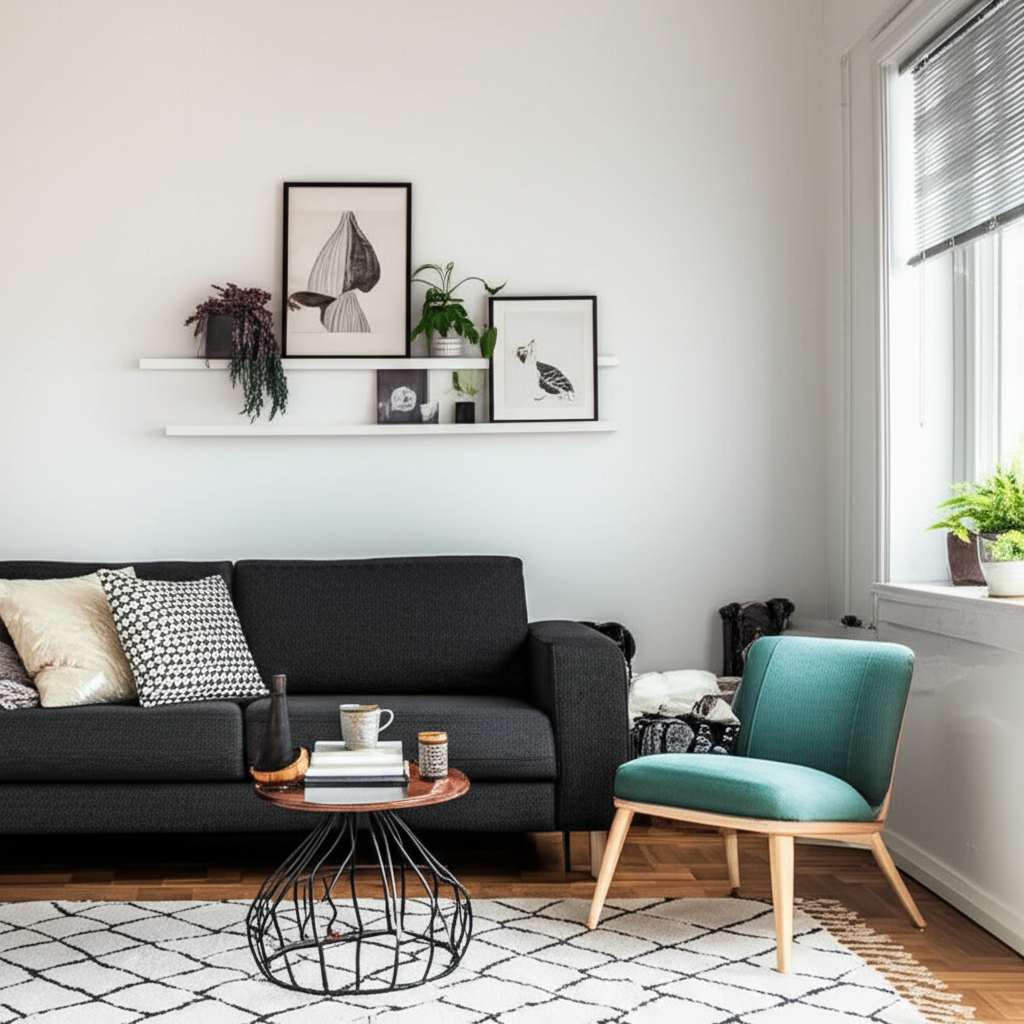
Let’s explore five essential space-saving decor ideas that are perfect for apartment dwellers looking to enhance their living space without sacrificing style or comfort.
1. Embrace Vertical Space with Tall and Narrow Furniture
When floor space is at a premium, looking up is your best friend! Tall and narrow furniture pieces draw the eye upwards, creating a sense of height and making rooms feel more expansive.
Think about shelving units, bookcases, and cabinets that stretch towards the ceiling. These not only provide ample storage but also add a strong vertical element that can visually enlarge a room. Instead of a wide, short bookshelf that eats up valuable floor real estate, opt for a slender, tall one. This can store books, decorative items, and even plants without dominating the room.
Why Tall and Narrow Furniture Works Wonders
Draws the Eye Upward: This creates an illusion of higher ceilings and a more open feel.
Maximizes Storage: You get more storage capacity without taking up much floor space.
Reduces Clutter: Having designated vertical storage helps keep surfaces clear and the room tidy.
Adds Architectural Interest: Tall pieces can become a focal point in your decor.
Consider a tall, narrow étagère (an open shelving unit) for your living room to display plants, books, and decorative objects. In the bedroom, a tall dresser can offer significant storage without a large footprint. Even in the kitchen, consider wall-mounted spice racks or narrow pantry cabinets that utilize vertical space effectively. For more inspiration on smart kitchen organization, check out our guide on stylish kitchen storage accessories.
For a more cohesive look, choose furniture in lighter colors or materials like light wood or metal. This will help maintain an airy feel. You can also anchor these tall pieces with a rug or artwork to define their space within the room.
2. Get Smart with Multi-Functional Furniture
In small apartments, every piece of furniture should ideally serve more than one purpose. Multi-functional furniture is a game-changer for maximizing utility and minimizing the need for extra items.
A sofa bed is a classic example, instantly turning your living room into a guest room. But there are many other clever options. Ottomans with hidden storage can hold blankets, magazines, or remotes, and also double as extra seating or a coffee table when topped with a tray. Nesting tables are fantastic for living rooms; they can be stacked away when not in use, providing flexible surface area when needed.
Clever Multi-Functional Furniture Ideas
Sofa Beds/Futons: Perfect for accommodating guests without a dedicated guest room.
Storage Ottomans/Benches: Provide hidden storage and extra seating or a footrest.
Nesting Tables: Offer flexible surface space that can be tucked away.
Lift-Top Coffee Tables: Can be raised to a dining height for eating or working, often with storage underneath.
Wall-Mounted Desks/Tables: Fold up when not in use, freeing up floor space.
Bed Frames with Built-in Storage: Drawers or lift-up mechanisms under the mattress are ideal for storing linens, out-of-season clothes, or extra bedding.
When selecting multi-functional furniture, pay attention to the scale. Ensure the pieces fit comfortably within your space even when used in their various capacities. For example, a large storage ottoman might be great, but if it takes up too much room to walk around, it defeats the purpose.
A bed with under-bed storage drawers is a must-have for any bedroom. This is prime real estate for stowing away linens, seasonal clothing, or anything you don’t need regular access to. You can find stylish bed frames that incorporate these drawers seamlessly, looking like any other attractive bed frame at first glance.
3. Utilize Wall-Mounted Solutions and Floating Shelves
Wall space is often underutilized in apartments. By mounting items on the walls, you free up valuable floor space, making rooms feel larger and more organized. This is especially effective for storage and display.
Floating shelves are incredibly versatile. They can be used in any room to store books, display decor, hold plants, or even act as a minimalist bedside table. Unlike bulky bookcases, floating shelves appear to “float” on the wall, creating a light and airy feel.
Transform Your Walls with Smart Solutions
Floating Shelves: Ideal for displaying decor, books, or creating a minimalist nightstand.
Wall-Mounted Desks: A great way to create a workspace without taking up floor space. Many can fold up when not in use.
Wall-Mounted TV Units: Keep your television and media equipment off the floor, reducing visual clutter.
Pegboards: Customizable and great for organizing kitchens, craft areas, or entryways.
Hanging Organizers: Utilize vertical space on doors or in closets for shoes, accessories, or cleaning supplies.
Consider installing a wall-mounted desk in a corner of your living room or bedroom. When not in use, it can fold away, leaving the floor clear. This is perfect for those who work from home or students who need a dedicated study area. For an entryway, a wall-mounted coat rack and a slim floating shelf for keys and mail can make a big difference.
A great resource for understanding how to safely install shelves and mounting hardware is found on the This Old House website, which offers detailed guides for DIYers. Always ensure you are using appropriate hardware for your wall type (drywall, plaster, concrete) to guarantee stability and safety.
4. Choose Light Colors and Mirrors to Create an Illusion of Space
The colors and reflective surfaces you use in your decor have a significant impact on how spacious a room feels. Light colors and strategically placed mirrors can work wonders to make a small apartment feel larger and brighter.
Painting walls in soft, neutral tones like white, cream, light gray, or pale pastels reflects light, making the room feel more open and airy. Dark colors tend to absorb light and can make a room feel smaller and more enclosed.
Color and Mirror Magic for Small Spaces
Light Paint Colors: Whites, creams, light grays, and pastels bounce light around.
Mirrors: Reflect light and create the illusion of depth and more space.
Monochromatic Schemes: Using varying shades of one light color can make a room feel cohesive and expansive.
Glossy Finishes: Semi-gloss or high-gloss paint on trim or furniture can reflect light.
Mirrors are one of the most effective tools for making a small space feel bigger. Place a large mirror opposite a window to reflect natural light and the view outside, instantly expanding the perceived size of the room. A floor-length mirror leaning against a wall can also add significant depth.
You can also use mirrors as decorative elements. A collection of smaller mirrors grouped together can create a beautiful focal point while still offering reflective benefits. Consider mirrored furniture or cabinet fronts for an added touch of glamour and space-enhancing effect. For a cohesive look in your kitchen, explore our white kitchen decor ideas that emphasize light and openness.
When choosing furniture, opt for pieces with lighter upholstery and finishes. A light-colored sofa or armchair can make a significant difference compared to dark, heavy pieces. Even the color of your curtains can play a role; sheer, light-colored curtains allow more natural light to enter the room.
5. Declutter Ruthlessly and Organize Smartly
Perhaps the most crucial space-saving strategy is simply having less stuff. Clutter is the enemy of small spaces, making them feel cramped and chaotic. A minimalist approach to belongings, combined with smart organization, can dramatically transform your apartment.
Regularly go through your belongings and donate, sell, or discard anything you no longer need or use. Be honest with yourself about what truly adds value to your life and your home. The less you have, the more spacious your rooms will feel.
Decluttering and Organizing Tips for Apartment Living
Regular Purges: Schedule time every few months to declutter.
“One In, One Out” Rule: For every new item you bring in, get rid of an old one.
Vertical Storage Solutions: Use shelves, wall hooks, and over-the-door organizers.
Drawer Dividers and Bins: Keep smaller items organized within drawers and cabinets.
Clear Containers: Use clear bins so you can easily see what’s inside.
* Designated Homes: Ensure every item has a specific place to live.
Once you’ve decluttered, invest in smart organizational tools. Drawer dividers can keep kitchen utensils or desk supplies tidy. Baskets and bins are perfect for corralling items on shelves or in closets. Use clear containers for pantry items so you can easily see what you have and what you need. For a minimalist kitchen that supports clutter-free living, see our list of minimalist kitchen essentials.
Think about organizing by category. Keep all your office supplies together, all your cleaning products together, and all your toiletries together. This not only makes things easier to find but also prevents duplicate purchases. For clothing, consider using slim hangers to maximize closet space. Rolling clothes instead of folding them can also save space in drawers.
For more in-depth advice on decluttering and organizing, resources from organizations like the U.S. Environmental Protection Agency (EPA) offer excellent guidance on waste reduction and mindful consumption, which are foundational to maintaining a clutter-free space.
Making Your Small Apartment Feel Big: A Summary Table
To help you visualize these strategies, here’s a quick overview of how each idea contributes to a more spacious feel:
| Space-Saving Idea | Primary Benefit | How it Works | Best For |
|---|---|---|---|
| Vertical Furniture | Maximizes Storage & Creates Height | Draws the eye up, uses wall space efficiently. | Books, decor, general storage. |
| Multi-Functional Furniture | Increases Utility & Reduces Item Count | Serves multiple purposes (e.g., storage + seating). | Living rooms, bedrooms, guest spaces. |
| Wall-Mounted Solutions | Frees Up Floor Space & Organizes | Utilizes walls for storage and surfaces. | Workspaces, entertainment centers, entryways. |
| Light Colors & Mirrors | Creates Illusion of Space & Brightness | Reflects light, expands visual depth. | Walls, furniture, decorative accents. |
| Declutter & Organize | Reduces Clutter & Enhances Functionality | Minimizes possessions, assigns items a place. | All areas of the apartment. |
Frequently Asked Questions About Space-Saving Apartment Decor
Here are some common questions beginners have about decorating small apartments:
Q1: How can I make a very small living room feel bigger without buying new furniture?
A1: Focus on decluttering first! Rearrange your existing furniture to create better flow. Use mirrors to reflect light and add depth. Opt for lighter-colored throws and cushions, and ensure good lighting. Clearing surfaces of unnecessary items can also make a huge difference.
Q2: What is the best type of rug for a small apartment?
A2: Lighter-colored rugs or those with a simple, less busy pattern can make a room feel more open. A rug that is appropriately sized for the space (not too small that it floats in the middle, and not too large that it overwhelms the room) is key. Consider a rug that defines a specific zone, like your seating area.
Q3: How do I choose the right size furniture for a small space?
A3: Measure your space carefully before you shop! Look for furniture with slimmer profiles and legs that elevate them off the floor, creating a sense of airiness. Avoid oversized, bulky pieces. Think about scale – a dainty chair might look lost, but an overly massive sofa will dominate.
Q4: Are dark colors really bad for small rooms?
A4: While light colors are generally recommended for making a room feel larger, dark colors can be used strategically. A dark accent wall can add depth, or you can use dark colors in a very well-lit room with plenty of reflective surfaces. However, for beginners aiming for a sense of spaciousness, sticking to lighter palettes is usually a safer bet.
Q5: How can I store seasonal items like extra blankets or winter coats without taking up too much space?
A5: Utilize under-bed storage bins, vacuum-seal bags to compress bulky items, and over-the-door organizers. Multi-functional furniture like storage ottomans are also perfect for this. If you have a tall closet, consider adding extra shelves or using stackable bins.
Q6: Is it okay to have a lot of plants in a small apartment?
A6: Yes! Plants can add life and color without making a space feel cluttered, especially if you use vertical space. Hanging plants, wall-mounted planters, and tall, slender plants can add greenery without taking up much floor space. Just ensure they don’t block pathways or essential furniture.
Q7: What’s the biggest mistake people make when decorating small apartments?
A7: The biggest mistake is usually trying to fit too much into the space or choosing furniture that is too large. Overcrowding and ignoring the importance of negative space (empty areas) can make even a well-decorated small apartment feel cramped and chaotic. Also, not utilizing vertical space is a common missed opportunity.
Conclusion
Transforming a small apartment into a functional, stylish, and spacious-feeling home is entirely achievable with the right approach. By embracing vertical space, opting for multi-functional furniture, utilizing wall-mounted solutions, choosing light colors and mirrors, and committing to regular decluttering, you can create a living environment that feels much larger and more organized.
Remember, decorating your apartment is a journey, not a race. Start with these practical and creative ideas, and don’t be afraid to experiment. The goal is to make your space work for you, reflecting your personality while maximizing every square inch. You’ve got this!