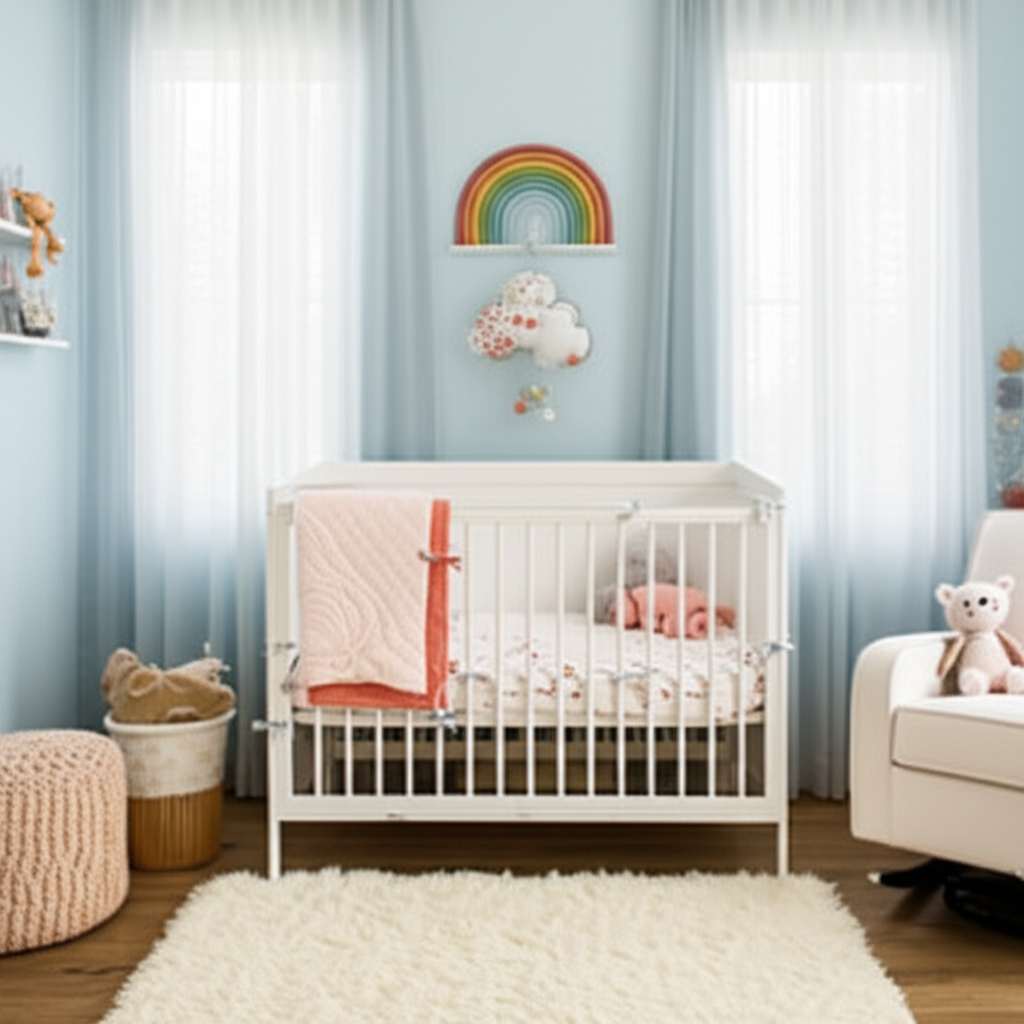
Transform your baby’s nursery into a dreamy haven with these 10 essential decorating ideas. This guide offers simple, stylish, and budget-friendly tips for creating a beautiful and functional space for your little one, even if you’re a beginner.
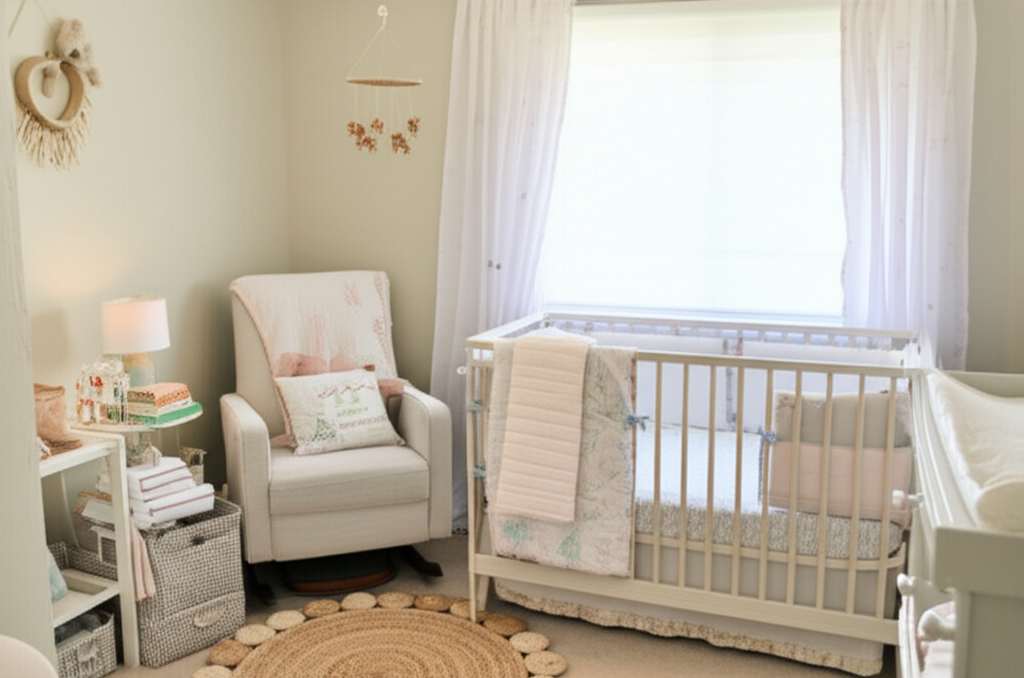
Welcoming a new baby is an incredibly exciting time, and creating their first room is a special part of that journey. But where do you even begin with decorating a nursery? It’s easy to feel overwhelmed by all the choices, from paint colors to furniture and those adorable little accents.
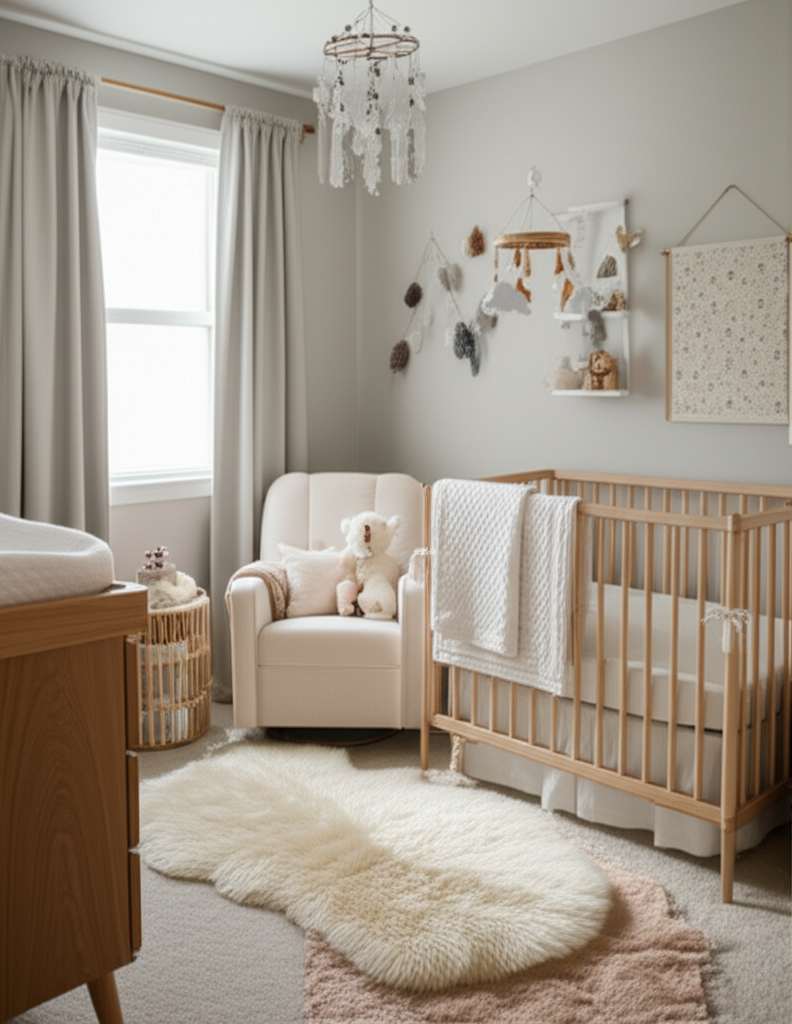
You want a space that’s not just beautiful, but also safe, cozy, and functional for both baby and parents. Don’t worry, this guide is here to help! We’ll break down 10 dreamy nursery decorating ideas that are easy to implement and perfect for beginners.
Get ready to create a nursery that you and your little one will love. Let’s dive into some inspiration that will make this process fun and stress-free!
10 Dreamy Baby Nursery Decorating Ideas You’ll Love
Creating a nursery that feels magical for your little one doesn’t have to be complicated or expensive. These 10 ideas focus on creating a serene, functional, and beautiful space. We’ll cover everything from choosing a color palette to adding those special touches that make a room feel complete.
1. Choose a Soothing Color Palette
The colors in your baby’s nursery play a big role in setting the mood. Think soft, calming hues that promote relaxation and peaceful sleep. Pastels like baby blue, mint green, soft pink, and pale yellow are classic choices. Neutrals such as warm beige, soft gray, and creamy white also work beautifully and offer a versatile backdrop for other decor elements.
Consider a theme that inspires your color choices. For example, a “Twinkle Twinkle Little Star” theme might call for soft blues and yellows, while a “Woodland Creatures” theme could lean towards earthy greens and browns. Having a cohesive color scheme ties everything together and makes the room feel intentionally designed.
You can also introduce color through accent walls, rugs, or decorative items. This allows you to experiment with bolder shades without overwhelming the space. For more on color psychology in design, check out resources from institutions like the University of Colorado Boulder, which discusses how colors can influence emotions.
2. Create a Cozy Reading Nook
Every nursery needs a special spot for cuddles and storytime. A cozy reading nook is perfect for bonding with your baby. This can be as simple as a comfortable armchair or glider placed in a corner, accompanied by a soft rug and a side table for essentials like a lamp and a stack of books.
Add plush pillows and a soft throw blanket to make the seating extra inviting. If space is limited, consider a floor cushion or a beanbag chair. The key is to create a comfortable and inviting space where you’ll want to spend time.
Don’t forget good lighting! A floor lamp with a warm bulb or a small table lamp can provide gentle illumination for reading, especially during nighttime feedings. This little corner becomes a cherished spot for both parent and child.
3. Smart Storage Solutions are Key
Babies come with a lot of stuff! Diapers, clothes, toys, books – it all adds up quickly. Smart storage is essential for keeping the nursery tidy and functional. Think about versatile furniture pieces that offer storage, like a crib with built-in drawers or a changing table with shelves.
Wall shelves are fantastic for displaying books and decorative items while keeping them out of reach. Baskets and bins are also your best friends. Use them for toys, blankets, or diapers. Labeling baskets can help keep things organized and make it easier to find what you need in a hurry.
Consider vertical space by using wall-mounted organizers or tiered shelving units. This is especially helpful in smaller rooms. A well-organized nursery reduces clutter, making the space feel more peaceful and less stressful to manage. For practical storage tips, the U.S. Department of Housing and Urban Development (HUD) offers general home organization advice that can be adapted for a nursery. If you’re looking for stylish and functional storage ideas for other rooms, explore our guide on stylish kitchen storage accessories.
4. Invest in a Comfortable Glider or Rocking Chair
This is likely where you’ll spend a lot of time soothing your baby, feeding them, and simply enjoying quiet moments together. Prioritize comfort! A good glider or rocking chair is a nursery essential.
Look for one with good lumbar support and armrests. Swivel and recline features can be incredibly helpful. Consider the fabric – something soft, durable, and easy to clean is ideal. Many nurseries also benefit from a matching ottoman for extra comfort.
While comfort is paramount, don’t forget about style. Gliders and rocking chairs come in a wide range of designs, from modern to traditional, so you can find one that complements your nursery’s overall aesthetic. This piece of furniture is an investment in your comfort as much as your baby’s.
5. Layer Your Lighting for Ambiance
Good lighting is crucial in a nursery, but it’s not just about brightness. Layering your lighting creates different moods and functionalities. You’ll want a main overhead light for general illumination, but also softer options for nighttime.
A dimmer switch on the main light is a game-changer, allowing you to adjust the brightness without startling your baby. Add a floor lamp or a table lamp near the glider for feeding and reading. A small nightlight can provide a gentle glow, making it easier to navigate the room without turning on bright lights.
Consider the color temperature of your bulbs. Warm white bulbs (around 2700K) create a cozy, relaxing atmosphere, while cooler white bulbs can feel more energizing. For a guide on bulb types, the U.S. Department of Energy provides information on lighting basics.
6. Introduce Soft Textures and Cozy Fabrics
Babies are sensitive to textures, and soft, comforting fabrics can make their room feel more inviting. Think plush rugs, soft blankets, and gentle fabrics for bedding and curtains. These elements add warmth and a sense of security to the space.
A soft rug underfoot can make nighttime diaper changes or floor play more comfortable. Consider materials like cotton, wool, or faux fur for rugs and throws. For bedding, opt for breathable fabrics like organic cotton. Curtains made from soft, textured materials can also add a touch of luxury and help with light control.
Don’t be afraid to mix and match textures. A chunky knit throw paired with a smooth cotton quilt can create visual interest and a cozy feel. These tactile elements contribute significantly to the dreamy ambiance of the nursery.
7. Personalize with Wall Art and Decor
This is where you can really let your personality shine and make the nursery unique. Wall art is a fantastic way to add color, theme, and personal touches. Consider framed prints, a mobile, or even a whimsical decal.
Think about themes that are meaningful to you. It could be animals, nature, stars, or even something abstract. You can create a gallery wall with a mix of framed art, photos of family, and decorative letters. Ensure that any wall decor is securely fastened and out of reach of your baby.
Personal touches make the room feel special. Consider a custom name sign for above the crib or a piece of art that reflects your heritage. These elements transform a generic room into a cherished nursery. For more inspiration on wall decor, check out our collection of kitchen wall art ideas that demonstrate how creative displays can elevate any space.
8. Don’t Forget the Window Treatments
Window treatments are more than just decorative; they’re crucial for controlling light and privacy. Blackout curtains are a must-have for a nursery. They help block out sunlight, which is essential for ensuring your baby gets restful sleep during naps and at night.
Choose curtains that complement your color scheme and overall decor. You can opt for solid colors, subtle patterns, or even textured fabrics. Consider layering sheer curtains over blackout curtains to allow for diffused natural light during the day while still providing privacy.
Safety is paramount with window treatments. Ensure that any cords are securely tied up and out of reach of your child. Many modern blinds and shades come with cordless options, which are the safest choice. The Consumer Product Safety Commission (CPSC) offers important safety guidelines on window covering safety.
9. A Functional Changing Station is Essential
A dedicated and well-organized changing station makes diaper duty much easier. This can be part of a dresser, a separate changing table, or even a wall-mounted unit. Ensure it’s at a comfortable height for you and has everything you need within easy reach.
You’ll need a changing pad with a waterproof cover. Keep a supply of diapers, wipes, creams, and a small trash can nearby. Storage bins or drawers are perfect for organizing these essentials. Consider a small basket on top for frequently used items.
Safety first! Always use the safety straps on the changing pad and never leave your baby unattended on the changing surface, even for a second. A well-equipped changing station saves time and reduces stress during those frequent diaper changes.
10. Add a Touch of Whimsy with a Mobile
A crib mobile is a classic nursery accessory that adds visual interest and can be a source of gentle entertainment for your baby. Choose a mobile that fits your theme and color palette. It can be made of felt, wood, or fabric, with shapes like stars, clouds, animals, or geometric patterns.
Ensure the mobile is securely attached to the crib and is positioned so your baby can’t reach it. As your baby grows, you’ll want to remove it to prevent any entanglement risks. Look for mobiles with slow, gentle movement that can help soothe your baby.
Some mobiles also play soft lullabies, adding another layer of calming ambiance. A beautiful mobile can be a focal point in the nursery and a lovely decorative element. Remember, safety is key; ensure it’s firmly attached and removed when the baby can reach it.
Nursery Decorating Ideas: A Quick Comparison
Here’s a look at some of the key elements to consider when decorating your dreamy baby nursery, with a focus on practicality and impact.
| Decorating Idea | Key Benefit | Beginner Friendliness | Budget Tip |
|---|---|---|---|
| Soothing Color Palette | Creates a calming atmosphere | High – choose neutrals or pastels | Paint is relatively inexpensive |
| Cozy Reading Nook | Facilitates bonding and relaxation | High – repurpose existing chair | Use throws and pillows you already own |
| Smart Storage Solutions | Reduces clutter, promotes tidiness | Medium – requires planning | Utilize baskets and DIY shelves |
| Comfortable Glider/Rocking Chair | Essential for feeding and soothing | High – focus on comfort | Look for floor models or secondhand |
| Layered Lighting | Sets ambiance, functional for night | High – add lamps and dimmers | Use LED bulbs for energy savings |
| Soft Textures | Adds warmth and coziness | High – easy to incorporate | DIY blankets or thrifted pillows |
| Personalized Wall Art | Adds character and personality | High – DIY or simple prints | Print photos or create your own art |
| Effective Window Treatments | Controls light and ensures sleep | Medium – blackout is key | Buy ready-made curtains |
| Functional Changing Station | Streamlines diaper changes | High – prioritize accessibility | Use a dresser with a topper |
| Whimsical Crib Mobile | Visual stimulation and decor | High – easy to hang | DIY mobile from felt or paper |
Frequently Asked Questions (FAQ)
Here are some common questions new parents have about decorating a baby nursery:
Q1: What are the safest paint colors for a baby nursery?
The safest paint colors are generally low-VOC or zero-VOC (volatile organic compounds) paints. These paints release fewer harmful chemicals into the air, which is better for your baby’s developing respiratory system. Brands like Benjamin Moore and Sherwin-Williams offer excellent eco-friendly options. Color choice is more about mood; calming colors like soft blues, greens, grays, and whites are recommended for a serene environment.
Q2: How much space do I really need for a nursery?
You don’t need a huge room to create a functional and beautiful nursery. Even a small corner of a room can be adapted. The key is smart planning and utilizing vertical space. Focus on essential furniture like a crib, a changing area, and comfortable seating. Efficient storage solutions are vital for making a smaller space work.
Q3: Should I pick a theme for the nursery?
A theme can be a great starting point for nursery decorating, helping you choose colors, furniture, and accessories. However, it’s not essential. You can also create a beautiful and cohesive nursery by focusing on a color palette and a few key decorative elements that you love. The most important thing is to create a space that feels calm, safe, and nurturing.
Q4: What are the most important pieces of furniture for a nursery?
The absolute essentials are a safe crib or bassinet, a comfortable and secure changing station (which can be a dresser with a changing pad), and a comfortable chair for feeding and soothing (like a glider or rocking chair). After these, consider storage solutions like a dresser or shelving unit.
Q5: How can I make the nursery gender-neutral?
To create a gender-neutral nursery, focus on a neutral color palette like beige, gray, white, or soft yellow. Incorporate natural elements like wood tones, plants (ensure they are non-toxic and out of reach), and animal motifs. Soft greens and blues are also excellent gender-neutral choices. You can add pops of color with accessories that can be easily changed later.
Q6: When should I start decorating the nursery?
Many parents start decorating during the second trimester of pregnancy, giving them plenty of time to plan, shop, and assemble furniture. It’s a good idea to have the nursery ready by the time you enter your third trimester, so you can relax and prepare for the baby’s arrival without the stress of last-minute decorating.
Q7: How can I save money on nursery decor?
You can save money by shopping secondhand for furniture like cribs (ensure they meet current safety standards) and dressers, DIYing some decor items like wall art or mobiles, using affordable storage solutions like fabric bins, and focusing on a few key, impactful pieces rather than filling the room with many small items. Paint is also a budget-friendly way to make a big impact. For more budget-friendly home ideas, see our tips on minimalist kitchen essentials that prove simplicity can be stylish and economical.
Conclusion
Decorating your baby’s nursery is a wonderful opportunity to create a special space filled with love and care. By focusing on these 10 dreamy decorating ideas, you can build a room that is not only beautiful and stylish but also incredibly functional and calming for both you and your little one.
Remember, the goal is to create a sanctuary. Prioritize comfort, safety, and smart organization. Don’t be afraid to infuse your personality into the space with thoughtful touches and personal decor. Whether you choose a serene color palette, a cozy reading nook, or whimsical wall art, each element contributes to the overall magic of the nursery.
Start with these essential ideas, adapt them to your budget and space, and enjoy the process. You’ve got this! Soon, you’ll have a dreamy nursery ready for all those precious moments with your new baby.