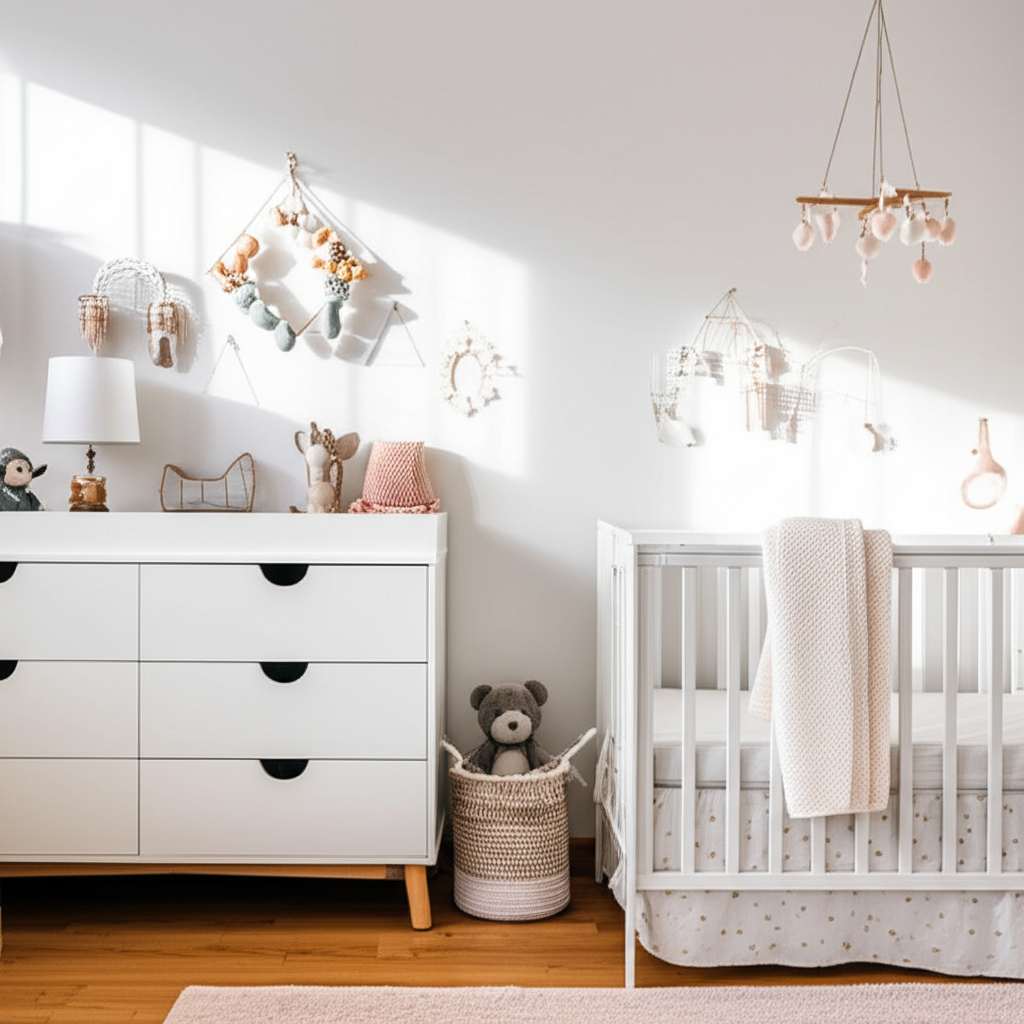
Create a serene and functional shared space for you and your little one with these 5 calming mom and baby room decor ideas. Focus on comfort, organization, and a peaceful atmosphere to make your shared room a haven for both of you.
Welcoming a new baby is a joyous time, but it can also bring a lot of adjustments, especially when it comes to sleeping arrangements. Sharing a room with your little one might feel a bit daunting at first, and figuring out how to make the space both calming for baby and functional for you can be a puzzle.
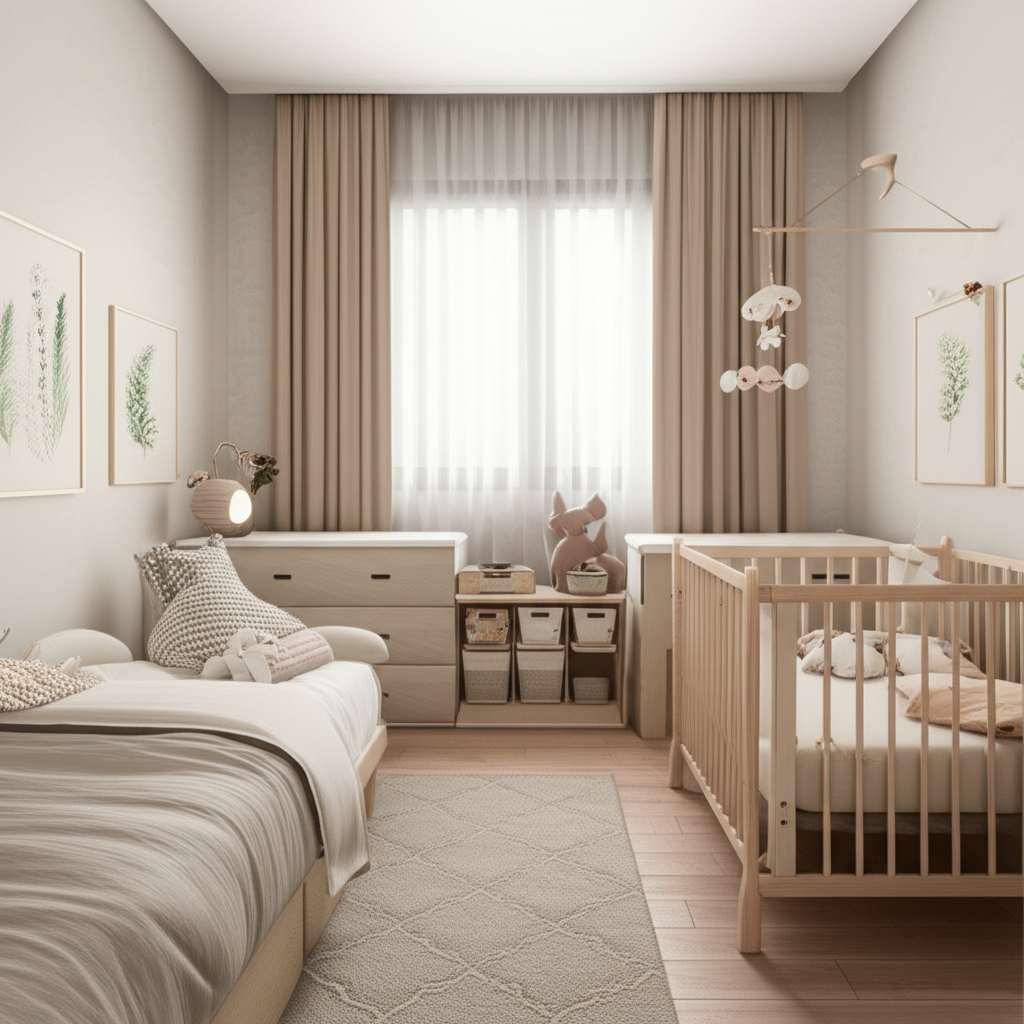
You want a room that promotes restful sleep, feels organized, and still has a touch of your personal style. It’s about creating a peaceful sanctuary where you can both relax and recharge.
Don’t worry! Designing a beautiful and tranquil shared room is totally achievable. We’ll walk through five essential decor ideas that will transform your space into a serene haven, making those precious moments together even more special.
5 Calming Shared Room Ideas for Mom & Baby
Creating a shared living space that works for both a new mom and a baby requires a thoughtful approach. The goal is to foster an environment of calm, facilitate easy nighttime feedings and diaper changes, and ensure both of you get as much rest as possible. Here are five essential decor ideas to help you achieve just that.
1. Soft, Neutral Color Palette: The Foundation of Serenity
The colors in a room have a powerful impact on mood and relaxation. For a mom and baby shared room, opting for a soft, neutral color palette is key to creating a calming atmosphere. Think gentle whites, creamy beiges, muted grays, and soft pastels like blush pink, baby blue, or mint green.
These colors are not only soothing to the eyes but also create a versatile backdrop that won’t overstimulate your baby. They also make the room feel more spacious and airy, which is a bonus for any room size. You can easily add pops of color through accessories like throw pillows, blankets, or wall art without overwhelming the senses.
For instance, a soft dove gray on the walls can be beautifully complemented by warm wooden furniture and crisp white bedding. This creates a sophisticated yet serene feel. Avoid harsh, bright, or overly saturated colors, as they can be stimulating and disrupt sleep patterns for both of you.
When choosing paint colors, consider low-VOC (volatile organic compound) paints. The U.S. Environmental Protection Agency (EPA) provides valuable information on the benefits of these paints for indoor air quality, which is especially important for a baby’s sensitive system. If you’re inspired by natural, earthy tones, explore our guide on warm kitchen color ideas for complementary palette inspiration.
Tips for Implementing a Neutral Palette:
- Walls: Opt for light, muted tones like off-white, pale gray, or a soft beige.
- Bedding: Choose natural fabrics in neutral colors for your bed and the baby’s crib.
- Furniture: Wood tones, white, or light gray furniture pieces blend seamlessly.
- Accents: Introduce subtle color through decorative items like rugs, curtains, or artwork.
2. Smart Storage Solutions: Declutter for Peace of Mind
With a new baby comes a lot of gear! Diapers, wipes, extra clothes, toys, blankets – the list goes on. Effective storage is crucial for maintaining a calm and organized shared room. Clutter can lead to stress, making it harder to relax and care for your baby.
Think about vertical storage to maximize space. Tall bookshelves, wall-mounted shelves, and over-the-door organizers can be game-changers. Baskets and decorative bins are excellent for keeping smaller items tidy and within easy reach. Consider furniture that doubles as storage, like an ottoman with a hidden compartment or a crib with built-in drawers.
A dedicated changing station with accessible drawers for diapers and wipes is essential. A portable changing pad on top of a dresser can serve this purpose, keeping everything you need in one spot. This minimizes frantic searches during late-night diaper changes.
For mom, a stylish yet functional dresser or wardrobe is important for keeping your clothes and essentials organized. Keeping the floor clear of clutter also makes the room feel larger and more peaceful. Regularly decluttering and having designated spots for everything will make a huge difference. For more clever organization hacks, check out our roundup of stylish kitchen storage accessories that can inspire similar solutions for your nursery.
Key Storage Elements to Consider:
| Item | Benefit | Placement Idea |
|---|---|---|
| Baskets & Bins | Organize small items (toys, burp cloths, lotions) | On shelves, in drawers, on the floor |
| Wall Shelves | Maximize vertical space for books, decor, essentials | Above the crib (safely out of reach), above dresser |
| Storage Ottoman | Hidden storage for blankets, extra bedding | At the foot of the bed or in a corner |
| Dresser with Drawers | Store baby clothes, diapers, wipes | Central to the changing station |
| Over-the-Door Organizer | Keep frequently used items accessible | On the closet door or bedroom door |
3. Layered Lighting: Creating Ambiance for Sleep and Wakefulness
Lighting plays a vital role in setting the mood of a room, and in a shared mom and baby space, it’s essential for both soothing sleep and gentle awakenings. Harsh, bright overhead lights can be jarring, especially during nighttime feedings.
Opt for layered lighting. This means having multiple light sources at different levels. A dimmable overhead light is useful for general illumination, but the stars of the show should be softer options. A bedside lamp with a warm bulb provides enough light for you to see without disturbing your baby. A small, dim nightlight near the crib can offer comfort and visibility for late-night checks.
Consider a floor lamp in a corner to add ambient light without being directly in anyone’s line of sight. Smart bulbs that can be controlled via an app are also a fantastic modern solution, allowing you to adjust brightness and even color temperature remotely. This is incredibly useful when you’re trying to tiptoe around a sleeping baby.
For daytime, maximize natural light by using sheer curtains or blinds that can be easily adjusted. Natural light is great for regulating sleep-wake cycles for both you and your baby. During naps, blackout curtains are a must to ensure a dark, restful environment.
Lighting Strategies for a Calming Room:
- Dimmable Overhead Light: For general use and adjustable brightness.
- Bedside Lamp: Warm-toned bulb, positioned for easy access.
- Nightlight: Soft, dim light near the crib for visibility.
- Floor Lamp: Adds ambient light and can fill darker corners.
- Blackout Curtains: Essential for daytime naps and sleep.
- Sheer Curtains: To diffuse natural light during the day.
4. Comfortable Seating for Mom: A Nook for Bonding
While the focus is often on the baby’s area, mom needs a comfortable spot in the room too! A comfortable chair is crucial for late-night feedings, rocking your baby to sleep, or simply taking a moment to rest. This dedicated space can become your personal sanctuary within the shared room.
An upholstered armchair or a comfortable glider is ideal. Look for something with good lumbar support and soft, washable fabric – spills are inevitable! A small side table next to the chair is perfect for holding a water bottle, a book, or a burp cloth. Don’t forget a cozy throw blanket and a soft pillow for extra comfort.
Position the chair strategically so you can easily reach the crib and have a clear view of your baby. If space is limited, a comfortable floor cushion or a pouf can also work as a secondary seating option. The key is to create a cozy corner where you can feel relaxed and supported.
This seating area can also be a place for dad or other family members to spend quiet time with the baby. It adds a functional and inviting element to the room, making it feel more lived-in and comfortable for everyone.
Choosing the Right Seating:
- Comfort is Key: Prioritize plush cushioning and good support.
- Washable Fabrics: Essential for dealing with baby messes.
- Consider Size: Choose a chair that fits your space without overwhelming it.
- Add Accessories: A side table, throw blanket, and pillow enhance comfort.
- Placement: Ensure it’s within easy reach of the crib.
5. Gentle Textures and Soothing Decor: The Finishing Touches
Once the functional elements are in place, it’s time to add the finishing touches that enhance the calming atmosphere. Think about incorporating soft textures and visually soothing decor items.
Introduce a plush rug underfoot. This adds warmth and comfort, making the room feel cozier. For baby’s safety and your peace of mind, ensure the rug is non-slip and easy to clean. Natural materials like cotton or wool are excellent choices. A soft, breathable cotton blanket for the crib (used safely according to American Academy of Pediatrics guidelines) can also add a layer of comfort.
Consider wall decor that is minimalist and calming. Abstract art in soft colors, framed nursery rhymes, or gentle nature-themed prints can add personality without being overstimulating. Avoid busy patterns or overly bright imagery. For inspiration on serene wall displays, browse our collection of kitchen wall art ideas adapted for gentle, minimalist aesthetics.
Plants can also bring a sense of calm and life to a room. Choose non-toxic varieties if you have concerns about your baby’s proximity. Soft, diffused lighting from a decorative lamp can create a warm glow in the evenings. Even simple elements like smooth wooden toys or soft fabric wall hangings contribute to the overall serene ambiance.
Decor Elements for a Tranquil Space:
- Soft Rug: Adds warmth and comfort underfoot.
- Textured Throws & Pillows: For mom’s seating area.
- Calming Wall Art: Minimalist, nature-inspired, or abstract pieces.
- Gentle Mobile: For the crib, with soft colors and slow movement.
- Natural Elements: Wooden toys, woven baskets.
- Plants: Non-toxic varieties to bring life into the room.
Frequently Asked Questions (FAQ)
Q1: What are the best colors for a calming mom and baby shared room?
Soft, neutral colors like gentle whites, creamy beiges, muted grays, and pale pastels (like blush pink, baby blue, or mint green) are ideal. These colors create a soothing atmosphere that promotes rest for both mom and baby.
Q2: How can I maximize storage in a small shared room?
Utilize vertical space with wall shelves and tall furniture. Invest in storage ottomans or cribs with built-in drawers. Use decorative baskets and bins to organize smaller items. Over-the-door organizers are also great for keeping essentials accessible.
Q3: What type of lighting is best for a mom and baby room?
Layered lighting is key. Use dimmable overhead lights, a warm-toned bedside lamp, and a soft nightlight near the crib. Blackout curtains are essential for daytime naps, while sheer curtains can diffuse natural light during the day.
Q4: Is it important for mom to have a comfortable seating area?
Absolutely! A comfortable armchair or glider is crucial for nighttime feedings, soothing the baby, and allowing mom to rest. It creates a designated, cozy spot for bonding and relaxation.
Q5: What kind of decor items contribute to a calming atmosphere?
Soft textures like plush rugs and cozy blankets, minimalist and soothing wall art, natural elements like wood and plants, and gentle mobiles can all enhance the room’s tranquility. Focus on items that are visually pleasing and not overly stimulating.
Q6: How do I ensure the room is safe for my baby?
Always follow safe sleep guidelines from organizations like the American Academy of Pediatrics. Ensure furniture is stable, cords are out of reach, and use non-toxic, baby-safe materials. Avoid small, loose items that could be a choking hazard.
Q7: Can I incorporate my personal style while keeping the room calming?
Yes! You can add personal touches through subtle accents. Use decorative pillows in your favorite muted colors, display cherished photos in simple frames, or choose a piece of art that speaks to you, all while maintaining the overall serene color palette and design.
Conclusion
Creating a calming shared room for you and your baby is all about thoughtful choices that prioritize peace, comfort, and functionality. By focusing on a soft color palette, implementing smart storage, mastering layered lighting, providing a comfortable seating nook for mom, and adding gentle textures and decor, you can transform your space into a serene haven.
Remember, this room is a place for connection and rest. It doesn’t need to be Pinterest-perfect overnight. Start with these ideas, adapt them to your space and budget, and enjoy the process of creating a beautiful, tranquil environment for you and your little one. You’ve got this!