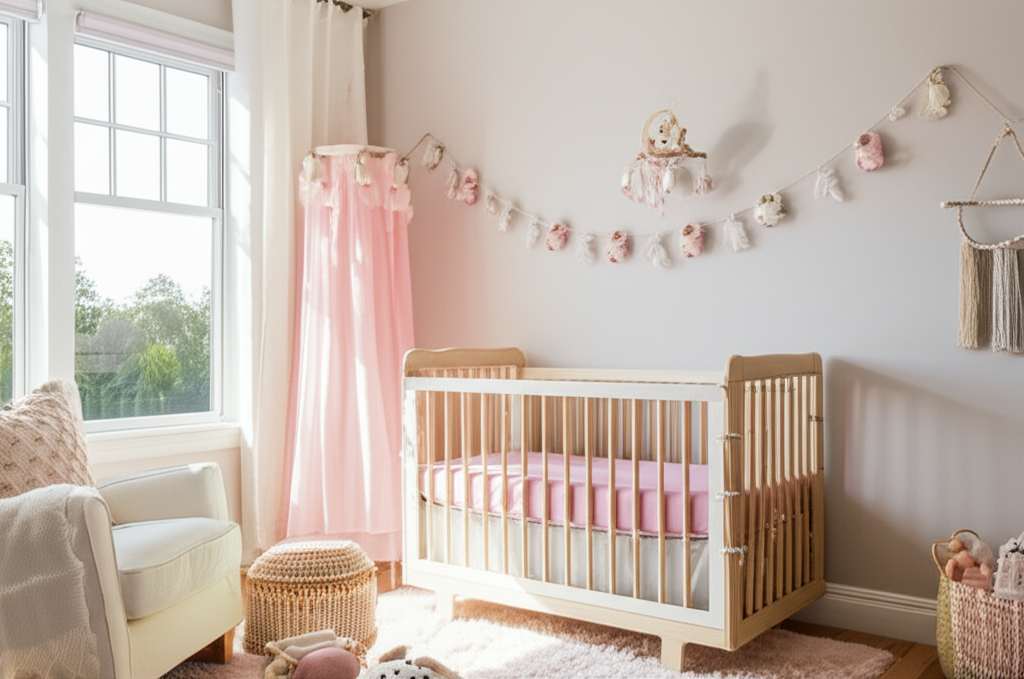
Create a dreamy pastel baby girl nursery with soft hues, playful textures, and thoughtful touches. This guide offers simple, budget-friendly ideas to design a serene and stylish escape for your little one, perfect for beginners.
Welcoming a baby girl is such a special time! You’re probably dreaming of creating a beautiful nursery that feels like a soft, comforting hug. But where do you start with all the choices out there? It can feel a little overwhelming trying to pick the perfect colors, furniture, and decorations.
Don’t worry, I’m here to help! We’ll walk through easy, step-by-step ideas to design a dreamy pastel baby girl nursery that’s both stylish and budget-friendly. You’ll get practical tips and creative inspiration to make decorating fun and stress-free.
Get ready to transform a room into a magical haven for your little one. Let’s dive into how to create that perfect pastel escape!
Why Pastel Colors for a Baby Girl Nursery?
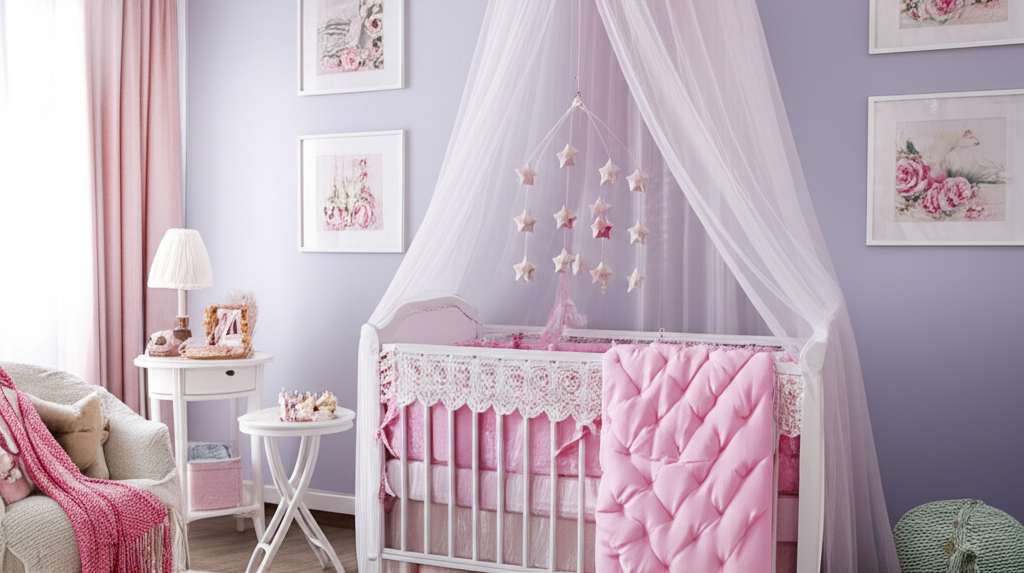
Pastel colors are a timeless choice for a baby girl’s nursery, and for good reason! They bring a sense of calm, serenity, and gentle beauty to the space. Think of soft pinks, baby blues, mint greens, lavender, and creamy yellows. These shades are incredibly versatile and create a soothing atmosphere that’s perfect for a little one.
Unlike bright, bold colors that can sometimes feel overstimulating, pastels offer a gentle visual experience. They’re known for their ability to promote relaxation and tranquility, making them ideal for a room where your baby will sleep, play, and grow. Plus, pastel palettes are incredibly forgiving and easy to work with, even if you’re new to decorating.
Choosing Your Perfect Pastel Palette
Selecting the right combination of pastel colors is the first exciting step. The beauty of pastels is their ability to blend harmoniously, creating a soft and cohesive look. You don’t need to be an art major to create a stunning palette!
Classic Combinations
Some color pairings are classic for a reason. They’ve stood the test of time because they are inherently pleasing to the eye and create a sense of balance.
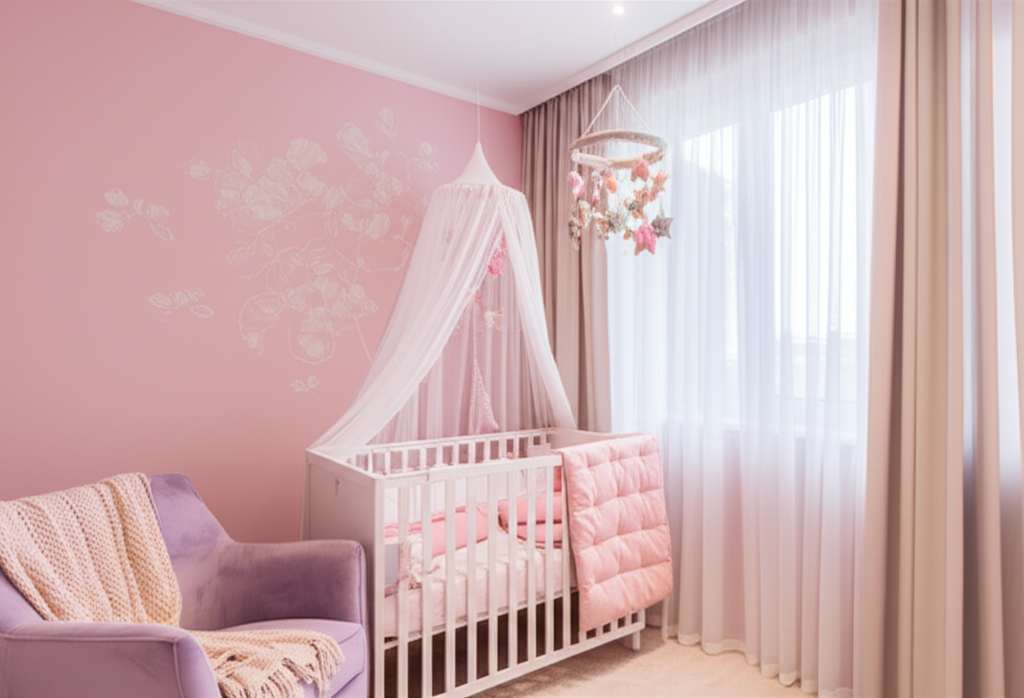
- Soft Pink & Mint Green: This is a quintessential pairing that feels fresh and sweet. The pink adds warmth, while the mint green offers a touch of cool serenity.
- Baby Blue & Lavender: A dreamy and ethereal combination that evokes a sense of calm and wonder. It’s perfect for a tranquil atmosphere.
- Creamy Yellow & Peach: This warmer pastel mix brings a gentle sunshine and sweetness to the room, feeling cheerful and inviting.
- Light Grey & Blush Pink: For a more modern take, a soft grey acts as a sophisticated neutral, allowing a gentle blush pink to pop beautifully.
Creating Your Own Unique Blend
Don’t be afraid to mix and match! You can use a primary pastel for the walls and then introduce accent colors through decor and textiles. Consider these approaches:
- Monochromatic Magic: Stick to variations of one pastel color. For example, use a soft blush pink on the walls, a slightly deeper rose for accents, and a very pale pink in patterns.
- Subtle Contrasts: Pair a dominant pastel with a complementary pastel from the opposite side of the color wheel for a gentle pop. Think of a soft aqua with a hint of coral.
- Neutral Foundation: Use a neutral like soft white, ivory, or light grey as your base, and then layer in your chosen pastels through furniture, rugs, and accessories. This approach is very forgiving and allows for easy updates later.
Painting the Walls: A Soft Foundation
The walls are the largest canvas in the nursery, so their color sets the tone for everything else. When choosing paint colors, remember that lighting can significantly affect how shades appear. It’s always a good idea to get a few paint samples and test them on your walls in different lights throughout the day.
Popular Pastel Paint Colors
Here are some go-to pastel shades that work beautifully for nursery walls:
- Benjamin Moore’s “Pink Bliss”: A soft, rosy pink that’s warm without being overwhelming.
- Sherwin-Williams’ “Sea Salt”: A versatile, muted green-blue that can lean more green or blue depending on the light.
- Farrow & Ball’s “Sulking Room Pink”: A muted, sophisticated pink that feels very contemporary and calming.
- Behr’s “Pastel Yellow”: A gentle, buttery yellow that adds a touch of sunshine.
- Valspar’s “Winter Grey”: A very light, cool grey that serves as a perfect neutral backdrop for any pastel accents.
Beyond Solid Colors: Creative Wall Treatments
If you want to add a little more interest without being too busy, consider these ideas:
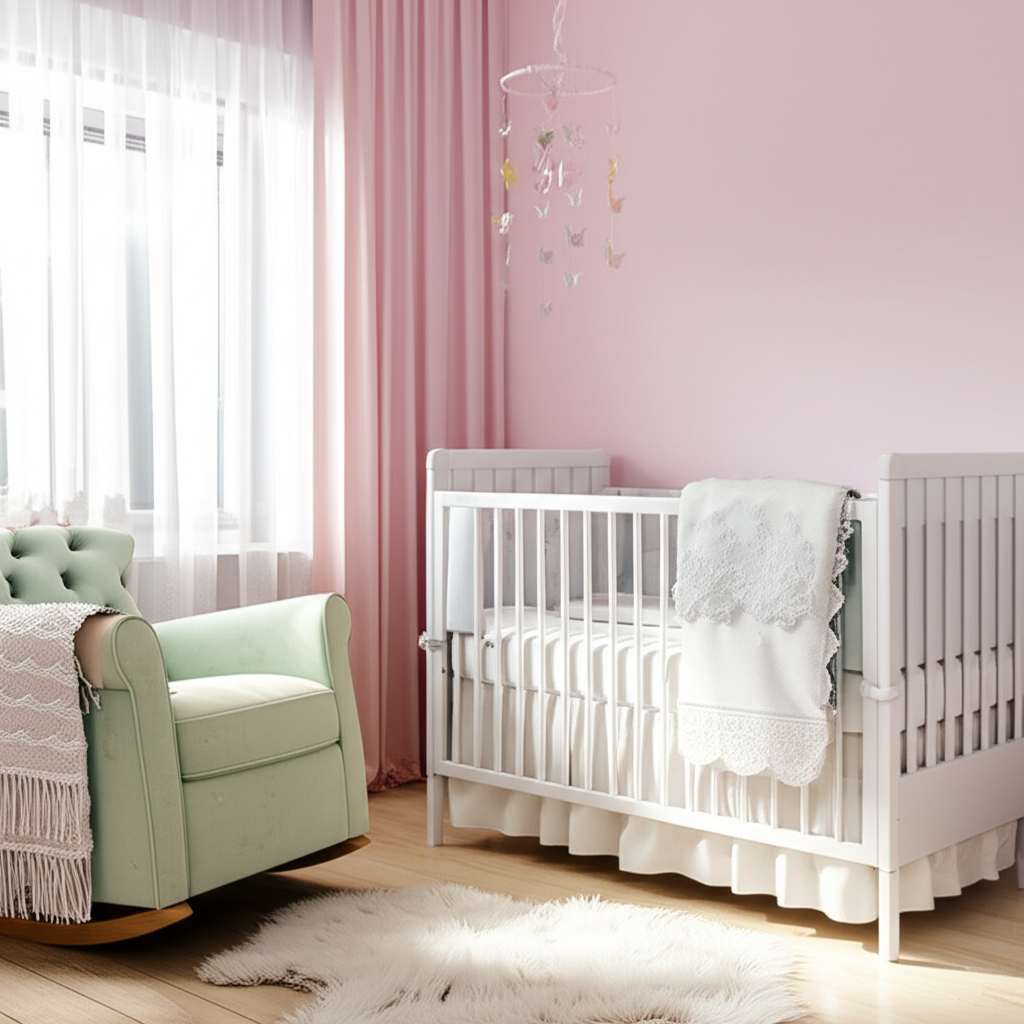
- Accent Wall: Paint one wall in a slightly bolder pastel or a subtle pattern, leaving the other three walls in a softer neutral or complementary shade.
- Two-Tone Walls: Paint the bottom half of the wall in one pastel and the top half in a lighter neutral or white. This can make a room feel taller.
- Subtle Patterns: Look for paints with a subtle sheen or consider using a stencil for a delicate pattern, like tiny stars or dots, in a slightly darker or lighter shade of your wall color.
Furniture Choices: Comfort Meets Style
When selecting furniture for your baby girl’s nursery, think about functionality, safety, and how it complements your pastel theme. White, light wood, or even a soft pastel-colored crib can be stunning.
The Crib: A Safe Haven
The crib is the centerpiece of the nursery. For a pastel nursery, a white crib is a classic choice that works with any color scheme. Alternatively, consider a light-toned wood crib that adds warmth, or even a crib painted in a soft pastel like blush pink or mint green for a bolder statement.
Ensure any crib you choose meets current safety standards. The U.S. Consumer Product Safety Commission (CPSC) provides valuable information on crib safety guidelines: CPSC Crib Safety.
Dresser and Storage
A dresser is essential for storing baby clothes and essentials. Opt for a dresser in white, a light wood tone, or even a painted pastel finish. Consider a dresser that is tall and narrow to maximize vertical space in smaller rooms. Ensure it’s stable and can be anchored to the wall for safety.
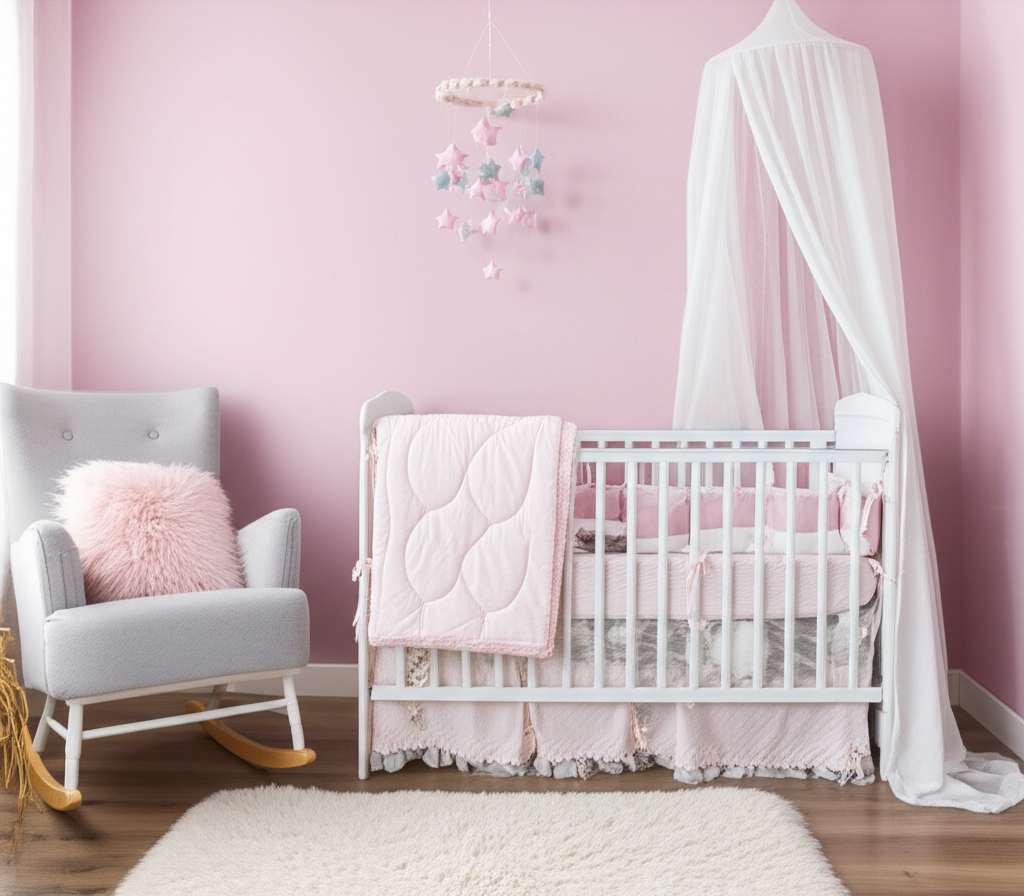
For additional storage, think about open shelving for displaying decorative items and books, or a woven basket for blankets and toys. Pastel-colored baskets or storage bins can add a charming touch.
Rocking Chair or Glider
A comfortable place to rock and feed your baby is a must. Choose a glider or rocking chair that complements your color scheme. A neutral grey, cream, or a soft pastel fabric can work beautifully. Add a plush throw pillow in a coordinating pastel shade for extra comfort and style.
Textiles and Soft Furnishings: Adding Cozy Layers
This is where you can really bring your pastel vision to life! Soft textiles add warmth, texture, and personality to the nursery. Think about rugs, curtains, bedding, and decorative pillows.
Rugs: Soft Underfoot
A soft rug is not only comfortable for little feet (and crawling knees!) but also helps define the space and absorb sound. Consider a rug in a solid pastel shade, a subtle geometric pattern with pastel colors, or even a fluffy shag rug in cream or light grey.
- Material Matters: For ease of cleaning, opt for wool, cotton, or a durable synthetic blend.
- Size is Key: Ensure the rug is large enough to anchor the main furniture pieces. In a small room, a rug that extends slightly under the crib and dresser can make the space feel larger.
Curtains: Light and Airy
Curtains control light and add a decorative element. For a pastel nursery, choose light and airy fabrics. Sheer curtains in a soft pastel hue, or linen curtains in a neutral shade with pastel trim, can create a dreamy effect.
If light-blocking is important for nap times, consider blackout liners that can be attached to your chosen curtains. This way, you get the look you love without sacrificing functionality.
Bedding and Pillows: Sweet Dreams
Baby bedding is a wonderful opportunity to introduce patterns and textures. Look for crib sheets and blankets in soft pastels, floral prints, or gentle animal motifs. Ensure all bedding meets safety standards and fits the crib snugly.
Decorative pillows on the glider or a nearby armchair can add a final touch of color and comfort. Choose pillows with subtle pastel patterns, pom-poms, or textured fabrics.
Decorations and Details: The Finishing Touches
The small details are what truly make a nursery feel personalized and special. Think about wall art, lighting, and cute accessories that tie your pastel theme together.
Wall Art and Decor
Adorn the walls with art that complements your pastel palette. This could include:
- Prints: Look for watercolor prints of animals, whimsical characters, or abstract designs in soft pastel colors.
- Gallery Wall: Create a collection of framed prints, photos, and perhaps a cute nursery rhyme quote. Use frames in white, light wood, or even a soft pastel color.
- Mobiles: A beautiful mobile hanging over the crib can be both decorative and stimulating for your baby. Choose one with felt balls, wooden shapes, or soft fabric elements in pastel hues.
- Wall Decals: These are a fantastic, renter-friendly option. You can find delicate floral patterns, stars, clouds, or cute animals in pastel shades.
Lighting: Soft and Soothing
Lighting plays a crucial role in setting the mood. You’ll want a mix of ambient, task, and night lighting.
- Ambient Light: A ceiling fixture with a soft glow is essential. Consider a fixture with a shade in a neutral or pastel color.
- Task Lighting: A floor lamp or a wall-mounted sconce near the glider can provide focused light for reading or feeding.
- Night Light: A gentle night light is perfect for those middle-of-the-night checks. Look for one with a warm, soft glow.
Personal Touches
Don’t forget to add items that make the space uniquely yours:
- Baby’s Name: A wooden letter sign or a custom name banner in pastel colors can be a beautiful focal point.
- Keepsakes: Display cherished items like baby shoes, a special blanket, or first drawings in shadow boxes.
- Plants: If you have good light, a few low-maintenance, non-toxic houseplants can bring life and color to the room. Ensure they are placed out of reach of little hands.
Organizing Your Pastel Nursery
A well-organized nursery is a calm nursery. With a pastel theme, you can use storage solutions that are both practical and aesthetically pleasing.
Smart Storage Solutions
Maximize your space with these ideas:
- Floating Shelves: Install these above the dresser or crib (out of reach!) to store books, toys, and decorative items. Paint them in a coordinating pastel or white.
- Storage Baskets and Bins: Use woven baskets, fabric bins, or decorative boxes in pastel colors to hold diapers, wipes, toys, and blankets.
- Drawer Organizers: Keep baby clothes neatly folded and sorted with dividers inside dresser drawers.
- Closet Systems: If you have a closet, consider a simple shelving unit or hanging organizers to keep things tidy.
The Importance of Accessibility
Think about what you’ll need easy access to during late-night feedings or diaper changes. Store essentials like diapers, wipes, burp cloths, and a change of clothes in easily reachable drawers or on a nearby changing station caddy.
Budget-Friendly Pastel Nursery Tips
Creating a dreamy nursery doesn’t have to break the bank! Here are some smart ways to achieve a beautiful pastel look without overspending.
DIY and Upcycling
Paint is Your Best Friend: A fresh coat of pastel paint can completely transform a room. If you have an old dresser, consider painting it in a soft hue. This is often much cheaper than buying new furniture.
Handmade Decor: Get creative! You can make your own baby mobile, create simple wall art, or knit/crochet pastel blankets and pillows. There are tons of tutorials online for DIY nursery decor.
Upcycle Existing Furniture: Look for second-hand furniture at thrift stores, garage sales, or online marketplaces. A little sanding and a new coat of pastel paint can give old pieces a new life.
Smart Shopping Strategies
- Sales and Clearance: Keep an eye out for sales at baby stores, home goods stores, and online retailers. Clearance sections are goldmines for discounted decor items.
- Focus on Key Pieces: Invest in a safe, sturdy crib and a comfortable glider. You can save money on smaller decorative items by shopping at more affordable stores or DIYing.
- Borrow and Accept Hand-Me-Downs: Don’t be shy about asking friends or family if they have any baby items they are looking to pass on. Many items are barely used and can be a huge cost saver. Just ensure they meet current safety standards.
- Prioritize: Decide what elements are most important to you. If a specific piece of artwork is a must-have, you might save on other accessories.
Creating a Gender-Neutral Pastel Nursery
While the focus is on a baby girl, pastel colors are incredibly versatile and can also be used to create a beautiful gender-neutral space. If you prefer to keep things more ambiguous or plan for future siblings, consider:
- Soft Yellows and Greens: These are inherently gender-neutral and cheerful.
- Muted Blues and Lavenders: These can feel calming and sophisticated for any baby.
- Cream, Beige, and Light Greys: Use these as your base and introduce pastel accents as desired.
- Nature-Inspired Themes: Think clouds, rainbows, soft animal prints, or gentle floral patterns that aren’t overtly feminine.
The key is to choose pastels that lean more towards softer, less traditionally gendered shades and to balance them with neutral elements.
Safety First in the Nursery
Designing a beautiful nursery also means ensuring it’s a safe environment for your little one. Always prioritize safety in your design choices and setup.
Key Safety Considerations
- Crib Safety: Ensure the crib mattress fits snugly with no gaps. Avoid loose bedding, bumper pads, or stuffed animals in the crib when the baby is sleeping to reduce the risk of SIDS and suffocation.
- Furniture Anchoring: Dressers, bookshelves, and any tall furniture should be securely anchored to the wall using anti-tip straps or brackets. This is crucial to prevent accidents if a child tries to climb. For guidance, check out resources from Safe Kids Worldwide.
- Choking Hazards: Keep small decorative items, loose buttons, or anything that could be a choking hazard out of reach.
- Cord Safety: Ensure blind and curtain cords are secured well out of reach or opt for cordless window treatments to prevent strangulation hazards.
- Outlet Covers: Install safety covers on all electrical outlets.
- Paint Choice: Always use low-VOC or zero-VOC paints. These paints release fewer harmful chemicals into the air, which is better for your baby’s respiratory health. The Environmental Protection Agency (EPA) has more information on VOCs.
Frequently Asked Questions (FAQ)
Here are some common questions beginner decorators have about creating a pastel baby girl nursery:
Q1: What are the best pastel colors for a baby girl nursery?
A1: Soft pinks, blush, mint green, baby blue, lavender, peach, and creamy yellow are excellent choices. They create a calming and serene atmosphere.
Q2: How can I make a pastel nursery feel warm and not too cold?
A2: Incorporate warm textures like a cozy rug, soft throws, and wooden accents. A warmer pastel like peach or creamy yellow can also add warmth, or balance cooler pastels with warmer neutrals like cream or beige.
Q3: I’m on a tight budget. How can I decorate a pastel nursery affordably?
A3: Paint is your most impactful and affordable tool! Look for second-hand furniture to upcycle with pastel paint. DIY decor like wall art or mobiles can also save money.
Q4: Is it okay to mix different pastel colors, or should I stick to one?
A4: Mixing complementary pastel colors can create a beautiful and dynamic look. For example, soft pink and mint green work wonderfully together. Just ensure they are balanced and create a cohesive feel.
Q5: How do I choose the right size rug for the nursery?
A5: The rug should be large enough to anchor the main furniture pieces. Ideally, it should extend slightly under the crib and dresser or glider. Measure your space and consider the furniture layout.
Q6: What kind of lighting is best for a pastel nursery?
A6: Use a mix of ambient (overhead), task (for reading/feeding), and night lighting. Opt for warm-toned bulbs and fixtures with soft shades to maintain a calming atmosphere.
Q7: Can I use pastel colors for a gender-neutral nursery?
A7: Absolutely! Soft yellows, greens, muted blues, lavenders, and neutrals like grey and cream are perfect for a gender-neutral pastel theme. Focus on softer, less traditionally gendered shades.
Conclusion
Creating a pastel baby girl nursery is an exciting journey, and as you’ve seen, it’s totally achievable even for beginners! By focusing on a soft color palette, layering in cozy textures, and adding thoughtful decorative touches, you can design a truly dreamy escape.
Remember, the goal is to create a space that feels serene, loving, and safe for your little one. Don’t be afraid to experiment with different shades and elements. Whether you go for classic pinks and greens or a more modern pastel mix, your personal touches will make the nursery uniquely yours.
Enjoy the process of bringing this beautiful, calming sanctuary to life. Soon, you’ll have a gorgeous pastel haven ready for countless sweet moments with your baby girl!