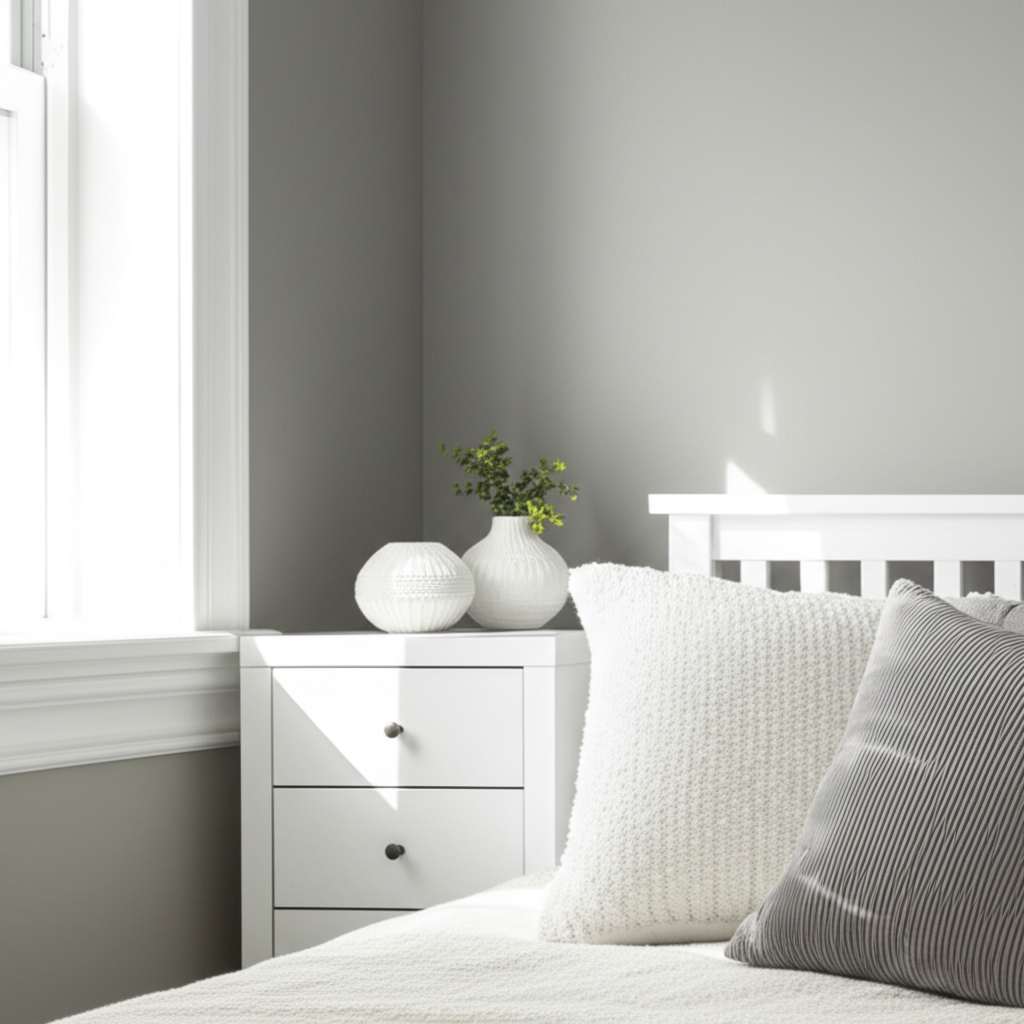
Effortless style for any room is achievable with simple decor ideas. Focus on key elements like color, lighting, textiles, and functional accents to create a cohesive and inviting space without overwhelm. Even beginners can transform their rooms with these easy, budget-friendly tips.
Feeling a bit lost when it comes to making your room look its best? You’re not alone! Decorating can seem like a puzzle with too many pieces, especially when you’re just starting out or working with a small space.
But what if I told you that creating a stylish and cozy room doesn’t require a huge budget or a degree in design? It’s all about smart choices and a few simple tweaks that make a big impact.
We’ll walk through easy steps to bring effortless style into your home, making your space feel like a true reflection of you. Get ready to discover how simple decor can truly transform your room!
Unlock Your Room’s Potential: Simple Decor Ideas for Effortless Style
Transforming your living space doesn’t have to be complicated or expensive. With a few thoughtful additions and adjustments, you can achieve a look that’s both stylish and uniquely yours. Let’s dive into some beginner-friendly ideas that focus on making your room feel more inviting and polished.
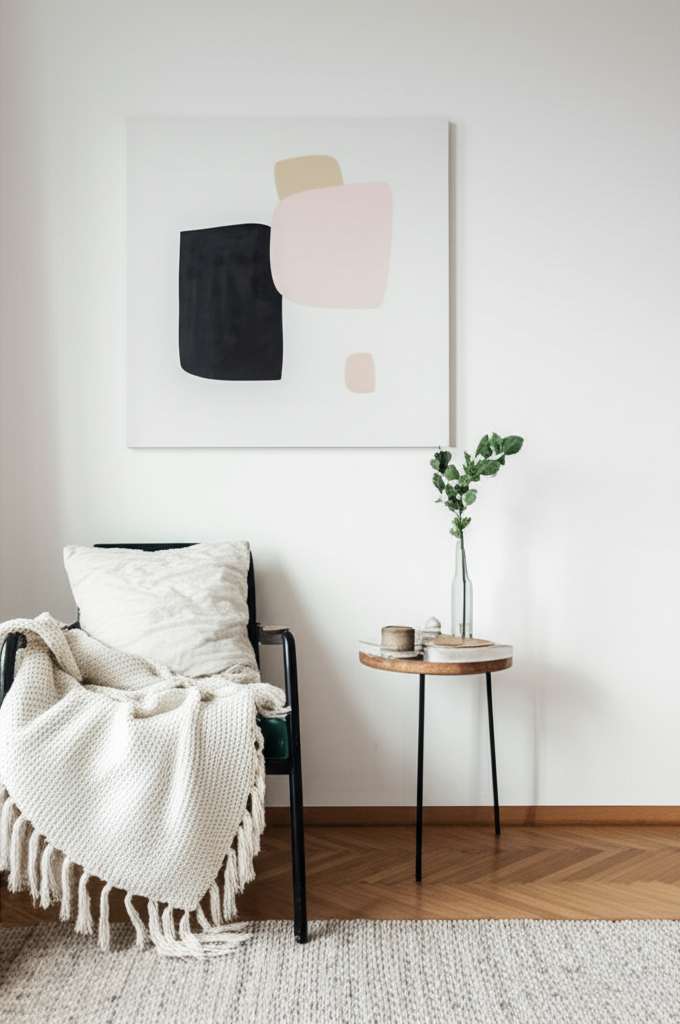
1. Master the Art of Color: The Foundation of Style
Color is one of the most powerful tools in decorating. It sets the mood and can make a room feel larger, cozier, or more energetic. For beginners, choosing a simple color palette is key to avoiding overwhelm.
Start with a neutral base. Think soft whites, warm beiges, or gentle grays. These colors are versatile and provide a perfect backdrop for adding pops of personality. You can then introduce accent colors through smaller decor items.
Consider the feeling you want to evoke. Cool colors like blues and greens can create a calming atmosphere, ideal for bedrooms. Warmer tones like yellows and oranges can bring energy to living areas. Don’t be afraid to experiment with paint samples on your walls before committing.
Choosing Your Color Palette
A simple way to pick colors is using the 60-30-10 rule. This means 60% of your room should be a dominant color, 30% a secondary color, and 10% an accent color. This creates balance and visual interest without being chaotic.
- Dominant Color (60%): Often your wall color or a large piece of furniture.
- Secondary Color (30%): Used for curtains, rugs, or accent chairs.
- Accent Color (10%): For smaller items like throw pillows, vases, or artwork.
You can find inspiration for color palettes from nature, art, or even your favorite clothing. Websites like Sherwin-Williams’ ColorSnap® Visualizer allow you to virtually try out paint colors on your walls, which is a fantastic tool for beginners. For more cozy color inspiration, check out our guide on warm kitchen color ideas that work beautifully in any room.
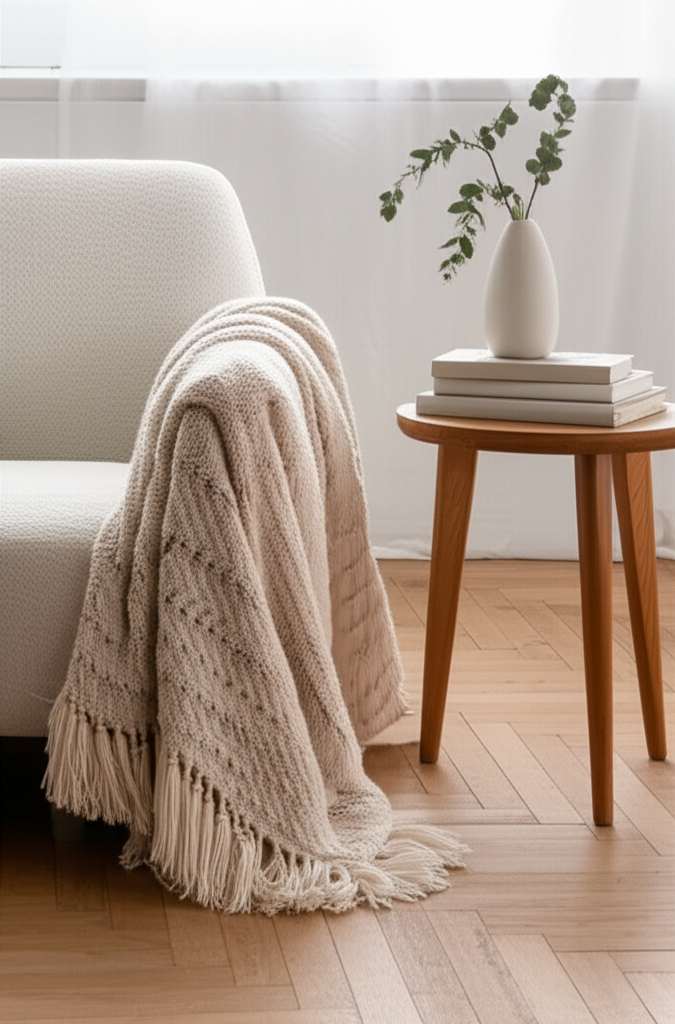
2. Let There Be Light: Enhancing Atmosphere with Lighting
Good lighting can dramatically change the feel of a room. It’s not just about brightness; it’s about creating layers and moods. Overlooking lighting is a common mistake that can leave a room feeling flat.
Think about different types of lighting you can incorporate. Ambient lighting provides general illumination, task lighting is for specific activities like reading, and accent lighting highlights features like artwork. Combining these will make your room more functional and visually appealing.
For a cozy vibe, opt for warm-toned bulbs (around 2700K-3000K). Consider adding dimmers to control the intensity of your lights, allowing you to adjust the mood for different times of day or activities. Floor lamps and table lamps are excellent for adding pools of light and creating warmth.
Lighting Layering Made Easy
Don’t rely on a single overhead light. Instead, layer your lighting for a more sophisticated and inviting space:
- Overhead Fixture: Provides general light. Choose one that complements your style.
- Table Lamps: Perfect for side tables, desks, or nightstands. They add warmth and a cozy glow.
- Floor Lamps: Great for corners or reading nooks. They add height and visual interest.
- Accent Lights: Small spotlights or picture lights to draw attention to art or architectural features.
Smart lighting options are also becoming more accessible. Consider smart bulbs that you can control with your phone or voice assistant, allowing you to change brightness and even color. This adds a modern touch and a lot of flexibility.
3. The Magic of Textiles: Adding Comfort and Texture
Textiles are your best friend when it comes to adding comfort, color, and personality to a room. Think about how different fabrics can soften a space and make it feel more lived-in and welcoming.
Start with a rug. A well-chosen rug can anchor your furniture, define a space, and add a significant dose of style. For beginners, a neutral-patterned rug or a solid color in a soft material like wool or a plush synthetic can work wonders.
Next, introduce throw pillows and blankets. These are super easy to swap out, making them perfect for experimenting with colors and patterns. Mix and match textures like faux fur, chunky knits, or smooth velvet to create visual depth.
Textile Tips for a Cozy Room
Here’s how textiles can elevate your decor:
- Rugs: Choose a size that fits your space. In a living room, the front legs of your sofa and chairs should rest on the rug.
- Curtains: They add softness and can control light. Opt for lighter fabrics for a breezy feel or heavier ones for a cozier, more formal look. Hang them high and wide to make windows appear larger.
- Throw Pillows: Mix sizes, shapes, and textures for an inviting sofa or bed.
- Blankets: Drape a soft throw over a chair or the end of your bed for instant warmth and texture.
When selecting textiles, consider the overall style you’re going for. A natural linen curtain can create a minimalist feel, while a velvet pillow adds a touch of luxury. Don’t be afraid to mix patterns, but stick to a common color theme to keep it cohesive.
4. Functional Decor: Style Meets Purpose
Decor shouldn’t just look good; it should also serve a purpose. Functional decor items are those that help organize your space while also adding to its aesthetic appeal. This is especially important for smaller rooms where every item needs to pull its weight.
Think about storage solutions that double as decor. Baskets, decorative boxes, and stylish shelving units can keep clutter at bay and look great doing it. Floating shelves are a fantastic option for displaying items and storing essentials without taking up floor space.
Mirrors are another brilliant functional decor piece. They not only serve the practical purpose of checking your reflection but also bounce light around the room, making it feel larger and brighter. A well-placed mirror can be a stunning focal point.
Smart Storage and Display Ideas
Maximize your space with these functional decor ideas:
- Decorative Baskets: Use them for blankets, magazines, toys, or even plants. Woven baskets add natural texture.
- Wall Shelves: Install shelves to display books, photos, plants, and decorative objects. Floating shelves offer a clean, modern look.
- Trays: Place a stylish tray on a coffee table or ottoman to corral remotes, coasters, and small decorative items.
- Mirrors: Hang a large mirror opposite a window to reflect light and the view, instantly making the room feel bigger.
Consider furniture with built-in storage, such as an ottoman with a lift-top or a coffee table with drawers. These pieces are lifesavers for keeping a room tidy and organized, making it feel more peaceful and stylish. For more clever storage inspiration, explore our roundup of stylish kitchen storage accessories that bring order and elegance to compact spaces.
5. The Power of Plants and Personal Touches
Bringing nature indoors with plants is one of the simplest ways to add life, color, and a fresh feel to any room. They purify the air and add a natural, organic element that’s hard to replicate with other decor.
If you’re new to plant care, start with easy-to-care-for varieties like snake plants, ZZ plants, or pothos. They tolerate a range of conditions and don’t require constant attention. Place them on shelves, tabletops, or even hang them in macrame holders for a bohemian touch.
Beyond plants, personal touches are what truly make a house feel like a home. Displaying photographs, artwork, or cherished mementos adds character and tells your story. These items make your space unique and inviting.
Bringing Life and Personality In
Incorporate these elements to make your space truly yours:
- Houseplants: Choose a mix of sizes and types. Consider a tall floor plant for a corner or smaller succulents for shelves.
- Artwork: Hang prints, paintings, or even your own creations. A gallery wall of personal photos can be a beautiful focal point.
- Books: Stack them artfully on coffee tables or shelves. Books add color and intellectual charm.
- Personal Collections: Display items you love, whether it’s pottery, vintage cameras, or travel souvenirs.
When choosing plants, consider the light conditions in your room. Some plants thrive in bright, direct light, while others prefer shade. Websites like the Royal Horticultural Society (RHS) offer excellent advice on selecting and caring for houseplants. For a fresh twist on greenery, discover our favorite kitchen plant decor ideas that bring nature into unexpected spaces.
6. The Art of Arrangement: Making Furniture Work for You
How you arrange your furniture has a huge impact on how a room feels and functions. Poor arrangement can make a space feel cramped or awkward, while thoughtful placement can create flow and maximize usability.
For smaller rooms, think about scale. Oversized furniture can make a room feel even smaller. Opt for pieces that are proportionate to the size of your space. Consider multi-functional furniture, like a sofa bed or a nesting table set, to save space.
Create clear pathways for movement. Ensure there’s enough space to walk comfortably between furniture pieces. Arranging furniture to encourage conversation is also key – for example, facing seating pieces towards each other rather than just towards a TV.
Furniture Arrangement Basics
Follow these tips for better furniture placement:
- Anchor with a Rug: Place your rug first, then arrange furniture around it.
- Define Zones: In larger rooms, use furniture to create distinct areas, like a reading nook or a conversation area.
- Consider Flow: Ensure easy movement through the room. Avoid blocking doorways or natural pathways.
- Focal Point: Arrange furniture to highlight a focal point, whether it’s a fireplace, a window with a view, or a piece of art.
Don’t be afraid to experiment! Sometimes the best arrangement is found through trial and error. Measure your space and your furniture before you start moving things around to make the process smoother. Resources like Houzz provide visual guides and tips for various room layouts.
Budget-Friendly Decor Swaps
Decorating doesn’t have to break the bank. Many stylish updates can be achieved with small, affordable changes. Here’s a table showcasing some budget-friendly swaps that offer a big style impact:
| Traditional Choice | Budget-Friendly Swap | Impact |
|---|---|---|
| Expensive, oversized art piece | Gallery wall of smaller prints, personal photos, or DIY art | Adds personality and visual interest without high cost. |
| Brand new, high-end sofa | Slipcovers for an existing sofa, or a stylish throw and new pillows | Updates the look and feel of your main seating. |
| Designer light fixture | A simple pendant light from a budget retailer, or a stylish lamp with a unique shade | Improves ambiance and adds a decorative element. |
| Custom-made curtains | Readymade curtains in a solid color or simple pattern, hung high and wide | Softens windows and adds color/texture affordably. |
| All-new furniture | Secondhand finds from thrift stores or online marketplaces, refreshed with paint or new hardware | Unique pieces with character at a fraction of the cost. |
Shopping at thrift stores, flea markets, or looking for sales can uncover hidden gems. Repurposing items you already own is also a fantastic way to save money and add unique character to your space.
Frequently Asked Questions (FAQ)
Q1: How can I make a small room look bigger with decor?
Use light colors on walls, incorporate mirrors to reflect light and space, choose furniture that is proportionate to the room size, and opt for vertical storage like tall bookshelves or wall-mounted shelves. Keeping clutter to a minimum is also crucial.
Q2: I’m a renter. What are some simple decor ideas I can use without damaging walls?
Utilize command hooks and strips for hanging art and mirrors, use freestanding shelves and furniture, opt for peel-and-stick wallpaper (check your lease first!), and focus on textiles like rugs, curtains, and throw pillows. Plants also add a lot of life without any wall damage.
Q3: What’s the easiest way to update a room on a tight budget?
Focus on high-impact, low-cost items. This includes updating throw pillows and blankets, adding a new rug, changing out light bulbs for warmer tones, incorporating houseplants, and decluttering. Sometimes, just rearranging furniture can give a room a whole new feel.
Q4: How do I choose the right size rug for my room?
In a living room, ideally, a rug should be large enough for the front legs of your sofa and chairs to rest on it. In a dining room, the rug should be large enough for all chairs to be pulled out while remaining on the rug. For bedrooms, a rug that extends a foot or two past the sides and foot of the bed is common.
Q5: Is it okay to mix different decor styles?
Absolutely! Mixing styles can create a more eclectic and personal look. The key is to find common threads, like a shared color palette or a recurring material, to tie the different styles together and create a cohesive feel. Start by blending two complementary styles you love.
Q6: How much is too much clutter in a room?
Clutter is anything that makes your space feel disorganized, overwhelming, or hinders its functionality. If you can’t easily move around, find what you need, or relax in the space, it’s likely too cluttered. Regular decluttering and smart storage solutions are key to maintaining a tidy and stylish room.
Conclusion: Your Stylish Space Awaits!
Creating a stylish and comfortable room doesn’t require a professional designer or a bottomless budget. By focusing on simple, impactful elements like color, lighting, textiles, functional pieces, and personal touches, you can effortlessly transform your space.
Remember, decorating is a journey, and it’s all about making your room a place you love to be. Start with one or two ideas that resonate with you and see the difference they make. Don’t be afraid to experiment and have fun with it!
You have the power to create a home that reflects your personality and brings you joy. So go ahead, try out these simple room decor ideas, and enjoy the process of making your space effortlessly stylish. Happy decorating!