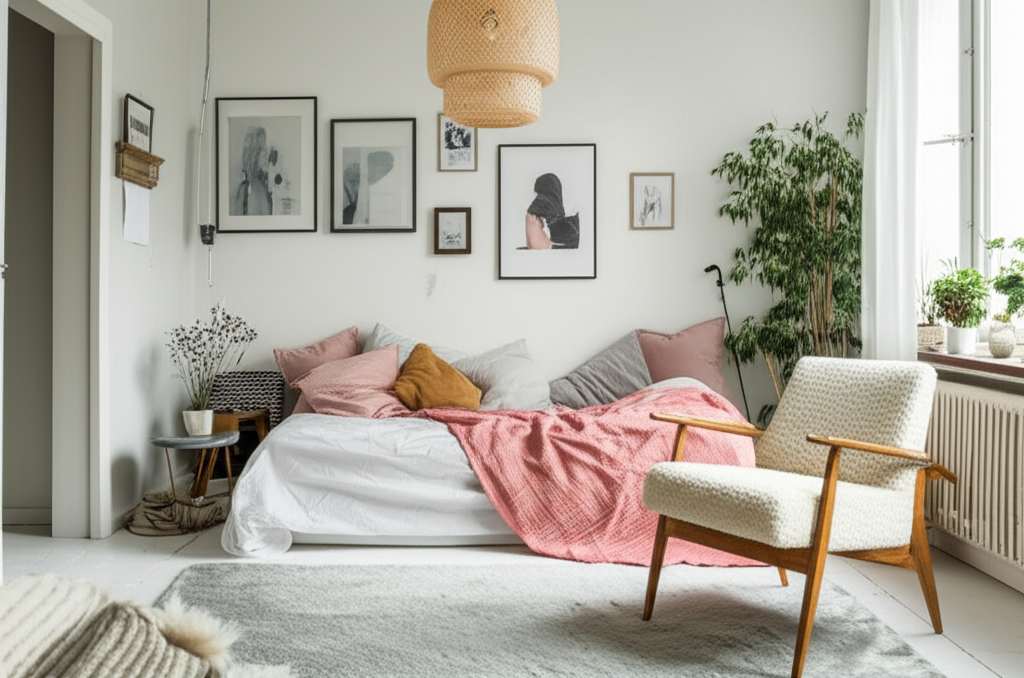
Small room design ideas in white can transform tiny spaces into brilliant, cozy, and airy sanctuaries. White reflects light, making rooms feel larger and more open. This guide offers simple, budget-friendly tips to maximize your small white room, creating a stylish and comfortable haven.
Feeling cramped in your small room? You’re not alone! Many of us dream of spacious living, but often end up with cozy corners that feel more like closets. It can be frustrating when you want to create a stylish and comfortable space, but your square footage is limited.
But what if I told you that white is your secret weapon for making small rooms feel bigger and brighter? It’s true! White is incredibly versatile and has a magical way of opening up a space.
Don’t worry if you’re new to decorating. This guide is packed with easy, step-by-step ideas to help you design a brilliant, cozy white room that feels like a breath of fresh air. Let’s dive in and unlock the potential of your small space!
Why White is a Small Room’s Best Friend
White isn’t just a color; it’s an illusionist! In small spaces, white walls act like a mirror, bouncing natural and artificial light around the room. This makes the space feel significantly larger and more open than it actually is. Think of it as giving your room an instant expansion.
Beyond its light-reflecting properties, white offers a clean, fresh, and calming aesthetic. It provides a neutral canvas that allows you to introduce pops of color, texture, and personality without overwhelming the space. This makes it incredibly forgiving and adaptable for beginners.
The Science of Light and Color
Light is crucial for making a room feel spacious. Different shades of white can affect how light behaves. Cool whites can make a room feel larger and more modern, while warm whites can create a cozier, more inviting atmosphere. Understanding this subtle difference can help you choose the perfect white for your specific needs.
According to architectural and design principles, lighter colors recede visually, making walls appear further away. This is a well-established technique used by designers to combat the feeling of confinement in smaller areas. For more on color psychology and its impact on perception, you can explore resources from design institutions like IdeaFinder’s Color Psychology page.
Step-by-Step: Designing Your Small White Room

Ready to transform your space? Let’s break down the process into simple, manageable steps. We’ll focus on maximizing light, creating depth, and adding comfort, all with a white-centric design.
Step 1: Choose Your Perfect White Shade
Not all whites are created equal! The right shade can make a huge difference. Consider the natural light in your room and the mood you want to create.
- Crisp White: For a bright, modern, and airy feel. Great for rooms with ample natural light.
- Off-White/Cream: Softer and warmer, offering a cozier, more traditional vibe. Excellent for rooms with less natural light.
- Cool White: Has blue or gray undertones, making a room feel expansive and crisp.
- Warm White: Has yellow or pink undertones, creating a more inviting and comforting atmosphere.
Pro Tip: Always test paint samples on your walls in different lighting conditions (daylight, artificial light) before committing. What looks good on a small swatch can appear different on a large wall.
Step 2: Maximize Natural Light
Natural light is your best friend in a small room. Keep windows unobstructed and consider sheer or light-colored curtains that allow light to filter through.
- Window Treatments: Opt for lightweight, sheer curtains in white, cream, or a pale neutral. Avoid heavy drapes that block light and make the room feel smaller. Blinds or shutters that can be fully opened also work well.
- Mirrors: Strategically placed mirrors can reflect light and create the illusion of more space. Place a large mirror opposite a window to bounce natural light deeper into the room.
- Declutter Window Sills: Keep window sills clear of clutter to allow maximum light penetration.
Step 3: Smart Furniture Choices
Furniture can make or break a small room. Choose pieces that are proportionate to the space and functional.
- Multi-functional Furniture: Think ottomans with storage, sofa beds, or desks that fold away. These save precious floor space.
- Leggy Furniture: Furniture with exposed legs (sofas, chairs, tables) creates a sense of openness by allowing light and air to flow underneath.
- Scale is Key: Avoid oversized, bulky furniture. Opt for sleeker, more streamlined designs.
- Vertical Storage: Utilize wall space with tall, narrow bookshelves or floating shelves. This draws the eye upward and keeps the floor clear.
Consider a “less is more” approach. Instead of cramming in too many pieces, focus on a few key items that serve a purpose and add to the aesthetic.
Step 4: Layering Textures and Tones
While your base is white, you can create depth and interest by layering different textures and subtle tonal variations. This prevents the room from feeling flat or sterile.
- Textiles: Introduce chunky knit throws, linen cushions, a soft rug, or woven baskets. These add tactile appeal and warmth.
- Wood Tones: Light to medium wood accents (like a coffee table, picture frames, or shelving) add natural warmth and break up the white.
- Metallic Accents: Silver, gold, or brass details in lamps, hardware, or decorative objects can add a touch of glam and reflect light.
- Subtle Patterns: A rug with a faint geometric pattern or cushions with a subtle texture can add visual interest without being overwhelming.
Step 5: Strategic Lighting Design
Beyond natural light, artificial lighting is crucial for making a small white room feel inviting and functional, especially at night.
- Layered Lighting: Combine ambient (general room light), task (for reading or working), and accent (to highlight features) lighting.
- Wall Sconces: These save floor and surface space and can provide excellent ambient or accent lighting.
- Floor and Table Lamps: Choose slim, elegant designs. Lamps with lighter-colored shades will diffuse light more effectively.
- Dimmers: Install dimmers on overhead lights to control the mood and brightness, making the space adaptable for different times of day and activities.
For guidance on lighting design and electrical safety, consult resources from reputable organizations like the U.S. Department of Energy’s Energy Saver website, which offers practical tips on efficient and effective home lighting.
Step 6: Creating Visual Interest and Depth
To prevent your white room from feeling like a blank canvas that’s too stark, add elements that draw the eye and create a sense of dimension.
- Artwork: Hang a few carefully chosen pieces of art. Consider a large statement piece or a gallery wall with varying frame sizes.
- Accent Wall (Subtle): While a bold accent wall can shrink a room, you can create a subtle one. Consider a textured wallpaper in a very light neutral, a soft pastel, or a wood paneling on one wall.
- Varying Heights: Mix tall elements (a floor lamp, a tall plant) with lower ones (a coffee table, floor cushions) to create a dynamic visual landscape.
- Floating Shelves: These create storage and display space without the visual bulk of traditional bookshelves.
Small Room Design Ideas White: Specific Applications
Let’s see how these principles apply to different types of small rooms.
Small Bedroom Design Ideas White
In a small bedroom, the goal is to create a serene, restful retreat. White walls will make the room feel more expansive, allowing for a comfortable bed and essential storage.
- Bedding: Opt for crisp white or light-colored bedding. Layer with a textured throw or accent pillows in soft blues, grays, or muted pastels.
- Headboard: A simple upholstered headboard or a wooden one with clean lines works well. Avoid overly ornate or bulky designs.
- Nightstands: Consider floating nightstands or slim, leggy designs to keep the floor clear.
- Closet Solutions: Maximize closet space with organizers. If closet doors are mirrored, they’ll help with the illusion of space.
Small Living Room Design Ideas White
Transform a tiny living area into a bright, welcoming space for relaxation and entertaining.
- Sofa: A light-colored sofa (white, cream, light gray) will make the room feel larger. If a light sofa isn’t practical, use light-colored throws and pillows to achieve the effect.
- Coffee Table: A glass-top coffee table or one with a slim profile and open legs will keep the space feeling airy.
- Layout: Arrange furniture to allow for clear pathways. Pull furniture slightly away from the walls to create a sense of depth.
- Rugs: A light-colored rug can define the living area and make it feel more grounded and cozy.
Small Kitchen Design Ideas White
White kitchens are timeless and make small spaces feel cleaner and more open.
- Cabinetry: White cabinets are a classic choice for small kitchens, reflecting light and making the space feel larger.
- Countertops: Light-colored countertops (white quartz, marble, or even a light butcher block) enhance the bright feel.
- Backsplash: Consider a white subway tile or a glass tile backsplash for a clean, reflective surface.
- Open Shelving: In lieu of upper cabinets, consider open shelving for a more airy feel. Keep it tidy and styled with attractive essentials.
For even more inspiration, check out our guide on 10 Cozy Small Kitchen Ideas: Amazing Makeovers.
Small Bathroom Design Ideas White
A white bathroom often feels spa-like and significantly larger. It’s the perfect canvas for a clean, refreshing space.
- Tiles: White subway tiles or larger format white tiles on walls and floors can make a bathroom feel expansive.
- Fixtures: White porcelain sinks and toilets are standard and contribute to the bright aesthetic.
- Vanity: A wall-mounted or leggy vanity creates a sense of openness by revealing more floor space.
- Mirrors: A large vanity mirror is essential for both function and to bounce light around the room.
Pros and Cons of Using White in Small Spaces

Every design choice has its advantages and disadvantages. White is fantastic for small rooms, but it’s good to be aware of potential challenges.
| Pros | Cons |
|---|---|
| Maximizes Light: Reflects natural and artificial light, making rooms feel bigger and brighter. | Shows Dirt: White surfaces can show stains and dirt more easily, requiring more frequent cleaning. |
| Creates Openness: Visually expands the space, reducing feelings of confinement. | Can Feel Sterile: Without careful layering of texture and subtle color, a purely white room can feel cold or sterile. |
| Versatile Canvas: Provides a neutral backdrop for any decor style, color scheme, or accent pieces. | Potential for Monotony: If not designed thoughtfully, it can become visually boring. |
| Timeless Appeal: White interiors are classic and rarely go out of style. | Maintenance: Lighter colors may require more upkeep to keep them looking pristine. |
Budget-Friendly White Room Makeovers
You don’t need a big budget to achieve a stunning white room. Here are some cost-effective ideas.
- Paint is Your Best Friend: A fresh coat of white paint is one of the most affordable and impactful ways to transform a room.
- DIY Projects: Refinish old furniture with white paint, create your own art, or build simple floating shelves.
- Thrift Stores & Flea Markets: Hunt for affordable decor items, frames, lamps, and even furniture that you can paint white.
- Smart Shopping: Look for sales on bedding, curtains, and decorative accessories. Consider stores like IKEA, Target, or discount home goods retailers.
- Declutter and Rearrange: Sometimes, simply decluttering and rearranging your existing furniture can make a huge difference at no cost.
For inspiration on budget decorating and DIY projects, sites like HomeTalk offer a wealth of user-submitted ideas and tutorials.
Frequently Asked Questions (FAQ)
Q1: How do I make a small white room feel cozy, not cold?
A1: Layer textures! Add soft throws, plush cushions, a warm-toned rug, and natural elements like wood or plants. Warm white paint shades also contribute to coziness.
Q2: What kind of furniture works best in a small white room?
A2: Opt for furniture with clean lines, exposed legs, and lighter materials like light wood or glass. Multi-functional pieces are also excellent space-savers.
Q3: Is white a good color for a small bedroom?
A3: Absolutely! White makes small bedrooms feel more spacious and tranquil, promoting better rest. Layering with soft textiles ensures it feels cozy.
Q4: How can I add personality to a small white room without making it feel cluttered?
A4: Use accent pieces strategically. A few well-chosen pieces of art, a colorful rug, or decorative objects in a consistent accent color can add personality without overwhelming the space.
Q5: What are the best types of flooring for a small white room?
A5: Light-colored flooring like light wood, pale laminate, or large-format white tiles can enhance the sense of space. A light-colored rug can also help define an area and add warmth.
Q6: How much white is too much white in a small room?
A6: While white is excellent, too much of a single shade can feel monotonous. Introduce subtle variations in tone, texture, and a few carefully chosen accent colors or natural materials to add depth and interest.
Conclusion
Designing a small room with white as your primary color is an incredibly effective way to create a space that feels both brilliant and cozy. By understanding how to harness the power of light, carefully selecting your white shades, and thoughtfully adding layers of texture and personality, you can transform even the most compact area into a delightful sanctuary.
Remember, the key is to be intentional. From choosing the right paint to selecting furniture that maximizes your space and layering in those crucial textures, each step contributes to a more open, inviting, and comfortable room. Don’t be afraid to experiment and infuse your own style into your white canvas. With these ideas, your small room can become your favorite place in the house!
Looking to extend your white design theme into other areas? Explore our curated collection of 12 White Kitchen Decor Ideas: Amazing Style for seamless continuity throughout your home.