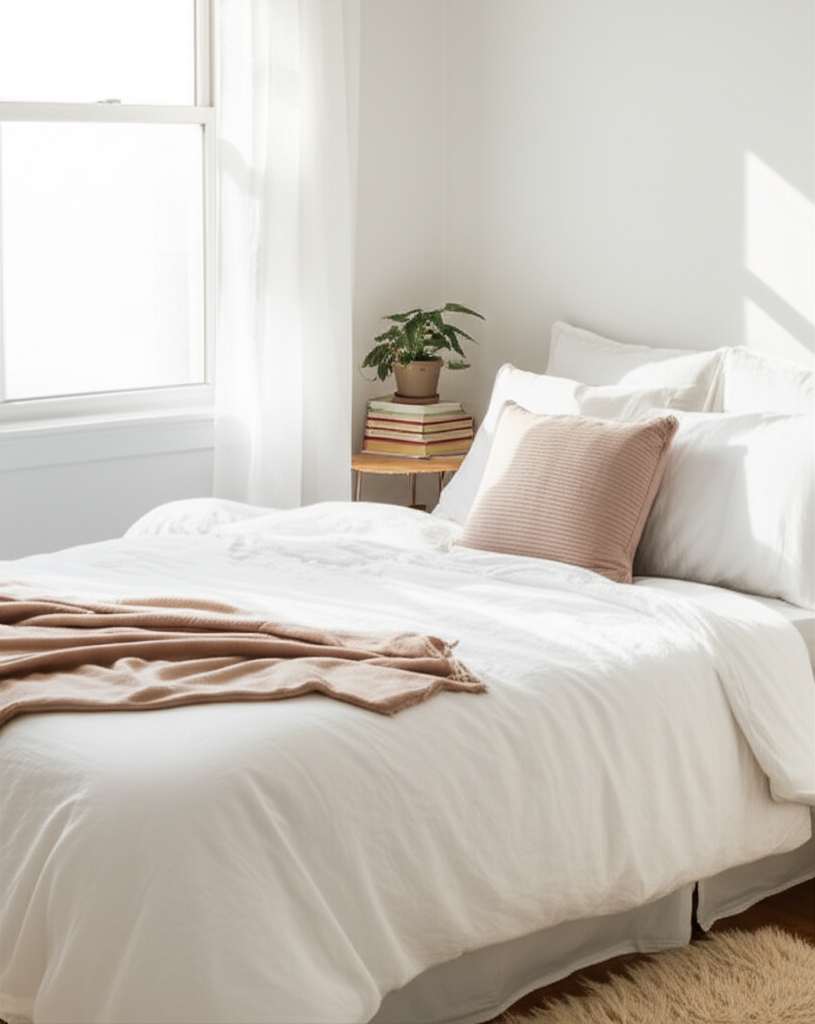
Don’t let a small bedroom cramp your style! Discover smart, effortless ways to decorate a small bedroom, maximizing space and creating a cozy, chic sanctuary you’ll love.
Feeling like your bedroom is more of a closet than a cozy retreat? You’re not alone! Many of us dream of spacious bedrooms, but reality often means making do with smaller spaces. It can feel frustrating when you want to express your style but worry about making the room feel even more cramped.
But here’s the good news: decorating a small bedroom doesn’t have to be a challenge. With a few clever tricks and a focus on smart choices, you can transform even the tiniest room into a stylish and functional haven.
Ready to unlock the potential of your small bedroom? Let’s dive into simple, effective strategies to make your space feel bigger, brighter, and beautifully you!
1. Master the Art of Color: Light & Bright is Right
Color is your most powerful tool when it comes to making a small space feel larger. Think light, airy, and cohesive.
The Magic of Neutrals
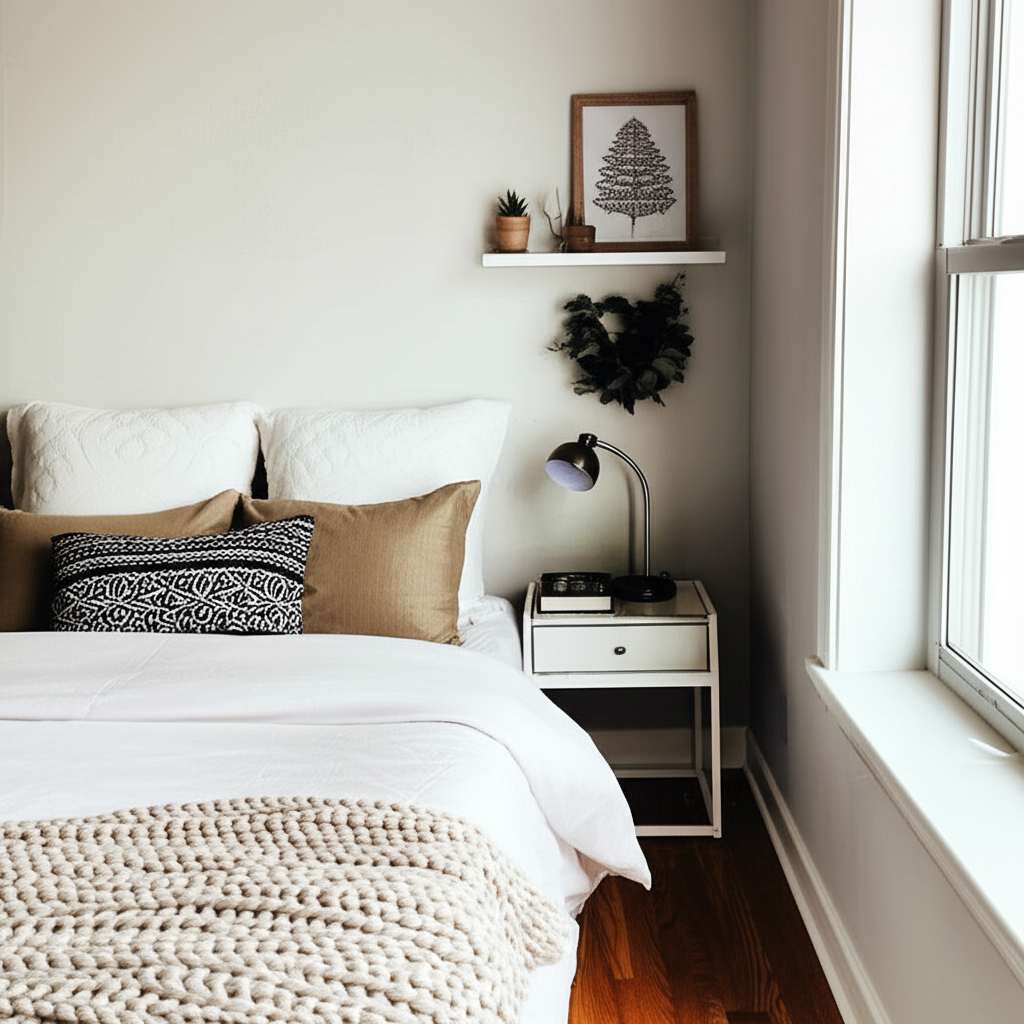
Whites, creams, soft grays, and pale blues are your best friends. These colors reflect light, making walls seem to recede and the room feel more open. They also create a calming, serene atmosphere perfect for a bedroom.
Monochromatic Magic
Consider a monochromatic color scheme. This means using different shades and tints of a single color. For example, use a soft gray on the walls, a slightly darker gray for your bedding, and lighter gray accents. This creates a seamless look that prevents visual clutter and makes the room feel more expansive.
Strategic Pops of Color
While neutrals are key, don’t be afraid of a few well-placed pops of color! Use them in your accessories like throw pillows, artwork, or a statement rug. This adds personality without overwhelming the space.
2. Furniture Finesse: Scale, Placement, and Multi-functionality
The furniture you choose and how you arrange it can make or break a small bedroom. The goal is to be smart and strategic.
Choose Wisely: Scale Matters
Opt for furniture that is appropriately scaled for the room. A giant, overstuffed bed frame will dominate a small bedroom. Instead, look for streamlined bed frames with minimal headboards or platform beds. Similarly, choose nightstands and dressers that are proportionate to the space.
Smart Placement is Key
Don’t push all your furniture against the walls. Sometimes, pulling a piece slightly away can create a sense of depth. Place your bed strategically – often the focal point. Consider placing it against the longest wall, or diagonally if space allows and it doesn’t impede movement.
Embrace Multi-functional Furniture
This is a game-changer for small spaces! Think ottomans with hidden storage, beds with built-in drawers, or a desk that can double as a vanity. Every piece should ideally serve more than one purpose.
- Storage Beds: Ideal for stowing away extra linens, out-of-season clothes, or shoes.
- Ottomans with Lids: Perfect for extra seating and hidden storage.
- Floating Shelves: Offer storage and display space without taking up floor real estate.
- Wall-Mounted Desks: Can be folded away when not in use.
3. Lighting: Brighten Up and Open Up
Good lighting is crucial for making any room feel more inviting, especially a small bedroom. It can trick the eye into thinking the space is larger.
Maximize Natural Light
Keep window treatments light and airy. Opt for sheer curtains or blinds that can be fully opened. Avoid heavy, dark drapes that block light and make the room feel smaller.
Layer Your Artificial Light
Don’t rely on a single overhead light. Layer your lighting with a combination of ambient, task, and accent lighting.
- Ambient Lighting: General illumination (e.g., a ceiling fixture, wall sconces).
- Task Lighting: For specific activities like reading (e.g., a bedside lamp, a desk lamp).
- Accent Lighting: To highlight features or create mood (e.g., a small lamp on a shelf).
Consider Wall-Mounted Fixtures
Wall sconces or plug-in wall lamps can save valuable surface space on nightstands, which is a major win in a small bedroom.
4. Mirrors: The Illusion of Space
Mirrors are one of the oldest and most effective tricks in the interior design book for making a space feel bigger. They reflect light and create the illusion of depth.
Strategic Placement
Hang a large mirror opposite a window. This will bounce natural light around the room and reflect the view, making the space feel more open and airy. A floor-length mirror can also create a sense of height.
Mirrored Furniture
Consider furniture with mirrored surfaces, like a mirrored dresser or nightstand. These pieces can add a touch of glamour while enhancing the feeling of spaciousness.
Group Smaller Mirrors
If a large mirror isn’t your style, a gallery wall of smaller mirrors can also be effective in reflecting light and adding visual interest.
5. Storage Solutions: Declutter for a Dreamy Space
Clutter is the enemy of small spaces. Effective storage is non-negotiable for a stylish and functional small bedroom.
Go Vertical!
Utilize wall space. Install tall, narrow bookshelves or floating shelves to store books, decor, and essentials. This draws the eye upward, making the room feel taller.
Under-Bed Storage
As mentioned with multi-functional furniture, under-bed storage is a lifesaver. Use sleek storage bins or drawers designed to fit neatly underneath your bed frame.
Behind-the-Door Solutions
Don’t forget the back of your door! Over-the-door organizers are perfect for shoes, accessories, or even small toiletries.
Hidden Storage is Your Friend
Invest in furniture with built-in storage. This keeps items out of sight and maintains a clean, uncluttered look. For more clever storage ideas, explore our guide on stylish kitchen storage accessories—many of these principles apply beautifully to bedroom organization too.
6. Decor and Accessories: Less is More
When decorating a small bedroom, it’s easy to go overboard. The key is to be intentional and selective.
Curate Your Decor
Choose a few meaningful pieces rather than many small knick-knacks. A large piece of art can make a bigger impact and feel less cluttered than a collection of small items.
Think About Scale
The scale of your accessories matters. A tiny rug can make the floor feel smaller, while a well-sized rug can anchor the space. Similarly, choose larger plants rather than many small ones.
Textiles for Texture and Warmth
Introduce texture through soft bedding, cozy throws, and plush rugs. These elements add warmth and personality without adding visual clutter. Opt for lighter colors in your textiles to keep the room feeling bright.
Keep Surfaces Clear
Try to keep your nightstand and dresser surfaces as clear as possible. A few essential items and perhaps a small plant or decorative object are usually enough.
7. Layout Hacks for Small Bedrooms
Sometimes, the way you arrange your existing furniture can make a huge difference. Here are a few layout ideas to consider.
The Floating Bed
If space allows, try placing your bed slightly away from the walls. This can create a more dynamic feel and make the room seem less boxy. Ensure there’s still enough space to walk around comfortably.
Corner Bed Placement
Placing your bed in a corner can free up valuable floor space in the center of the room. This often works well if you only need a small nightstand.
Utilize Vertical Space for Storage Units
Instead of a wide dresser, consider a taller, narrower dresser or a set of wall-mounted drawers. This uses vertical space effectively and leaves more floor area open.
Consider a Bed with Built-in Storage
Many modern bed frames come with integrated drawers or shelving, which can eliminate the need for a separate dresser, saving precious square footage.
8. Making the Most of Awkward Corners
Small bedrooms often come with quirks like awkward corners. Don’t let them go to waste!
Corner Shelving Units
Install corner shelving units. These can hold books, plants, decorative items, or even serve as a small workspace.
Reading Nook
A comfortable armchair with a small side table and a floor lamp can create a cozy reading nook in a less-used corner.
Plant Power
A tall, slender plant can fill an empty corner and add a touch of life and color to the room.
For inspiration on maximizing corner spaces, check out ideas from Architectural Digest, a reputable source for interior design insights.
9. Maximizing Natural Light and Ventilation
Good air circulation and natural light make any room feel more pleasant and spacious.
Lightweight Window Treatments
As mentioned, avoid heavy curtains. Opt for sheer fabrics, roller blinds, or Roman shades that allow maximum light to enter. If privacy is a concern, consider frosted window film.
Keep Windows Unobstructed
Ensure that furniture placement doesn’t block your windows. Even a small obstruction can make a big difference in how light enters the room.
Consider a Ceiling Fan
A ceiling fan not only helps with air circulation but can also draw the eye upward, contributing to a sense of height. Many modern designs are sleek and unobtrusive.
10. Personal Touches: Making it Yours
Even with all the space-saving tricks, your bedroom should still reflect your personality and be a place you love to be.
Art with Impact
Choose one or two large pieces of art that you love. This adds personality without creating visual clutter. Consider artwork that features lighter colors or serene imagery.
Personal Photos
Display a few cherished photos, but do so thoughtfully. A well-arranged photo ledge or a single framed picture can be more impactful than scattering many small frames.
Plants for Life
Adding a few plants can bring life and a touch of nature into your space. Opt for plants that thrive indoors and are relatively low-maintenance. Trailing plants can also add visual interest without taking up much floor space. If you’re inspired by greenery, our post on kitchen plant decor ideas offers creative ways to incorporate plants into compact spaces.
Cozy Bedding
Your bed is the largest piece of furniture. Invest in bedding that you find comfortable and aesthetically pleasing. This is where you can inject your personal style with colors and textures.
Quick Tips for Small Bedroom Style
Here’s a quick rundown of key strategies:
- Color Palette: Light, neutral colors, or a calming monochromatic scheme.
- Furniture: Scaled-down, multi-functional pieces.
- Lighting: Maximize natural light; layer artificial lighting.
- Mirrors: Strategically placed to create an illusion of space.
- Storage: Vertical solutions, under-bed storage, hidden compartments.
- Decor: Minimalist, curated, and impactful pieces.
- Layout: Experiment with placement to maximize flow.
Expert Insights: What the Pros Say
To further enhance your understanding, consider the principles of universal design, which aims to create environments that are accessible and usable by everyone, regardless of their space constraints. Understanding these broader design philosophies can inform your approach to smaller spaces.
For practical advice on maximizing space, resources like the U.S. Green Building Council often provide insights into sustainable and efficient design practices that can be applied to any home, including small bedrooms.
Many designers emphasize the importance of visual weight. Lighter colors and furniture with exposed legs tend to look less heavy and make a room feel airier. This is a core concept when dealing with limited square footage. For a minimalist approach that aligns with this philosophy, check out our guide on minimal decor ideas for kitchens—the same principles can elevate your small bedroom design.
Frequently Asked Questions (FAQ)
Q1: How can I make my small bedroom look bigger?
A1: Use light colors on walls and for furniture, incorporate mirrors, maximize natural light, choose furniture that is scaled appropriately, and keep clutter to a minimum. Vertical storage also helps draw the eye upwards, making the room feel taller.
Q2: What is the best color to paint a small bedroom?
A2: Light and neutral colors are best. Think whites, creams, soft grays, pale blues, and muted greens. These colors reflect light and create a sense of openness. A monochromatic scheme can also be very effective.
Q3: Should I use a large rug or a small rug in a small bedroom?
A3: A well-sized rug can actually make a small room feel larger by defining the space. Generally, a rug that is large enough for the front legs of your bed and nightstands to rest on is a good starting point. Avoid rugs that are too small, as they can make the floor area seem fragmented and smaller.
Q4: What type of bed is best for a small bedroom?
A4: Consider a platform bed with built-in storage drawers, a bed frame with a low profile, or a bed with exposed legs. These options tend to make the room feel less visually heavy and can offer much-needed storage without taking up extra space.
Q5: How much clutter is too much for a small bedroom?
A5: In a small bedroom, even a little clutter can make the space feel cramped and chaotic. Aim to keep surfaces clear and ensure that everything has its designated storage spot. Regularly decluttering and organizing is key.
Q6: Can I use dark colors in a small bedroom?
A6: While light colors are generally recommended, you can use dark colors strategically. Consider using a darker shade on one accent wall to add depth or drama, but keep the rest of the room light and airy to balance it out. Ensure you have excellent lighting if you opt for darker hues.
Q7: How can I add personality to a small bedroom without making it look cluttered?
A7: Focus on a few impactful items. A large piece of artwork, a statement light fixture, or a collection of meaningful decorative objects displayed on a shelf can add personality without overwhelming the space. Choose textiles with interesting textures or subtle patterns.
Conclusion
Decorating a small bedroom doesn’t mean sacrificing style or comfort. By implementing these smart strategies – from choosing the right colors and furniture to maximizing light and storage – you can create a beautiful, functional, and inviting space that feels much larger than its actual footprint.
Remember, the goal is to be intentional with every choice. Focus on pieces that serve multiple purposes, embrace the power of mirrors and light, and keep clutter at bay. Your small bedroom can be a stylish sanctuary, a place where you can relax and recharge. With a little creativity and these practical tips, you’re well on your way to achieving effortless style in your compact space!