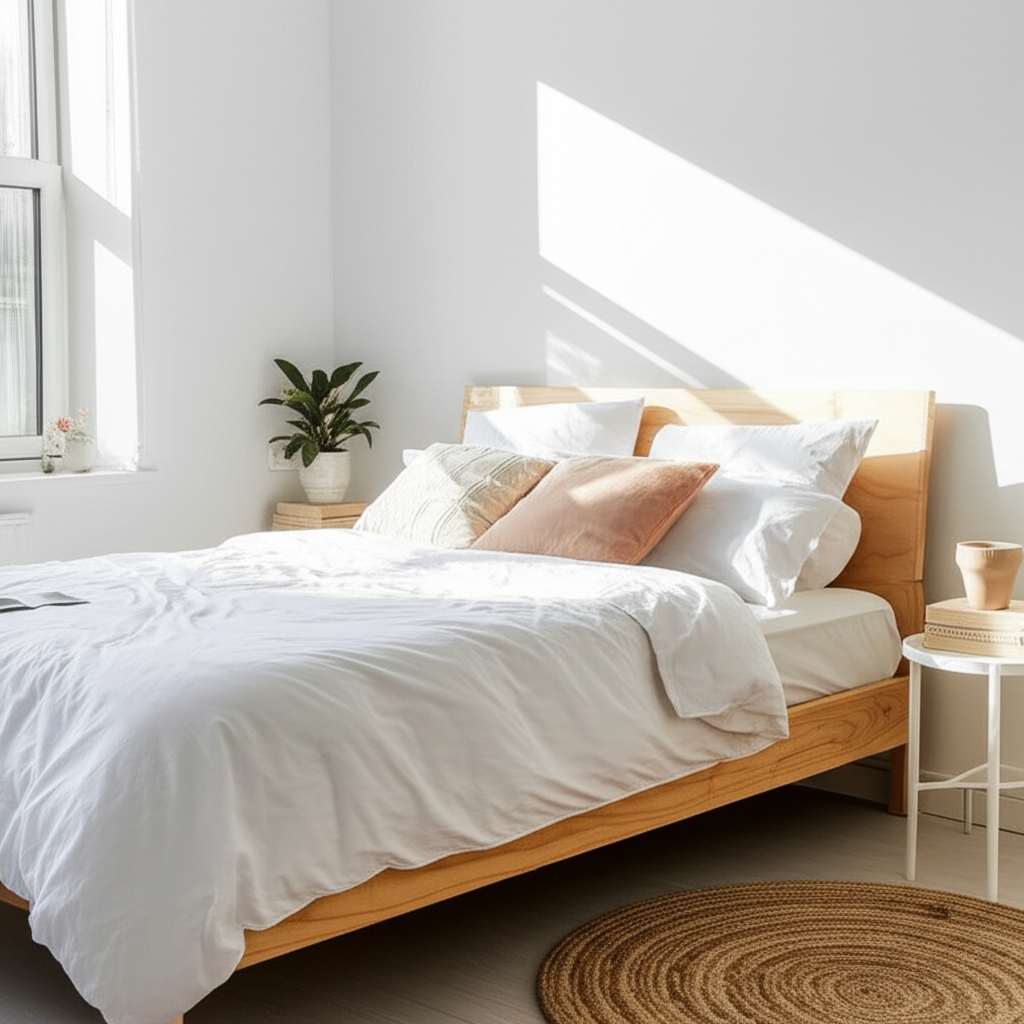
Small simple bedroom design ideas can transform tiny spaces into cozy, functional, and stylish sanctuaries. Focus on smart storage, light colors, and multi-functional furniture to maximize every inch. These achievable makeovers prove that a small room can be big on personality and comfort, even on a budget.
Is your bedroom feeling a bit cramped? You’re not alone! Many of us dream of a spacious, serene retreat, but end up with a small room that feels more like a storage closet. It can be frustrating when you want to create a stylish haven, but every piece of furniture seems to take up too much space.
But don’t worry! Designing a small bedroom doesn’t have to be a puzzle. With the right tricks and a little creativity, you can make even the tiniest room feel larger, more organized, and wonderfully inviting. It’s all about working smarter, not harder, with the space you have.
Get ready to discover simple, effective ideas that will help you achieve that amazing bedroom makeover you’ve been wishing for. We’ll cover everything from clever storage solutions to making the most of light and color.
Embrace the Power of Light Colors for a Bigger Feel
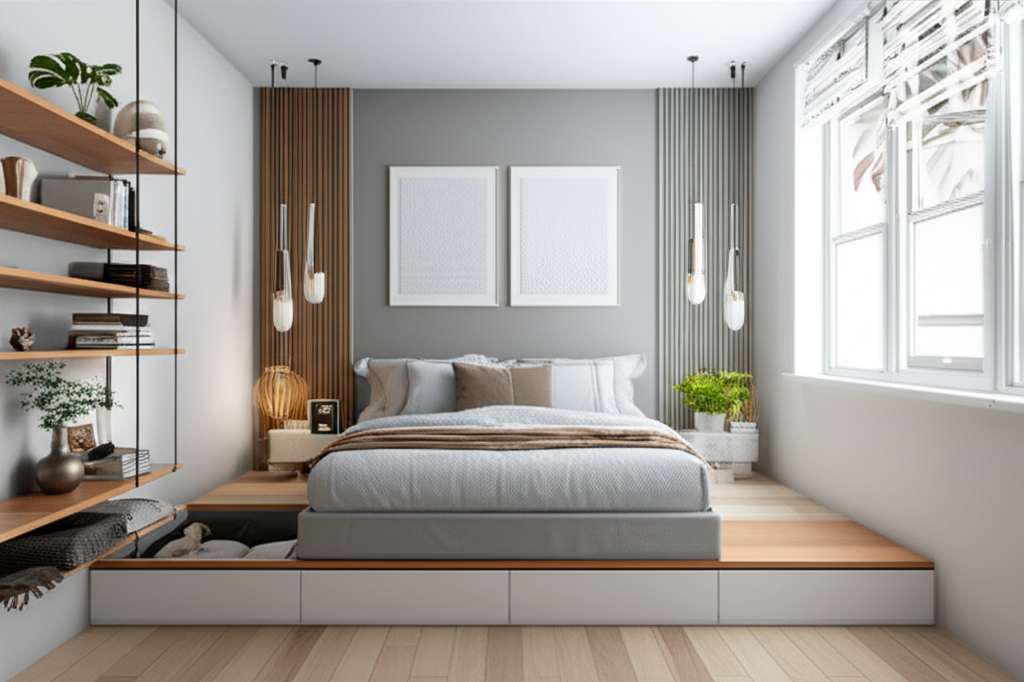
One of the simplest and most effective ways to make a small bedroom feel bigger is by using light colors. Think soft whites, pale grays, muted blues, and gentle greens. These hues reflect light, making walls appear to recede and opening up the space.
Don’t be afraid to go monochromatic! Using variations of the same light color throughout the room—walls, bedding, and even some accessories—can create a cohesive and expansive look. This visual trick helps the eye flow seamlessly, making the room feel less broken up and therefore larger.
Painting Tips for Small Spaces
- Choose a Light, Neutral Base: Opt for shades like off-white, cream, light beige, or a very pale pastel. These colors are versatile and create a bright, airy atmosphere.
- Consider the Finish: A satin or eggshell finish reflects more light than a matte finish, which can help enhance the feeling of space.
- Paint the Ceiling: Painting your ceiling a shade lighter than your walls, or even pure white, can draw the eye upward, making the room feel taller.
- Accent Wall Strategy: If you love a bit of color, use it sparingly on one accent wall, preferably the one behind your bed. Keep the other walls light to maintain the illusion of space.
Smart Storage: The Key to a Clutter-Free Sanctuary
In a small bedroom, clutter is the enemy of space. Implementing smart storage solutions is crucial for keeping your room tidy and feeling more open. The goal is to utilize every available inch without making the room feel overstuffed.
Think vertically! Walls are your best friends when space is limited. Shelving units, wall-mounted cabinets, and even hooks can provide storage without taking up precious floor space. This keeps your main living areas clear and your room feeling serene.

Clever Storage Solutions to Try
- Under-Bed Storage: Invest in bins or drawers designed to slide neatly under your bed. This is perfect for stashing extra bedding, out-of-season clothes, or shoes.
- Wall-Mounted Shelves: Install floating shelves above your bed, desk, or dresser. They offer a place for books, decorative items, or small storage boxes.
- Vertical Wardrobe/Armoire: If you need more clothing storage, choose a tall, slim wardrobe rather than a wide, short one. This draws the eye upward.
- Over-the-Door Organizers: These are fantastic for shoes, accessories, or toiletries, and they take up no extra room.
- Utilize Corner Space: Corner shelves or a small corner cabinet can make use of often-neglected areas.
Multi-Functional Furniture: Double Duty for Double the Space
When every square foot counts, multi-functional furniture is a game-changer. Pieces that serve more than one purpose can significantly reduce the need for multiple items, freeing up space and simplifying your design.
Look for furniture that can adapt or serve a dual role. This approach is not only practical but also incredibly cost-effective, as you’re getting more bang for your buck from each piece. It’s about making your furniture work as hard as possible.
Must-Have Multi-Functional Furniture
- Storage Bed Frame: Beds with built-in drawers or a lift-up mechanism offer substantial hidden storage, eliminating the need for a separate dresser.
- Ottoman with Storage: A stylish ottoman can serve as a footrest, extra seating, and a secret spot for blankets or magazines.
- Desk with Built-in Shelves: Combine your workspace with storage. A desk that has integrated shelving can hold your computer, books, and office supplies.
- Convertible Sofa Bed: If your bedroom doubles as a guest room, a sofa bed is a smart choice, offering seating during the day and a sleeping spot at night.
- Nesting Tables: These can be tucked away when not in use and pulled out as needed for a side table or a temporary surface.
The Magic of Mirrors: Creating Depth and Light
Mirrors are one of the oldest and most effective tricks in the interior design book for making small spaces feel larger. They reflect light, bounce reflections of your room, and create an illusion of depth.
Strategically placed mirrors can visually double the size of your room. Consider where the mirror will reflect—ideally, it should bounce light from a window or reflect a pleasing part of your room, rather than a cluttered corner.
Mirror Placement Ideas
- Opposite a Window: Placing a mirror directly across from a window will maximize the natural light and reflect the view, making the room feel more open.
- Full-Length Mirror: A tall, leaning mirror can add height to the room and also serves a practical purpose for checking your outfit.
- Mirrored Closet Doors: If you have a closet, consider replacing the doors with mirrored ones. This is a fantastic way to add a large reflective surface without taking up wall space.
- Gallery Wall with Mirrors: Mix mirrors of different shapes and sizes into a gallery wall for a dynamic and light-enhancing display.
Furniture Placement: The Art of the Arrangement
How you arrange your furniture can make or break a small bedroom. The key is to create clear pathways and avoid blocking natural light or entryways. Think about flow and function.
Instead of pushing all furniture against the walls, experiment with slightly pulling pieces away. This can sometimes create a more dynamic and spacious feel. Always consider the main focal point of your room, which is usually the bed.
Tips for Arranging Furniture in Small Bedrooms
- Bed Placement is Key: Ideally, place your bed against the longest wall or centered on a wall, but ensure there’s space to walk around it. Avoid placing it directly opposite the door if possible, as it can feel confrontational.
- Create Zones: Even in a small room, you can create distinct zones for sleeping, dressing, and working. Use furniture placement or rugs to subtly define these areas.
- Leave Walkways Clear: Ensure there’s at least 2-3 feet of space for main walkways so you can move around comfortably.
- Scale Down Furniture: Opt for furniture that is appropriately sized for the room. A massive bed or dresser can overwhelm a small space.
- Consider Floating Furniture: Wall-mounted nightstands or desks can free up floor space and give a more airy feel.
Decluttering: The Foundation of a Serene Space
Before you even think about paint colors or new furniture, the most crucial step for any small bedroom makeover is decluttering. A cluttered room will always feel smaller and more chaotic, no matter how well it’s decorated.
Be ruthless! Go through everything and decide what you truly need and love. Anything else can be donated, sold, or discarded. A clean slate is the best canvas for your design dreams.
The Decluttering Process
- Empty and Sort: Take everything out of your closet, drawers, and off surfaces. Sort items into piles: Keep, Donate, Sell, Trash.
- One Category at a Time: Focus on one type of item at a time (e.g., clothes, books, papers). This makes the task less overwhelming.
- The “One In, One Out” Rule: Once you’ve decluttered, adopt this rule for the future. For every new item that comes into your room, one similar item must go out.
- Digital Decluttering: Don’t forget digital clutter! Organize your photos, files, and apps to reduce mental load.
- Regular Maintenance: Schedule brief weekly or monthly decluttering sessions to keep on top of things.
Lighting: Brighten Up Your Small Space
Good lighting can dramatically change the perception of a room’s size. Harsh overhead lighting can make a small space feel stark, while a layered lighting approach can create warmth and depth.
Combine different light sources to create ambiance and functional zones. Think ambient light (general illumination), task lighting (for reading or working), and accent lighting (to highlight features).
Lighting Ideas for Small Bedrooms
- Ambient Lighting: A stylish ceiling fixture or a floor lamp can provide overall illumination. Consider dimmer switches to control the mood.
- Task Lighting: Wall-mounted sconces on either side of the bed are excellent space-savers and provide perfect reading light. A small desk lamp is essential for a workspace.
- Accent Lighting: Small LED strip lights behind your headboard or under shelves can add a cozy glow.
- Natural Light: Maximize natural light by using sheer curtains or blinds that can be easily opened. Keep windows clean and unobstructed.
Textiles and Decor: Adding Personality Without Overcrowding
Once the functional elements are in place, it’s time to add personality through textiles and decor. The trick in a small room is to choose items that make a statement without overwhelming the space.
Focus on quality over quantity. A few well-chosen decorative pieces can have more impact than a multitude of smaller items. Think about texture, color, and scale.
Decorating with Impact
- Large Art Piece: Instead of several small pictures, opt for one larger piece of art. It can act as a focal point and make the wall feel grander.
- Textural Elements: Incorporate soft throws, plush rugs, and varied cushion textures to add warmth and luxury without adding bulk.
- Plants: A well-placed plant can bring life and color into the room. Choose a variety that suits the light conditions and doesn’t take up too much space.
- Curtains: Hang curtains high and wide. This makes windows appear larger and the ceiling taller. Opt for lightweight fabrics in lighter colors.
- Personal Touches: Display a few cherished photos or mementos. Keep them organized on shelves or in a curated display.
DIY and Budget-Friendly Hacks
You don’t need a huge budget to achieve an amazing bedroom makeover. Many stylish and functional solutions can be achieved with a bit of creativity and some DIY effort. Renters can also adapt many of these ideas without making permanent changes.
Think about repurposing items you already own or finding affordable pieces at thrift stores or discount retailers. A fresh coat of paint can do wonders for an old piece of furniture.
Budget-Friendly Makeover Ideas
- Paint Existing Furniture: Give an old dresser or nightstand a new lease on life with a coat of paint in a light, modern color.
- DIY Headboard: Create a custom headboard using plywood, fabric, and some batting. You can find many tutorials online.
- Thrift Store Finds: Look for unique lamps, mirrors, or decorative items at second-hand stores.
- Contact Paper/Removable Wallpaper: Use these for accent walls or to update furniture fronts without permanent damage.
- Update Hardware: Simply changing the knobs or handles on your dresser or closet doors can make a surprising difference.
Creating a Cozy Nook
Even in a small bedroom, you can carve out a cozy nook for reading or relaxation. This adds a functional and inviting element to your space.
This can be as simple as a comfortable armchair with a small side table and a good reading lamp, tucked into a corner. It makes your small room feel more versatile and luxurious.
Elements of a Cozy Nook
- Comfortable Seating: A small, plush armchair or a floor cushion.
- Adequate Lighting: A floor lamp or wall-mounted reading light.
- Small Surface: A compact side table or a stool to hold a book or a drink.
- Soft Textiles: A throw blanket and a few decorative pillows.
- Personal Touch: A small plant or a stack of your favorite books.
Consider the Scale of Your Decor
When decorating a small bedroom, the scale of your decor is incredibly important. Oversized items can make the room feel cluttered and cramped, while items that are too small can get lost.
Think about furniture, artwork, and even decorative accessories. The goal is to create a harmonious balance where everything feels proportionate to the size of the room.
Scale Guide for Small Rooms
| Item | Ideal Scale for Small Bedroom | Avoid |
|---|---|---|
| Bed | Platform bed, low profile, or twin/full size. | Oversized headboards, four-poster beds. |
| Dressers/Nightstands | Slim, tall designs or floating options. | Bulky, wide furniture. |
| Artwork | One large statement piece or a carefully curated gallery wall. | Many small, scattered pieces. |
| Rugs | Sized to define a zone (e.g., under the bed and extending out) or a smaller accent rug. | Rugs that are too small and don’t anchor the furniture. |
| Decorative Objects | A few well-chosen items that have visual impact. | Too many small knick-knacks. |
The Importance of Ventilation and Air Quality
While not strictly a design element, good ventilation and air quality are vital for making a small bedroom feel comfortable and inviting. Stale air can make a room feel stuffy and smaller than it is.
Ensuring fresh air circulation is a simple yet powerful way to enhance the overall feel of your sanctuary. Consider natural methods and perhaps a small air purifier if needed.
Tips for Better Air Quality
- Open Windows Regularly: Even for just 10-15 minutes a day, opening windows can significantly improve air circulation.
- Houseplants: Certain plants, like snake plants or spider plants, are known for their air-purifying qualities. For more, check out NASA’s list of indoor plants: NASA Clean Air Study.
- Avoid Strong Fragrances: Overpowering air fresheners or candles can sometimes make a small space feel more overwhelming.
- Consider an Air Purifier: A small, quiet air purifier can help remove allergens and improve overall air quality.
Frequently Asked Questions About Small Bedroom Design
Q1: How can I make my small bedroom look bigger without a lot of money?
Focus on light paint colors, strategic mirror placement, and decluttering. These are all low-cost or free ways to create the illusion of more space. Smart furniture arrangement also plays a big role.
Q2: What is the best color to paint a small bedroom?
Light, neutral colors are best. Think soft whites, pale grays, muted blues, or gentle pastels. These colors reflect light and make walls appear to recede, opening up the space.
Q3: Should I use a lot of small decorations or a few large ones in a small bedroom?
For a small bedroom, it’s generally better to opt for a few well-chosen, larger decorative pieces rather than many small ones. This creates a focal point without making the room feel cluttered.
Q4: How important is furniture placement in a small bedroom?
Furniture placement is crucial. It dictates the flow and functionality of the room. Always ensure clear pathways and avoid blocking windows or doors. Prioritize appropriately scaled, multi-functional furniture.
Q5: Can renters make their small bedrooms look amazing?
Absolutely! Renters can use many of these ideas, especially focusing on light colors, mirrors, smart storage (like over-the-door organizers), and decorative textiles. Removable wallpaper and updated hardware are also great renter-friendly options.
Q6: What is the biggest mistake people make when designing a small bedroom?
The biggest mistake is often not decluttering effectively. A cluttered room will always feel small and chaotic, regardless of design choices. Another common mistake is using furniture that is too large for the space.
Conclusion: Your Small Bedroom Sanctuary Awaits!
Transforming a small bedroom doesn’t require a complete renovation or a massive budget. By implementing these simple, effective small simple bedroom design ideas, you can create a space that feels larger, more organized, and wonderfully inviting.
Remember, it’s all about working with your space. Embrace light colors, utilize smart storage, choose multi-functional furniture, and use mirrors to your advantage. With a little creativity and thoughtful planning, your small bedroom can become the serene, stylish sanctuary you’ve always dreamed of. Happy decorating!