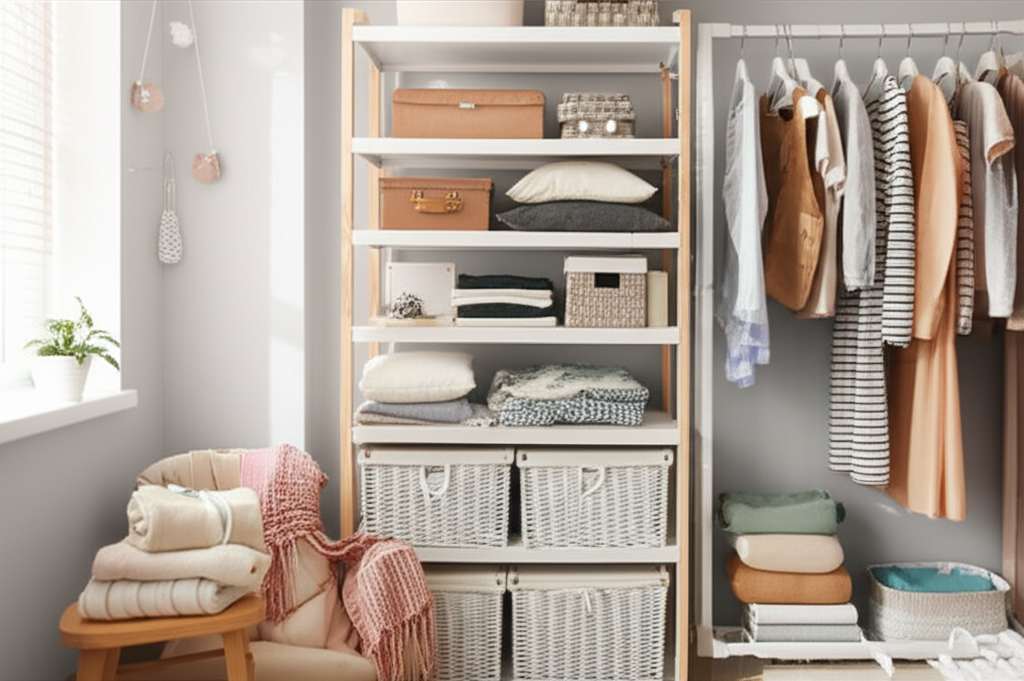
Bolded Quick Summary: Decorating a small bedroom without a closet is totally doable! Focus on smart storage solutions, multi-functional furniture, and visual tricks to make your space feel larger and more organized. Think open shelving, stylish wardrobes, and maximizing vertical space to keep clutter at bay and your room looking chic.
Hey there, design adventurer! So, you’ve got a cozy little bedroom, but it’s missing a crucial element: a closet. Don’t let that get you down! Many of us face this challenge, whether it’s in a charming old apartment, a tiny home, or even a rented space. It can feel like a decorating puzzle, but I promise, it’s one we can solve together.
The good news is that a lack of a built-in closet opens up a world of creative possibilities. We’re going to turn this “limitation” into an opportunity to craft a stylish, functional, and totally personalized sanctuary. Get ready to discover some brilliant hacks that will make your small bedroom feel bigger and more organized than ever.
Let’s dive into making your small bedroom a dream space, no closet required!
Transforming Your Small Bedroom Without a Closet: A Step-by-Step Guide
Feeling a little stumped by your closet-less bedroom? You’re not alone! It’s a common hurdle, but with the right approach, you can create a beautiful and organized space. We’ll walk through clever storage ideas, smart furniture choices, and design tricks to maximize every inch.
This guide is all about making your small bedroom work for you. We’ll break down the process into easy steps, so you can tackle it without feeling overwhelmed. Get ready to see your room in a whole new light!
Step 1: Embrace Smart Storage Solutions
The biggest challenge in a bedroom without a closet is finding a place for your clothes and belongings. The key is to think creatively about where and how you store things. We need to be strategic!
Consider solutions that are both functional and aesthetically pleasing. Open shelving, stylish storage bins, and multi-purpose furniture are your best friends here. The goal is to keep clutter hidden and your room feeling spacious.
1. Open Shelving Systems
Open shelves are a fantastic way to display your items while keeping them accessible. They can be used for folded clothes, shoes, accessories, or even decorative items. Opt for sleek, modern shelves or charming ladder shelves to add personality.
- Pros: Visually light, easy to access items, can double as decor.
- Cons: Requires regular tidying to look good, items can gather dust.
For clothing, you can use these shelves for neatly folded sweaters, t-shirts, and jeans. Add some decorative baskets or fabric bins to store smaller items like socks, underwear, or accessories. This helps maintain a tidy appearance and prevents visual clutter.
You can find a wide variety of stylish shelving units at stores like IKEA or on Amazon. For more DIY-friendly options, check out tutorials on creating your own floating shelves. Resources like This Old House offer great guidance on installation.
2. Freestanding Wardrobes and Armoires
A freestanding wardrobe or armoire is the closest you’ll get to a traditional closet. These pieces offer enclosed storage, which is excellent for hiding clutter and keeping your clothes dust-free.
Look for styles that fit your room’s aesthetic. Whether you prefer a minimalist modern design, a vintage-inspired armoire, or a simple garment rack with a fabric cover, there are options to suit every taste and budget.
- Pros: Enclosed storage hides clutter, provides hanging and shelf space, can be a stylish furniture piece.
- Cons: Can be bulky and take up floor space, may require assembly.
When choosing a wardrobe, measure your space carefully. Consider the internal layout – does it have enough hanging space? Are there shelves or drawers for folded items? Some even come with built-in mirrors, which can make your room feel larger.
3. Garment Racks
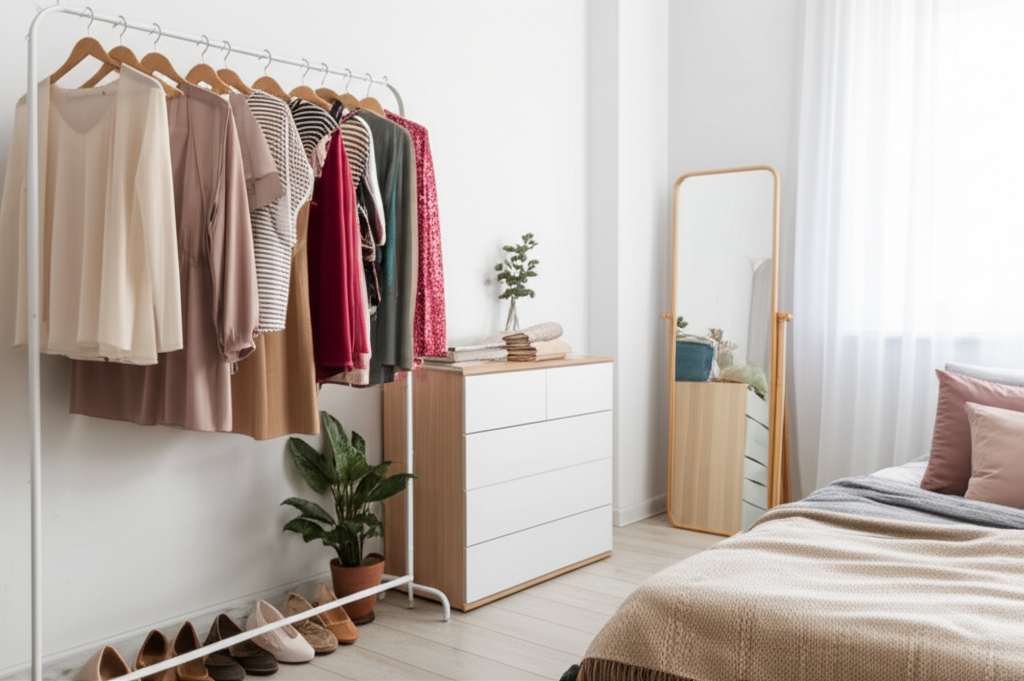
A garment rack is a minimalist and often budget-friendly alternative. It’s essentially a stylish pole with a place to hang clothes. Many come with shelves at the bottom for shoes or storage bins.
This option works best if you’re someone who likes to keep their outfits visible or if you rotate your wardrobe seasonally. You can even add a fabric cover to create a more cohesive look and hide your clothes when needed.
- Pros: Affordable, space-saving, easy to move, allows for visible outfit planning.
- Cons: Clothes are always on display (unless covered), less protected from dust.
A decorative garment rack can actually become a statement piece in your room. Look for ones made from metal, wood, or acrylic to match your decor style.
4. Under-Bed Storage Solutions
Don’t underestimate the space under your bed! This is prime real estate for storing seasonal clothing, extra bedding, or items you don’t use daily.
Invest in under-bed storage boxes with lids. Wheeled options make them easy to pull out. If your bed frame doesn’t offer much clearance, consider a bed frame with built-in drawers.
- Pros: Utilizes often-wasted space, keeps items hidden and organized, accessible.
- Cons: Can be difficult to access if the bed is low, items can get dusty if boxes aren’t sealed.
Look for clear plastic bins so you can easily see what’s inside. Fabric bins can also work, but it’s helpful to label them clearly. This is a great way to store items that you won’t need for a while.
5. Wall-Mounted Hooks and Pegs
Hooks and pegs are incredibly versatile. You can install them on walls or the back of your door to hang coats, robes, bags, hats, or even outfits you plan to wear the next day.
This is a simple and affordable way to add storage without taking up floor space. They can also add a decorative touch, especially if you choose stylish hooks.
- Pros: Space-saving, inexpensive, easy to install, adds decorative element.
- Cons: Can contribute to visual clutter if overused, items are always visible.
Consider a row of decorative hooks near your entryway or above a dresser. For a more organized look, use hooks for specific categories – one set for jackets, another for bags.
Step 2: Choose Furniture Wisely
In a small bedroom, every piece of furniture needs to earn its keep. Opt for pieces that are not only functional but also visually light and multi-purpose. This is where smart design really shines!
Think about scale and proportion. Large, bulky furniture can overwhelm a small room, making it feel even smaller. Instead, choose pieces that are streamlined and serve multiple functions.
1. Multi-Functional Bed Frames
Your bed is the largest piece of furniture in the room, so make it work harder! Consider a bed frame with built-in drawers for storage. This is a game-changer for keeping linens, extra clothes, or shoes neatly tucked away.
Alternatively, a storage bed with a lift-up mattress mechanism provides a massive amount of hidden storage space. This is ideal for items you don’t need to access daily, like seasonal clothing or spare blankets.
2. Vertical Dressers and Chests of Drawers
When floor space is limited, think upwards! A tall, narrow dresser or chest of drawers offers ample storage without taking up too much horizontal space. This allows you to store folded clothes, accessories, and other essentials efficiently.
Look for dressers with deep drawers to maximize capacity. Consider how the dresser fits with your overall decor – a sleek, modern design or a more traditional piece can both work.
3. Wall-Mounted Desks or Floating Shelves as a Workspace
If you need a workspace, a bulky desk can be a challenge. Opt for a wall-mounted desk that folds up when not in use, or simply use a sturdy floating shelf as a minimalist desk surface.
This keeps the floor clear and makes the room feel more open. You can pair a floating shelf with a stylish stool that tucks neatly underneath.
4. Ottomans and Benches with Storage
An ottoman or a bench at the foot of your bed can provide extra seating and a place to store blankets, books, or even shoes. Many designs come with lift-up lids for hidden storage.
This adds a touch of comfort and practicality without adding bulk. Choose one that complements your bed and other furniture.
Step 3: Create Visual Space and Light
Making a small room feel larger is often about tricking the eye. We can use color, light, and strategic placement of decor to create a sense of openness and airiness.
The goal is to make the room feel as spacious and bright as possible. This will make it more comfortable and inviting, even without a closet.
1. Light and Neutral Color Palettes
Light colors reflect light, making a room feel bigger and brighter. Whites, creams, pastels, and light grays are excellent choices for walls, bedding, and even larger furniture pieces.
If you love color, use it as an accent! Add pops of your favorite hues through throw pillows, artwork, or decorative objects. This keeps the overall feel light while still adding personality.
2. Mirrors, Mirrors Everywhere!
Mirrors are magical for small spaces. They reflect light and create the illusion of depth, making a room feel significantly larger.
Consider a large floor mirror, a wall-mounted mirror above a dresser, or even mirrored closet doors if you opt for a freestanding wardrobe. Grouping smaller mirrors can also create a similar effect.
3. Maximize Natural Light
Keep your windows unobstructed to let in as much natural light as possible. Use sheer curtains or blinds that can be easily opened wide.
Avoid heavy, dark drapes that can make the room feel closed off and dim. Natural light is your best friend in a small space.
4. Strategic Lighting
Beyond natural light, good artificial lighting is crucial. Use a combination of ambient (overhead), task (reading lamps), and accent lighting to create a warm and inviting atmosphere.
Wall-mounted sconces or slim floor lamps can save valuable floor space. Consider dimmer switches to control the mood and light levels.
5. Vertical Lines and Tall Elements
Draw the eye upwards! Tall, slender furniture pieces, vertical stripes on wallpaper or curtains, or tall plants can make the ceiling feel higher.
This helps to elongate the room and create a sense of spaciousness. Think about how you can guide the eye upwards rather than across the floor.
Step 4: Organize and Declutter Ruthlessly
This is arguably the most important step. In a small room, especially one without a closet, clutter can quickly take over and make the space feel cramped and chaotic.
Regularly decluttering and organizing will make a huge difference. It’s not just about finding a place for things; it’s about having only the things you truly need and love.
1. The One-In, One-Out Rule
For every new item you bring into your room, try to get rid of a similar item. This helps prevent accumulation and keeps your belongings in check.
This applies to clothing, books, decor, and anything else you store in your room.
2. Utilize Vertical Space for Storage
As we’ve touched on, think upwards! Wall shelves, tall dressers, and over-the-door organizers are your allies. The more you can get items off the floor and surfaces, the more spacious your room will feel.
Consider wall-mounted organizers for jewelry, accessories, or even small toiletries. This keeps things tidy and easily accessible.
3. Contain Small Items
Use baskets, bins, trays, and drawer dividers to keep small items organized. This prevents them from scattering and creating visual clutter.
Group similar items together. For example, keep all your charging cables in one small box, or all your makeup in a dedicated tray on your dresser.
4. Seasonal Rotation
Store out-of-season clothing and bedding in under-bed storage or in vacuum-sealed bags in another part of your home if possible. This frees up valuable space for the items you’re currently using.
This is a simple yet effective way to manage your wardrobe in a smaller space.
Step 5: Add Personality and Style
Once the practicalities of storage and organization are sorted, it’s time to make the room your own! This is where you infuse your personality and create a space you love spending time in.
Even with limited space and no closet, you can create a stylish and inviting retreat. Focus on elements that bring you joy and reflect your personal taste.
1. Art and Wall Decor
Artwork is a fantastic way to express your style. Choose pieces that you love and that fit the color scheme of your room. Gallery walls, large statement pieces, or even decorative tapestries can add character.
Remember the tip about drawing the eye upwards – consider hanging art a little higher than you might normally.
2. Textiles and Soft Furnishings
Throw pillows, blankets, and rugs add comfort, color, and texture to a room. They can instantly make a space feel cozier and more inviting.
Choose fabrics and patterns that align with your desired aesthetic. A soft rug can also define a space and add warmth underfoot.
3. Plants and Greenery
Plants bring life and a touch of nature indoors, which can make any space feel more welcoming and vibrant. Choose low-maintenance plants that are suitable for indoor environments.
Consider hanging plants or placing them on shelves to save floor space. Many plants also help purify the air, contributing to a healthier living environment.
4. Personal Touches
Incorporate items that are meaningful to you – photographs, souvenirs, cherished books. These personal touches are what make a house a home and a room a sanctuary.
Display them thoughtfully on shelves or dressers. Even small items can make a big impact on the overall feel of the room.
Putting It All Together: A Look at Your New Closet-less Bedroom
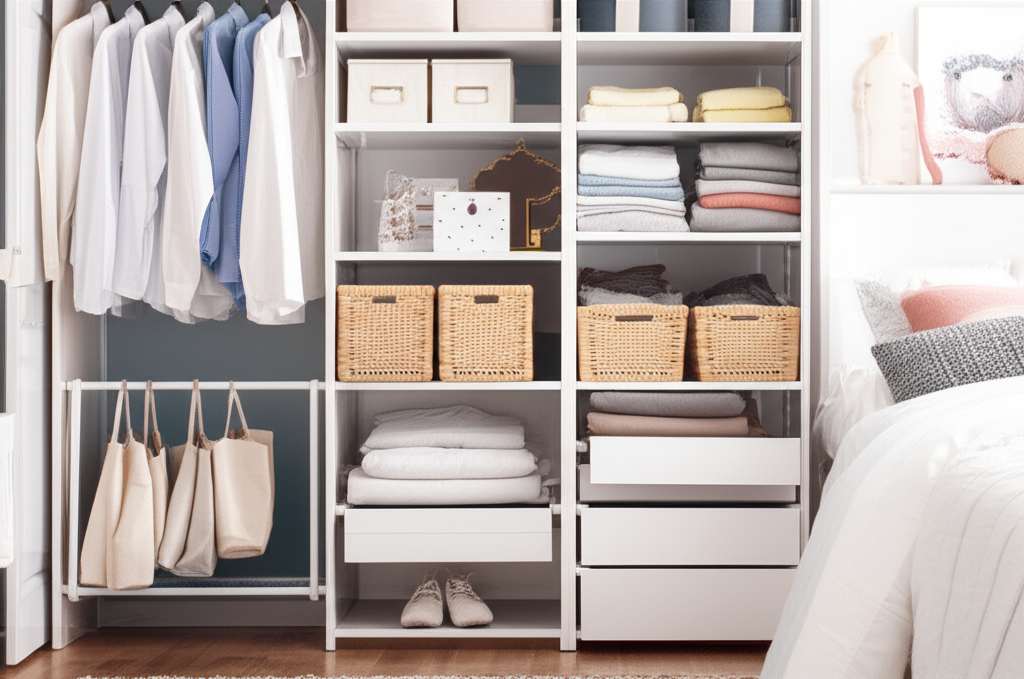
Imagine walking into your bedroom now. Instead of feeling overwhelmed by the lack of a closet, you see a thoughtfully organized and stylish space. Your clothes are neatly stored in a beautiful freestanding wardrobe or artfully displayed on open shelves.
Your under-bed storage is keeping extra linens out of sight, and your walls are adorned with art that makes you smile. The room feels bright, airy, and spacious, thanks to light colors, strategic mirrors, and ample lighting. It’s a testament to smart design and creative problem-solving.
This transformation proves that a small bedroom without a closet can be just as, if not more, functional and beautiful than one with a traditional closet. It’s all about working with what you have and making intentional choices.
Example Layout Ideas for a Small Bedroom Without a Closet
To help you visualize, here are a couple of popular layout ideas. These are flexible and can be adapted to your specific room dimensions and personal style.
| Layout Idea | Key Features | Best For | Storage Focus |
|---|---|---|---|
| The Open Wardrobe Nook | Utilizes a corner or wall for a garment rack or open shelving unit, often with a decorative screen or curtains for privacy. Bed is positioned to maximize open floor space. | Those who like to display their clothing or have a curated capsule wardrobe. | Garment rack, open shelves, wall hooks. |
| The Multi-Functional Furniture Hub | Focuses on a bed frame with built-in drawers, a tall dresser, and perhaps a storage ottoman. All furniture pieces are chosen for their dual purpose. | Maximizing hidden storage and keeping the room feeling as clutter-free as possible. | Under-bed storage, tall dresser, storage bench. |
| The Minimalist Vertical Focus | Emphasizes wall-mounted shelves, slim furniture, and vertical decor to draw the eye up. A simple bed frame and minimal floor items. | Creating an illusion of height and spaciousness with clean lines. | Floating shelves, wall organizers, compact storage units. |
These are just starting points. Feel free to mix and match elements to create a layout that perfectly suits your needs and lifestyle. The most important thing is that your room feels functional and comfortable for you.
Frequently Asked Questions (FAQ)
Q1: What is the best storage solution for clothes in a small bedroom with no closet?
The best solution often involves a combination of strategies. A freestanding wardrobe or armoire provides enclosed storage. Open shelving with attractive bins or baskets can store folded items and accessories. Under-bed storage is excellent for seasonal items, and wall hooks are great for daily wear like jackets and robes.
Q2: How can I make a small bedroom feel bigger without a closet?
Use light and neutral colors on walls and decor. Incorporate mirrors to reflect light and create depth. Keep furniture streamlined and avoid overcrowding the floor space. Maximize natural light and use layered artificial lighting. Vertical elements like tall shelves or curtains can also draw the eye upwards, making the room feel taller.
Q3: Is it okay to have my clothes visible in a small bedroom without a closet?
Yes, absolutely! If you have a curated wardrobe or enjoy displaying your clothes, a stylish garment rack or open shelving can be a great feature. To keep it looking neat, ensure your clothes are well-organized, ironed, and perhaps color-coordinated. You can also use decorative fabric covers for garment racks to hide clothes when needed.
Q4: What kind of furniture should I avoid in a small bedroom without a closet?
Avoid bulky, oversized furniture that takes up too much visual and physical space. Large, dark headboards, chunky nightstands, and wide dressers can make the room feel cramped. Opt for furniture with slim profiles, clean lines, and multi-functional capabilities.
Q5: How do I organize shoes in a small bedroom without a closet?
Under-bed storage bins with dividers are ideal for shoes. A shoe rack that fits vertically against a wall or inside a freestanding wardrobe is also effective. Over-the-door shoe organizers can be hung on the back of your bedroom door. If you have open shelving, consider using small baskets to keep shoes tidy.
Q6: Can I use a room divider to create a “closet” area?
Yes, a stylish room divider or a tall bookshelf can be used to section off an area of your room. You can then place a garment rack or open shelving within this designated space. This can provide a visual separation and a more closet-like feel, especially if you add curtains or a fabric screen.
Conclusion
Decorating a small bedroom without a closet might seem like a challenge, but as we’ve seen, it’s a fantastic opportunity to get creative! By focusing on smart storage solutions, choosing multi-functional furniture, and employing visual tricks to enhance space and light, you can transform your room into a stylish, organized, and comfortable haven.
Remember, the key is to be intentional with every choice. From the color palette on your walls to the type of storage you select, each element plays a role in creating a cohesive and functional space. Don’t be afraid to experiment and find what works best for your unique needs and style.
Your closet-less bedroom can be a beautiful reflection of your personality and a testament to your ability to make any space work. Embrace the process, enjoy the results, and create a room you absolutely love coming home to!