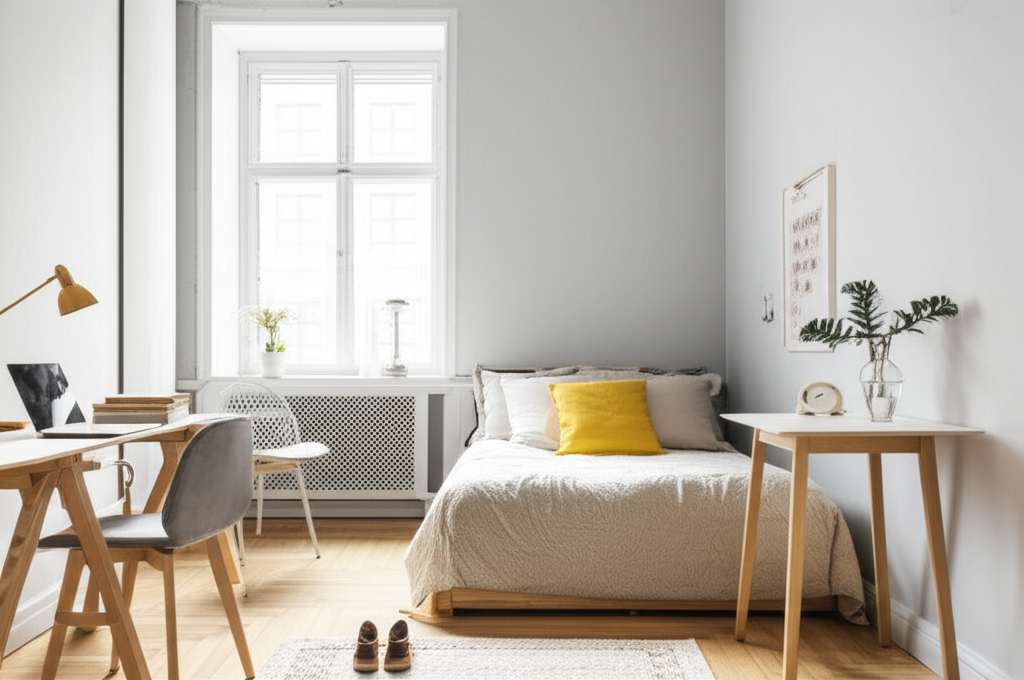
Transforming very small rooms into stylish, functional spaces is achievable with smart design choices. Maximize every inch using multi-functional furniture, clever storage, light colors, and strategic lighting to create an illusion of spaciousness.
Living in a small space doesn’t mean you have to sacrifice style or comfort. It can feel a bit daunting when you’re faced with limited square footage, wondering how to fit everything you need without making it feel cluttered. But don’t worry, designing a cozy and functional small room is totally doable!
Think of your small room as a delightful challenge, a canvas for creativity. With a few clever tricks and smart choices, you can make even the tiniest of spaces feel open, airy, and beautifully yours.
This guide is packed with practical, budget-friendly ideas to help you unlock your small room’s full potential. We’ll walk you through simple strategies that make a big difference, turning those design frustrations into decorating triumphs.
Ready to discover how to make your small room feel surprisingly spacious and stylish? Let’s dive in!
Maximizing Your Micro-Spaces: The Foundation of Small Room Design
The secret to a great small room isn’t about cramming more in; it’s about making every element work harder. We’re talking about creating a sense of openness and ensuring everything has a purpose. It’s all about smart choices that make your room feel bigger and more inviting.
1. Embrace Light and Bright Colors
Color is your best friend when it comes to making a small room feel larger. Light and neutral colors reflect light, making walls recede and the space feel more open. Think soft whites, pale grays, calming blues, and gentle greens.
Walls: Opt for a light, neutral paint color. This creates a seamless backdrop that makes the room feel expansive.
Ceilings: Painting your ceiling a shade lighter than the walls, or even pure white, can draw the eye upward, adding perceived height.
Accents: Use pops of color in accessories like cushions, throws, or artwork, rather than large furniture pieces. This adds personality without overwhelming the space.
2. The Magic of Mirrors
Mirrors are one of the oldest and most effective tricks in the book for making a room feel bigger. They bounce light around and create the illusion of depth, essentially reflecting a larger version of your room.
Strategic Placement: Hang a large mirror opposite a window to reflect natural light and the view outside. This instantly doubles the visual space.
Mirrored Furniture: Consider furniture with mirrored surfaces, like a small cabinet or a side table. This adds a touch of glamour while enhancing the sense of space.
Gallery Wall of Mirrors: Instead of artwork, create a dynamic display with a collection of smaller mirrors of different shapes and sizes.
3. Smart Lighting: Illuminating Your Options
Good lighting is crucial for making any room feel welcoming, but it’s especially important in small spaces. A well-lit room appears larger and more inviting than a dim, gloomy one.
Layer Your Lighting: Don’t rely on a single overhead light. Use a combination of ambient (general), task (for specific activities), and accent (decorative) lighting.
Wall Sconces and Floor Lamps: These can provide ambient light without taking up precious floor or surface space. Wall sconces are particularly effective at drawing the eye upwards.
Dimmers are Your Friend: Install dimmer switches so you can adjust the mood and brightness according to the time of day or your activity.
Furniture Finesse: Choosing Pieces That Work Harder
In a very small room, every piece of furniture needs to earn its keep. This means choosing items that are not only stylish but also serve multiple purposes or are scaled appropriately for the space.
4. Multi-Functional Furniture: The Space-Saving Superstars
This is where the real magic happens for small spaces. Furniture that does double duty is a game-changer, allowing you to get more functionality without adding more items.
Ottomans with Storage: Perfect for stashing blankets, magazines, or remotes. They can also double as a coffee table or extra seating.
Sofa Beds or Futons: Ideal for guest rooms or studios where you need a seating area that can transform into a sleeping space.
Nesting Tables: These can be pulled out when you need extra surface space and tucked away neatly when not in use.
Wall-Mounted Desks or Fold-Down Tables: Great for creating a workspace that disappears when you don’t need it. Many can be folded up to reveal a clean wall.
5. Scale Matters: The Right Size for Your Space
It might seem obvious, but choosing furniture that is the right scale for your room is vital. Oversized pieces will make even a medium-sized room feel cramped.
Leggy Furniture: Furniture with visible legs, like sofas or chairs, creates a sense of airiness because you can see the floor beneath them. This makes the room feel less heavy.
Slim Profiles: Opt for furniture with slim arms and a streamlined design. Avoid bulky, overstuffed pieces.
Vertical Space: Think about how furniture can utilize vertical space. Tall, narrow bookshelves are better than wide, short ones.
6. Built-in Storage Solutions
Maximizing storage is key to keeping a small room tidy and uncluttered. Built-in solutions can look seamless and make the most of every nook and cranny.
Alcove Shelving: If you have an awkward alcove, consider building shelves into it. This creates a functional and attractive storage area.
Under-Bed Storage: Utilize the space under your bed with drawers or storage boxes. This is prime real estate for seasonal items or extra linens.
Wall-Mounted Shelves: These are versatile and can be installed almost anywhere to hold books, decor, or essentials.
Clever Layouts and Visual Tricks
How you arrange your furniture and use visual cues can dramatically impact how spacious your room feels. It’s all about guiding the eye and creating flow.
7. Create Zones with Rugs and Furniture Placement
Even in a tiny room, you can create distinct areas for different activities, like a sleeping zone, a lounging area, or a workspace. This makes the room feel more organized and functional.
Rug Placement: Use rugs to define areas. A rug under your seating area can create a cozy “living room” zone within a larger studio apartment.
Furniture Arrangement: Pull furniture away from the walls slightly. This can create a sense of breathing room and make the space feel larger. Avoid pushing everything against the edges.
Focal Point: Designate a focal point for each zone. This could be a piece of art, a decorative lamp, or a window.
8. Utilize Vertical Space: Think Up!
When you can’t go out, go up! Tall, narrow furniture and wall-mounted items draw the eye upwards, making the ceiling feel higher and the room more expansive.
Tall Bookshelves: A tall, slender bookshelf can hold a lot of items without taking up much floor space.
Wall-Mounted Everything: Consider wall-mounted TVs, nightstands, or even shelves for plants. This frees up floor space and creates a cleaner look.
Hanging Plants: Plants add life and color, and hanging them frees up surfaces and utilizes vertical real estate.
9. Transparency is Key: Glass and Lucite Furniture
Furniture made from transparent materials like glass or lucite can make a room feel much larger because they don’t block sightlines.
Glass Coffee Tables: These are a classic choice for small spaces. They look light and airy and allow you to see the floor through them.
Lucite Chairs: Clear chairs, like acrylic or lucite designs, practically disappear, making the room feel more open.
Glass-Top Desks: A desk with a glass top can make a small workspace feel less imposing.
Storage Savvy: Keeping Clutter at Bay
Clutter is the enemy of small spaces. Finding smart, attractive ways to store your belongings is crucial for maintaining a sense of calm and order.
10. Think Beyond Traditional Storage
Don’t limit yourself to just cupboards and drawers. Get creative with how and where you store things.
Over-the-Door Organizers: These are fantastic for shoes, toiletries, or cleaning supplies. They utilize often-forgotten vertical space.
Pegboards: Highly versatile, pegboards can be used in kitchens, craft rooms, or even entryways to hang tools, utensils, or accessories.
Decorative Baskets and Boxes: Use attractive baskets and boxes to corral items on shelves or in open storage. They add texture and hide less attractive necessities.
11. Hidden Storage is Your Secret Weapon
The more you can hide away, the more spacious your room will feel.
Storage Beds: Beds with built-in drawers or lift-up mechanisms are incredibly practical for storing linens, seasonal clothing, or extra blankets.
Storage Ottomans and Benches: As mentioned before, these are brilliant for tucking away items while also serving as functional furniture.
Cabinets with Doors: Opt for closed storage whenever possible. This keeps visual clutter to a minimum.
Decorating with Impact: Adding Personality Without Clutter
Once the practicalities are sorted, it’s time to add your personal touch. In a small room, every decorative element should be chosen thoughtfully to maximize impact without overwhelming the space.
12. Curate Your Decor
Less is often more in a small room. Instead of filling every surface, choose a few meaningful or impactful decorative items.
Statement Art: One large piece of art can be more effective than a gallery wall of smaller items, which can sometimes make a space feel busy.
Meaningful Objects: Display items that you truly love and that have a story. This adds personality without creating clutter.
Plants: Greenery adds life, color, and a sense of freshness. Choose plants that suit your light conditions and space.
13. The Power of Textiles
Soft furnishings like curtains, rugs, and cushions can add warmth, color, and personality.
Lightweight Curtains: Opt for sheer or light-colored curtains that allow natural light to filter through. Avoid heavy, dark drapes.
Textured Rugs: A well-chosen rug can anchor a seating area and add comfort. Consider its color and pattern carefully.
Throw Pillows and Blankets: These are an easy and affordable way to add color and texture. Choose a few strategically placed items.
14. Keep Surfaces Clear
This is a golden rule for small spaces. The more clear surface area you have, the larger the room will feel.
Regular Decluttering: Make it a habit to put things away as soon as you’re done with them.
Designated Spots: Give everything a home. When items have a designated place, they are less likely to end up scattered.
* Wall-Mounted Solutions: As we’ve discussed, wall-mounting items frees up valuable surface space.
Small Room Design Ideas: Quick Comparison Table
Here’s a quick look at some of the most effective strategies for designing very small rooms:
| Design Strategy | Key Benefits for Small Rooms | Example Applications |
|---|---|---|
| Light & Bright Colors | Makes walls recede, reflects light, creates an airy feel. | Painting walls and ceilings, choosing light-colored furniture. |
| Mirrors | Reflects light, creates illusion of depth and space. | Large wall mirrors, mirrored furniture, collections of small mirrors. |
| Multi-Functional Furniture | Maximizes utility without taking up extra space. | Storage ottomans, sofa beds, nesting tables, fold-down desks. |
| Vertical Storage | Utilizes unused wall space, draws eye upwards, reduces floor clutter. | Tall bookshelves, wall-mounted shelves, hanging plants. |
| Transparent Furniture | Doesn’t block sightlines, creates a sense of openness. | Glass coffee tables, acrylic chairs, glass-top desks. |
| Strategic Lighting | Enhances mood, creates ambiance, makes space feel larger. | Layered lighting, wall sconces, dimmer switches. |
FAQ: Your Small Space Design Questions Answered
What is the best color to paint a very small room?
The best colors for very small rooms are light and neutral shades like white, cream, pale gray, or soft pastels. These colors reflect light, making the walls appear to recede and the space feel more open and airy.
How can I make a small bedroom feel bigger?
To make a small bedroom feel bigger, use light colors, strategic lighting, and mirrors. Choose furniture with a smaller footprint and consider multi-functional pieces. Utilize vertical space for storage and keep surfaces as clear as possible.
Is multi-functional furniture worth it for small spaces?
Absolutely! Multi-functional furniture is one of the most effective ways to maximize utility in a small space. Pieces like sofa beds, storage ottomans, and nesting tables allow you to get more use out of a single item, saving valuable square footage.
How important is lighting in a small room design?
Lighting is incredibly important. Good lighting can make a small room feel more spacious, welcoming, and functional. Layering different types of light (ambient, task, accent) and using dimmer switches can transform the feel of a small space.
Should I avoid dark colors in a small room?
While light colors are generally recommended, you don’t have to completely avoid dark colors. You can use them strategically as accent colors in small doses, such as on a single accent wall, in artwork, or in accessories. Just be mindful not to overwhelm the space with too much dark color.
What type of furniture should I avoid in a very small room?
Avoid bulky, oversized furniture with dark colors or heavy designs. Furniture that sits directly on the floor without legs can also make a space feel heavier and smaller. Opt for pieces with slim profiles and visible legs.
How can I maximize storage in a tiny apartment?
Maximize storage by using vertical space (tall shelves, wall-mounted units), hidden storage (under-bed drawers, storage ottomans), and multi-functional furniture. Get creative with over-the-door organizers and decorative baskets to keep things tidy and out of sight. For more inspiration, check out our guide on stylish kitchen storage accessories that bring order and elegance to compact spaces.
Conclusion: Your Small Space, Big Style Transformation
Designing a very small room doesn’t have to be a struggle. By focusing on smart strategies like embracing light colors, using mirrors effectively, and choosing multi-functional furniture, you can create a space that feels both larger and more stylish. Remember to utilize vertical space, layer your lighting, and keep clutter to a minimum.
Every element, from the paint on the walls to the smallest decorative accent, plays a role in how spacious your room feels. With these brilliant solutions, you’re well-equipped to transform even the tiniest of rooms into a functional, beautiful, and comfortable haven. So go ahead, experiment, and enjoy the process of making your small space shine! For additional ideas on optimizing compact areas, explore our tips on cozy small kitchen ideas and minimalist kitchen essentials that maximize efficiency without sacrificing style.