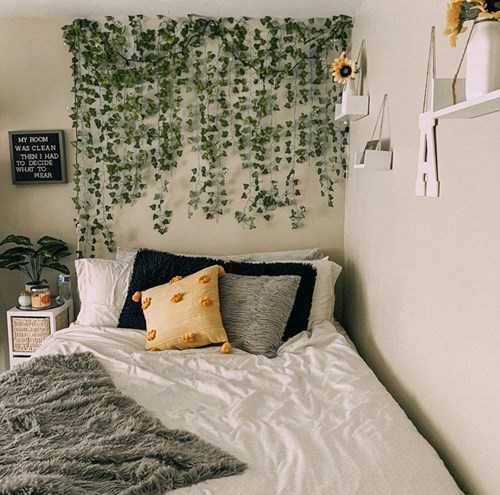
Decorating a room can be both exciting and overwhelming, but it doesn’t have to be! The key is to start with a clear vision and a few basic principles. Begin by choosing a color palette that reflects your personal style, as colors can dramatically change the mood of a space. Incorporate furniture and decor that serve both function and aesthetics, ensuring everything has a purpose. Don’t be afraid to mix textures and patterns to add depth and interest. Finally, personalize your space with art, photos, or meaningful objects that tell your story. With these simple steps, you can transform any room into a cozy, inviting haven that truly feels like home. Now, let’s dive deeper into the art of room decoration!

“`html
How to Decorate Room: A Step-by-Step Guide
Decorating a room can be an exciting yet challenging task. With so many choices available, it’s vital to have a plan that guides your decisions. Below, you will find a detailed exploration of different strategies and ideas to help you create a beautiful and personalized space.
Understand Your Space
Before diving into decorations, spend time observing your room. Look at the size, shape, and natural light. These elements will help you determine what style and colors work best.
– **Measure the Room**: Know your dimensions to choose suitable furniture and decor.
– **Assess the Lighting**: Identify how much natural light your room receives during the day.
Understanding the space allows you to make informed choices and maximize your décor efforts.
Choose a Color Scheme
Color plays a significant role in setting the mood of a room. Start by selecting a color palette that reflects your personality and preferences.
– **Use a Color Wheel**: This tool can help you find complementary colors.
– **Consider the Room’s Purpose**: Softer tones create a calming effect, while brighter colors can energize a space.
A well-thought-out color scheme can make your room feel cohesive and inviting.
Selecting Furniture
Furniture is crucial for functionality and aesthetics. Carefully consider the types of furniture you need.
– **Functionality**: Think about what activities will take place in the room.
– **Style**: Match your furniture with your chosen theme, whether it’s modern, rustic, or eclectic.
Ensure that the furniture you choose is both comfortable and proportional to the space.
Smart Furniture Arrangements
Arrange your furniture to encourage social interaction and movement. Try these tips:
– **Create Zones**: Define areas for different activities like reading, working, or entertaining.
– **Prioritize Flow**: Leave pathways open for easy movement around the room.
Good furniture arrangement enhances the comfort and usability of your space.
Adding Textures and Patterns
Incorporating different textures and patterns adds depth to your decor. Consider these options:
– **Fabrics**: Use pillows, throws, and rugs to introduce softness.
– **Wall Treatments**: Wallpapers, decals, and artwork can bring in bold patterns.
Mixing textures creates visual interest and makes the room feel more dynamic.
Lighting Matters
Lighting affects how a room feels. It is important to layer your lighting to achieve the perfect atmosphere.
– **Ambient Lighting**: This is your primary source, like overhead lights.
– **Task Lighting**: Use table lamps or floor lamps for specific areas.
Don’t forget to add dimmers to create versatile lighting options for every occasion.
Natural Light Enhancement
Natural light makes spaces feel larger and more inviting. Let it in by choosing the right window treatments.
– **Light Curtains**: Opt for sheer fabrics to allow light while maintaining privacy.
– **Reflective Surfaces**: Mirrors can amplify the natural light in your room.
Enhancing natural light can greatly improve the room’s ambiance.
Personal Touches
Adding personal elements makes a room feel like home. Here are some ideas:
– **Artwork**: Hang pieces that resonate with you.
– **Photos**: Use frames to display pictures of family and friends.
Personal touches convey your personality and create a welcoming atmosphere.
Accessorizing your Room
Accessories can tie a room together. Consider decor that complements your overall design.
– **Throw Pillows**: Use various colors and shapes for added comfort.
– **Plants**: Incorporate greenery to bring life to your space.
Choosing the right accessories can enhance style without overwhelming the room.
Wall Decor Options
Decorating walls can transform plain spaces into stunning focal points. Consider these options:
– **Gallery Wall**: Display a collection of art pieces or photographs.
– **Shelving**: Use open shelves to showcase books and decorative items.
Wall decor choices significantly impact the overall aesthetic of your room.
Functional Decor Items
Select decor that is not only attractive but also practical. Here are a few suggestions:
– **Storage Baskets**: Keep clutter at bay while adding charm.
– **Multi-functional Furniture**: Choose pieces that serve more than one purpose, like a bed with drawers.
Functional decor helps maintain organization and enhances the room’s usability.
Flooring Choices
Flooring can dramatically affect the look and feel of a room. Different options include:
– **Hardwood**: Provides a classic and elegant appearance.
– **Carpet**: Offers warmth and comfort, perfect for bedrooms.
Choose flooring that complements your style and fits your lifestyle needs.
Rugs as Decor Elements
Rugs can help define areas, add warmth, and introduce color. Here’s how:
– **Layering**: Use multiple rugs for added depth.
– **Size Matters**: Ensure the rug is appropriately sized for your furniture layout.
A well-placed rug can tie your décor together and add comfort underfoot.
Final Touches
Once you have decorated the main elements of your room, focus on the finishing touches:
– **Scented Candles**: Add fragrance to enhance the ambiance.
– **Throws**: Drape a cozy throw on a chair or bed for added texture and warmth.
Final touches bring your vision to life, creating a cozy and inviting space.
Planning Ahead
As you decorate, have a plan for the future. Keep in mind potential changes or updates. Here are some tips:
– **Budget**: Set a budget that allows for flexibility in your choices.
– **Timeless Elements**: Choose a few classic pieces that won’t go out of style.
Planning for the future ensures your room remains functional and stylish over time.
In summary, decorating a room is about expressing yourself and creating a comfortable space. By understanding your space, choosing a color scheme, selecting furniture, incorporating lighting, and adding personal touches, you can create a room that reflects who you are. Remember to have fun throughout the decorating process, and don’t hesitate to make changes along the way. Your room should be a true reflection of you!
“`
Theres so much more space now!🤗 #room #rearranging #roominspo #roomtour #pinterest #aesthetic
Frequently Asked Questions
What are some budget-friendly ideas for room decoration?
You can refresh your room without spending a lot by using budget-friendly ideas like repurposing old furniture, adding DIY wall art, or using removable wallpaper. Thrift stores often have unique items that can serve as statement pieces. You can also incorporate plants, which not only add color but also improve air quality.
How can I make a small room appear larger?
To create the illusion of more space in a small room, use lighter colors on the walls and furniture. Mirrors can also help reflect light and make the room feel more open. Opt for multifunctional furniture that saves space, like ottomans with storage or foldable tables. Arranging furniture thoughtfully can enhance the flow and functionality of the space.
Which elements should I focus on when decorating a room?
Focus on a few key elements: color scheme, furniture arrangement, and lighting. Start with a cohesive color palette that reflects your style. Position furniture in a way that promotes conversation and flow. Layer different lighting sources, like ambient, task, and accent lighting, to create a warm and inviting atmosphere.
What role do accessories play in room decoration?
Accessories add personality and character to a room. Items such as cushions, throws, artwork, and decorative items can bring color and texture to your space. Choose accessories that complement your theme and color palette, and don’t be afraid to mix different styles for an eclectic look.
How often should I update my room’s decor?
Updating your room decor can depend on your personal style and preferences. Some people refresh their space seasonally, while others may prefer to make changes every few years. It’s a good idea to reassess your decor if your tastes change or when you want to create a different atmosphere, like for a new season or special occasion.
Final Thoughts
Decorating a room involves a balance of functionality and aesthetics. Start by choosing a color scheme that reflects your personality and creates a desired atmosphere. Incorporate furniture that meets your needs while enhancing the visual appeal of the space.
Don’t forget the importance of lighting; it can drastically change the mood of a room. Finally, add personal touches with art, plants, or decor items that resonate with you. By following these tips on how to decorate room, you can create a welcoming and stylish environment that you’ll love to spend time in.