
Decorating a kids’ room in a small space can be a fun challenge. The key is to think vertically, embrace multi-functional furniture, and prioritize smart storage solutions. By maximizing every inch with clever design and organization, you can create a charming, functional, and spacious-feeling environment where your child can play, learn, and grow comfortably.
How to Decorate Kids Room in Small Space
Creating a magical, functional, and comfortable bedroom for your child can feel like a daunting task, especially when you’re working with limited square footage. A small space doesn’t mean you have to compromise on style or practicality. In fact, it often sparks incredible creativity! The trick to successfully decorate kids room in small space is to think smart, be strategic, and make every single inch count.
This comprehensive guide will walk you through innovative ideas and practical steps to transform even the tiniest room into a dream haven for your little one. We will cover everything from smart furniture choices and ingenious storage solutions to clever decorating tricks that make a small room feel much bigger. By the end, you’ll have all the tools to design a small kids room that is both beautiful and highly functional, fostering an environment where your child can thrive. Let’s dive in and learn how to decorate kids room in small space efficiently and joyfully!
Key Takeaways
- Embrace Vertical Space: Look up! Walls are prime real estate for shelving, wall-mounted desks, and bunk or loft beds, freeing up valuable floor space in a small room.
- Choose Multi-Functional Furniture: Invest in pieces that serve more than one purpose, like beds with built-in storage, ottomans that double as toy bins, or desks that fold away to save room.
- Master Smart Storage Solutions: Utilize every nook and cranny with under-bed drawers, door-back organizers, labeled bins, and toy rotation systems to keep clutter at bay and maintain order.
- Optimize Color and Lighting: Light paint colors and ample lighting can make a small room feel significantly larger and brighter. Incorporate mirrors strategically to reflect light and expand the perception of space.
- Declutter Regularly and Ruthlessly: A small room quickly becomes overwhelmed with clutter. Implement a “one-in, one-out” rule and regularly purge toys and clothes that are no longer used or needed.
- Personalize Thoughtfully: While small, the room should still reflect your child’s personality. Use wall decals, framed art, or a small gallery wall to add character without taking up floor space.
Step 1: Plan Your Space Smartly – The Foundation of Small Space Design
Before you even think about buying furniture or paint, the most crucial step is thorough planning. This initial stage will save you time, money, and headaches down the road when you decorate kids room in small space.
1.1 Assess the Room’s Potential and Limitations
Every small room has its quirks. Take a good look at the space. Where are the windows? Where does the door open? Are there any built-in features like closets or odd alcoves? These elements will dictate your layout and what furniture you can realistically fit. Consider the natural light and airflow. Think about what activities your child will primarily do in this room: sleep, play, study, or all three?
1.2 Measure Everything Accurately
Grab a tape measure and note down the dimensions of the room: length, width, and height. Don’t forget to measure the walls between windows, doors, and corners. Also, measure the available space for specific items like a bed or a desk. Having precise measurements is vital for choosing appropriately sized furniture and avoiding costly mistakes when you decorate kids room in small space.
1.3 Define Functional Zones within the Small Space
Even in a tiny room, you can create distinct zones for different activities. This helps in organizing and gives the room a sense of purpose.
- Sleeping Zone: Where the bed will go. Aim for a spot that feels cozy and isn’t directly in a high-traffic area.
- Play Zone: A small area for toys and imaginative play. This might be a rug or a corner that can be easily tidied up.
- Study/Creative Zone: If your child is older, a small desk or wall-mounted surface for homework or art.
- Storage Zone: Areas dedicated to clothes, books, and toys. This will often overlap with other zones, especially with clever furniture.
Visualizing these zones on paper or with tape on the floor can help you optimize the layout.
Step 2: Embrace Vertical Space – Look Up!
When floor space is scarce, the only way to go is up. Vertical storage is a game-changer when you decorate kids room in small space.
2.1 Utilize Wall-Mounted Shelving and Units
Floating shelves, wall-mounted bookcases, and cubbies are perfect for holding books, small toys, display items, and art. They keep items off the floor, freeing up precious square footage. Choose shelves that are shallow enough not to protrude too much into the room, but deep enough to be practical. Consider open shelving for an airy feel or closed cabinets to hide clutter.
2.2 Invest in Bunk Beds or Loft Beds
This is perhaps the most iconic small-space solution for kids’ rooms.
- Loft Beds: A loft bed elevates the sleeping area, leaving the space underneath open. This area can be transformed into a desk and study zone, a cozy reading nook, a play area, or even house a dresser or small sofa. It’s an excellent way to create two functional areas in the footprint of one bed.
- Bunk Beds: If you have two children sharing a small room, bunk beds are an obvious choice. They stack two sleeping areas vertically, saving immense floor space. Some bunk beds even come with built-in storage drawers or a pull-out trundle bed for sleepovers.
Ensure any elevated bed meets safety standards and is securely assembled.
2.3 Wall-Mounted Desks and Fold-Down Tables
For older children, a dedicated study space is essential. A wall-mounted desk that folds down when not in use can be incredibly efficient. Alternatively, a slim, floating desk that doesn’t have bulky legs keeps the floor clear and makes the room feel less crowded.
Step 3: Choose Multi-Functional Furniture – Double Duty is Key
Every piece of furniture you select for a small kids room should ideally serve more than one purpose. This is a golden rule when you decorate kids room in small space.
3.1 Beds with Integrated Storage
Forget about just a mattress and frame. Look for beds that come with built-in drawers underneath, cubbies in the headboard, or even shelves along the side. Some platform beds offer extensive storage options, negating the need for a separate dresser. Captain’s beds are excellent examples of this design.
3.2 Ottomans, Benches, and Chests with Storage
These pieces are perfect for seating, extra surface area, and most importantly, hiding toys, books, or extra blankets. A storage ottoman can serve as a child-friendly coffee table during playtime and quickly stash away loose items when guests arrive. A window bench with storage underneath adds a cozy reading spot and hidden storage.
3.3 Modular and Convertible Furniture
Think long-term. Can a changing table convert into a dresser? Can a crib transform into a toddler bed and then a daybed? Modular shelving units can be reconfigured as your child’s needs change, making them incredibly versatile in a small room. A desk that can extend or collapse is also a smart choice.
3.4 Rolling Carts and Mobile Storage
Furniture on wheels offers flexibility. A small rolling cart can hold art supplies or books and be moved wherever it’s needed, then tucked away when not in use. This flexibility is invaluable when trying to decorate kids room in small space.
Step 4: Master the Art of Decluttering – Less is More
No amount of clever design can compensate for excessive clutter. Regular decluttering is non-negotiable in a small kids room.
4.1 Implement a Regular Purge Routine
Kids accumulate things quickly. Schedule a monthly or quarterly “declutter day” where you go through toys, clothes, and books with your child. Encourage them to decide what they want to keep, donate, or discard. This teaches valuable organizational skills.
4.2 The “One-In, One-Out” Rule
For every new toy or piece of clothing that comes into the room, one old item must leave. This simple rule prevents accumulation and ensures that the storage solutions you’ve implemented remain effective.
4.3 Categorize and Contain
Group similar items together. All art supplies in one bin, all building blocks in another, all dress-up clothes in a specific chest. Use clear, labeled bins and baskets so your child knows exactly where everything belongs and can easily find and put away items.
Step 5: Smart Storage Solutions – Every Nook and Cranny Counts
Beyond furniture, specific storage solutions can make a huge difference in managing clutter in a small kids room.
5.1 Under-Bed Storage Drawers and Bins
If your bed doesn’t have built-in storage, invest in slim, rolling drawers or flat storage containers that fit neatly underneath the bed. This space is often overlooked but can hold a surprising amount of seasonal clothes, extra bedding, or seldom-used toys.
5.2 Door-Back Organizers
The back of the door is prime real estate. Over-the-door organizers with pockets or shoe racks can hold small toys, art supplies, hair accessories, or even display collections. This is a brilliant way to utilize vertical space that would otherwise be wasted.
5.3 Utilize Closet Space Effectively
If your small room has a closet, make it work harder.
- Adjustable Shelving: Install adjustable shelves to maximize vertical space for clothes, books, and bins.
- Double Hanging Rods: Add a second rod below the main one to hang more clothes.
- Drawer Units: Small plastic or fabric drawer units can sit on the floor or shelves to organize smaller items.
- Door Organizers: Just like the main room door, the inside of the closet door can hold organizers for accessories or small items.
5.4 Toy Rotation System
Instead of having all toys out all the time, store a portion of them away and rotate them periodically. This keeps the room less cluttered, makes old toys feel new again, and allows for fresh play experiences without constantly buying new items.
Step 6: Optimize Color and Lighting – Illusions of Grandeur
Colors and lighting play a psychological trick on the eye, making a small room feel larger and more inviting. This is a powerful technique to decorate kids room in small space.
6.1 Choose Light and Bright Color Palettes
Pale colors, especially whites, creams, light grays, and pastels, reflect light and make a room feel more open and expansive. Dark colors tend to absorb light and can make a small space feel even smaller and more enclosed. Stick to a limited color palette to avoid visual clutter.
6.2 Strategic Use of Accent Colors
While the main walls should be light, you can introduce pops of vibrant color through accessories like cushions, rugs, bedding, or a single accent wall. An accent wall can add personality without overwhelming the small space. Stripes (vertical for height, horizontal for width) can also create interesting visual effects.
6.3 Maximize Natural Light
Keep window treatments light and airy. Opt for sheer curtains or blinds that can be pulled up completely to allow maximum sunlight in. Avoid heavy drapes that block light and make the room feel cozier but also smaller.
6.4 Layered Lighting Solutions
Beyond natural light, use a combination of lighting sources.
- Overhead Light: A flush-mount or semi-flush-mount fixture provides general illumination without taking up space.
- Task Lighting: A wall-mounted lamp or a clip-on light for a reading nook or desk saves precious surface space.
- Accent Lighting: String lights or a small night light can add a cozy ambiance.
Good lighting can make a small room feel brighter and more inviting.
6.5 Incorporate Mirrors
Mirrors are magic for small spaces. They reflect light and create the illusion of depth, making a room feel larger and more open. Place a mirror opposite a window to reflect natural light, or on a wall to visually expand the room. Choose a fun frame to add personality.
Step 7: Personalize and Decorate Thoughtfully – Adding Charm Without Clutter
A small room can still be bursting with your child’s personality without feeling cramped.
7.1 Wall Decals and Peel-and-Stick Wallpaper
These are fantastic for adding character without permanence or taking up floor space. Choose themes that your child loves, from superheroes to animals to outer space. They are easy to apply and remove, making them perfect for evolving tastes.
7.2 Create a Gallery Wall
Instead of scattering small pictures and art pieces, consolidate them into a cohesive gallery wall. Use lightweight frames and arrange them creatively. This adds a focal point and showcases memories or artwork without cluttering surfaces. Command strips can be great for this.
7.3 DIY Projects for Personal Touch
Involve your child in DIY decor projects. Paint a small canvas together, decorate a plain storage box, or create a unique wall hanging. These personal touches make the room special and are often budget-friendly.
7.4 Choose a Theme Wisely
While themes are fun, a heavily themed room can quickly become overwhelming in a small space. Opt for a subtle theme with a few key pieces, like an astronaut bedding set with star decals, rather than every item being space-themed. This allows for easier updates as interests change.
Step 8: Ensure Safety and Accessibility – A Child-Friendly Environment
Designing a small room means you’re often placing furniture closer together. Safety is paramount, especially when you decorate kids room in small space.
8.1 Secure All Furniture to the Wall
Dressers, bookshelves, and any tall furniture should be anchored to the wall using anti-tip kits. This prevents accidents, especially as children climb or pull on items.
8.2 Child-Proofing Essentials
Cover electrical outlets, secure blinds cords, and ensure any sharp corners are protected. If using rugs, ensure they are non-slip or secured with rug tape.
8.3 Easy Accessibility for Your Child
While you want to utilize height for storage, ensure that your child can easily access their most-used toys, books, and clothes. This promotes independence and makes tidying up easier for them. Store frequently used items at their eye level or within easy reach.
Common Challenges When You Decorate Kids Room in Small Space & Solutions
Even with the best planning, you might encounter hurdles. Here are some common problems and how to tackle them.
Problem: Too Many Toys, Not Enough Space
Solution: This is a universal challenge! Implement the “one-in, one-out” rule rigorously. Use a toy rotation system so only a fraction of toys are accessible at any given time. Maximize vertical storage with wall-mounted bins or shelves for smaller items. For larger toys, consider flexible solutions like beanbag chairs that double as toy storage (they have covers where you can stuff plush toys).
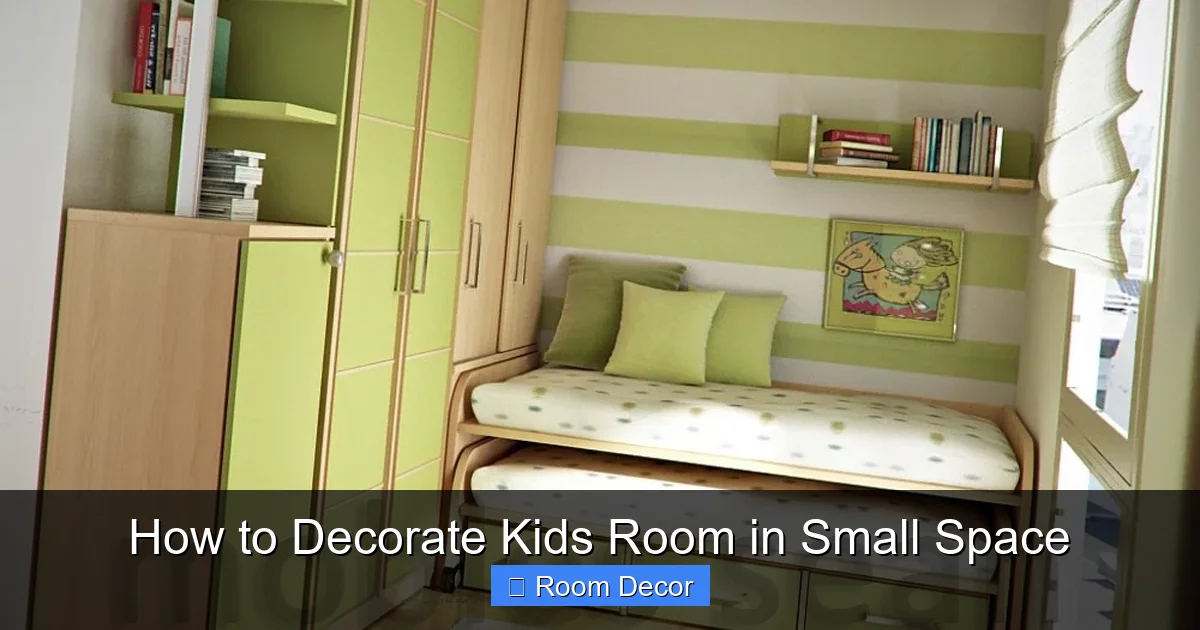
Visual guide about How to Decorate Kids Room in Small Space
Image source: cdn.home-designing.com
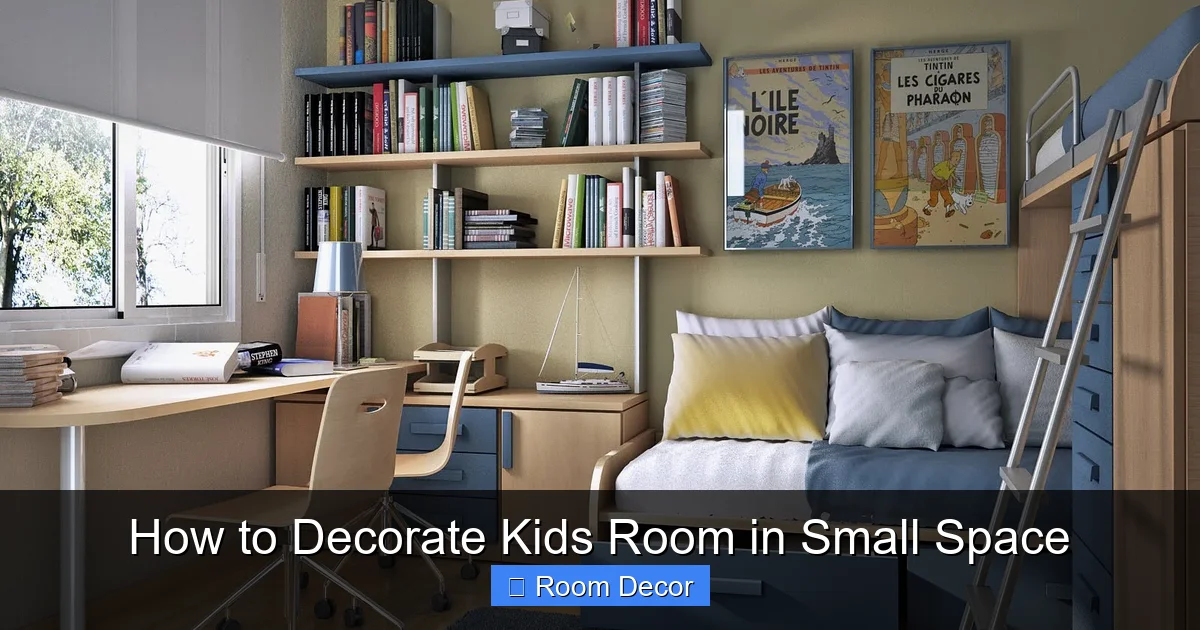
Visual guide about How to Decorate Kids Room in Small Space
Image source: cdn.home-designing.com
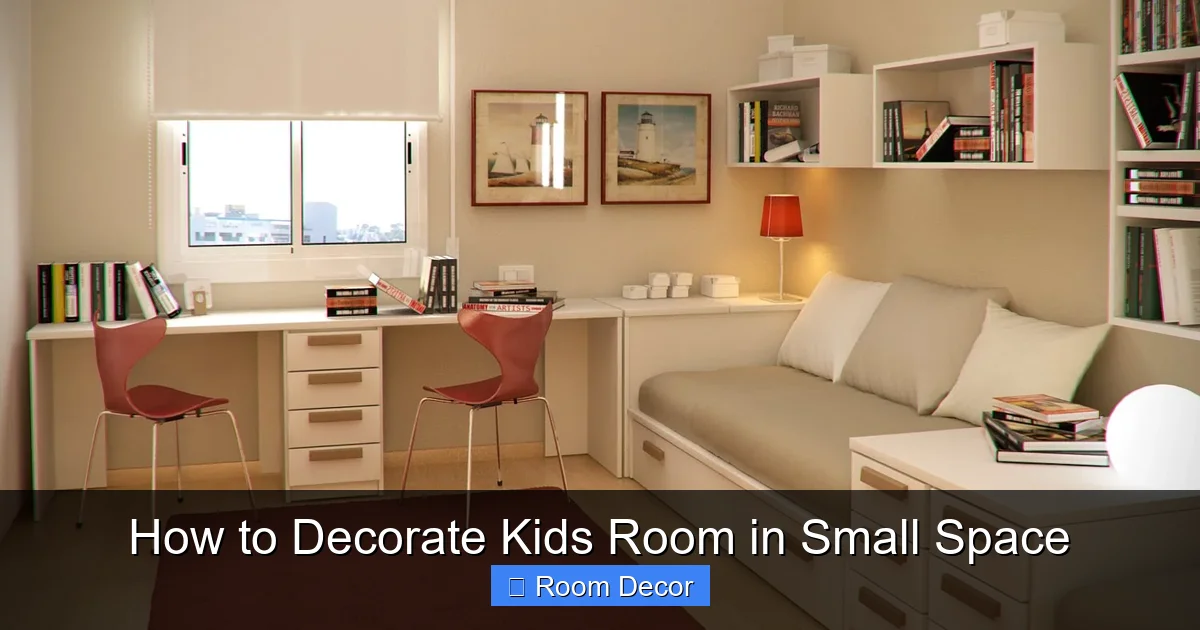
Visual guide about How to Decorate Kids Room in Small Space
Image source: home-designing.com
Problem: Room Feels Cramped and Dark
Solution: Revisit your color and lighting strategy. Paint walls a lighter shade and use light-colored textiles. Ensure windows are unobstructed and consider adding a mirror strategically. Add more layers of lighting: overhead, task, and accent. Sometimes, simply removing one non-essential piece of furniture can make a huge difference in opening up the space.
Problem: Adapting to Growth Spurts and Changing Needs
Solution: Invest in convertible or modular furniture from the start. A crib that becomes a toddler bed, or a changing table that transforms into a dresser, saves money and space in the long run. Choose neutral bases for large furniture and introduce age-appropriate themes and colors through easily changeable accessories like bedding, posters, or wall decals.
Problem: Difficulty Keeping the Small Room Tidy
Solution: The easier it is for kids to put things away, the more likely they are to do it. Ensure every item has a designated “home.” Use clear, labeled bins so they know exactly where things go. Keep storage at their height for frequently used items. Make tidying up a fun, quick routine or game. A clutter-free small space is an absolute must.
Conclusion
Decorating a kids room in small space doesn’t have to be a limitation; it can be an exciting opportunity for creative design. By embracing vertical solutions, choosing multi-functional furniture, mastering smart storage, and employing clever design tricks, you can create a room that feels spacious, organized, and truly special. Remember to involve your child in the process, making it a space that reflects their personality and meets their needs. With these strategies, you’re well-equipped to transform any small room into a functional and fabulous haven where your child can play, learn, and dream big!