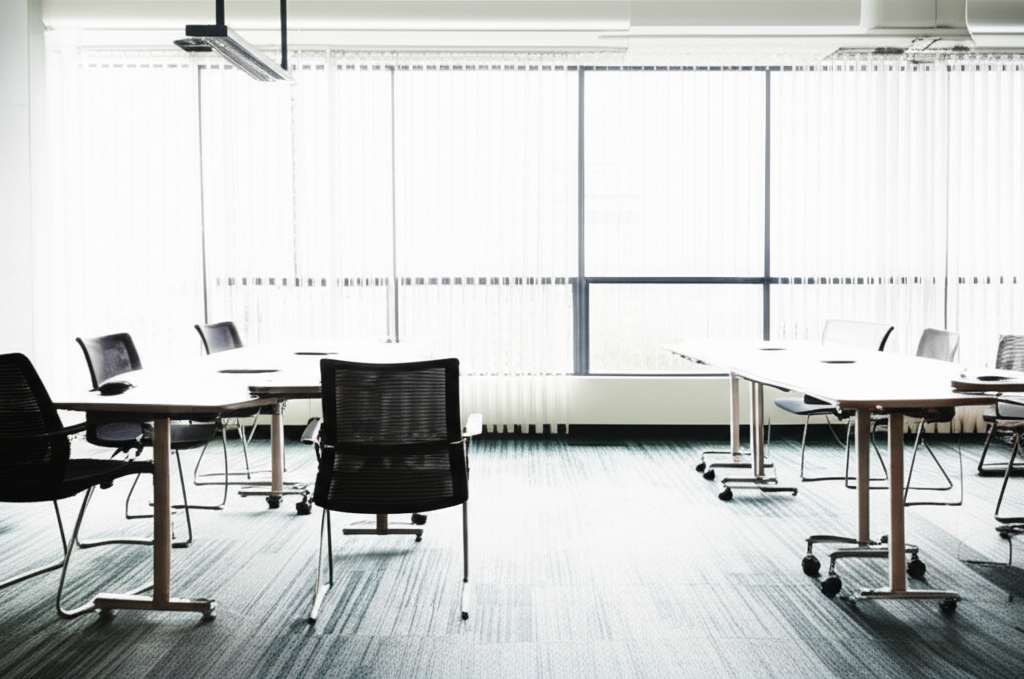
Transforming a small space into an effective training room is achievable with smart design. Focus on functionality, comfort, and flexibility to create an inspiring learning environment that maximizes every inch.
Creating a dedicated space for learning or training, even when space is limited, can feel like a big challenge. You might think you need a huge room to make it work, but that’s just not true! With a few clever tricks and thoughtful planning, even the smallest nook can become a fantastic training area.
Don’t let a tight square footage stop you from setting up the perfect spot for growth and development. We’ll walk through easy, budget-friendly ideas to make your small training room functional and fabulous. Get ready to unlock the potential of your space!
Why Small Training Room Design Matters
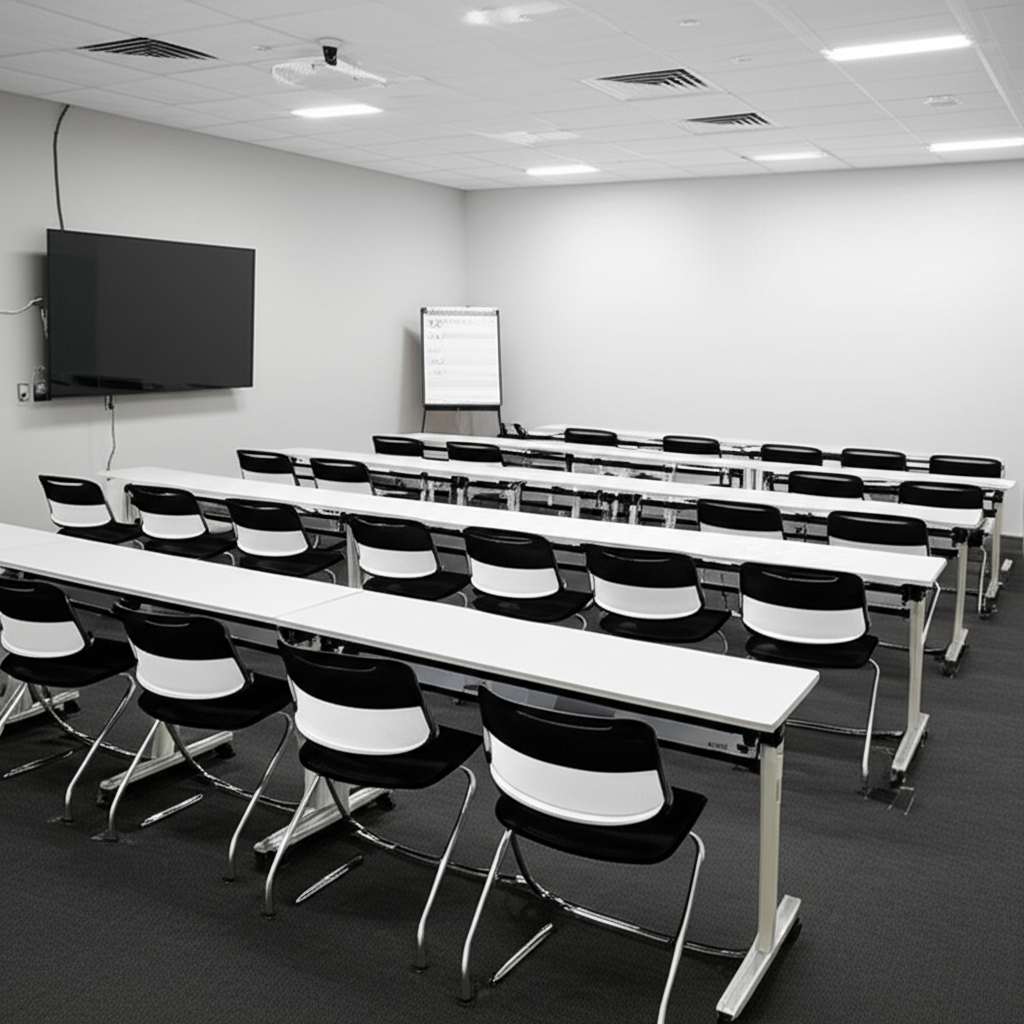
Even in a compact area, a well-designed training room can make a world of difference. It’s not just about fitting furniture in; it’s about creating an environment that supports focus, collaboration, and learning. A thoughtfully designed small space can feel more intimate and less intimidating, encouraging participation.
When a training room is cramped and disorganized, it can actually hinder the learning process. Participants might feel uncomfortable, distracted, or even claustrophobic, which isn’t ideal for absorbing new information. Good design, however, can make a small room feel open, inviting, and highly productive.
Essential Elements for Your Small Training Room
Before diving into specific design ideas, let’s cover the core components that every effective training room needs, regardless of size. These are the building blocks for a successful space.
1. Comfortable and Flexible Seating
Seating is crucial for participant comfort during training sessions. For small spaces, think about seating that can be easily moved, stacked, or reconfigured.
Stackable chairs: These are a lifesaver for small rooms. When not in use, they can be neatly stacked away, freeing up valuable floor space. Look for chairs that are still comfortable for longer sessions, perhaps with a bit of padding.
Folding chairs: Similar to stackable chairs, folding chairs can be stored easily. They are often lighter, making them even more portable.
Modular seating: Consider small ottomans or poufs that can be used as extra seating, footrests, or even small tables. They add a casual, flexible element.
Ergonomic considerations: Even with flexible options, ensure chairs offer decent lumbar support. For longer training, investing in slightly more ergonomic chairs is wise. You can find resources on office ergonomics from the Occupational Safety and Health Administration (OSHA).
2. Functional and Adaptable Tables
The type of table you choose significantly impacts how you can use the space. In a small room, adaptability is key.
Fold-away tables: These can be completely folded and stored against a wall or in a closet when the room isn’t being used for training.
Wheeled tables: Tables on casters offer incredible flexibility. You can arrange them in a circle for group work, in rows for presentations, or push them aside entirely to create open space.
Smaller scale tables: Instead of one large table, consider several smaller ones. This allows for more versatile arrangements.
Wall-mounted tables: For very tight spaces, a table that folds down from the wall can be an excellent space-saving solution.
3. Effective Lighting
Good lighting is essential for focus and to prevent eye strain. In a small room, it can also help make the space feel larger and more welcoming.
Natural light: Maximize any natural light available. Keep windows clear and consider sheer curtains that allow light in while offering privacy.
Layered lighting: Combine ambient (overhead) lighting with task lighting. A good overhead fixture should provide even illumination.
Adjustable task lights: Desk lamps or floor lamps with adjustable arms can be directed where needed, such as for participants working on laptops or taking notes.
Avoid harsh glare: Position lights so they don’t create glare on screens or create shadows where participants are working.
4. Essential Technology Integration
Modern training often relies on technology. Plan how you’ll integrate screens, projectors, and power sources seamlessly.
Screen placement: Decide if you’ll use a large monitor, a projector with a screen, or if participants will use their own devices. Ensure the screen is visible from all seating positions.
Power outlets and charging stations: Ensure there are enough accessible power outlets for laptops and devices. Consider a power strip or a dedicated charging station.
Cable management: Messy cables can make a small space feel even more cluttered. Use cable ties, sleeves, or raceways to keep them organized and out of sight.
5. Smart Storage Solutions
Storage is critical in any room, but especially in a small training space where clutter can quickly become overwhelming.
Vertical storage: Utilize wall space with shelves or wall-mounted cabinets. This keeps items off the floor and out of the way.
Multi-functional furniture: Look for storage units that can also serve another purpose, like a bench with built-in storage or a credenza that acts as a side table.
Mobile storage: Rolling carts or cabinets can be moved around as needed and tucked away when not in use.
Clear labeling: Labeling bins and shelves helps keep things organized and makes it easy for anyone to find what they need.
Small Training Room Design Ideas: Step-by-Step
Now that we’ve covered the essentials, let’s get creative with specific design ideas to make your small training room a functional and inspiring hub.
Step 1: Assess Your Space and Needs
Before you buy anything, take stock of your room.
Measure everything: Get accurate dimensions of the room, including window and door placements.
Identify your primary use: Will it be for lectures, group work, individual study, or a mix? This will dictate furniture needs.
Consider participant numbers: How many people will typically use the room? This impacts furniture size and quantity.
Determine your budget: Knowing your budget upfront will help guide your choices.
Step 2: Layout Planning – The Foundation of Functionality
How you arrange furniture is the most critical aspect of small space design.
Create zones: Even in a small room, you can mentally divide the space into zones for presentation, individual work, and collaboration.
Prioritize flow: Ensure there are clear pathways for people to move around without bumping into furniture. Aim for at least 3 feet of clearance for main walkways.
Think about sightlines: Make sure everyone can see the main presentation area or screen comfortably.
Experiment with layouts: Use painter’s tape on the floor to mock up furniture arrangements before moving heavy items. This is a great way to visualize the space.
Common Small Training Room Layouts
Here’s a look at how different layouts can work in a small training room:
| Layout Type | Best For | Pros | Cons |
|---|---|---|---|
| Classroom Style | Lectures, presentations, individual work | Maximizes seating, clear focus on presenter | Less interaction, can feel formal |
| U-Shape | Presentations with interaction, group discussion | Good visibility for all, encourages discussion | Takes up more space, less efficient for large groups |
| Hollow Square/Rectangle | Discussion-based training, small group collaboration | Promotes interaction, good for up to 10-12 people | Limited presenter visibility, can feel enclosed |
| Pods/Clusters | Breakout groups, collaborative projects | Highly interactive, adaptable for different tasks | Requires more tables, can fragment the space |
| Open Space | Flexibility, workshops, movement-based activities | Maximum flexibility, feels open and airy | Minimal dedicated seating, requires portable equipment |
Step 3: Choose Space-Saving Furniture
Opt for furniture that is scaled appropriately for the room and offers versatility.
Narrow tables: Instead of deep tables, choose narrower options that allow for more seating without taking up too much width.
Armless chairs: Chairs without arms often take up less space and can be tucked in more easily.
Wall-mounted desks: If participants primarily use laptops, consider fold-down desks attached to the wall.
Nesting tables: These tables can be tucked under each other when not in use, making them easy to store.
Step 4: Maximize Vertical Space
When floor space is limited, look up!
Wall shelves: Install floating shelves or wall-mounted units for books, supplies, or decorative items.
Pegboards: A pegboard is a fantastic, customizable storage solution for small tools, stationery, or even visual aids.
Tall, slim cabinets: If you need enclosed storage, choose tall and narrow cabinets that don’t jut out too far into the room.
Use the doors: Over-the-door organizers can provide surprising amounts of storage for smaller items.
Step 5: Create a Welcoming Atmosphere
A training room shouldn’t feel sterile. Injecting some personality makes it more inviting.
Color palette: Use light, calming colors on walls to make the space feel larger and more open. You can add pops of color with accessories.
Plants: Greenery can liven up a space and improve air quality. Choose low-maintenance plants suitable for indoor conditions. For more inspiration on incorporating greenery, explore our guide to plant decor ideas that work beautifully in compact areas.
Artwork and decor: Add a few pieces of inspiring artwork or motivational quotes. Keep decor minimal to avoid clutter.
Comfort touches: Consider a small rug to define an area or add warmth. Cushions on chairs can also enhance comfort.
Step 6: Optimize Technology and Connectivity
Ensure your tech setup is efficient and unobtrusive.
Wireless solutions: Wherever possible, opt for wireless keyboards, mice, or presentation clickers to reduce cable clutter.
Mounting options: Consider wall-mounting your screen or projector to save table space.
Hidden power strips: Use power strips with built-in surge protection and keep them discreetly placed or hidden within furniture. For more advanced power solutions, check out options for power distribution units designed for offices.
Step 7: Soundproofing and Acoustics
Acoustics can be tricky in small spaces.
Soft furnishings: Rugs, curtains, and upholstered furniture can help absorb sound and reduce echo.
Acoustic panels: For a more professional solution, consider adding a few strategically placed acoustic panels to the walls. These can significantly improve sound quality.
Minimize external noise: If possible, ensure doors and windows are well-sealed to block out external distractions.
Creative Small Training Room Design Hacks
Let’s explore some unique ideas to elevate your small training room design.
1. The “Flip” Room Concept
This is all about maximizing flexibility. Have furniture that can easily be moved or reconfigured.
Stackable chairs and tables: As mentioned, these are key. Have a designated storage spot for them.
Mobile whiteboards/flip charts: Use these on wheels so they can be moved around or used as room dividers.
Multi-purpose furniture: Ottomans that double as storage and extra seating are perfect.
2. Visual Tricks to Make the Space Feel Bigger
Design elements can trick the eye into perceiving more space.
Mirrors: Strategically placed mirrors can reflect light and create an illusion of depth.
Light colors: Stick to a light, neutral color palette for walls and large furniture pieces. For more tips on creating airy, open feels in tight spaces, check out our small space design strategies.
Vertical lines: Use elements that draw the eye upwards, like tall shelves or vertical stripes in decor.
Minimalist approach: Avoid too much clutter. A clean, organized space always feels larger.
3. Incorporate Biophilic Design
Bringing nature into the space can boost mood and productivity.
Plants: A few well-chosen plants can make a big difference. Consider plants that thrive indoors with minimal light.
Natural materials: Wood accents or natural fiber rugs can add warmth and texture.
Nature-inspired art: Landscape paintings or botanical prints can bring the outdoors in.
4. Define Zones with Rugs and Lighting
Even in a small room, you can create distinct areas.
Area rugs: Use a rug to define the main training area or a breakout discussion zone.
Pendant lights: A stylish pendant light over a central table can act as a focal point and define that area.
Floor lamps: Use floor lamps to create cozy corners for individual work or quiet reflection.
5. Smart Use of Wall Space
Walls are prime real estate in a small room.
Floating shelves: These provide storage without looking bulky.
Wall-mounted screens/monitors: Save table space by mounting your display.
Inspirational wall art: Use large-scale art or a motivational mural to make a statement. For creative wall decor inspiration, browse our collection of wall art ideas that enhance any compact space.
Bulletin boards or cork strips: These are great for displaying information or participant work.
Budget-Friendly Tips for Small Training Rooms
You don’t need a huge budget to create a great training space.
Buy used or refurbished: Look for furniture at office liquidators or online marketplaces.
DIY solutions: Get creative with DIY storage or decor projects.
Focus on essentials first: Prioritize functional furniture and good lighting before adding decorative elements.
Repurpose existing items: Can a bookshelf from another room be used? Can existing chairs be reupholstered?
Sales and discounts: Keep an eye out for seasonal sales on office furniture and decor.
Maintaining Your Small Training Room
Once designed, keeping your space functional and inviting is key.
Regular decluttering: Set aside 5-10 minutes at the end of each training session to tidy up.
Establish a system: Have clear places for everything. Train users on where items belong.
Periodic deep cleans: Schedule regular cleaning to keep the space fresh and well-maintained.
* Check technology: Ensure all equipment is working correctly and cables are tidy.
Frequently Asked Questions (FAQ)
Here are some common questions beginners have about designing small training rooms.
Q1: How many people can comfortably fit in a small training room?
A1: This depends heavily on the room size and the type of training. For lectures, you might fit 8-12 people with narrow tables and chairs. For interactive workshops, aim for fewer, perhaps 4-6, to allow for movement and collaboration. Always prioritize comfortable spacing over cramming more people in.
Q2: What is the most important furniture piece for a small training room?
A2: While it varies, comfortable and adaptable seating is often the most critical. Participants spend the most time sitting, so their comfort directly impacts their ability to learn. Flexible tables are a close second for maximizing space utility.
Q3: Should I use a projector or a large screen in a small training room?
A3: Both can work. A projector with a screen is often more flexible as the screen can be rolled down only when needed, saving wall space. However, a large monitor offers better image quality in well-lit rooms and can be easier to set up. Consider the room’s light control and your budget.
Q4: How can I make a small training room feel less cramped?
A4: Use light colors, mirrors, and vertical storage. Ensure good, layered lighting. Keep the space as uncluttered as possible and opt for furniture that doesn’t dominate the room, like armless chairs or slim tables.
Q5: Is it worth investing in specialized training room furniture for a small space?
A5: Yes, especially if the room is used frequently. Investing in stackable, foldable, or wheeled furniture designed for flexibility will pay off in terms of space optimization and ease of use over time. Look for durable, multi-functional pieces.
Q6: How do I handle power outlets and charging for multiple devices in a small room?
A6: Plan ahead by ensuring sufficient wall outlets. Use surge-protected power strips discreetly placed or integrated into furniture. Consider a small, dedicated charging station or a mobile cart with built-in power for a clean look. Cable management solutions are essential here.
Q7: What are some simple ways to improve the acoustics in a small training room?
A7: Soft furnishings like rugs, curtains, and fabric chairs help absorb sound. If echo is a significant problem, consider adding a few affordable acoustic panels to the walls. Even a well-placed bookshelf filled with books can help diffuse sound.
Conclusion
Designing a small training room doesn’t have to be a daunting task. By focusing on smart layout, versatile furniture, and clever use of space, you can create a highly functional and inspiring environment. Remember, the goal is to make the space work for the learning that happens within it, ensuring comfort, focus, and engagement for everyone.
From maximizing vertical storage to choosing the right lighting, each step contributes to a more effective training experience. With these essential tips and creative ideas, you can transform even the most modest space into a powerful hub for growth and development. Happy designing!