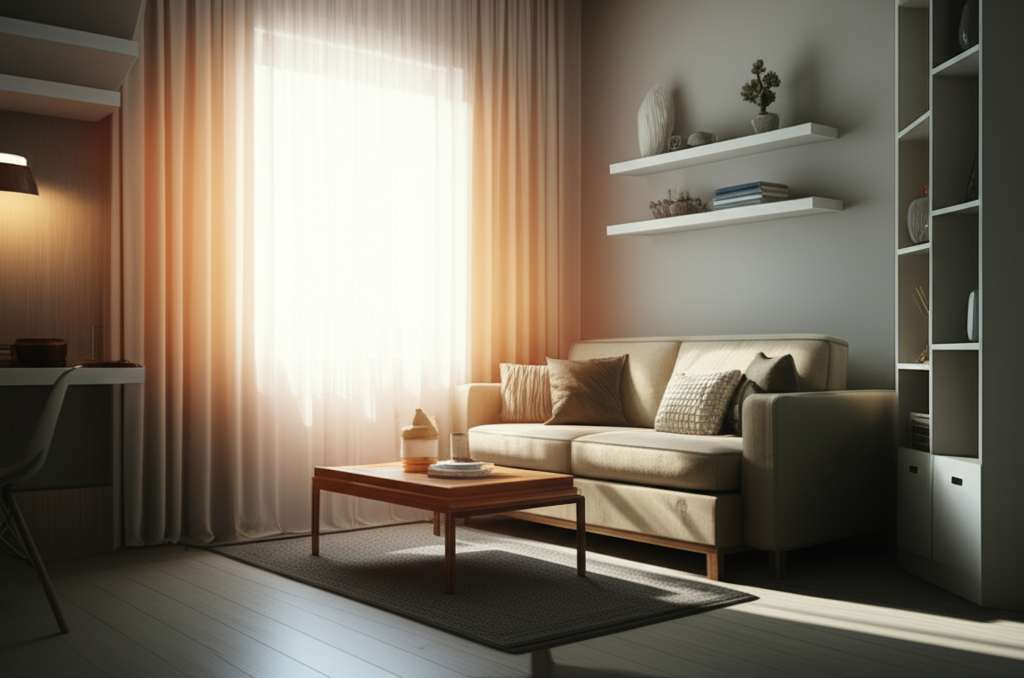
Small modern apartment design ideas focus on maximizing space with multi-functional furniture, clever storage, light-enhancing colors, and smart layout planning to create stylish, comfortable living areas.
Living in a small apartment doesn’t mean you have to sacrifice style or comfort. Many people think that a smaller space means fewer decorating options. It can feel a bit overwhelming trying to fit everything you need into a limited area.
But what if I told you that small spaces can actually be your design playground? With the right strategies, you can transform your apartment into a chic, functional, and inviting home. This guide is packed with simple, genius solutions.
We’ll walk through how to make every inch count, from clever storage hacks to creating the illusion of more space. Get ready to discover how to love your small apartment!
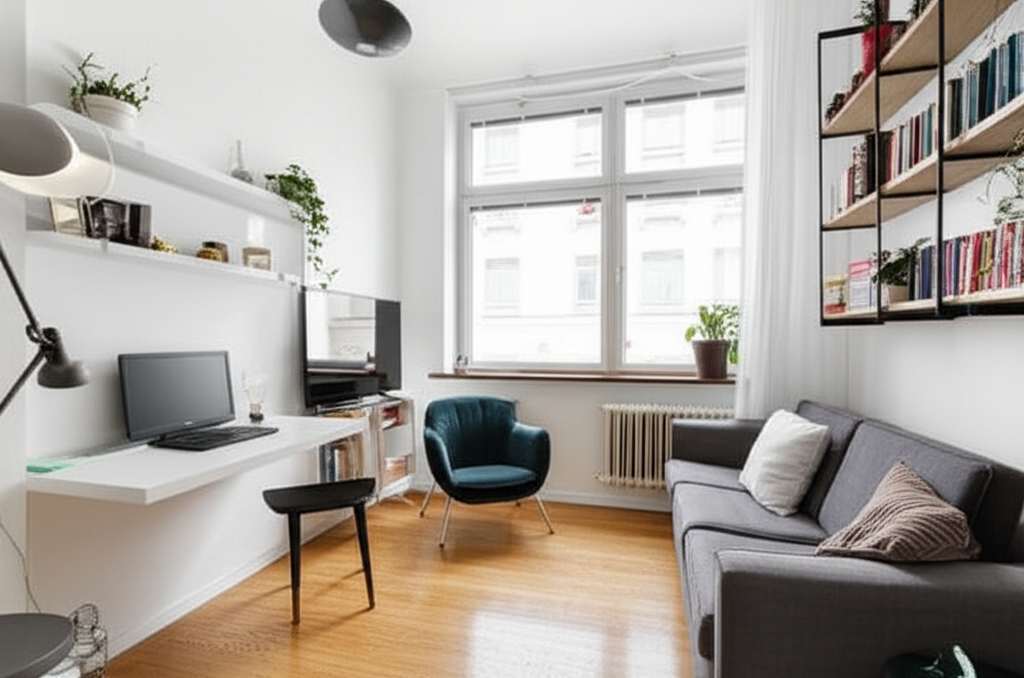
Small Modern Apartment Design Ideas: Genius Solutions for Stylish Living
Welcome to the exciting world of small apartment living! It’s easy to feel like your square footage is holding you back, but trust me, it’s just an opportunity for creativity. Small modern apartment design ideas are all about being smart, strategic, and stylish.
Think of your apartment not as small, but as cozy and intimate. The goal is to make it feel open, airy, and perfectly suited to your lifestyle. We’ll explore how to achieve this with practical tips that anyone can use, no matter your DIY skills.
1. Embrace the Magic of Multi-Functional Furniture
This is arguably the biggest game-changer for small spaces. Furniture that does double duty is your best friend. It saves space and reduces clutter, making your apartment feel much larger and more organized.
Consider pieces that can transform. A sofa that converts into a bed is perfect for guests. A coffee table with hidden storage can hide blankets, books, or remotes. Ottomans can serve as extra seating, a footrest, or a makeshift table.
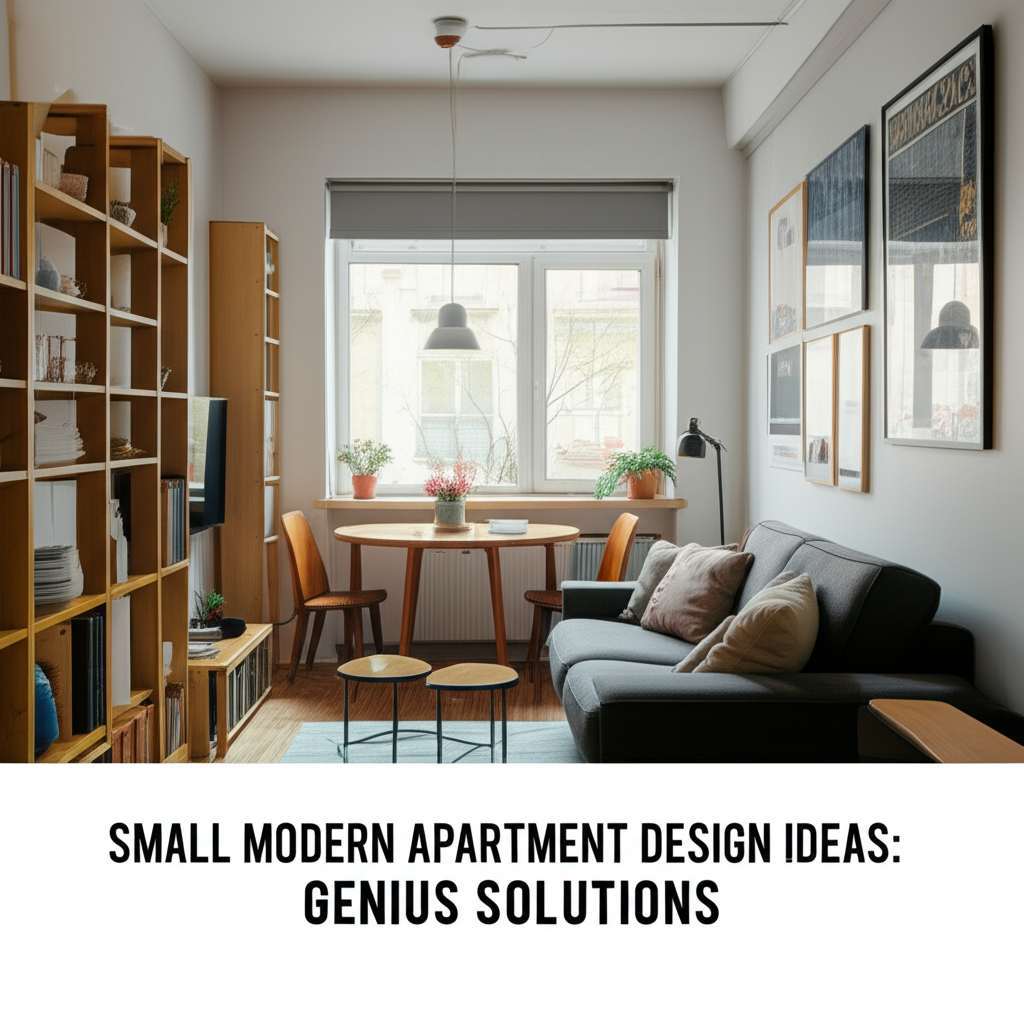
Examples of Multi-Functional Furniture:
- Sofa Beds: Ideal for studio apartments or living rooms that double as guest rooms.
- Ottomans with Storage: Great for living rooms or bedrooms to stash away items.
- Nesting Tables: These can be stacked when not in use and spread out when you need more surface area.
- Murphy Beds: Wall beds that fold up, freeing up significant floor space during the day.
- Storage Benches: Perfect for entryways or at the foot of a bed.
- Extendable Dining Tables: Small for daily use, but can expand for entertaining.
When choosing multi-functional furniture, look for pieces that are scaled appropriately for your space. You don’t want a bulky sofa bed that overwhelms the room even when it’s a sofa. Sleek, modern designs often work best in smaller apartments.
2. Smart Storage Solutions: Declutter and Organize
Clutter is the enemy of small spaces. The more organized you are, the larger your apartment will feel. Think vertically, use hidden spaces, and invest in smart storage systems.
Go Vertical: Walls are prime real estate! Install shelves high up on the walls to store books, decor, or even everyday items. Floating shelves can look sleek and modern without taking up floor space.
Hidden Storage: Utilize every nook and cranny. Under-bed storage bins are fantastic for off-season clothing or extra linens. Behind-door organizers can hold shoes, cleaning supplies, or pantry items.
Modular Systems: Consider modular shelving units that can be reconfigured as your needs change. They offer flexibility and can be adapted to fit awkward spaces.
Furniture with Built-in Storage: As mentioned before, this is key. Beds with drawers underneath, coffee tables with shelves or drawers, and benches with hidden compartments are lifesavers.
Entryway Organization: The entryway is often the first impression. A narrow console table with drawers, a wall-mounted coat rack, and a stylish basket for mail and keys can make a big difference.
Kitchen and Bathroom: These areas can get cluttered quickly. Use drawer organizers, tiered shelves in cabinets, and wall-mounted racks for utensils or toiletries. For more ideas on kitchen organization, check out resources from the United States Department of Agriculture (USDA), which often offers tips on food storage and pantry management that can be adapted to small kitchens.
3. Light & Bright: Color Palettes and Lighting
Color and light have a huge impact on how a space feels. Lighter colors make a room feel more open and airy, while strategic lighting can banish dark corners and create a welcoming ambiance.
Light Color Palette: Stick to a neutral and light color scheme for your walls, furniture, and larger decor items. Whites, creams, light grays, and soft pastels reflect light and make walls appear to recede, creating an illusion of space.
Accent Colors: You can still incorporate bold colors, but use them as accents. Think throw pillows, artwork, or a single statement piece of furniture. This adds personality without overwhelming the space.
Mirrors, Mirrors Everywhere: Mirrors are magical for small spaces. They reflect light and create the illusion of depth. Place a large mirror opposite a window to maximize natural light, or use a gallery of smaller mirrors to add sparkle.
Layered Lighting: Don’t rely on a single overhead light. Layer your lighting with a mix of ambient, task, and accent lighting. Floor lamps, table lamps, and wall sconces can create warmth and define different zones within a room.
Natural Light is Key: Keep window treatments simple and light. Avoid heavy drapes that block sunlight. Sheer curtains or blinds that can be easily opened allow maximum natural light to flood in.
Illuminating Dark Corners: Use uplighting or strategically placed lamps to brighten any dim areas, making the entire apartment feel more expansive.
4. Layout and Zoning: Defining Your Space
Even in a studio apartment, you can create distinct zones for living, sleeping, and working. This makes the space feel more functional and organized, preventing it from feeling like one big, chaotic room.
Rugs as Dividers: Use area rugs to define different zones. A rug in the living area can separate it from the dining or sleeping area. This visually breaks up the space without adding walls.
Furniture Placement: Arrange furniture to create natural pathways and delineate zones. For example, place your sofa with its back to the sleeping area in a studio to create a visual separation.
Open Shelving or Room Dividers: A strategically placed open bookshelf can act as a divider while also providing storage. You can also use screens or curtains for a more flexible division.
Vertical Zoning: Think about using different heights. A loft bed can elevate the sleeping area, freeing up floor space below for a desk or seating. This is a fantastic way to maximize vertical space.
Multi-Purpose Rooms: Designate areas that can serve multiple purposes. A dining table can double as a workspace. A comfortable chair and a small side table can create a reading nook.
5. Scale and Proportion: Choosing the Right Furniture
This is crucial for making a small apartment feel comfortable and not cramped. Avoid oversized furniture that will dominate the room and make it feel smaller.
Measure Everything: Before buying any furniture, measure your space carefully. Know the dimensions of your rooms and the pathways you need to keep clear. This avoids costly mistakes.
Opt for Sleek and Slim: Look for furniture with clean lines and a slim profile. Furniture with legs can make a room feel more open because you can see the floor underneath.
Consider Armless Chairs: Armless chairs take up less visual and physical space than those with arms, making them ideal for smaller dining areas or living rooms.
Avoid Bulky Pieces: Steer clear of overly plush or bulky sofas and chairs. A streamlined sofa with a lower back can make the ceiling appear higher.
Scale Your Decor: Don’t clutter your small space with too many small decorative items. A few well-chosen, larger pieces often have more impact and look less cluttered than many small ones.
6. The Power of Mirrors and Light Colors
We touched on this in the lighting section, but it’s worth reiterating because it’s so effective. Mirrors and light colors are your secret weapons for creating the illusion of space.
Mirror Placement: Strategically placed mirrors can do wonders. A large mirror on a wall can double the perceived size of a room. Placing a mirror opposite a window reflects natural light, making the space brighter and more expansive.
Reflective Surfaces: Beyond mirrors, consider other reflective surfaces like glossy finishes on furniture, metallic accents, or glass tabletops. These bounce light around the room.
Light Color Palette: As mentioned, light colors on walls, ceilings, and floors create a sense of openness. If you love darker colors, use them sparingly as accents or on a single feature wall.
White Ceilings: Always paint your ceilings white. This makes them appear higher and the room feel more spacious.
7. Maximize Wall Space with Shelving and Decor
Don’t let your walls go to waste! They are an incredible resource for storage and adding personality to your apartment.
Floating Shelves: These are a modern and sleek way to add storage without the bulk of traditional bookcases. Use them for books, plants, decorative items, or even as a small workspace.
Wall-Mounted Desks: A foldable or wall-mounted desk is a brilliant space-saving solution for a home office in a small apartment. When not in use, it can fold away neatly.
Pegboards: For kitchens, craft areas, or even entryways, pegboards offer a versatile and customizable storage solution. You can hang utensils, tools, artwork, or baskets.
Vertical Gardens: Bring in greenery without sacrificing floor space by creating a vertical garden on a wall. This adds life and color to your apartment.
Art and Photos: Don’t shy away from art. A few well-chosen pieces can make a big impact. Consider a gallery wall or one large statement piece. Hanging art at eye level can also draw the eye upwards, making the room feel taller.
8. Creating Zones with Furniture and Rugs
Even in an open-plan studio, you can create distinct areas for different activities. This makes the apartment feel more organized and functional.
The Power of the Rug: Area rugs are fantastic for visually separating spaces. A rug under your sofa and coffee table defines the living area. Another rug can define a dining space or a reading corner.
Furniture as Dividers: A low bookshelf or a console table can act as a subtle divider between a living area and a bedroom, for example. The back of a sofa can also serve this purpose.
Strategic Lighting: Use different types of lighting to highlight different zones. A pendant light over a dining table, a floor lamp in a reading corner, and task lighting in a workspace can all help define areas.
Color Blocking: You can also use subtle color differences to define zones. For instance, one wall in the living area might be a slightly different shade than the bedroom area.
9. Declutter Ruthlessly: Less is More
This is not just about storage; it’s about a mindset. Regularly decluttering your belongings is essential for maintaining a sense of space and calm in a small apartment.
The One-In, One-Out Rule: For every new item you bring into your home, get rid of a similar item. This helps prevent accumulation.
Regular Purges: Schedule regular times to go through your belongings and get rid of anything you no longer need, use, or love. This applies to clothes, books, kitchen gadgets, and decor.
Digitize Where Possible: Consider digitizing photos, important documents, and even books or magazines to reduce physical clutter.
Sentimental Items: If you have many sentimental items, find creative ways to display a few cherished pieces rather than storing boxes of them. You can also take photos of items you’re letting go of.
A clean, uncluttered space automatically feels larger and more peaceful. This is one of the most effective and budget-friendly design strategies there is.
10. Choose Your Color Palette Wisely
The colors you choose for your walls, furniture, and decor significantly impact how spacious your apartment feels. For small modern apartments, light and airy is generally the way to go.
Neutrals are Your Friend: Whites, off-whites, light grays, beiges, and soft pastels are excellent choices for walls and large furniture pieces. They reflect light and create an open, airy feel.
Monochromatic Schemes: Using different shades and tints of a single color can create a cohesive and sophisticated look that makes a space feel larger.
Accent Colors for Personality: Don’t be afraid of color! Use brighter or deeper hues as accents in your decor – think throw pillows, artwork, or a small accent chair. This adds personality without overwhelming the space.
Cool Colors: Colors like blues and greens tend to recede, making walls appear further away. This can enhance the feeling of spaciousness.
Avoid Dark, Heavy Colors: While a deep jewel tone can be luxurious, using too much of it in a small space can make it feel closed in and cave-like. Save these for accents.
11. Smart Lighting Strategies
Lighting can make or break a small space. Proper lighting can make a room feel larger, more inviting, and more functional.
Layer Your Lighting: Don’t rely on a single overhead fixture. Layer ambient (general), task (for specific activities like reading or cooking), and accent (to highlight features) lighting.
Uplighting: Floor lamps that direct light upwards can make ceilings appear higher and the room feel more expansive.
Wall Sconces: These save floor space and can provide excellent ambient or task lighting, especially in hallways or beside a bed.
Dimmer Switches: Installing dimmer switches allows you to control the mood and intensity of the light, making your space adaptable for different times of day and activities.
Natural Light Maximization: Keep windows clear. Use sheer curtains or blinds that can be fully opened. Ensure no furniture is blocking windows.
For more on the importance of lighting design, you can explore resources from organizations like the Illuminating Engineering Society (IES), which provides extensive information on lighting principles and applications.
12. Mirrors: The Illusion of Space
Mirrors are one of the most effective tools for making a small apartment feel larger. They reflect light and create the illusion of depth.
Large Statement Mirror: A single, large mirror on a prominent wall can dramatically open up a room. Placing it opposite a window is particularly effective.
Mirror as Art: Consider a collection of smaller decorative mirrors arranged as a gallery wall. This adds sparkle and visual interest.
Mirrored Furniture: Mirrored cabinet doors or tabletops can add a touch of glam and help bounce light around the room.
Hallway Mirrors: A mirror at the end of a hallway can make it appear longer and less confined.
Think About Reflection: When placing a mirror, consider what it will reflect. You want it to reflect light, an attractive view, or a piece of art, rather than clutter.
13. Vertical Space is Your Friend
When you can’t spread out horizontally, spread out vertically! Utilizing the full height of your walls is a smart strategy for small apartments.
Tall Bookshelves: A tall, narrow bookshelf draws the eye upward and provides ample storage without taking up much floor space.
Wall-Mounted Storage: Shelves, cabinets, and even desks can be mounted directly to the wall, freeing up the floor.
Loft Beds: In bedrooms or studios, a loft bed can create valuable space underneath for a desk, storage, or a small seating area.
Hanging Plants: Use hanging planters to bring in greenery without using valuable surface or floor space.
High-Up Decor: Don’t be afraid to hang art or place decorative items on higher shelves. This draws the eye up, making the room feel taller.
14. Keep it Cohesive: A Unified Design Style
In a small apartment, a consistent design style helps the space feel intentional and less chaotic. This doesn’t mean everything has to be matchy-matchy, but rather that there’s a flow.
Choose a Style: Whether it’s modern, minimalist, Scandinavian, or bohemian, pick a style you love and stick to its principles. Modern design, with its clean lines and emphasis on functionality, is particularly well-suited for small spaces.
Consistent Color Palette: As discussed, a unified color scheme is key. This creates a visual thread throughout the apartment.
Material Consistency: Use similar materials or finishes in different rooms. For example, if you have wood accents in your living room, carry that wood tone into your kitchen or bedroom.
Flow Between Rooms: Ensure that the transition from one area to another feels seamless. This can be achieved through consistent flooring, wall colors, and overall style.
15. Embrace Negative Space
Don’t feel the need to fill every single corner. “Negative space” – the empty areas in a room – is just as important as the filled areas. It allows the eye to rest and makes the room feel less cluttered and more breathable.
Don’t Overcrowd: Resist the urge to fill every wall with shelves or every surface with decor.
Clear Pathways: Ensure there are clear, unobstructed pathways for moving around the apartment. This is crucial for both functionality and the perception of space.
Minimalist Approach: Embrace a “less is more” philosophy. Focus on quality over quantity when it comes to furniture and decor.
Open Floor Plans: If you have the option, keep your floor plan as open as possible. Avoid unnecessary internal doors or walls if it hinders the sense of space.
Frequently Asked Questions (FAQs)
Q1: How can I make my small modern apartment feel bigger?
You can make your small apartment feel bigger by using light colors, strategic mirrors, multi-functional furniture, smart storage, and ensuring good lighting. Keeping clutter to a minimum is also essential.
Q2: What are the best colors for a small apartment?
Light and neutral colors like white, off-white, light gray, beige, and soft pastels are best. They reflect light and make spaces feel more open and airy. You can add pops of color with accents.
Q3: Is it okay to have a lot of furniture in a small apartment?
It’s better to have fewer, well-chosen pieces of furniture. Opt for multi-functional items and furniture that is appropriately scaled for the room. Avoid bulky or oversized items that can make the space feel cramped.
Q4: How important is lighting in a small apartment?
Lighting is extremely important! Layered lighting (ambient, task, accent) can transform a small space. Maximizing natural light and using mirrors to reflect it also makes a huge difference.
Q5: What is “multi-functional furniture” and why is it good for small spaces?
Multi-functional furniture is designed to serve more than one purpose, such as a sofa bed or an ottoman with storage. It’s good for small spaces because it saves room by combining the functions of two or more pieces into one.
Q6: How can I use mirrors effectively in my apartment design?
Place large mirrors opposite windows to reflect natural light and create a sense of depth. You can also use them as decorative elements or opt for mirrored furniture to bounce light around the room.
Q7: What are some genius storage solutions for small apartments?
Genius storage solutions include going vertical with shelves, using under-bed storage, behind-door organizers, modular shelving units, and furniture with built-in storage. Decluttering regularly is also a key “storage” solution.
Conclusion
Designing a small modern apartment is an exciting challenge that rewards creativity and smart thinking. By implementing these genius solutions – from embracing multi-functional furniture and maximizing vertical space to employing light colors and clever storage – you can transform any compact living area into a stylish, comfortable, and functional home.
Remember, the goal is to make your space work for you. Don’t be afraid to experiment, declutter ruthlessly, and let your personality shine through. With these strategies, your small apartment can feel anything but small. It can feel like your perfect, cozy sanctuary.