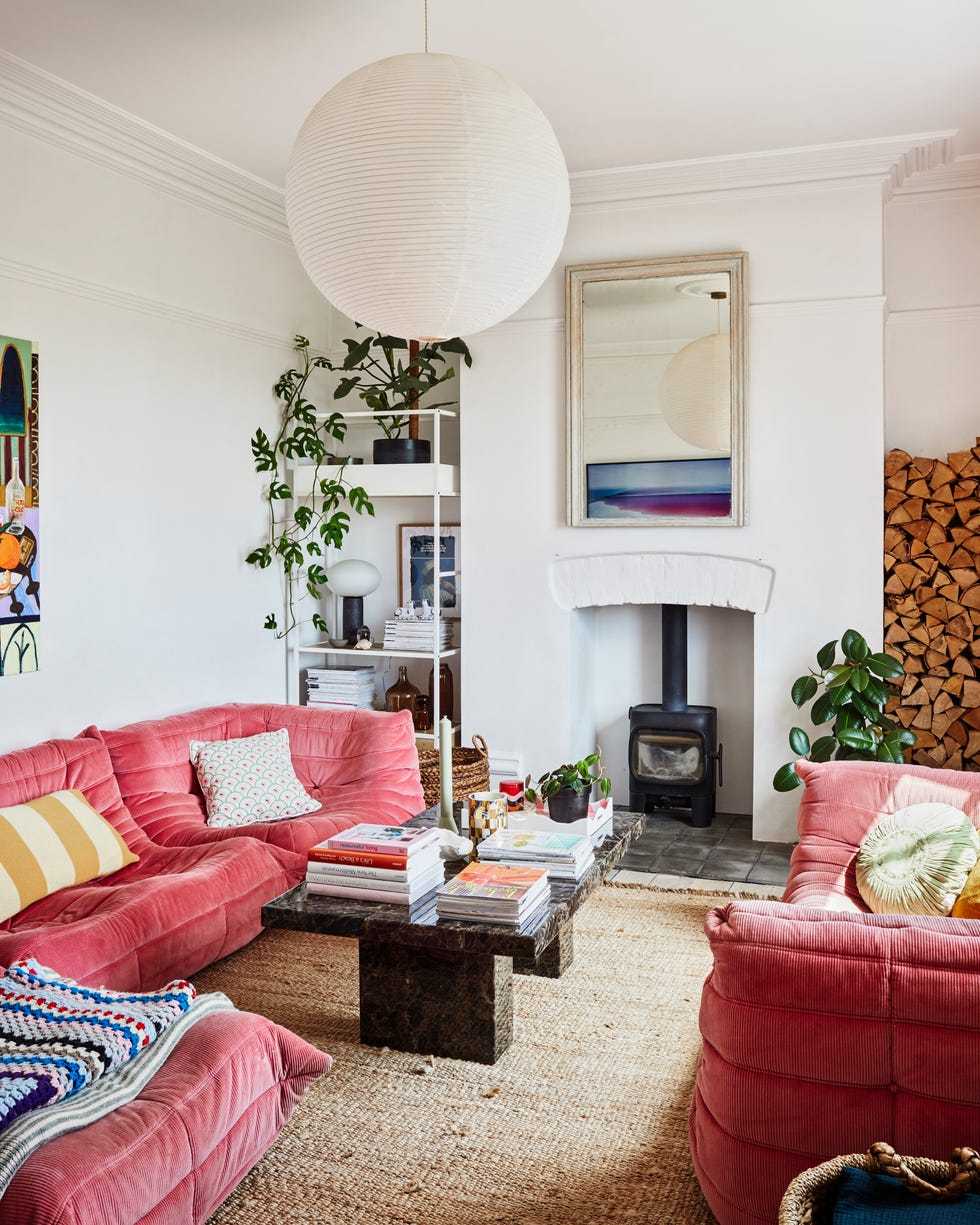
When it comes to decorating a small sitting room, the key is to maximize space while maintaining a cozy atmosphere. Start by choosing a light color palette to make the room feel more open, incorporating multifunctional furniture like a sofa bed or an ottoman with storage. Mirrors can help reflect light and create the illusion of space, while strategically placed shelves or wall art can add personality without cluttering the floor. Don’t be afraid to layer textures with throws and cushions; they add warmth and comfort without overwhelming the room. With these simple tips, your small sitting room can transform into a stylish and inviting retreat.
Finding the perfect balance in a small sitting room can be a challenge, but it’s all about smart choices. Embrace your creativity, and with a few thoughtful adjustments, you can create a space that feels both spacious and welcoming. In this article, we’ll explore practical ideas and inspiring tips to help you make the most of your small sitting area. Whether you’re entertaining friends or enjoying a quiet evening, these strategies will enhance your living experience without sacrificing style. Let’s dive in and discover how to turn that compact space into a charming haven!

“`html
How to Decorate a Small Sitting Room
Decorating a small sitting room can present unique challenges, but with the right strategies, you can create a cozy and stylish space that feels welcoming. The key is to maximize the available space while incorporating your personal style. In this guide, we will share practical tips on how to effectively decorate your small sitting room, ensuring it is both functional and aesthetically pleasing.
Choosing the Right Color Palette
Color plays a vital role in how a room feels. Soft, light colors can make a small sitting room appear larger and more open. Consider the following:
- Light shades of white, beige, or pastel colors create an airy feel.
- Accent walls in bold colors can add depth but use them sparingly.
- Use the same color for walls and ceilings to create a seamless look.
To add some excitement, introduce pops of color through accessories like cushions, rugs, or artwork. This approach adds personality without overwhelming the space.
Maximizing Space with Furniture Choices
When selecting furniture for a small sitting room, consider size and functionality. Here are some tips:
- Opt for multi-functional furniture, such as a coffee table with storage.
- Choose lighter, airier furniture that does not overwhelm the space.
- Consider furniture with exposed legs to create a sense of openness.
Avoid heavy, bulky pieces and focus on items that fit comfortably in your space. Measure your room to ensure everything you choose fits well without crowding the area.
Arranging Furniture Wisely
The arrangement of your furniture can greatly impact the flow of your small sitting room. Here’s how to do it effectively:
- Place larger pieces against the walls to create walking paths.
- Use area rugs to define spaces and establish zones within the room.
- Avoid pushing all furniture against the walls, as this can make the room feel disconnected.
Consider creating conversation areas with seating. A small sectional or two comfy chairs can enhance the intimate feel of your sitting room.
Incorporating Smart Storage Solutions
Storage is essential in small rooms to keep clutter at bay. Here are some clever storage ideas:
- Use shelves above furniture for books and decor without taking up floor space.
- Incorporate ottomans that open for additional storage.
- Wall-mounted cabinets can free up floor space while providing storage.
Being organized makes your sitting room feel more spacious and inviting. Consider decorative baskets or bins for stylish storage options.
Adding Personal Touches with Decor
Decor can represent your personality while enhancing the overall look of your small sitting room. Here are some ideas:
- Choose artwork that inspires you, but avoid overcrowding the walls.
- Incorporate plants for a lively touch and improved air quality.
- Use mirrors strategically to reflect light and create an illusion of space.
Personal items, such as family photographs or travel souvenirs, can also bring warmth and character to your space.
Lighting Considerations
Good lighting can change the entire ambiance of a small sitting room. Consider the following:
- Utilize natural light by keeping windows clear of heavy drapes.
- Incorporate floor and table lamps to create layers of light.
- Use dimmable lights for versatility in mood settings.
Lighting not only illuminates your space but also enhances its overall design. Consider warm light bulbs for a cozy feel.
Textiles and Soft Furnishings
The right textiles can add comfort and style to your sitting room. Here are some options:
- Layer textures with cushions, throws, and rugs for added warmth.
- Select lightweight curtains to allow for easy light adjustment.
- Choose durable fabrics that can withstand wear and tear.
Mixing patterns and textures can add an appealing visual interest without making the space feel cramped.
Creating a Focal Point
A focal point can anchor the room and draw attention. Consider these ideas:
- A statement piece of furniture, such as a unique chair or coffee table, can serve as a focal point.
- Artwork or a gallery wall can also create visual interest.
- Fireplaces or built-in shelves can add character and act as a central feature.
Having a clear focal point ties the design together and enhances the overall aesthetics of the room.
Flexible Layouts for Changing Needs
As your lifestyle changes, so may the needs of your sitting room. Consider the following for flexibility:
- Use lightweight furniture that can be moved easily for reconfiguration.
- Incorporate nesting tables that can be used as needed.
- Consider collapsible furniture for when you have guests over.
Having flexible furniture allows you to adapt your space as needed for different occasions.
Utilizing Vertical Space
Utilizing vertical space can create the illusion of a larger room. Here are some strategies:
- Install shelves higher on the wall to draw the eyes upward.
- Hang artwork or mirrors above furniture to emphasize height.
- Use tall plants to draw attention to the vertical dimensions of the room.
Vertical elements can enhance the overall design and make your small sitting room feel more spacious.
Integrating Technology Wisely
In our modern world, technology finds its way into our living spaces. Here’s how to incorporate it smartly:
- Choose slim or wall-mounted TVs to save on space.
- Use wireless speakers or smart home devices that blend in with decor.
- Avoid cluttering surfaces with tech accessories; consider hidden options.
By blending technology seamlessly into your design, you maintain a clean and organized appearance.
Seasonal Decor Changes
Switching decor with the seasons keeps the space lively and fresh. Here are some quick tips:
- Use interchangeable cushions or throws that match the season.
- Incorporate seasonal decor items, such as decorative pumpkins in fall.
- Switch out artwork or display pieces to reflect seasonal themes.
This practice not only keeps the space feeling new but can also be a fun activity for the family.
Final Touches to Consider
Small details can make a big difference in the overall feel of your sitting room. Think about these final touches:
- Fresh flowers or greenery add life and color to the space.
- Elegant coffee table books can serve as conversation starters.
- Incorporate scented candles for a warm, inviting atmosphere.
Paying attention to the little things can elevate your small sitting room to a beautifully curated space.
Decorating a small sitting room may seem daunting, but by applying these principles and strategies, you can craft a space that is both functional and stylish. Remember to focus on your personal style, keep it organized, and make adjustments based on your needs. Embrace the challenge and enjoy creating a cozy haven that reflects who you are.
“`
✅ TOP 16 SMALL LIVING ROOM Interior Design Ideas and Home Decor
Frequently Asked Questions
“`html
What color scheme works best for a small sitting room?
Opt for lighter colors like soft whites, pastels, or light grays to create an illusion of more space. Adding a few accents in bolder shades can add personality without overwhelming the room. Consider using a monochromatic palette to maintain cohesion and depth without crowding the visual field.
How can I use furniture to maximize space in a small sitting room?
Select furniture that serves multiple purposes, such as a coffee table with storage or an ottoman that can act as extra seating. Arrange the furniture to facilitate movement, keeping pathways clear. Opt for smaller-scale furniture or modular pieces to create a more open layout.
What types of lighting should I incorporate into a small sitting room?
Utilize a combination of ambient, task, and accent lighting to enhance the room’s feel. Floor lamps, table lamps, and wall sconces can provide adequate light without taking up too much space. Additionally, consider mirrors to reflect light and give the illusion of a larger area.
How can I add personal touches to a small sitting room?
Incorporate art, photos, and decorative items that reflect your style without crowding surfaces. Use shelves or wall-mounted displays to showcase these personal items, keeping the floor space clear. Choose a few statement pieces rather than cluttering with numerous small items.
What kind of rugs are suitable for a small sitting room?
Choose rugs that fit the size of your sitting room to visually ground the space. A rug that extends beyond the front legs of your furniture can create a cohesive look. Additionally, consider light-colored or patterned rugs to help draw the eye and make the room feel larger.
“`
Final Thoughts
To decorate a small sitting room effectively, prioritize functionality and aesthetics. Use light colors to create an illusion of space and incorporate multi-functional furniture to maximize utility.
Add personal touches through artwork or decorative accents that resonate with your style, but keep it minimal to prevent overcrowding.
Remember, how to decorate a small sitting room hinges on balancing comfort and elegance. Thoughtful layout choices and strategic decor will help you create a cozy, inviting atmosphere.