Decorating a kids room without clutter creates a peaceful, functional space that fosters creativity and independence. This comprehensive guide provides actionable steps, starting with ruthless decluttering and embracing smart, vertical storage solutions. Learn how to choose multi-functional furniture, decorate with purpose, and establish daily tidy-up routines to maintain a beautiful, organized room that grows with your child, effortlessly keeping mess at bay.
Transforming a child’s room into a calm, functional, and organized space might seem like a mythical quest. Toys multiply, clothes sprawl, and art supplies seem to explode across every surface. The good news? You absolutely can create a beautiful kids room without clutter – a sanctuary where imagination thrives, and tidiness isn’t a constant battle.
This comprehensive guide will walk you through every step of decorating and maintaining a kids room that stays clutter-free. We’ll cover everything from the initial decluttering purge to choosing smart storage solutions, purposeful decor, and establishing routines that keep the mess monster at bay. Get ready to design a space that’s not only visually appealing but also supports your child’s independence and love for order.
Key Takeaways
- Start with a Ruthless Declutter: Before decorating, remove everything unnecessary using a “keep, donate, trash, relocate” method, involving your child for ownership.
- Plan Zoned Layouts: Designate specific areas for sleeping, playing, studying, and storing to create structure and prevent items from migrating.
- Embrace Smart, Vertical Storage: Maximize space with wall-mounted shelves, vertical cubbies, and under-bed drawers. Opt for multi-functional furniture that doubles as storage.
- Decorate with Purpose and Simplicity: Choose durable, washable items and focus on a cohesive color palette. Display a few cherished items rather than excessive decor to maintain visual calm.
- Implement a Toy Rotation System: Keep a manageable number of toys accessible at a time, storing the rest away and rotating them regularly to prevent overwhelm and maintain novelty.
- Establish Clear Routines: Teach and enforce a daily “tidy up” rule. Adopt a “one in, one out” policy for new items to prevent re-cluttering the kids room without clutter.
Step 1: Declutter Ruthlessly First
Before you even think about new paint colors or furniture, the most crucial step is to declutter. This isn’t just a tidy-up; it’s a deep cleanse. You can’t organize clutter, you just move it around. A truly organized kids room without clutter starts with less stuff.
Involve Your Child (Age-Appropriate)
Even toddlers can participate in sorting. For younger children, make it a game: “Which toys want to stay in your room, and which ones want to go on an adventure to help other kids?” For older children, explain the benefits of having a tidy space, like finding their favorite toys faster or having more room to play. Giving them a say fosters ownership and makes future tidying easier. Set clear boundaries, like “We’re keeping 10 favorite stuffed animals, which ones are your top picks?”
The Four-Box Method (Keep, Donate, Trash, Relocate)
Grab four large boxes or bins and label them clearly:
- Keep: Items your child actively plays with, uses, or genuinely cherishes. These should be functional, safe, and age-appropriate. Be honest about what’s truly “kept.”
- Donate/Sell: Toys, clothes, or books that are in good condition but no longer used or outgrown. This is a great opportunity to teach generosity.
- Trash/Recycle: Broken toys, dried-out markers, ripped books, or anything unsafe or beyond repair.
- Relocate: Items that belong elsewhere in the house (e.g., adult books, tools, laundry).
Go through every single item in the room. Don’t leave a drawer unopened or a closet untouched. Be firm but fair. If an item hasn’t been touched in months, it’s probably a candidate for donation. This initial purge is key to creating a kids room without clutter from the ground up.
Seasonal Purge
Make decluttering a regular habit. A quick seasonal purge (e.g., before birthdays, holidays, or school breaks) prevents clutter from accumulating again. It’s much easier to maintain when you do it regularly.
Step 2: Plan Your Layout and Zones
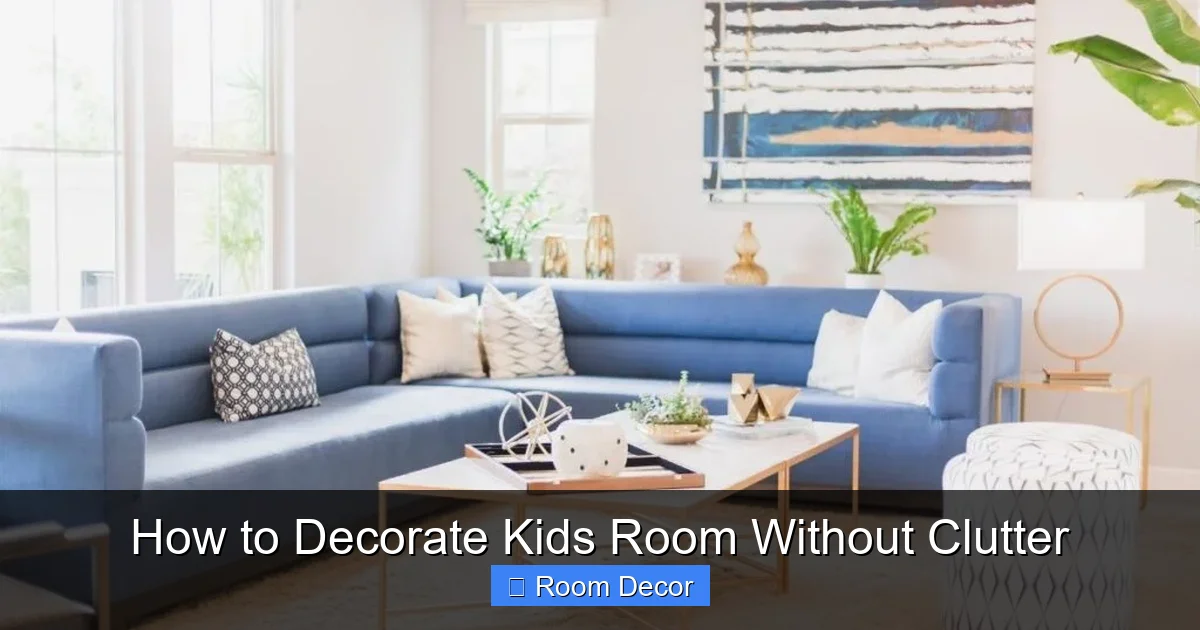
Once you’ve decluttered, you have a clearer idea of what needs a home. Now it’s time to plan the layout. A well-designed layout defines distinct areas, making it easier for children to understand where things belong and how to use the space effectively.
Visual guide about How to Decorate Kids Room Without Clutter
Image source: thesimplicityhabit.com
Define Activity Zones (Sleep, Play, Study, Storage)
Think about the main activities that happen in the room and assign dedicated zones for them:
- Sleep Zone: The bed, nightstand, and perhaps a dim reading light. This area should feel cozy and calm.
- Play Zone: An open floor space, a rug, and easily accessible toy storage.
- Study/Creative Zone: A desk, chair, and storage for art supplies or books (for older children).
- Storage Zone: Wardrobes, dressers, and shelves for clothes, books, and less-frequently used items.
Clearly defined zones help keep activities contained and prevent mess from spreading across the entire room. This structure is essential for a truly organized kids room without clutter.
Measure and Map
Before buying any new furniture or storage, measure the room accurately. Sketch out a floor plan and experiment with different furniture arrangements. Consider traffic flow – ensure there’s a clear path to the bed, closet, and door. Planning prevents impulsive purchases that might add more clutter than solutions.
Step 3: Embrace Smart Storage Solutions
Storage is the backbone of a clutter-free room. The goal isn’t just to hide things, but to store them in an accessible, logical way that encourages your child to put them away. Smart storage is crucial for maintaining a kids room without clutter.
Visual guide about How to Decorate Kids Room Without Clutter
Image source: thesimplicityhabit.com
Vertical Storage is Your Best Friend
When floor space is limited (which it often is in a kids room!), look up! Utilize walls to their full potential:
- Wall-Mounted Shelves: Install shelves at various heights. Lower shelves for frequently accessed toys and books, higher ones for display items or less-used toys.
- Tall Bookcases: Opt for slender, tall bookcases rather than wide, short ones. Anchor them securely to the wall.
- Hanging Organizers: Fabric pocket organizers on the back of doors or inside closets are great for small items like dolls, shoes, or art supplies.
- Pegboards: A versatile option for hanging baskets, hooks for art supplies, small tools, or even displaying select toys.
Under-Bed Storage
Don’t let the space under the bed go to waste. Look for beds with built-in drawers, or use rolling storage bins that easily slide in and out. This is perfect for out-of-season clothes, extra bedding, or larger toy sets that aren’t played with daily.
Wall-Mounted Bins and Pockets
Instead of relying solely on floor bins that can look messy, consider wall-mounted options. Fabric pockets, clear acrylic bins, or even mesh bags attached to the wall can hold art supplies, small toys, or books, keeping them off the floor and easily visible.
Multi-Functional Furniture
Every piece of furniture should earn its keep. Look for items that serve dual purposes:
- Storage Ottomans/Benches: Provide extra seating and a hidden spot for blankets, dress-up clothes, or soft toys.
- Beds with Built-in Drawers/Shelves: A platform bed with integrated storage can significantly reduce the need for separate dressers.
- Desk with Shelving: A desk combined with shelves above or drawers below maximizes a study zone.
Choosing multi-functional pieces is a smart strategy to achieve a functional kids room without clutter.
Labeled Bins and Baskets
Once you have your storage units, fill them smartly. Use clear or opaque bins, baskets, and drawers. Labeling is key, especially for younger children who are learning to put things away. Use pictures and words for labels. This helps children quickly identify where things belong and encourages independent tidying. For example, a bin for “blocks,” another for “cars,” another for “dolls.”
Toy Rotation System
This is a game-changer for a kids room without clutter. Instead of having all toys available all the time, keep only a select few out. Store the rest in a closet or another room. Rotate toys every few weeks or months. This keeps toys feeling new and exciting, prevents overwhelm, and makes tidying much simpler because there’s less to clean up at any given time.
Step 4: Choose Furniture Wisely
The furniture you select plays a significant role in both aesthetics and functionality. Prioritize pieces that are durable, safe, and contribute to an organized environment.
Visual guide about How to Decorate Kids Room Without Clutter
Image source: thesimplicityhabit.com
Quality Over Quantity
Invest in fewer, well-made pieces that will withstand the test of time and active play. Solid wood dressers, sturdy bookshelves, and comfortable, durable chairs are better long-term investments than flimsy, disposable items that might add to landfill and ultimately, to visual clutter when they break.
Built-in Storage Solutions
If your budget and space allow, consider built-in cabinetry or custom shelving. These solutions make the most of awkward corners, provide seamless storage, and can often be designed to blend beautifully with the room’s aesthetic, creating a truly integrated kids room without clutter.
Sized for Success
Choose furniture that is appropriate for your child’s age and height. Low-set shelves and hooks allow younger children to access and put away items independently. As they grow, you can adjust shelf heights or introduce a slightly taller desk. Furniture that fits them well encourages use and tidiness.
Step 5: Decorate with Purpose and Simplicity
Decoration in a kids room should enhance the space without adding to the visual noise. Think minimal, thoughtful, and inspiring.
A Cohesive Color Palette
Stick to a calming, cohesive color scheme. Too many bright, clashing colors can contribute to a sense of visual clutter and overstimulation. Choose a few main colors and use them consistently for walls, textiles, and larger decor items. Soft neutrals, pastels, or earthy tones can create a serene backdrop.
Wall Decor Alternatives
Instead of collecting numerous small knick-knacks that attract dust and clutter, focus on impactful wall decor:
- Large Art Prints: A single, large piece of art or a gallery wall with a few framed prints can make a statement without taking up shelf space.
- Wall Murals or Decals: These offer a big visual impact without adding physical items. They can transform a space and be easily changed as your child grows.
- Display Shelves for “Trophies”: A designated, small shelf for displaying a few cherished drawings, awards, or rotating masterpieces helps contain these items without letting them pile up.
Focus on Durability and Washability
Kids rooms are active spaces. Choose fabrics and materials that are easy to clean and maintain. Washable rugs, slipcovered furniture, and durable paint finishes will help your room look fresh without constant fuss, which contributes to a feeling of calm and a kids room without clutter.
Personal Touches, Not Piles
Allow your child’s personality to shine through a few chosen items, not an overwhelming collection. A special framed photo, a beloved stuffed animal on the bed, or a curated display of their favorite Lego creation on a high shelf can make the room feel personal without being messy. Rotate these personal touches occasionally.
Step 6: Establish Clear Routines and Habits
The best storage solutions and decor choices won’t maintain a clutter-free room if the habits aren’t in place. This step is about empowering your child and creating a family culture of tidiness.
The “Tidy Up” Rule
Implement a daily “tidy up” routine, even if it’s just 5-10 minutes before dinner or bedtime. Make it a non-negotiable part of the day. Play music, set a timer, or make it a race. The consistency is what builds the habit. Children thrive on routine, and knowing that cleanup is expected helps them internalize the process of keeping a kids room without clutter.
One In, One Out
Teach the “one in, one out” rule. When a new toy, book, or piece of clothing comes into the house, something old (of the same category) must go. This is especially helpful around birthdays and holidays. It teaches mindful consumption and prevents clutter from re-accumulating.
Regular Maintenance Checks
Once a week (perhaps as a family chore), do a quick 15-minute sweep of the room. Put things back in their designated spots, empty the trash, and identify any new items that need a home or items that can be donated. This keeps small messes from becoming overwhelming tasks.
Troubleshooting: Keeping the Clutter Monster Away
Even with the best intentions, maintaining a kids room without clutter can have its challenges. Here are some common hurdles and how to overcome them.
When New Toys Arrive
Birthdays and holidays are wonderful but can quickly undo your hard work. Before a gift-giving occasion, encourage your child to go through their current toys and choose some to donate. This applies the “one in, one out” principle preemptively. For particularly large gifts, like a new bike or playset, discuss where it will be stored *before* it arrives.
Overwhelm and Resistance
If your child is resistant to tidying, break down the task into smaller, manageable steps. Instead of “Clean your room,” try “Put all the blocks in the block bin,” then “Put the books on the shelf.” Use timers for short bursts of cleaning (e.g., “Let’s clean for 5 minutes!”). Praise effort, not just perfection. Remember, consistent small efforts are better than sporadic, overwhelming cleaning sessions.
Adapting as They Grow
A toddler’s room needs are different from a pre-teen’s. Be prepared to adapt storage solutions and decor as your child grows. What works for blocks might not work for video games or art portfolios. The principles of decluttering and smart storage remain, but the specific items and their designated homes will evolve. Regular check-ins and purges will ensure the room continues to function as a kids room without clutter for their current age.
Conclusion
Creating a kids room without clutter is an ongoing journey, not a one-time project. It requires consistent effort, smart planning, and establishing good habits. By decluttering ruthlessly, planning your space thoughtfully, embracing smart storage, choosing purposeful decor, and setting clear routines, you can transform your child’s room into a harmonious, functional, and inspiring haven.
Imagine a space where toys are easily found, clothes are put away without a fuss, and your child feels a sense of calm and control. This guide has provided you with the tools to achieve just that. Take it one step at a time, celebrate small victories, and enjoy the peace and beauty of a truly organized kids room.