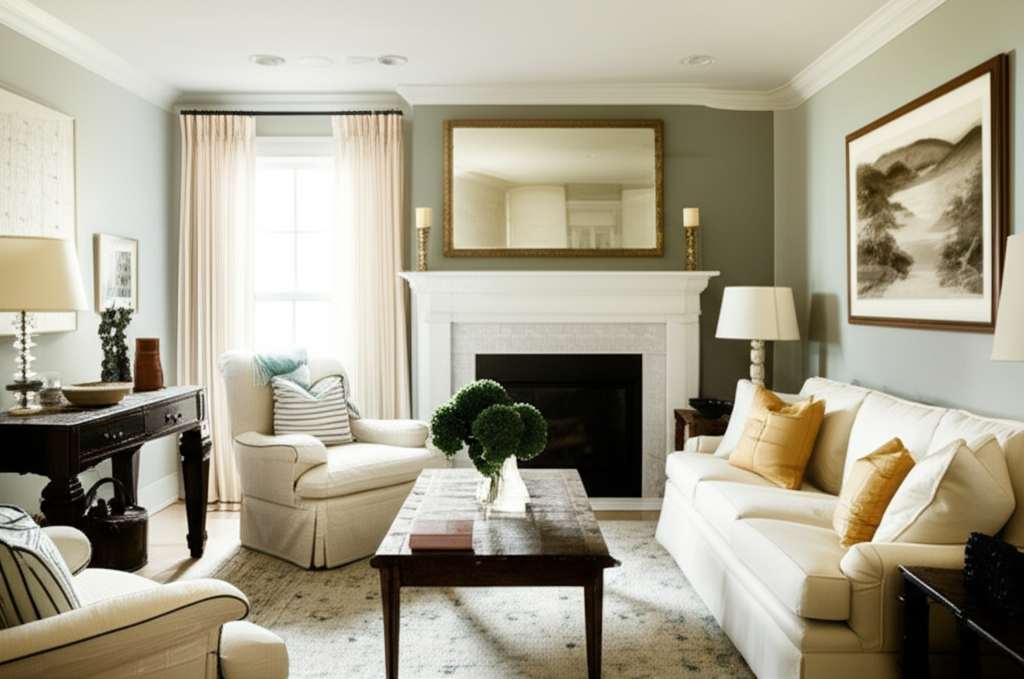
Looking for small family room decorating ideas in a traditional style? Focus on timeless furniture, classic color palettes, and smart storage solutions to create a cozy, elegant space that feels larger and more inviting. Prioritize comfort and function with a touch of enduring charm.
Does your family room feel a little… cramped? It’s a common feeling, especially when you want to create a space that’s both functional for family time and stylish enough to feel like a grown-up retreat. Juggling comfortable seating, storage needs, and personal touches in a small area can feel like an impossible puzzle.
But don’t worry! Decorating a small family room in a traditional style is absolutely achievable, and it can be a lot of fun. We’ll break down how to make your cozy space feel spacious, inviting, and full of timeless charm.
Get ready to transform your small family room into a haven of comfort and classic style, with tips that are easy to follow and gentle on your wallet. Let’s dive in!
Creating Your Cozy, Traditional Small Family Room
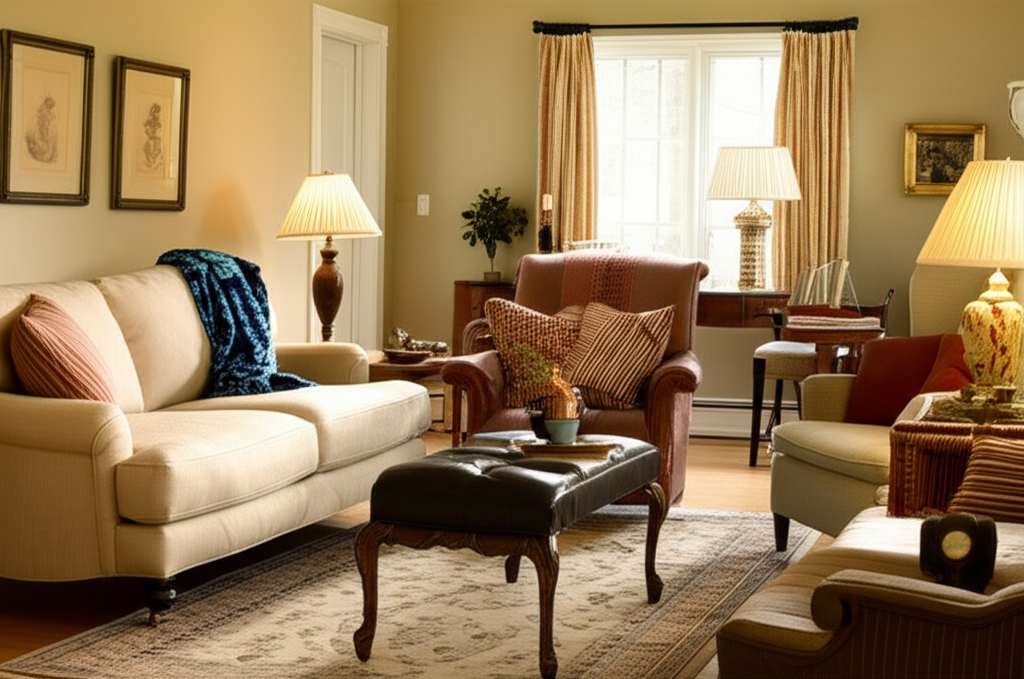
Decorating a small family room with a traditional aesthetic is all about capturing a sense of warmth, history, and comfort. Think of it as layering in elements that have stood the test of time, creating a space that feels both familiar and elegant. For small spaces, the key is to be intentional with every choice.
Traditional style often evokes feelings of heritage, comfort, and a sense of belonging. It’s characterized by classic furniture shapes, rich textures, and a harmonious color palette. When applied to a small room, it means choosing pieces that are proportionate and functional, maximizing every inch without sacrificing that timeless appeal.
We’ll explore how to select the right furniture, choose a sophisticated color scheme, incorporate lighting, and add those finishing touches that make a big impact in a small footprint. Let’s make your family room a place everyone loves to gather.
Step 1: Define Your Traditional Style & Color Palette
Before you buy a single pillow, let’s talk about what “traditional” means to you. It can encompass many looks, from more formal Georgian to cozy English country. For a small family room, a softer, more relaxed interpretation often works best. This might mean leaning towards classic elements but with a comfortable, lived-in feel.
Think about the feelings you want to evoke: warmth, relaxation, a sense of history, and family connection. These emotions are the foundation of traditional design. Once you have a general feel, it’s time to choose your colors. Traditional palettes often feature:
- Warm Neutrals: Creamy whites, beige, taupe, and soft grays provide a serene backdrop.
- Rich, Muted Tones: Deep blues, forest greens, burgundy, and warm browns add depth and sophistication.
- Subtle Accents: Think of soft golds, dusty rose, or muted terracotta for pops of color.
For a small room, it’s often best to stick to a primary palette of 2-3 colors. Using lighter, neutral colors on the walls can make the space feel larger and airier. You can then introduce richer tones through your furniture, textiles, and decor. This approach prevents the room from feeling overwhelming while still embracing traditional warmth.
Choosing Colors for Small Spaces
In a small family room, strategic color use is crucial. Light colors can visually expand a room, making it feel more open and bright. Consider these tips:
- Walls: Opt for soft, light neutrals like a warm ivory, a pale greige, or a creamy off-white. This creates a clean, expansive canvas.
- Ceiling: Painting the ceiling a lighter shade than the walls, or even a crisp white, can draw the eye upward, enhancing the sense of height.
- Accents: Introduce deeper, richer traditional colors through accent pieces like throw pillows, curtains, or a single accent wall if you’re feeling bold. This adds personality without closing in the space.
A well-chosen color palette can make a significant difference in how spacious and inviting your small family room feels. It’s the first step in establishing that classic, comfortable atmosphere. For more inspiration on warm and inviting color schemes, check out our guide to 8 Warm Kitchen Color Ideas—many of these hues translate beautifully into traditional family rooms.
Step 2: Select Timeless, Proportionate Furniture
When decorating a small family room in a traditional style, furniture selection is key. You want pieces that are comfortable and inviting, but also scaled appropriately for the room. Avoid oversized, bulky items that will dominate the space and make it feel cluttered.
Traditional furniture often features classic lines, such as rolled arms on sofas and chairs, turned legs, and elegant silhouettes. For a small room, look for pieces that are:
- Streamlined: Opt for sofas and chairs with cleaner lines and a slightly lower profile. Avoid overly deep seating.
- Multi-functional: Consider pieces that offer storage, like an ottoman with hidden compartments or a console table with drawers.
- Comfortable Scale: Measure your space carefully! A loveseat might be a better fit than a full-sized sofa. Armchairs can be more petite.
Think about creating a cozy conversation area. A smaller sofa paired with one or two comfortable armchairs can be more flexible and inviting than a large, unwieldy sectional. Placing furniture strategically can also make the room feel larger. For instance, pulling furniture slightly away from the walls can create a sense of openness.
Furniture Placement in Small Rooms
How you arrange your furniture has a huge impact on the feel and flow of a small room. Here’s how to maximize your space:
- Create Zones: Even in a small room, try to define areas. A rug can help anchor the main seating area.
- Focal Point: Identify a focal point, like a fireplace or a piece of art, and arrange furniture around it.
- Traffic Flow: Ensure there’s clear space to walk around the furniture without feeling cramped. Aim for at least 2-3 feet of clearance in main pathways.
- Floating Furniture: Don’t push all your furniture against the walls. Pulling pieces slightly away can create a more dynamic and spacious layout.
- Vertical Space: Use the walls! Tall, slender bookshelves or wall-mounted cabinets draw the eye up and offer storage without taking up floor space.
Careful planning of furniture placement ensures that your small family room is both functional and feels more expansive than its square footage might suggest.
Step 3: Incorporate Classic Textiles and Textures
Traditional style is rich with texture and pattern, which adds depth and warmth. In a small family room, layering these elements thoughtfully is key to creating a cozy, inviting atmosphere without making it feel cluttered.
Think about materials that feel luxurious and timeless. Natural fibers like cotton, linen, wool, and even velvet can elevate the look and feel of your space. Patterns often seen in traditional decor include florals, damask, paisley, and subtle stripes. The trick for small spaces is to use these judiciously.
Consider:
- Rugs: A classic Oriental or Persian-style rug can ground the room and add beautiful color and pattern. Choose a size that fits the main seating area without overwhelming it.
- Upholstery: If your sofa or chairs have subtle patterns, keep accent pillows more solid, and vice versa.
- Curtains: Drapes in a heavier fabric like velvet or brocade can add a touch of traditional elegance. Lighter fabrics in softer colors can make the room feel brighter.
Mixing textures is a fantastic way to add visual interest. A chunky knit throw on a velvet sofa, or a silk pillow on a linen chair, creates a layered, inviting feel that is the hallmark of traditional design. For small rooms, balance is essential – don’t overdo it with too many competing patterns.
Balancing Patterns in a Small Space
Using patterns in a small room requires a bit of finesse. The goal is to add interest and personality, not visual chaos. Here’s how to strike the right balance:
- The 60-30-10 Rule (adapted): Think of your main color (walls) as 60%, your secondary color (furniture) as 30%, and your accent colors (patterns) as 10%.
- Scale of Patterns: Mix patterns of different scales. A large-scale floral can work well with a smaller, subtle stripe or a solid.
- Color Harmony: Ensure all your patterns share at least one or two colors from your main palette. This creates cohesion.
- Placement: Use bolder patterns on smaller items like pillows or throws, and more subtle patterns on larger pieces like rugs or upholstery.
- Texture Over Pattern: Sometimes, a rich texture (like a woven throw or a nubby rug) can provide visual interest without competing with other patterns.
By thoughtfully integrating textiles and textures, your small family room will feel rich, inviting, and beautifully decorated in a timeless traditional style.
Step 4: Smart Storage Solutions
Clutter is the enemy of small spaces, especially when you’re aiming for a calm and traditional aesthetic. Fortunately, traditional design offers plenty of elegant solutions for keeping things tidy.
Think about furniture that doubles as storage. A beautiful antique-style trunk can serve as a coffee table and a place to stash blankets or board games. Built-in shelving or a well-placed bookcase can house books, decorative items, and media essentials.
Consider:
- Ottomans with Storage: These are incredibly versatile, offering a footrest, extra seating, and hidden storage.
- Console Tables with Drawers: Perfect behind a sofa or against a wall, these can hold remotes, coasters, and other small items.
- Bookcases and Shelving Units: Opt for taller, narrower units to maximize vertical space. Using decorative baskets or boxes on shelves can hide less attractive items.
- Media Consoles: A traditional-style media cabinet can conceal electronics and their associated wires, keeping the room looking neat.
The key is to choose storage pieces that blend seamlessly with your traditional decor. Look for pieces with classic details like molding, paneled doors, or decorative hardware. This way, your storage solutions become beautiful design elements in themselves. For more clever storage ideas that blend style and function, explore our post on 10 Stylish Kitchen Storage Accessories—many of these concepts work beautifully in living spaces too.
Creative Storage Ideas for Small Rooms
Here are some clever ways to integrate storage into your small family room without sacrificing style:
- Wall-Mounted Shelving: These take up no floor space and can display books, photos, and decorative items.
- Behind-Sofa Tables: A narrow console table behind a sofa can hold lamps, plants, and decorative objects, while also providing a surface for everyday items.
- Baskets and Bins: Use stylish woven baskets or decorative bins on shelves or in corners to store items like throws, magazines, or toys.
- Nesting Tables: These can be pulled out when needed for extra surface space and tucked away to save room.
- Picture Ledges: Great for displaying art and photos without the bulk of traditional frames.
By incorporating these smart storage ideas, you can maintain a tidy and serene small family room that perfectly embodies traditional charm.
Step 5: Thoughtful Lighting and Decor
Lighting is crucial for setting the mood in any room, especially a small family room aiming for a traditional feel. It’s not just about brightness; it’s about creating warmth and ambiance.
Traditional lighting often includes table lamps with fabric shades, floor lamps with classic bases, and perhaps a charming ceiling fixture. Layering light sources is key. Use a combination of ambient (overall light), task (for reading), and accent lighting.
Consider:
- Table Lamps: Place them on side tables for soft, localized light. Look for lamps with ceramic, brass, or dark wood bases and classic fabric shades.
- Floor Lamps: A well-placed floor lamp can illuminate a reading corner or add general light to the room.
- Accent Lighting: Small picture lights above artwork or subtle uplighting can add depth and highlight decorative features.
- Dimmers: Installing dimmers on your main lights allows you to control the intensity and create a cozy atmosphere in the evenings.
When it comes to decor, the principle for small traditional rooms is “quality over quantity.” Choose a few meaningful pieces rather than many small items that can create visual clutter.
Decorating with Traditional Accessories
Accessories are the finishing touches that bring a room to life. For a traditional small family room, focus on items that add personality and a sense of history:
- Artwork: Classic landscapes, portraits, or still lifes in elegant frames work beautifully. Grouping smaller pieces can create a gallery wall effect.
- Mirrors: A well-placed mirror can reflect light and make the room feel larger. Choose one with a decorative, traditional frame.
- Decorative Objects: Think about ceramic vases, antique-style clocks, brass candlesticks, or a stack of vintage books.
- Throw Pillows and Blankets: As mentioned, these add comfort and texture. Mix solids, subtle patterns, and different textures.
- Greenery: A few well-chosen plants can add life and color.
The goal is to curate a collection of items that tell a story and create a warm, welcoming environment. Avoid overly trendy or modern accessories that would clash with the traditional aesthetic.
Table: Traditional Small Family Room Elements
Here’s a quick reference for key elements to consider when decorating your small family room in a traditional style:
| Element | Traditional Style Focus | Small Space Considerations |
|---|---|---|
| Color Palette | Warm neutrals, deep muted tones (blues, greens, burgundy), subtle golds. | Lighter neutrals on walls to maximize light; use richer tones for accents. |
| Furniture | Classic shapes (rolled arms, turned legs), comfortable upholstery, natural materials. | Proportionate scale (loveseat, smaller armchairs), streamlined silhouettes, multi-functional pieces. |
| Textiles & Patterns | Velvet, linen, wool, cotton; floral, damask, paisley, stripes. | Mix textures, balance patterns (large and small scales), ensure color harmony. |
| Storage | Trunks, bookcases, cabinets with classic details. | Ottomans with storage, console tables with drawers, wall-mounted units, decorative baskets. |
| Lighting | Table lamps with fabric shades, floor lamps, layered lighting. | Dimmers for ambiance, strategically placed lamps, consider reflective surfaces. |
| Decor | Artwork, mirrors, decorative objects, plants. | Curated, meaningful pieces; focus on quality over quantity. |
Bringing It All Together: Creating Flow and Function
Once you have your furniture, colors, and decor in mind, it’s about orchestrating them into a cohesive and functional space. In a small family room, every item should serve a purpose, whether it’s comfort, storage, or visual appeal.
Think about how you and your family use the room. Is it primarily for watching movies, reading, or entertaining? Arrange your furniture to facilitate these activities. A conversation area is often central, but ensure easy access to other parts of the room.
Consider the visual weight of your items. Darker, heavier pieces can make a room feel smaller, so balance them with lighter elements. If you have a dark sofa, perhaps a lighter-colored rug and cream-colored walls will help. Vertical lines in furniture or decor can draw the eye upward, making the room feel taller.
The flow of the room is also important. Ensure there are clear pathways for movement. Don’t let furniture block doorways or create awkward bottlenecks. A well-arranged small room feels larger and more inviting because it’s easy to navigate.
Where to Find Traditional Decor Inspiration
Getting inspired is part of the fun! Here are some reliable sources for traditional decor ideas:
- Magazines: Publications like Architectural Digest, House Beautiful, and Country Living often feature traditional interiors.
- Pinterest & Instagram: Search for terms like “traditional living room,” “classic family room,” or “small traditional decor.” Save images that resonate with you.
- Books on Interior Design: Libraries and bookstores have numerous books dedicated to classic and traditional styles.
- Museum Homes & Historic Sites: Visiting well-preserved historic homes can provide direct inspiration for authentic traditional elements.
- Online Retailers: Browse the websites of furniture and decor stores that specialize in traditional styles (e.g., Pottery Barn, Restoration Hardware, Ethan Allen, or even antique marketplaces like Etsy for unique finds).
Remember to adapt inspiration to your specific space and budget. The goal is to create a look you love that functions perfectly for your family.
Frequently Asked Questions (FAQ)
What are the best colors for a small traditional family room?
For a small traditional family room, opt for a base of warm neutrals like cream, beige, or soft gray on walls to make the space feel larger and brighter. You can then introduce richer, traditional accent colors like deep blues, forest greens, or burgundy through furniture, textiles, and decor.
How can I make a small traditional family room feel more spacious?
To make a small traditional family room feel more spacious, choose furniture that is proportionate to the room, use light colors on walls and ceilings, maximize natural light, incorporate mirrors to reflect light, and use vertical space for storage and decor. Avoid overcrowding the room with too many pieces.
What type of sofa works best in a small traditional family room?
A sofa with a classic silhouette but a slightly more streamlined design works best. Look for a loveseat or a sofa with clean lines, perhaps with rolled arms but not overly bulky. A sofa with visible legs can also create a sense of openness by allowing light to pass underneath.
Should I use a rug in a small traditional family room?
Yes, a rug is highly recommended! It helps to define the seating area, adds warmth, color, and pattern, and can make the room feel more cohesive. Choose a rug that is appropriately sized for the main seating arrangement – ideally, the front legs of your sofa and chairs should rest on the rug.
How much furniture is too much for a small family room?
In a small family room, less is often more. Aim for essential pieces: a sofa or loveseat, one or two comfortable armchairs, a coffee table, and side tables. Ensure there is enough space for comfortable movement between these pieces. Avoid adding extra chairs or accent furniture if it makes the room feel cramped.
What kind of lighting is best for a traditional family room?
Layered lighting is ideal. Use a combination of ambient lighting (like a ceiling fixture or floor lamp), task lighting (like table lamps for reading), and accent lighting. Traditional lamps with fabric shades and classic bases contribute to the style. Installing dimmers allows you to control the mood.
Can I mix traditional style with modern elements in a small family room?
Absolutely! A “transitional” style, which blends traditional and modern elements, can work wonderfully in a small space. You can incorporate traditional furniture with more modern accessories, or use a traditional color palette with cleaner-lined furniture. The key is to maintain a sense of balance and cohesion.
Conclusion
Decorating a small family room in a traditional style is a rewarding endeavor that blends timeless elegance with everyday comfort. By focusing on a harmonious color palette, selecting furniture that is both classic and appropriately scaled, and layering in rich textures and thoughtful accessories, you can create a space that feels inviting, functional, and beautifully put-together.
Remember, the goal is to create a sanctuary for your family. Embrace the warmth and history that traditional design offers, and don’t be afraid to personalize it. Smart storage solutions will keep the space tidy, while layered lighting will ensure it’s always a cozy place to unwind. With these essential traditional decorating ideas, your small family room can become a cherished gathering spot that you’ll enjoy for years to come. For even more elegant touches that complement traditional spaces, don’t miss our collection of 8 Elegant Kitchen Decor Tips—perfect for inspiring timeless style throughout your home.