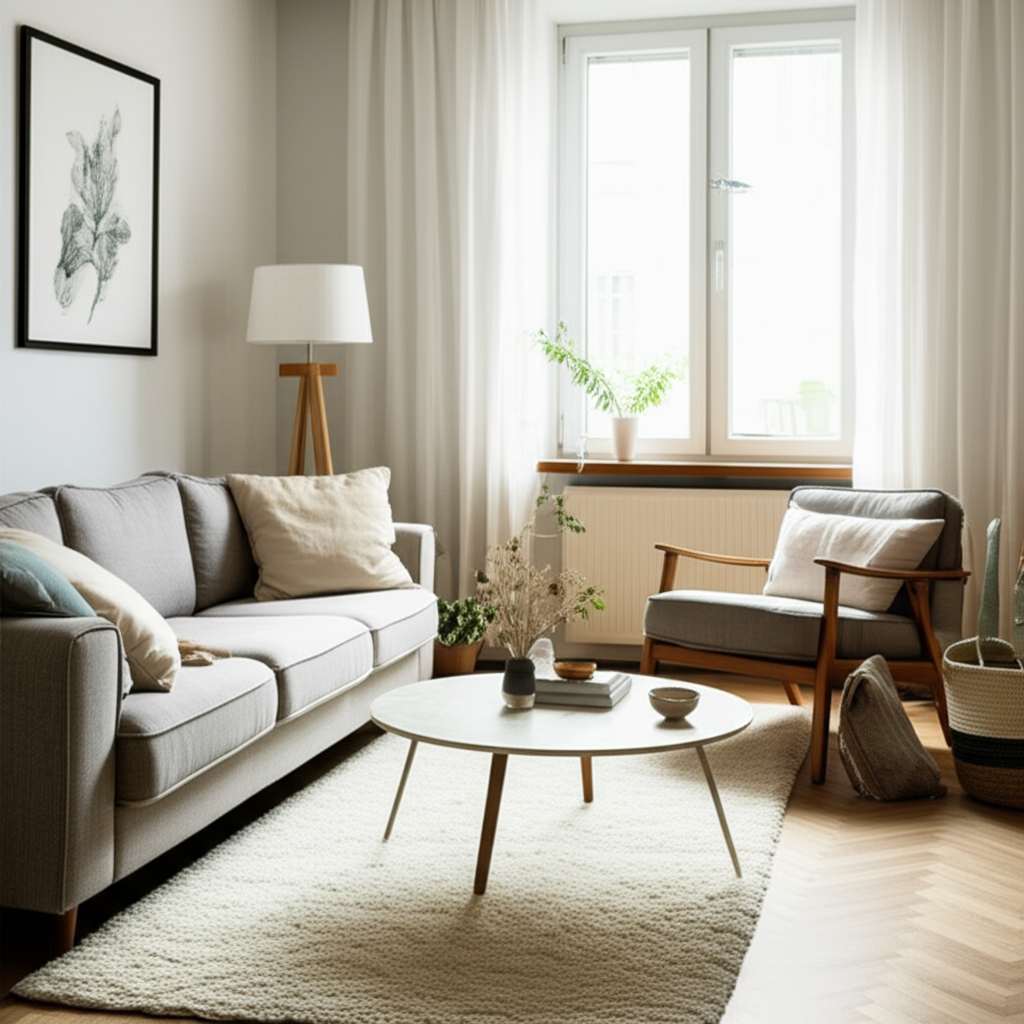
Small living room design ideas don’t have to be complicated! Focus on smart furniture choices, strategic layout, and light-enhancing decor to make your compact space feel open, inviting, and stylish. These essential tips will help you maximize every inch.
Feeling a little squeezed in your living room? You’re not alone! Many of us dream of spacious, airy living areas, but reality often means dealing with a more compact space. It can feel frustrating when your furniture just doesn’t seem to fit, or when the room feels more like a hallway than a cozy haven.
But don’t worry, transforming a small living room into a functional and beautiful space is totally achievable. You don’t need a huge budget or professional designer to make a big impact. With a few clever tricks and essential design ideas, you can create a room that feels larger and more comfortable.
Let’s dive into some simple yet powerful strategies to make your small living room design dreams a reality. We’ll cover everything from picking the right furniture to using color and light to your advantage.
Small Living Room Design Ideas: Simple & Essential Strategies
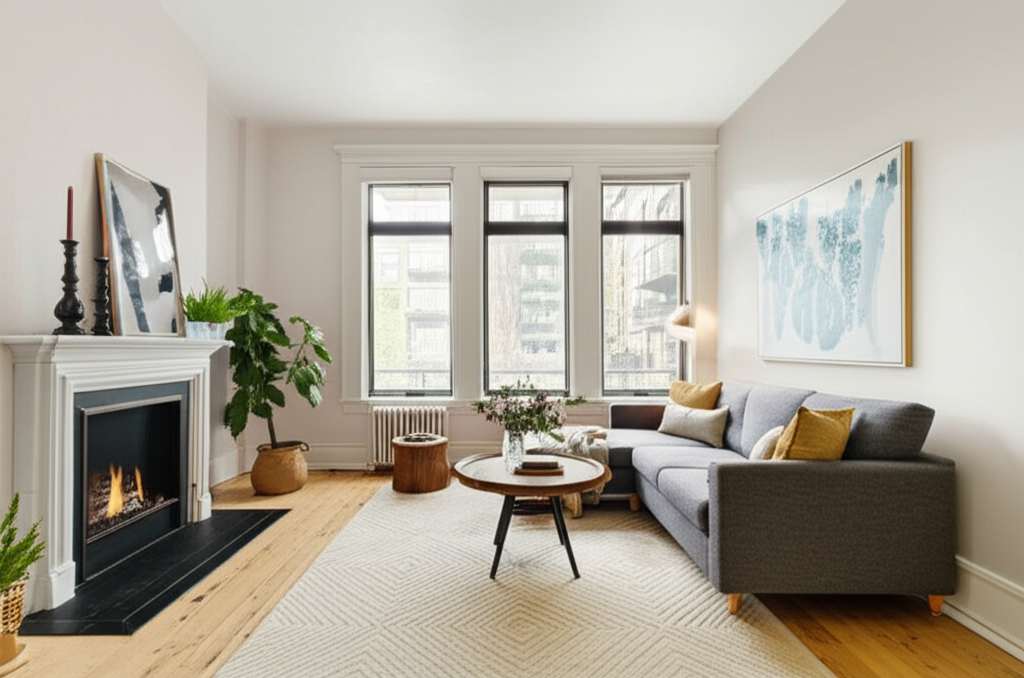
Designing a small living room is all about making smart choices. It’s less about cramming in more stuff and more about choosing the right stuff and placing it thoughtfully. Think of it as a fun puzzle where every piece matters!
1. Embrace Multi-Functional Furniture
When space is limited, every piece of furniture needs to pull its weight. Multi-functional items are your best friends. They save space and add practicality without clutter.
- Sofa Beds: Perfect for accommodating guests without needing a dedicated guest room. Look for stylish options that don’t scream “sofa bed.”
- Ottomans with Storage: These can serve as a coffee table, extra seating, or a footrest, all while hiding blankets, remotes, or magazines.
- Nesting Tables: A set of tables that tuck under each other offers flexibility. Use them all when you need more surface area, or just one or two when you don’t.
- Wall-Mounted Shelving: Instead of bulky bookshelves, opt for sleek wall shelves. They provide storage and display space without taking up floor real estate.
2. Strategic Furniture Arrangement
How you place your furniture can dramatically change how a room feels. The goal is to create clear pathways and avoid blocking natural light.
- Create Zones: Even in a small room, you can define areas. Use a rug to anchor your seating area, separating it from a reading nook or a small desk space.
- Float Furniture: Don’t push all your furniture against the walls. Pulling a sofa or chairs slightly away from the wall can create a sense of depth and make the room feel larger.
- Consider Scale: Choose furniture that’s proportionate to the room. A massive sectional will overwhelm a small space, while a streamlined sofa and a couple of accent chairs might be perfect.
- Keep it Open: Ensure there’s a clear path from the entrance to other parts of the room. Avoid placing large items directly in the main traffic flow.
A common mistake is to push everything against the walls, which can actually make a small room feel boxy. Try arranging your main seating piece (like a sofa) a few inches away from the wall, and use side tables or console tables behind it to create a finished look and add storage.
3. Light & Bright: The Power of Color and Light
Light is your secret weapon in small space design. Maximizing natural light and using light colors can make a world of difference.
- Light Color Palette: Whites, creams, light grays, and soft pastels reflect light, making walls recede and the room feel more open and airy. Use these colors on your walls, ceiling, and even large furniture pieces.
- Mirrors, Mirrors, Everywhere: Strategically placed mirrors can bounce light around the room and create the illusion of more space. A large mirror opposite a window is a classic trick.
- Sheer or Light Curtains: Avoid heavy, dark drapes. Opt for sheer or light-colored curtains that allow natural light to filter in. You can also consider blinds or shades that can be fully opened.
- Layered Lighting: Don’t rely on a single overhead light. Use a combination of ambient (general), task (reading lamps), and accent lighting to create depth and warmth. Wall sconces or floor lamps can be great space-savers.
Think about the psychological impact of color. Studies by organizations like the National Institutes of Health suggest that colors can influence mood and perception of space. Light colors are generally perceived as more expansive.
4. Vertical Space is Your Friend
When you can’t go wider or deeper, go up! Utilizing vertical space is key in small living rooms.
- Tall Bookshelves or Shelving Units: Draw the eye upward and provide ample storage for books, decor, and essentials.
- Wall-Mounted TV: Mounting your television on the wall frees up floor space and creates a cleaner look.
- Hanging Plants: Add greenery without taking up table or floor space. Hanging plants can bring life and color to an otherwise unused corner.
- Artwork Placement: Hang art slightly higher than you might in a larger room to encourage the eye to travel upwards.
5. Clever Storage Solutions
Clutter is the enemy of small spaces. Smart storage keeps your living room tidy and feeling larger.
- Hidden Storage: Ottomans, benches with built-in storage, and furniture with drawers are excellent for hiding everyday items.
- Vertical Storage Units: As mentioned, tall, narrow units are ideal. Consider units that go all the way to the ceiling to maximize every inch.
- Wall-Mounted Solutions: Floating shelves, wall-mounted cabinets, and even wall-mounted desks can keep items organized without encroaching on floor space.
- Baskets and Bins: Use stylish baskets to corral smaller items like remotes, magazines, or throws.
When choosing storage, think about what you need to store and where. For instance, if you often have mail piling up, a slim console table with drawers by the entrance can be a lifesaver. For entertainment items, a media console with closed cabinets can hide away cords and devices. For more inspiration on smart storage, check out our guide to stylish kitchen storage accessories—many of these ideas translate beautifully to small living spaces.
6. Furniture Scale and Placement: Finding the Right Fit
The size and shape of your furniture matter more than you might think in a small living room.
- Leggy Furniture: Pieces with visible legs (like sofas, chairs, and tables) create a sense of openness because you can see the floor beneath them. This makes the room feel less heavy.
- Streamlined Designs: Opt for furniture with clean lines and a more minimalist design. Avoid overly bulky or ornate pieces.
- Armless Chairs: These can fit into tighter spaces and often look less imposing than chairs with large arms.
- Round Tables: A round coffee table or side table can be easier to navigate around in a tight space compared to a square or rectangular one.
Consider a “apartment-sized” sofa. These are designed specifically for smaller spaces and offer comfort without overwhelming the room. You can find great options at many furniture retailers.
7. Declutter Ruthlessly
This is perhaps the most crucial step for any small space. Less is truly more.
- One In, One Out: For every new item you bring into your living room, try to remove something old.
- Regular Purges: Schedule time every few months to go through your belongings and get rid of anything you no longer need or use.
- Keep Surfaces Clear: Aim to keep coffee tables, side tables, and shelves as clear as possible. A few well-chosen decorative items are better than a collection of knick-knacks.
A good rule of thumb is to only keep items that are either functional or bring you genuine joy. If something is neither, it’s probably clutter!
Small Living Room Layout Examples
Let’s visualize how these ideas can come together. Here are a couple of common small living room scenarios and how to tackle them.
Scenario 1: The Long, Narrow Room
These rooms can feel like a bowling alley if not designed carefully. The key is to break up the length and create distinct zones.
Layout Ideas:
- Place your sofa on one of the long walls.
- Use an area rug to define the main seating area.
- Consider placing accent chairs perpendicular to the sofa to create a conversational grouping.
- If space allows, create a secondary zone at one end – perhaps a small reading nook with a comfy chair and a floor lamp, or a slim console table for a desk.
- Avoid placing furniture end-to-end in a straight line, which emphasizes the length.
Scenario 2: The Square Room with Limited Wall Space
These rooms can sometimes feel boxy or have awkward architectural features like too many doors or windows.
Layout Ideas:
- Float your sofa in the center of the room, or angled slightly, to break up the squareness.
- Use a rug to define the seating area.
- Arrange chairs to face the sofa, creating a cozy, conversational circle.
- Consider a round coffee table to soften the edges of the room.
- Utilize wall space for storage and decor, mounting a TV if possible.
It’s often helpful to sketch out your room and furniture on paper (or use an online room planner) before you start moving things around. This can save a lot of effort!
Decorating with Color and Texture in Small Spaces
Beyond the basics of light colors, how can you add personality and depth?
Color
- Monochromatic Schemes: Using different shades and tints of a single color can create a cohesive and expansive feel.
- Accent Walls: If you love color, consider a single accent wall. A darker or bolder color on a shorter wall can sometimes visually shorten a long room, or a lighter, reflective color on a longer wall can make it feel wider.
- Pops of Color: Introduce color through accessories like throw pillows, blankets, artwork, or a statement rug. This is an easy way to refresh your space seasonally.
Texture
Adding different textures can make a small room feel richer and more inviting, even with a neutral color palette.
- Soft Throws and Pillows: Velvet, chunky knits, and faux fur add coziness.
- Natural Materials: Wood accents, rattan baskets, and jute rugs bring warmth and an organic feel.
- Metallic Finishes: A touch of brass, gold, or silver in lamps, frames, or decorative objects can reflect light and add a touch of glamour.
DIY Decor for Small Living Rooms
You don’t need to buy everything new. Here are some budget-friendly DIY ideas.
- Repaint Furniture: Give an old side table or bookshelf a new lease on life with a fresh coat of paint in a lighter, brighter color.
- DIY Wall Art: Create your own abstract art or frame interesting fabric or wallpaper samples.
- Update Hardware: Swapping out drawer pulls on an existing cabinet can instantly modernize it.
- Pillow Covers: Sew simple envelope-style pillow covers from attractive fabric remnants.
For more on DIY home decor, resources like Popular Mechanics’ home section often feature inspiring and practical projects. If you’re drawn to minimalist aesthetics, our post on minimal kitchen decor ideas offers principles that easily extend to living rooms.
Choosing the Right Rug for a Small Living Room
A rug can anchor your space, but the wrong one can make it feel smaller.
- Size Matters: Ideally, your rug should be large enough that at least the front legs of your main furniture pieces (sofa, chairs) can rest on it. This makes the room feel more cohesive and larger. A rug that’s too small can make the room feel disjointed and cramped.
- Light Colors and Patterns: Lighter colored rugs will make the room feel more open. Busy, dark patterns can make the space feel smaller. Subtle patterns or textures are often best.
- Consider a Round Rug: In a square or slightly awkward room, a round rug can help to soften the lines and create a more fluid layout.
Think about the overall visual weight. A light-colored rug with a simple pattern will feel lighter than a dark, heavy, shag rug.
Essential Elements for Small Living Room Design
Let’s summarize the absolute must-haves for your small living room transformation.
| Element | Why it’s Essential for Small Spaces | Tips for Success |
|---|---|---|
| Multi-functional Furniture | Maximizes utility and saves space. | Opt for ottomans with storage, sofa beds, nesting tables. |
| Light Color Palette | Reflects light, making the room feel larger and airier. | Use whites, creams, light grays on walls and large furniture. |
| Strategic Mirror Placement | Bounces light and creates the illusion of depth. | Place opposite windows or in darker corners. |
| Vertical Storage | Utilizes unused wall space, reducing floor clutter. | Tall bookshelves, wall-mounted shelves, hanging plants. |
| Clear Pathways | Ensures easy movement and prevents the room from feeling cramped. | Arrange furniture to avoid blocking doorways and main routes. |
| Scale-Appropriate Furniture | Prevents furniture from overwhelming the room. | Choose streamlined designs, consider “apartment-sized” pieces. |
| Adequate Lighting | Combats dimness and adds depth and ambiance. | Layer ambient, task, and accent lighting. |
Frequently Asked Questions (FAQs)
Q1: What is the best color to paint a small living room?
A1: Light, neutral colors like white, off-white, pale gray, or soft pastels are generally best. They reflect light, making the room feel more spacious and airy. You can always add pops of color with accessories.
Q2: How can I make my small living room feel cozy?
A2: Use soft textures like throws and pillows, layer your lighting with lamps and ambient light, and incorporate warm wood tones or natural materials. A well-placed rug also adds a sense of comfort.
Q3: Should I use a large rug or a small rug in a small living room?
A3: Generally, a larger rug is better. It can help define the seating area and make the room feel more cohesive and expansive. Ideally, the front legs of your sofa and chairs should sit on the rug.
Q4: Is it okay to have a lot of furniture in a small living room?
A4: It’s best to be selective. Focus on essential, multi-functional pieces. Too much furniture will make the room feel cluttered and cramped. Prioritize comfort and function over quantity.
Q5: How do I arrange furniture in a narrow living room?
A5: Break up the length by creating zones. Place your sofa on a long wall and use accent chairs or a console table to define areas. Avoid lining furniture up end-to-end, which emphasizes the narrowness. Floating furniture slightly away from walls can also help.
Q6: What kind of coffee table is best for a small living room?
A6: Consider a coffee table with legs to create a sense of openness. Round or oval shapes can be easier to navigate around. Nesting tables or an ottoman with storage are also excellent multi-functional choices.
Q7: Can I use dark colors in a small living room?
A7: Yes, but with caution. A dark accent wall can add drama and depth. However, using dark colors on all walls can make the space feel smaller and darker. Balance is key; pair dark colors with plenty of light and reflective surfaces.
Conclusion
Designing a small living room doesn’t have to be a source of stress. By focusing on smart furniture choices, strategic arrangement, and the power of light and color, you can create a space that feels both functional and fabulous. Remember that multi-functional furniture, vertical storage, and a clutter-free environment are your greatest allies.
Embrace these simple yet essential ideas, and you’ll be well on your way to transforming your compact living area into a stylish, comfortable, and inviting oasis. Happy decorating! For even more small-space inspiration, explore our collection of cozy small kitchen ideas—many of the same principles apply beautifully to living rooms.