
Quick Summary: Unlock the magic of tiny room design ideas from Pinterest to transform your small space into a stylish, functional haven. Discover smart storage, multi-functional furniture, and clever decor hacks that maximize every inch, making your compact living area feel spacious and inviting.
Feeling a bit cramped in your living space? You’re not alone! Many of us dream of spacious rooms, but often end up with cozy corners that feel more like closets. It can be frustrating when your square footage doesn’t match your style aspirations.
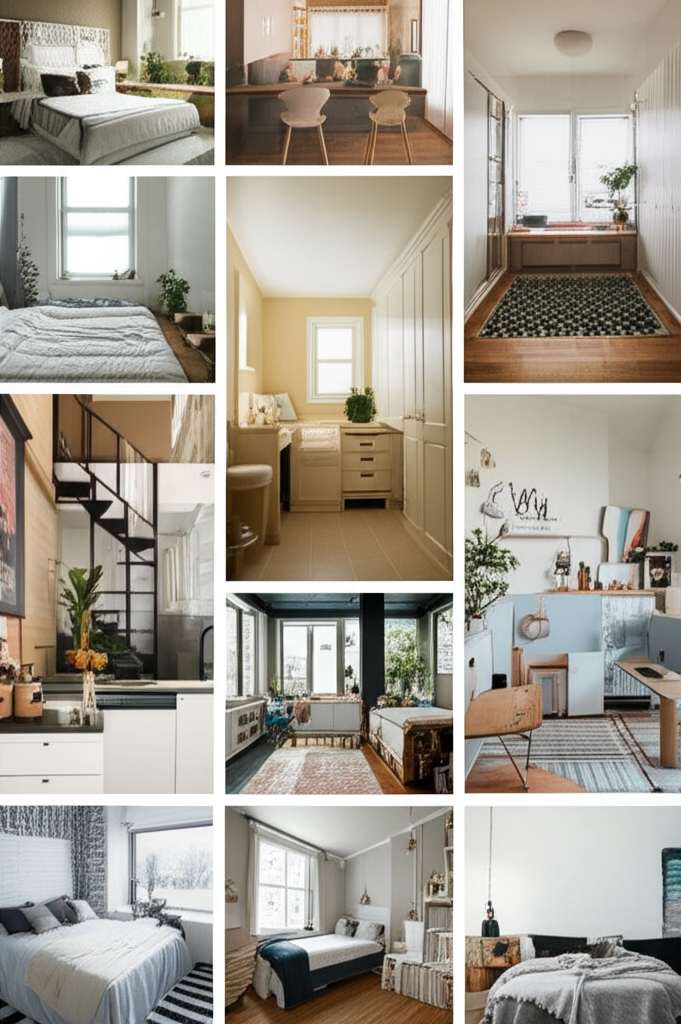
But don’t worry, transforming a tiny room into a beautiful and functional space is totally achievable. You don’t need a huge budget or a degree in interior design to make a big impact.
We’ll dive into the best tiny room design ideas from Pinterest, sharing practical tips and inspiration to help you make the most of your small space. Get ready to get creative!

Tiny Room Design Ideas Pinterest: Make Your Small Space Shine
Pinterest is an absolute treasure trove for home decor inspiration, and when it comes to tiny rooms, it’s a goldmine! Scrolling through those perfectly curated images can spark amazing ideas, but it can also feel a little overwhelming. Where do you even start?
The secret to successful tiny room design is all about smart choices. It’s not about fitting more in, but about making every item count. We’re talking about clever storage, furniture that works overtime, and visual tricks that make your room feel bigger than it is.
Let’s break down how to take those dazzling Pinterest pins and apply them to your own humble abode. We’ll cover everything from color palettes to furniture placement, ensuring your small space becomes your favorite space.
The Power of Pinterest for Small Spaces
Why is Pinterest so great for tiny room inspiration? It’s a visual platform where designers, stylists, and everyday people share their real-life solutions. You can find everything from a tiny bedroom makeover to a compact home office setup.
The key is to look for recurring themes and practical applications. Instead of just admiring pretty pictures, try to understand why a certain design works. Is it the light color? The strategic use of mirrors? The furniture choice? Identifying these elements will help you replicate the magic.
Key Principles for Tiny Room Design
Before we dive into specific ideas, let’s cover some fundamental principles that guide successful small space design. These are the building blocks that will make your Pinterest-inspired transformations truly effective.
1. Maximize Vertical Space
When you can’t spread out horizontally, you go up! Think shelves, tall cabinets, and wall-mounted everything. This draws the eye upwards, making the room feel taller and less cluttered on the floor.
2. Embrace Multi-Functional Furniture
Every piece of furniture should ideally serve more than one purpose. A coffee table that lifts up to become a desk, an ottoman with storage, or a sofa bed are perfect examples. This is crucial for saving space without sacrificing utility.
3. Light & Bright Color Palettes
Light colors, especially whites, creams, and pastels, reflect light and make a space feel more open and airy. Don’t be afraid of a pop of color, but use it strategically on accent pieces rather than overwhelming the walls.
4. Strategic Use of Mirrors
Mirrors are a tiny room’s best friend. They reflect light and create the illusion of depth, making a room appear significantly larger. Placing a large mirror opposite a window is a classic trick.
5. Smart Storage Solutions
Clutter is the enemy of small spaces. Invest in clever storage like under-bed drawers, wall-mounted organizers, and furniture with built-in storage. The goal is to keep surfaces clear.
Tiny Room Design Ideas from Pinterest: Get Inspired!
Now for the fun part! Let’s explore some popular and effective tiny room design ideas you’ll find on Pinterest, and how you can adapt them for your own space.
1. The Vertical Library/Display Shelf
Pinterest Inspiration: Tall, slender bookshelves filled with books, plants, and decorative items. Often reaching from floor to ceiling.
How to Adapt: If you love books or collecting small decor items, a tall shelving unit is a fantastic way to display them while using vertical space. Opt for open shelves to keep the room feeling light, or a unit with some closed cabinets at the bottom for less sight-catching storage.
Pro-Tip: Paint the back of the shelves a slightly darker or contrasting color to add depth and make your items pop.
2. The Mirrored Wall or Large Statement Mirror
Pinterest Inspiration: A wall covered in decorative mirrors, or one very large, ornate mirror hung as a focal point.
How to Adapt: You don’t need to mirror an entire wall to get the effect. A single, generously sized mirror can dramatically open up a room. Hang it above a console table, a dresser, or even behind your sofa. It bounces light around and creates a sense of spaciousness.
Budget Tip: Look for mirrors at thrift stores or discount home goods retailers. Even a simple, frameless mirror can be very effective.
3. The “Floating” Furniture Illusion
Pinterest Inspiration: Wall-mounted desks, nightstands, and even beds that appear to float, creating clear floor space underneath.
How to Adapt: Wall-mounted furniture is a game-changer for small rooms. A floating desk can be installed in a corner, and a floating nightstand frees up floor space. This creates an airy feel and makes cleaning easier too!
Consideration: Ensure your walls can support the weight of the furniture, and follow installation instructions carefully. For DIYers, check resources like This Old House for guidance on secure mounting.
4. The Multi-Functional Sofa/Seating Area
Pinterest Inspiration: Sleek sofa beds, modular seating that can be rearranged, and ottomans that double as coffee tables or storage.
How to Adapt: In a small living room, your sofa needs to do more than just provide a place to sit. A sofa bed is perfect for guests, while a modular sofa can be reconfigured for different needs. An ottoman with a lift-off lid is ideal for stashing blankets or magazines.
5. The Hidden Storage Solution
Pinterest Inspiration: Beds with built-in drawers, storage benches, and clever use of baskets and bins.
How to Adapt: Disguise your storage! Opt for furniture that hides clutter. Under-bed storage is essential for bedrooms. In living areas, a storage ottoman or a stylish trunk can hide blankets, toys, or electronics. Baskets on shelves can also corral smaller items neatly.
6. The Light and Airy Color Scheme
Pinterest Inspiration: Rooms dominated by white, soft grays, pale blues, and natural wood tones.
How to Adapt: Painting your walls a light, neutral color is one of the simplest and most effective ways to make a small room feel bigger. It reflects light and creates a sense of openness. Use bolder colors for accents like throw pillows, artwork, or a single feature wall.
Tip: Consider using a satin or eggshell finish on walls, as it has a slight sheen that reflects light better than a matte finish.
7. The Statement Lighting Fixture
Pinterest Inspiration: A beautiful pendant light or chandelier that acts as a focal point, drawing the eye up.
How to Adapt: Don’t let your ceiling be boring! A stylish pendant light or a unique chandelier can add personality and draw attention upwards, making the room feel more grand. Ensure it’s appropriately sized for the room so it doesn’t feel overwhelming.
8. The Fold-Down Desk or Table
Pinterest Inspiration: Compact desks or dining tables that fold flat against the wall when not in use.
How to Adapt: Perfect for small apartments or rooms that need to serve multiple functions. A fold-down desk is ideal for a home office nook, and a fold-down dining table can be a lifesaver in a compact kitchen or living area.
9. The Use of Clear or Reflective Materials
Pinterest Inspiration: Acrylic furniture, glass-top tables, and metallic accents.
How to Adapt: Furniture made from clear materials like acrylic or glass can make a space feel less cluttered because you can see through them. Metallic accents (like a brass lamp or silver picture frames) also reflect light and add a touch of glam.
10. Smart Layout with Defined Zones
Pinterest Inspiration: Using rugs, furniture placement, or even different paint colors to subtly divide a small space into functional zones (e.g., a living area, a sleeping area, a work area).
How to Adapt: Even in a tiny room, you can create distinct areas. Use a rug to define the living room seating area. Place a slim bookshelf to act as a subtle divider between a bed and a living space. This organization makes the room feel more intentional and less chaotic.
Tiny Room Design Ideas by Room Type
Let’s look at how these principles can be applied to specific rooms you might be decorating.
Tiny Bedroom Design Ideas
Focus: Sleep, storage, and creating a peaceful retreat.
- Platform Bed with Storage: Opt for a bed frame that has built-in drawers or space underneath for storage bins.
- Wall-Mounted Bedside Tables: Free up floor space with floating nightstands.
- Tall Dresser or Wardrobe: Utilize vertical space for clothing storage.
- Light Wall Colors: Keep the room feeling airy and serene.
- Mirrors: A full-length mirror can make the room feel larger.
- Consider a Murphy Bed: If the room doubles as an office or living space, a wall bed is a fantastic space-saver.
Tiny Living Room Design Ideas
Focus: Comfort, entertainment, and making the most of a shared space.
- Compact or Loveseat Sofa: Choose furniture that fits the scale of the room.
- Multi-functional Coffee Table: Look for one with storage or a lift-top.
- Wall-Mounted TV: Frees up floor space compared to a TV stand.
- Floating Shelves: For decor, books, or media components.
- Area Rug: Define the seating area and add warmth.
- Ottomans: Can serve as extra seating, footrests, or coffee tables.
Tiny Home Office/Desk Nook Ideas
Focus: Productivity, organization, and minimizing distractions.
- Fold-Down Desk: Perfect for small nooks or rooms that need to be multi-purpose.
- Wall-Mounted Shelving: Keep supplies and decor organized and off the desk surface.
- Pegboards or Wall Organizers: Great for storing pens, notebooks, and small tools.
- Good Lighting: Task lighting is essential for a workspace.
- Comfortable, Compact Chair: Choose a chair that fits the space without feeling bulky.
- Utilize Corners: Corner desks or shelving can make use of often-wasted space.
Tiny Kitchen/Dining Nook Ideas
Focus: Functionality, efficient storage, and maximizing eating space.
- Narrow Console Table as Dining: A slim table pushed against a wall can act as a dining surface.
- Fold-Away Dining Table: Tables that fold out from the wall or a cabinet.
- Bar Stools: Can often tuck neatly under a counter or small table.
- Wall-Mounted Pot Racks and Shelves: Utilize vertical space for cooking essentials.
- Slim Rolling Carts: Extra counter space and storage that can be moved.
- Drawer Organizers and Cabinet Inserts: Maximize storage within existing cabinets. For more inspiration, explore our guide on stylish kitchen storage accessories that blend function and aesthetics.
DIY & Budget-Friendly Tiny Room Hacks
You don’t need to break the bank to achieve Pinterest-worthy results. Here are some DIY and budget-friendly ideas:
1. Paint the Room a Light Color
This is the most impactful and cost-effective transformation you can make. A fresh coat of white or a pale neutral can instantly make a room feel larger and brighter. Consider a satin finish for a subtle sheen that reflects light.
2. Add a Large Mirror
Thrift stores and discount home goods stores often have beautiful, affordable mirrors. Even a simple, frameless mirror hung strategically can make a huge difference.
3. Install Floating Shelves
These are relatively inexpensive and easy to install, and they add valuable storage and display space without taking up floor area. They’re perfect for books, plants, or decorative items.
4. Use Baskets and Bins for Storage
Stylish baskets and bins can hide clutter on open shelves or in cabinets, making the room look tidier. Look for ones that fit your aesthetic.
5. Repurpose Furniture
An old ladder can become a unique bookshelf. A vintage trunk can serve as a coffee table with hidden storage. Get creative with what you already have!
6. DIY Upholstery or Slipcovers
Update the look of existing furniture by reupholstering a chair or using a slipcover for your sofa. This can dramatically change the feel of a room on a budget.
7. Maximize Closet Space
Add extra shelves, drawer units, or hanging organizers to your closets. A well-organized closet makes a huge difference in keeping the rest of the room tidy. Resources like The Container Store’s guides offer great organizational ideas, even if you don’t buy their products.
Table: Small Space vs. Large Space Furniture Choices
Choosing the right furniture is key. Here’s a comparison to help you make smart decisions:
| Feature | Ideal for Tiny Rooms | Best Avoided in Tiny Rooms |
|---|---|---|
| Size | Compact, scaled-down pieces, multi-functional furniture. | Oversized, bulky, single-purpose furniture. |
| Height | Vertical storage (tall shelves, wall units), furniture with legs to create visual space. | Short, squat furniture that can make the ceiling feel lower. |
| Visibility | “Floating” furniture, clear materials (glass, acrylic), furniture with open bases. | Solid, opaque furniture that visually blocks space. |
| Functionality | Pieces that serve multiple purposes (storage ottomans, sofa beds). | Furniture that only does one thing and takes up significant space. |
| Color/Pattern | Light, neutral colors, subtle patterns. | Dark, heavy colors, very busy or large patterns. |
Frequently Asked Questions (FAQ)
Q1: How can I make a tiny room feel bigger using Pinterest ideas?
To make a tiny room feel bigger, focus on light colors, mirrors, and vertical storage as seen on Pinterest. Opt for furniture that is scaled appropriately and ideally multi-functional. Keeping surfaces clear and uncluttered is also key to creating an illusion of space.
Q2: What are the best multi-functional furniture ideas for small spaces?
Great multi-functional furniture includes sofa beds for guest accommodation, ottomans with hidden storage, coffee tables that lift to become dining or work surfaces, and fold-down desks or tables. These items save space by serving multiple purposes.
Q3: Is it better to use dark or light colors in a tiny room?
Light colors are generally recommended for tiny rooms because they reflect light and create a sense of openness, making the space feel larger and airier. Dark colors can make a room feel smaller and more enclosed, though they can be used for accent walls or decor in small doses.
Q4: How much storage is too much in a small room?
In a small room, the goal is smart, efficient storage, not necessarily a lot of it. Too much bulky storage can make a room feel cluttered and smaller. Focus on vertical storage, hidden storage within furniture, and keeping only essentials visible.
Q5: Can I use bold patterns or colors in a tiny room?
Yes, you can use bold patterns or colors, but it’s best to use them as accents. A bold throw pillow, a piece of artwork, or a single accent wall can add personality without overwhelming the space. Too many bold elements can make a small room feel chaotic.
Q6: What is the role of mirrors in tiny room design?
Mirrors are incredibly effective in tiny rooms because they reflect light and create the illusion of depth and space. Placing a large mirror opposite a window is a classic technique to bounce natural light around and make the room feel twice as big.
Conclusion
Transforming a tiny room from cramped to captivating is entirely within your reach, and Pinterest is your ultimate visual guide. By applying smart design principles – maximizing vertical space, embracing multi-functional furniture, using light colors, and strategically placing mirrors – you can unlock the full potential of even the smallest areas.
Remember, it’s not about fitting more in, but about making thoughtful choices that enhance both the look and feel of your space. Whether you’re decorating a dorm room, a studio apartment, or a small bedroom, these ideas offer a pathway to creating a home that is stylish, functional, and feels wonderfully spacious.
So, start pinning your favorite tiny room designs, take inspiration from the practical hacks, and don’t be afraid to experiment. You have the power to turn your cozy corner into a comfortable and beautiful sanctuary you’ll love spending time in!