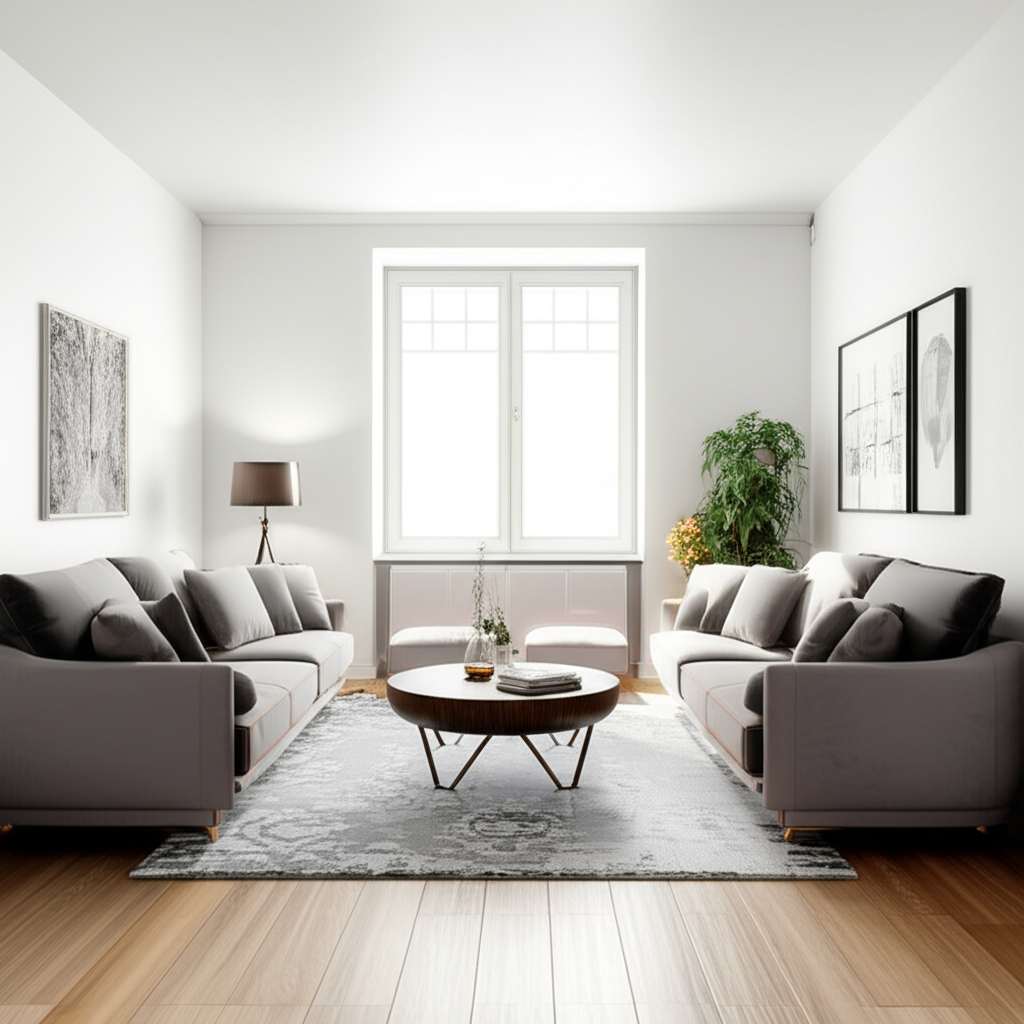
Transform your narrow living room with clever layouts! Discover simple, stylish, and budget-friendly small rectangular living room design ideas and brilliant furniture arrangements that make every inch count. Get ready to create a cozy, functional, and beautiful space you’ll love.
Does your living room feel more like a hallway than a hub for relaxation and fun? You’re not alone! Many homes feature long, narrow living rooms that can be tricky to furnish and decorate. It’s easy to feel stuck, unsure how to make the space feel balanced and inviting.
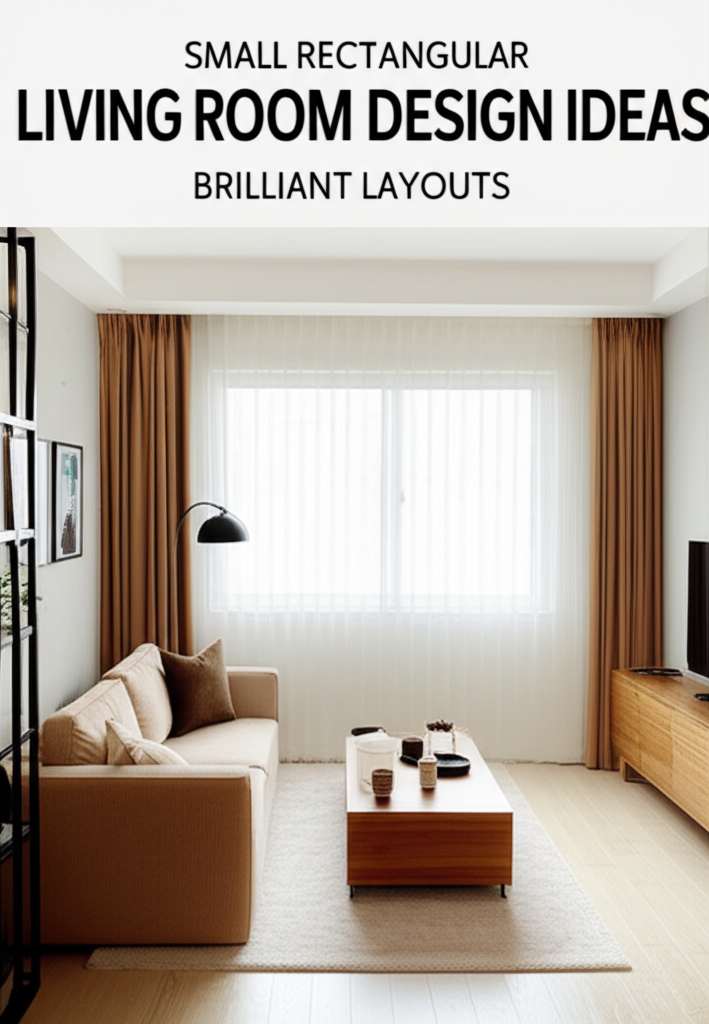
But don’t worry! With a few smart design tricks and a focus on layout, you can turn that challenging shape into a cozy, functional, and stylish sanctuary. We’ll walk you through easy-to-follow ideas that will help you maximize your small rectangular living room.
Get ready to say goodbye to awkward furniture placement and hello to a living room that feels just right. Let’s explore some brilliant layouts that will inspire you!
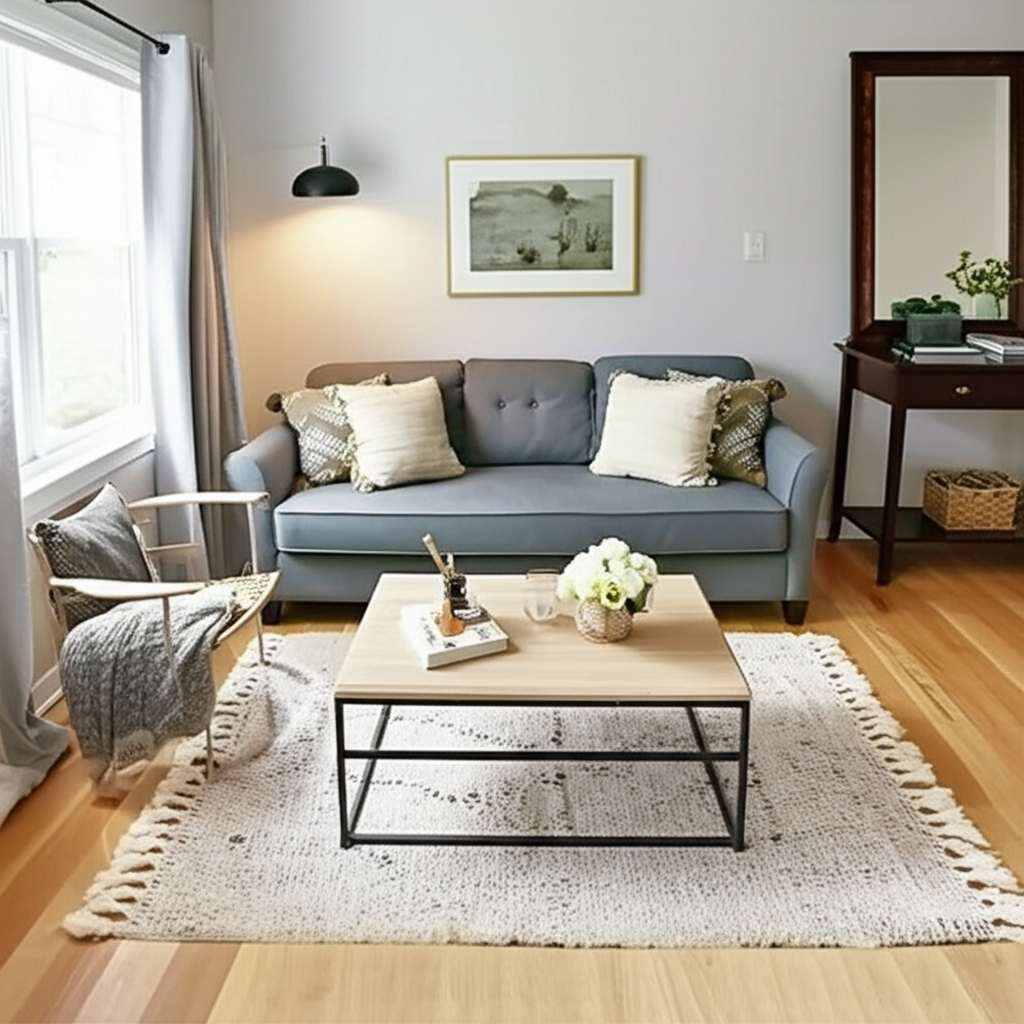
Understanding Your Small Rectangular Living Room
The key to designing any space, especially a small rectangular living room, is to understand its unique challenges and opportunities. A long, narrow shape can sometimes feel like a bowling alley, with furniture lined up against the walls, leaving a vast, unused space in the middle. This can make the room feel awkward and less intimate.
However, this shape also offers the potential for distinct zones. Think of it as a canvas that can be divided into different functional areas. By strategically placing furniture and using visual cues, you can break up the length and create a more inviting and practical layout. It’s all about working with the shape, not against it!
Measuring Your Space
Before you even think about furniture, grab your measuring tape! Knowing the exact dimensions of your room is crucial. Measure the length, width, and height. Also, note the location of windows, doors, and any architectural features like fireplaces or built-in shelves. This information will be your blueprint for success.
Understanding your measurements helps you avoid buying furniture that’s too big or too small. It ensures everything will fit comfortably and allow for easy movement throughout the room. You can find helpful measuring guides and tips on many home improvement websites, like those from This Old House, which offers practical advice for homeowners.
Identifying Traffic Flow
Think about how you and your family will move through the room. Where are the main entry and exit points? Where do people typically walk to get to other parts of the house? Good traffic flow is essential for a functional living room. You don’t want furniture blocking pathways or making it difficult to get from one area to another.
Aim to create clear, unobstructed paths. Generally, you’ll want at least 3 feet of clearance for main walkways. This ensures that even if the room is small, it feels open and easy to navigate. Consider this when planning your furniture arrangement to avoid a cluttered feel.
Brilliant Layout Ideas for Small Rectangular Living Rooms
Now for the fun part – transforming your space! The goal is to break up the length and create cozy, defined areas. We’ll explore several layout strategies that work wonders in narrow rooms.
1. The Two-Zone Layout
This is a fantastic strategy for longer rectangular rooms. Divide the space into two distinct functional areas. For example, one end could be your primary seating area for watching TV or chatting, and the other end could be a more relaxed space for reading, a home office nook, or even a small dining area.
How to create two zones:
- Furniture Placement: Arrange furniture to create a natural boundary. A sofa, a console table, or even a strategically placed rug can visually separate the zones.
- Rugs: Use different area rugs to define each zone. This adds color, texture, and helps anchor the furniture within each area.
- Lighting: Incorporate different lighting styles for each zone. A floor lamp might illuminate a reading corner, while pendant lights could define a dining spot.
2. The Centered Seating Area
Sometimes, the best approach is to create one main, cozy seating area. Instead of pushing all furniture against the walls, bring pieces closer together in the center of the room. This creates a more intimate and conversational atmosphere.
Tips for a centered layout:
- Sofa and Chairs: Place your sofa and a couple of accent chairs around a coffee table, forming a U-shape or L-shape. This arrangement encourages interaction.
- Rugs: Use a large area rug to anchor this central grouping. Ensure the front legs of your sofa and chairs are on the rug to tie the space together.
- Balance: Don’t be afraid of the empty wall space. Use tall plants, artwork, or a slim console table behind the sofa to add interest without overwhelming the room.
3. The Conversation Pit (Modern Twist)
Think of a traditional conversation pit but adapted for a rectangular space. This involves arranging seating to face each other, fostering conversation. Even without a sunken floor, you can create this feeling by grouping seating pieces effectively.
How to achieve it:
- Seating Arrangement: Place a sofa facing two armchairs, or arrange smaller loveseats and chairs in a circular or semi-circular fashion.
- Focal Point: A coffee table or a stylish ottoman in the center is essential for this layout.
- Balance: Keep the pathways around this seating group clear. You can use artwork or a mirror on the wall behind one of the seating pieces to create a focal point.
4. The Floating Furniture Approach
This technique involves pulling furniture away from the walls. Even in a small room, floating furniture can make the space feel larger and more dynamic. It creates a sense of depth and allows for better flow.
Steps to float your furniture:
- Sofa Placement: Position your sofa a few inches (or even a foot) away from the longest wall.
- Back of Sofa: If the back of your sofa is visible, consider placing a slim console table behind it. This can hold lamps, decor, or even serve as a makeshift desk.
- Chairs: Arrange accent chairs facing the sofa or angled towards it, creating a cozy nook.
5. The Linear Flow Layout
For very narrow rooms, sometimes a linear approach makes the most sense. Arrange your main pieces along the longer walls, but do so thoughtfully. The goal is to avoid a sterile, hotel-lobby feel.
Tips for a linear flow:
- Sofa and Chairs: Place a sofa on one long wall and a couple of smaller chairs or a loveseat on the opposite wall.
- Focal Point: Position your TV or fireplace at one end of the room, creating a natural focal point.
- Visual Breaks: Use a rug to define the seating area. Break up the length with decorative elements like floor lamps, plants, or bookshelves placed strategically along the walls.
Smart Furniture Choices for Small Rectangular Rooms
The type of furniture you choose is just as important as how you arrange it. Opt for pieces that are proportionate to the room and offer versatility.
Scale is Key
Avoid oversized, bulky furniture that will overwhelm the space. Look for pieces with slim profiles, exposed legs (which create a sense of openness), and multi-functional capabilities.
Multi-Functional Furniture
This is a small living room’s best friend! Consider:
- Ottomans with Storage: They can serve as a coffee table, extra seating, and a place to hide blankets or magazines.
- Sofa Beds or Futons: Ideal for guest accommodations without taking up permanent space.
- Nesting Tables: These can be pulled out when needed and tucked away neatly when not in use.
- Wall-Mounted Shelving: Frees up floor space and provides storage and display options.
Vertical Space Utilization
Draw the eye upward! Tall, slender bookshelves, wall-mounted cabinets, and floor-to-ceiling curtains can make the room feel larger and more dramatic. This is a great way to add storage without cluttering the floor.
For more inspiration on maximizing vertical space in compact areas, check out our guide on cozy small kitchen ideas that use similar space-saving principles.
Choosing the Right Sofa
For a narrow living room, a sofa with clean lines and a lower profile often works best. A sectional can be great for maximizing seating, but make sure it fits the dimensions. Consider a sofa that’s a bit longer and less deep to maintain good flow.
Accent Chairs
Opt for armless chairs or chairs with a slimmer frame. These can be easily moved around to create different seating arrangements or tucked away when not in use.
Color, Light, and Decor Tricks
Beyond furniture, strategic use of color, light, and decor can dramatically impact how a small rectangular living room feels.
Light and Bright Colors
Light paint colors – like whites, creams, soft grays, and pastels – reflect light and make a space feel more open and airy. Consider painting the longest walls a lighter shade to visually widen the room.
Discover more ways to enhance your space with light and airy palettes in our article on white kitchen decor ideas, which showcase how neutral tones can transform tight spaces.
Mirrors are Your Friends
Mirrors are magical for small spaces. Strategically placed mirrors can bounce light around the room and create the illusion of more depth. A large mirror on one of the longer walls can work wonders.
Strategic Lighting
Don’t rely on just one overhead light. Layer your lighting with floor lamps, table lamps, and wall sconces. This creates ambiance and eliminates dark corners, making the room feel more expansive.
Area Rugs to Define Spaces
As mentioned, rugs are excellent for zoning. In a rectangular room, a rug can help break up the length. A rug that runs perpendicular to the longest walls can make the room feel wider. For example, a square rug or a rectangular rug with its longer side across the width of the room can create a cozy seating area.
Declutter Ruthlessly
A cluttered room always feels smaller. Keep surfaces clear and utilize smart storage solutions. Less visual noise means more perceived space.
Example Layout: A Living Room for Entertaining and Relaxing
Let’s visualize a common scenario: a rectangular living room that needs to serve as both a place to unwind and to host friends. Here’s a layout that balances these needs.
Room Dimensions (example): 10 feet wide x 20 feet long
Layout: Two-Zone Approach
Zone 1: The Conversation Hub (Closer to the Entrance)
- Place a 7-foot sofa against one of the long walls.
- Position two comfortable armchairs facing the sofa, angled slightly inwards.
- In the center, place a round or oval coffee table that’s accessible from all seating. A round shape softens the rectangular lines of the room.
- Use a large area rug (e.g., 8×10 feet) that anchors all three pieces of furniture, with the front legs of the sofa and chairs on the rug.
- Behind the sofa, consider a slim console table with a lamp and some decorative items.
Zone 2: The Cozy Nook (Further into the Room)
- At the other end of the room, create a smaller, distinct area.
- Place a comfortable accent chair with a small side table and a floor lamp next to it – perfect for reading.
- Alternatively, this space could house a small desk for a home office setup if needed.
- Use a smaller rug (e.g., 3×5 feet) or no rug to visually separate this area from the main seating zone.
Traffic Flow: Ensure there’s a clear path (at least 3 feet wide) along the wall opposite the sofa, leading from the entrance to the back of the room and any doors beyond.
Color Palette: Use a light, neutral color for the walls. Add pops of color through throw pillows, artwork, and accessories in the rug and decor.
Frequently Asked Questions (FAQ)
Q1: What is the best furniture arrangement for a narrow living room?
A1: The best arrangements often involve dividing the room into two zones or creating a single, centered seating area that pulls furniture away from the walls. Floating furniture and using rugs to define spaces are key strategies.
Q2: How can I make a small rectangular living room feel wider?
A2: Use light colors on the walls, place mirrors strategically on the longer walls to reflect light and create depth, and ensure clear traffic flow. Furniture with exposed legs also helps create an illusion of more space.
Q3: Should I use a large rug or multiple small rugs in a narrow living room?
A3: A single, large rug can anchor a primary seating area and make the room feel more cohesive. For a two-zone layout, using two distinct rugs can help define each area. Ensure the rug’s orientation (lengthwise or widthwise) complements the desired feel.
Q4: What kind of sofa is best for a narrow living room?
A4: Opt for sofas with clean lines, a lower profile, and a length that fits proportionally. Avoid overly deep or bulky sofas. A loveseat or a sofa with a slim profile can also work well. Consider modular sofas or sectionals carefully to ensure they fit the dimensions without blocking pathways.
Q5: How do I avoid making my rectangular living room feel like a hallway?
A5: Break up the length by creating distinct zones for different activities. Pull furniture away from the walls and group it towards the center. Use artwork, plants, and varied lighting to add visual interest and depth, rather than just lining furniture up against the walls.
Q6: Is it okay to have furniture on both long walls in a narrow living room?
A6: Yes, but do it thoughtfully. You can place a sofa on one wall and a complementary seating arrangement (like two chairs or a small loveseat) on the opposite wall. Ensure there’s enough space between them for comfortable conversation and easy movement.
Q7: What are some good small rectangular living room design ideas on a budget?
A7: Focus on smart furniture placement, which costs nothing! Utilize multi-functional pieces like storage ottomans, paint walls in light, affordable colors, and use DIY decor like gallery walls or thrifted mirrors. Shopping sales and looking for secondhand items can also save money. For more budget-friendly inspiration, explore our tips on minimalist kitchen essentials that prove less is more.
Conclusion
Designing a small rectangular living room doesn’t have to be a puzzle! By understanding your space and employing smart layout strategies, you can create a room that is both beautiful and highly functional. Whether you choose to divide your room into distinct zones, create a cozy central seating area, or experiment with floating furniture, the key is to be intentional with your arrangement.
Remember to choose furniture that’s proportionate to your space, consider multi-functional pieces, and use color and light to your advantage. With these brilliant small rectangular living room design ideas, you’re well on your way to transforming your challenging shape into your favorite room in the house. Enjoy the process and love your newly designed living space!