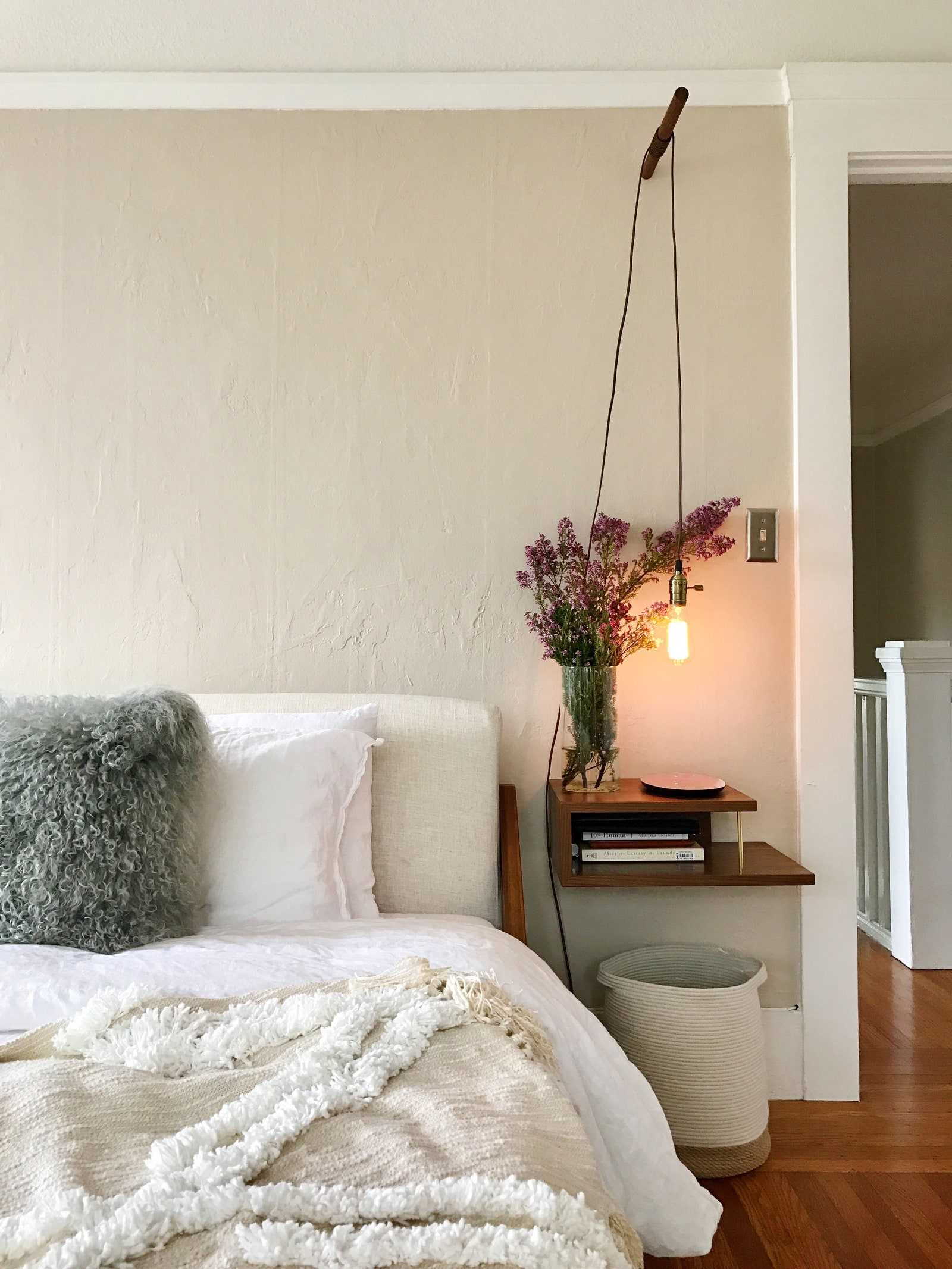
Decorating small rooms can feel like a daunting task, but with the right approach, you can transform even the tiniest spaces into stylish and functional areas. Start by selecting a light color palette to make the room feel more open and airy. Incorporate multi-functional furniture, like ottomans with storage or a fold-out desk, to maximize space without cluttering the area. Mirrors can also be a game-changer, as they reflect light and give the illusion of more space. Don’t forget to add personal touches with artwork or decorative accents that reflect your personality. Overall, the key is to create a balance between style and functionality while keeping the space organized and inviting.

How to Decorate Small Rooms
Decorating small rooms can be quite exciting. A small space provides a unique challenge. However, with the right tricks and tips, you can make any small area look charming and inviting. Let’s explore various ways to decorate small rooms effectively.
Choose a Light Color Palette
Color plays a significant role in how we perceive space. Lighter colors tend to make a room feel larger and airier. Here are some tips on selecting your color palette:
- Use soft shades like pastel blues, greens, and yellows.
- Consider white or off-white for walls and ceilings to reflect light.
- Add splashes of bolder colors in accessories like cushions and artwork.
By keeping the wall colors light, your room will feel open and spacious.
Utilize Multi-Functional Furniture
In small rooms, every piece of furniture should serve more than one purpose. Look for items that can help maximize your space. Some ideas include:
- A sofa bed for guests.
- Storage ottomans that double as seating.
- Expandable dining tables for when you need extra space.
When choosing furniture, think about how each piece can fit into your lifestyle.
Incorporate Vertical Storage
When floor space is limited, it’s time to think up! Vertical storage helps utilize wall space efficiently. Consider these options:
- Wall-mounted shelves for books and decorative items.
- Over-the-door organizers for small items.
- Tall bookcases that draw the eye upward.
Vertical storage not only saves space but also adds character to your walls.
Use Mirrors to Create Illusion
Mirrors can work wonders in small rooms. They can reflect light and make a space feel larger. Here’s how to use them effectively:
- Hang a large mirror opposite a window to maximize light.
- Incorporate mirrored furniture for a chic look.
- Group smaller mirrors together to create an interesting focal point.
Mirrors add depth and richness to your décor.
Maximize Natural Light
Light can change the entire feel of a small room. To enhance natural light, consider the following:
- Keep window treatments minimal with sheer curtains.
- Position mirrors to bounce light around the room.
- Use light-colored furniture that doesn’t absorb light.
Allowing light to flow freely through your room can make a big difference.
Opt for Open Shelving
Closed cabinets can make a room feel cramped. Open shelving is a great alternative for small spaces. Here’s how to do it right:
- Display books and decorative objects on floating shelves.
- Use stylish baskets to store smaller items while keeping them visible.
- Curate your displayed items to avoid visual clutter.
Open shelving not only frees up floor space but also showcases your personality.
Choose the Right Rugs
Rugs can help define spaces in a small room. Choosing the right rug can enhance the overall look. Think about these factors:
- Choose rugs with light colors or patterns to keep the room airy.
- Use a large area rug to unify your space.
- Consider round rugs to soften the edges of square rooms.
The right rug can add warmth and style without overwhelming a small space.
Personalize with Accessories
Accessories are the easiest way to add a personal touch to your small room. Consider these tips:
- Select a few meaningful pieces to display rather than cluttering with too many items.
- Use artwork that resonates with you and adds vibrancy.
- Incorporate plants to bring life into your room.
Personalizing your space helps it feel cozy and welcoming.
Keep the Layout Functional
The way you arrange furniture can impact the flow of a small room. Here’s how to create a functional layout:
- Ensure pathways are clear to allow easy movement.
- Group furniture to foster conversation areas.
- Place larger items against walls to open up the center of the room.
A well-thought-out layout can make all the difference in comfort.
Consider Lighting Fixtures
Lighting is essential in setting the mood for any room. In small spaces, layered lighting is especially important. Here are some ideas:
- Use a mix of ambient, task, and accent lighting.
- Add wall sconces to save table space.
- Choose ceiling lights that draw the eye upward.
Good lighting can create warmth and depth in a small room.
Embrace Minimalism
Minimalism can be incredibly effective in small rooms. It helps create airy and open spaces. Here are some minimalist principles to consider:
- Limit the number of decorative items.
- Choose furniture with clean lines and simple designs.
- Avoid excess clutter and keep surfaces clear.
Adopting a minimalist approach will enhance visual appeal.
Incorporate Textures
Textures can elevate a room’s design without overwhelming it. In a small space, mixing textures is key. Consider these tips:
- Combine soft textiles like pillows and blankets with sleek surfaces.
- Add a variety of materials, such as wood, metal, and fabric.
- Use textured wallpaper or wall treatments for added depth.
Textures can make a small room feel inviting and layered.
Consider Spatial Dividers
In open-plan settings, spatial dividers help define areas without closing them off. Here are some effective options:
- Use bookshelves as room dividers to create separate zones.
- Employ curtains for a soft, flexible boundary.
- Incorporate folding screens for added style and function.
Spatial dividers allow for flexibility while maintaining an open feel.
Accessorize with Colorful Artwork
Art can brighten up any space. In small rooms, artwork can add character and color. Choose wisely:
- Select large pieces to make a statement without cluttering walls.
- Use a gallery wall to showcase smaller pieces creatively.
- Incorporate framed prints or canvases that resonate with your taste.
Artwork is a great way to express personality while enhancing your décor.
Maintain a Clean and Organized Space
Lastly, keeping a small room clean and organized is crucial. Clutter can quickly overwhelm a small area. Here are some strategies to consider:
- Make it a habit to tidy up daily.
- Use storage solutions to keep things in their place.
- Regularly revisit items to decide what to keep, donate, or toss.
A clean space not only feels more welcoming but also looks larger.
Every small room has the potential to shine with creativity and thoughtfulness. By implementing these tips, you can create a lovely and functional area that reflects your style. From choosing the right colors to selecting multi-functional furniture, every detail matters. Enjoy the process of decorating and transforming your small space into your personal haven.
How to Maximize Your Small Bedroom Layout (DIY ideas to try right now!)
Frequently Asked Questions
“`html
What color schemes work best for small rooms?
Light and neutral color schemes work best for small rooms as they create an illusion of space. Soft pastels, whites, and light grays help reflect natural light, making the room feel larger. You can also incorporate bolder accents through accessories like cushions, artwork, or rugs to add character without overwhelming the space.
How can I maximize storage in a small room?
To maximize storage in a small room, consider using multifunctional furniture such as ottomans with storage, beds with built-in drawers, or wall-mounted shelves. Utilize vertical space by installing tall bookcases or hanging organizers. You can also declutter regularly and use storage boxes to keep items organized and out of sight.
What types of furniture are suitable for small spaces?
Choose furniture that is proportionate to the size of the room. Opt for sleek and slim designs rather than bulky pieces. Look for items such as small-scale sofas, nesting tables, and chairs with exposed legs, which can make the space feel more open. Consider foldable or stackable furniture options that you can easily store away when not in use.
How can I create the illusion of height in a small room?
You can create the illusion of height by using vertical stripes on walls or through tall artwork that draws the eye upward. Hanging curtains closer to the ceiling can also make walls appear taller. Additionally, placing tall bookshelves or plants in the corners can emphasize vertical space and enhance the room’s proportions.
What are some tips for arranging furniture in a small room?
Start by determining the room’s focal point, such as a window or fireplace, and arrange furniture around it. Avoid blocking pathways; leave enough space for movement. You can use a floating layout by placing furniture away from the walls, which can make the room feel larger and more inviting. Finally, keep the arrangement functional and ensure you can access all necessary areas easily.
“`
Final Thoughts
Decorating small rooms requires thoughtful planning and clever strategies to make the most of the space. Use light colors on walls and furniture to create an airy feel. Incorporate multifunctional furniture, like storage ottomans or foldable tables, to maximize usability.
Mirrors can also enhance the perception of space, making the room appear larger. Lastly, avoid clutter by choosing a few select decorative items that reflect your style. Following these tips will help you succeed in how to decorate small rooms.