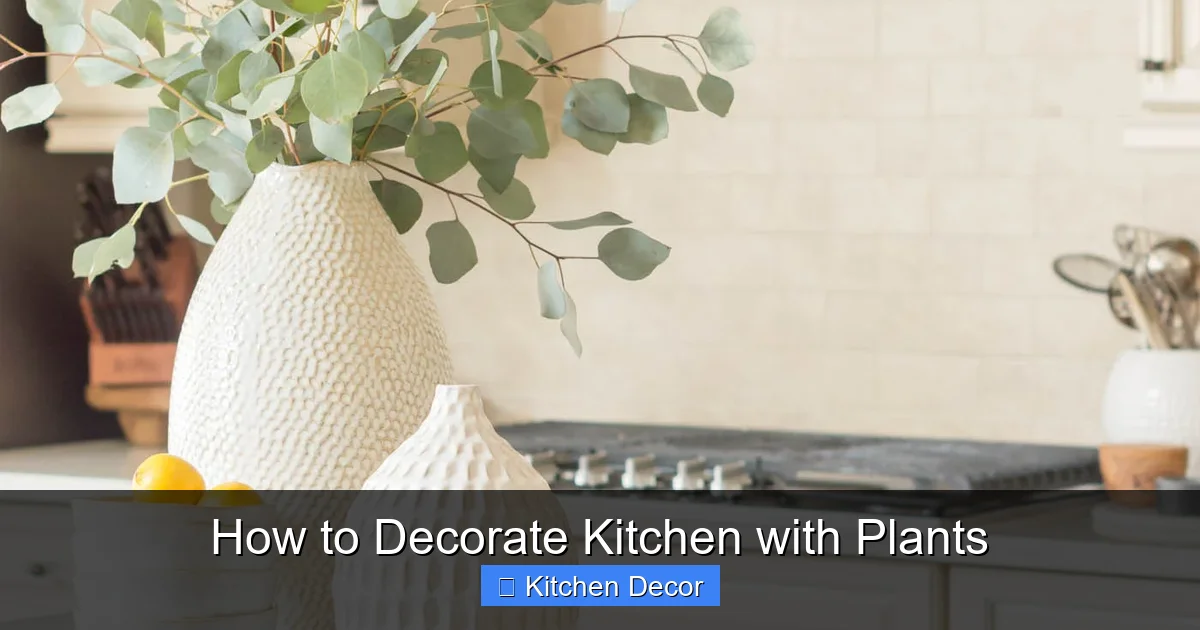
Discover how to decorate your kitchen with plants, transforming it into a vibrant, healthy, and inviting space. This comprehensive guide provides step-by-step instructions, from selecting the perfect greenery that thrives in your kitchen’s unique environment to creative display ideas and essential care tips. Learn to add both beauty and functionality with herbs, ornamental plants, and even small edibles, making your kitchen a lively sanctuary you’ll love.
How to Decorate Kitchen with Plants
Your kitchen is often the heart of your home. It’s where you cook, eat, gather, and create memories. But does it feel as fresh and vibrant as it could? Imagine stepping into a kitchen filled with lush greenery, breathing cleaner air, and having fresh herbs at your fingertips. Learning how to decorate kitchen with plants is a simple yet transformative way to achieve this.
Adding plants to your kitchen doesn’t just look good; it also offers numerous benefits. Plants can improve air quality, boost your mood, and even provide fresh ingredients for your culinary adventures. Whether you have a spacious kitchen or a tiny nook, there’s a plant solution for you. This comprehensive guide will walk you through everything you need to know, from choosing the right plants to creative display ideas and essential care tips. Get ready to turn your kitchen into a green oasis!
Key Takeaways
- Assess Your Space First: Before buying plants, carefully evaluate your kitchen’s light conditions, humidity levels, and available space. This ensures you choose plants that will truly thrive.
- Choose Plants Wisely: Select plants (herbs, ornamentals, edibles) that are well-suited to your kitchen’s environment and your lifestyle. Consider both aesthetics and practical uses.
- Prioritize Proper Planters: Always use pots with good drainage holes to prevent root rot. Choose planter materials and styles that complement your kitchen’s existing decor.
- Utilize Strategic Placement: Think beyond countertops. Explore vertical space with shelves, hanging planters, and windowsills to maximize green impact without clutter.
- Master Essential Plant Care: Understand the specific watering, feeding, and light needs of your chosen plants. Consistent care is crucial for their long-term health and beauty.
- Be Ready to Troubleshoot: Learn to recognize common plant problems like yellowing leaves or pests early on. Knowing how to address these issues can save your plants.
- Enjoy the Benefits: Embrace the improved air quality, fresh ingredients, reduced stress, and enhanced aesthetic appeal that plants bring to your kitchen.
Step 1: Assess Your Kitchen’s Environment
Before you rush to the nursery, take a moment to understand your kitchen’s unique conditions. Just like any living thing, plants have specific needs, and matching them to your environment is the first step to success when you want to decorate kitchen with plants.
Understanding Light Conditions
Light is arguably the most crucial factor for plant health. Spend a day observing how sunlight enters your kitchen.
- Bright, Direct Light: Does sunlight stream directly through a window for several hours? This is ideal for sun-loving plants like most herbs, succulents, and some flowering plants.
- Bright, Indirect Light: Is your kitchen well-lit but without direct sunbeams hitting a specific spot? This is perfect for a wide range of plants, including many tropical foliage plants.
- Medium Light: Does your kitchen receive good ambient light but no direct sun, or is it a bit further from a window? Many common houseplants tolerate medium light.
- Low Light: Does your kitchen have minimal natural light, perhaps only from a small window or a window that faces north? Don’t worry, there are still plants that can thrive here!
Considering Humidity and Temperature
Kitchens can be dynamic environments. Cooking often generates steam, increasing humidity, while ovens can raise temperatures. Most houseplants appreciate moderate to high humidity. If your kitchen tends to be dry, consider plants that tolerate lower humidity or group plants together to create a microclimate.
- Humidity Boost: Placing plants near the sink or where you boil water can provide a natural humidity boost.
- Temperature Swings: Avoid placing plants directly next to heat vents, stoves, or drafty windows, as sudden temperature changes can stress them.
Evaluating Available Space
Look around your kitchen. Where do you envision plants going? Consider:
- Countertops: How much clear counter space do you have?
- Windowsills: Are your windowsills wide enough for pots?
- Shelves: Do you have existing shelves, or could you add some?
- Walls: Is there empty wall space for hanging planters or vertical gardens?
- Corners and Floors: Is there room for a larger floor plant?
Thinking about space early on will help you decide on the size and type of plants and planters.
Step 2: Choose the Right Plants for Your Kitchen
Now that you know your kitchen’s environment, it’s time for the fun part: selecting your green companions! The goal is to decorate kitchen with plants that not only look good but also thrive.
Visual guide about How to Decorate Kitchen with Plants
Image source: organisemyhouse.com
Best Herbs for Kitchen Decor
Herbs are a fantastic choice because they’re beautiful, fragrant, and functional. Imagine snipping fresh basil for your pasta or mint for your tea!
- Basil: Loves bright, direct light. Keep soil consistently moist. Perfect for sunny windowsills.
- Mint: Grows vigorously. Prefers bright, indirect light and moist soil. Be warned, it spreads quickly, so keep it in its own pot!
- Rosemary: Needs plenty of direct sunlight and well-draining soil. Let the soil dry out slightly between waterings.
- Thyme: Similar to rosemary, it enjoys bright light and letting its soil dry between waterings.
- Chives: Prefers bright, indirect light and consistently moist soil. Easy to grow and re-grow.
- Parsley: Enjoys bright, indirect light and moist soil.
Tip: Rotate your herb pots regularly to ensure even light exposure and growth.
Best Ornamental Plants for Kitchens
These plants are chosen for their aesthetic appeal and ability to tolerate kitchen conditions.
- Pothos (Epipremnum aureum): Extremely forgiving. Tolerates low to bright indirect light. Its trailing vines look great on shelves or hanging.
- Snake Plant (Sansevieria trifasciata): Almost indestructible. Thrives in low to bright indirect light and tolerates neglect. Perfect for beginners or low-light kitchens.
- ZZ Plant (Zamioculcas zamiifolia): Another low-maintenance champion. Tolerates low light and infrequent watering. Its glossy, dark green leaves add a sophisticated touch.
- Spider Plant (Chlorophytum comosum): Easy to care for, produces “spiderettes” that can be propagated. Prefers bright, indirect light. Great in hanging baskets.
- Aloe Vera: A succulent that loves bright, indirect light. Not only beautiful but also has medicinal properties for minor burns.
- Peace Lily (Spathiphyllum): Known for its elegant white blooms and ability to tolerate lower light. It’s also a great air purifier.
- Succulents & Cacti: Require bright, direct light and infrequent watering. Group different varieties for an appealing display. Ensure excellent drainage.
Edible Plants Beyond Herbs
If you have enough light, consider expanding your edible kitchen garden!
- Small Citrus Trees (e.g., Calamondin Orange): Needs very bright, direct light. Can produce edible fruit.
- Cherry Tomatoes (Dwarf varieties): Requires abundant direct sunlight (6+ hours). Fun to grow but needs commitment.
- Microgreens: Easy to grow on a windowsill. Harvest in a week or two. Great for fresh salads and garnishes.
Step 3: Select Your Planters and Containers
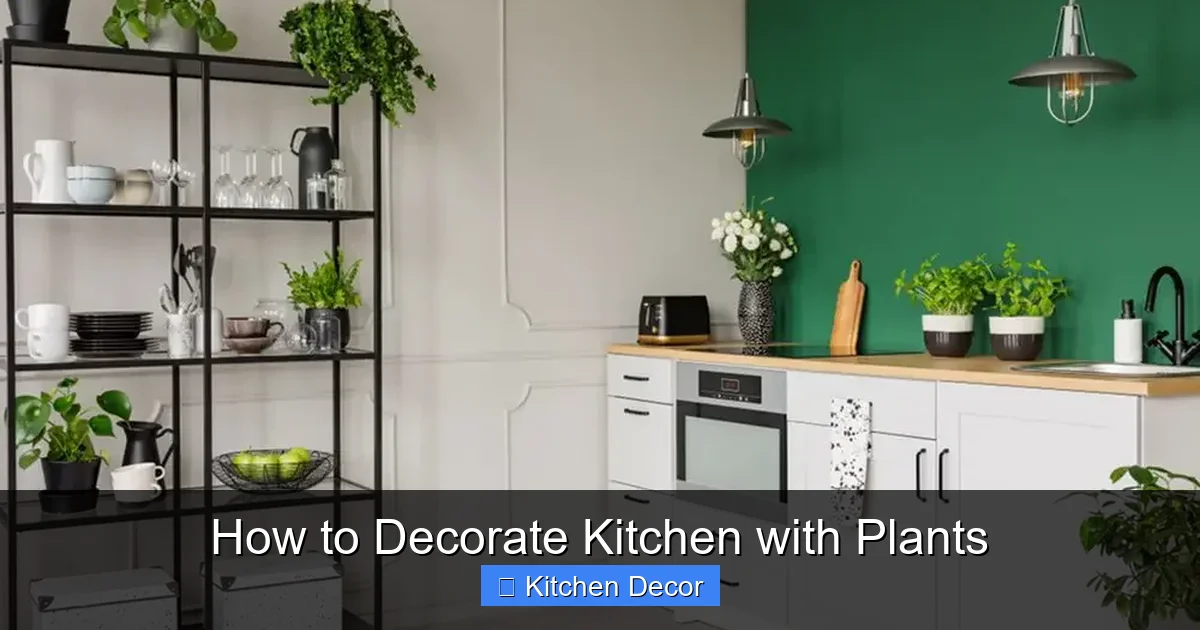
The right container is vital for both the plant’s health and your kitchen’s style. When you decorate kitchen with plants, the pots are part of the decor!
Visual guide about How to Decorate Kitchen with Plants
Image source: indoorhomegarden.com
Material Matters
- Terracotta: Porous, allowing soil to breathe and dry out faster. Great for herbs, succulents, and plants that prefer drier feet.
- Ceramic/Glazed Pots: Less porous, retaining moisture longer. Available in endless colors and styles to match your decor. Ensure they have drainage holes.
- Plastic: Lightweight, inexpensive, and retains moisture well. Often used as an inner pot within a decorative outer pot.
- Metal: Can add an industrial or modern touch. May heat up quickly in direct sun and can rust. Use a plastic liner.
- Woven Baskets: Excellent for adding texture. Always use a waterproof liner inside to protect surfaces.
Drainage is Key
No matter the material, always choose pots with drainage holes. Excess water needs to escape, or your plant’s roots will rot. If you fall in love with a pot without holes, use it as a cachepot (a decorative outer pot) and keep your plant in a smaller, plain nursery pot with drainage inside. Add a layer of pebbles at the bottom of the cachepot to lift the inner pot slightly and prevent it from sitting in standing water.
Aesthetic Harmony
Consider your kitchen’s style. Do you want rustic, modern, minimalist, or eclectic? Choose planters that complement your existing color scheme and textures. Grouping pots of similar colors or materials creates a cohesive look.
Step 4: Strategic Placement and Display Ideas
Now that you have your plants and pots, it’s time to arrange them! This is where you truly start to decorate kitchen with plants, transforming the space.
Visual guide about How to Decorate Kitchen with Plants
Image source: thespruce.com
Countertops and Windowsills
These are the most obvious spots. Line up small herb pots on a sunny windowsill, or place a striking ZZ plant on a clear counter corner. Avoid cluttering busy work areas. A simple tray can help organize multiple small pots and protect your surfaces.
Shelving and Wall Displays
Look up! Vertical space is often underutilized in kitchens.
- Floating Shelves: Install one or two floating shelves above your sink, a blank wall, or next to a window. Use them to display trailing plants like pothos or a collection of succulents.
- Wall-Mounted Planters: Special planters designed to hang directly on the wall can create a living art piece.
- Vertical Gardens: If you’re ambitious and have a blank wall, a vertical garden system can hold many plants in a compact space, ideal for herbs or leafy greens.
Ceiling Hooks and Macrame Hangers
Hanging plants add dimension and free up surface space. Install sturdy ceiling hooks and use macrame hangers or decorative chains to suspend plants like spider plants, pothos, or ferns. They look especially good cascading near a window or in a corner.
Kitchen Islands and Dining Nooks
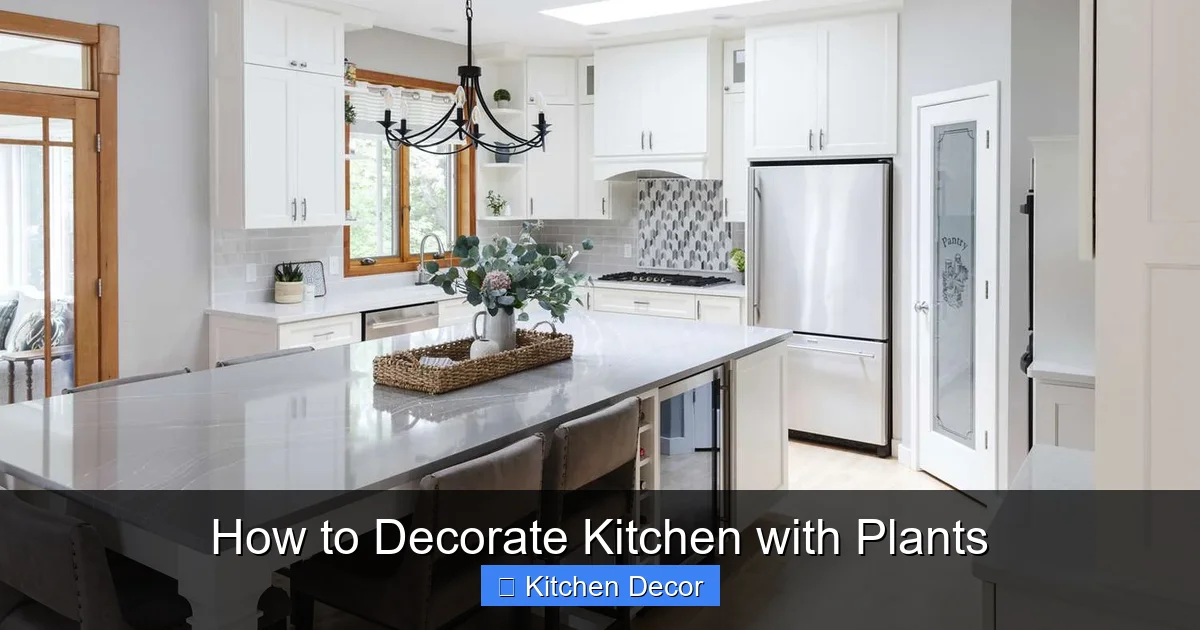
A central island can host a statement plant in a beautiful pot. In a dining nook, plants can create a cozy, inviting atmosphere. Just ensure they don’t obstruct views or get in the way of daily activities.
Creating Groupings
Plants often look better in groups. Vary heights, textures, and leaf shapes for visual interest. Grouping also helps create a microclimate, increasing humidity for the plants. Use a mix of different pots for an eclectic look, or match them for uniformity.
Step 5: Master Plant Care in the Kitchen
Bringing plants into your kitchen is just the beginning. Keeping them healthy and vibrant requires ongoing care. Learning how to properly care for them is key to successfully decorating kitchen with plants long-term.
Watering Wisdom
This is where most plant problems begin. Avoid overwatering, which leads to root rot, and underwatering, which causes wilting.
- Check Soil Moisture: Stick your finger an inch or two into the soil. If it feels dry, it’s time to water. If it’s still damp, wait.
- Water Thoroughly: When you do water, soak the soil until water drains out of the bottom of the pot. Discard any standing water in the saucer.
- Seasonality: Plants generally need less water in winter when growth slows down.
Feeding Your Plants
Most houseplants benefit from fertilizer during their active growing season (spring and summer). Use a balanced liquid houseplant fertilizer diluted to half strength every 2-4 weeks. Follow package instructions. Don’t fertilize in winter or if your plant is stressed.
Pruning and Maintenance
- Trim Regularly: Remove any yellow, brown, or dead leaves. Pinch back herbs to encourage bushier growth.
- Dust Leaves: Wipe dust off leaves with a damp cloth. This helps the plant photosynthesize more efficiently.
- Rotate Pots: Turn your plants every week or two to ensure even growth towards the light source.
Pest Patrol
Keep an eye out for common houseplant pests like spider mites, aphids, or fungus gnats. Inspect your plants regularly, especially the undersides of leaves. If you spot pests, isolate the plant and treat it promptly with insecticidal soap or neem oil.
Troubleshooting Common Kitchen Plant Problems
Even with the best intentions, plants can sometimes struggle. Here’s how to tackle common issues when you decorate kitchen with plants.
Yellowing Leaves
- Cause: Often overwatering, leading to root rot. Can also be underwatering, nutrient deficiency, or too little light.
- Solution: Check soil moisture. Adjust watering schedule. Ensure good drainage. Consider fertilizing if it’s growing season. Move to a brighter spot if light is insufficient.
Wilting Plants
- Cause: Usually underwatering, making the plant thirsty. Can also be overwatering (root rot prevents water uptake) or extreme temperature changes.
- Solution: Feel the soil. If dry, water thoroughly. If damp and still wilting, check for root rot (soft, mushy roots). Ensure stable temperatures.
Pests
- Cause: Pests can come from new plants, open windows, or even hitchhike on clothing.
- Solution: Isolate the affected plant immediately. Treat with insecticidal soap, neem oil, or horticultural oil, following product instructions. Repeat treatment as necessary.
Lack of Growth
- Cause: Insufficient light, lack of nutrients, improper watering, or simply dormancy during winter.
- Solution: Ensure adequate light for the plant type. Fertilize during growing season. Check watering habits. Understand that many plants naturally slow growth in colder months.
Conclusion
Learning how to decorate kitchen with plants is a rewarding endeavor that brings life, beauty, and freshness into one of your home’s most important spaces. From the calming presence of a Peace Lily to the invigorating scent of fresh basil, plants offer countless benefits. By understanding your kitchen’s environment, choosing the right plants, selecting appropriate containers, and committing to consistent care, you can create a vibrant, thriving green sanctuary. Embrace the journey of transforming your kitchen, and enjoy the cleaner air, delicious herbs, and increased joy that comes with being surrounded by nature.