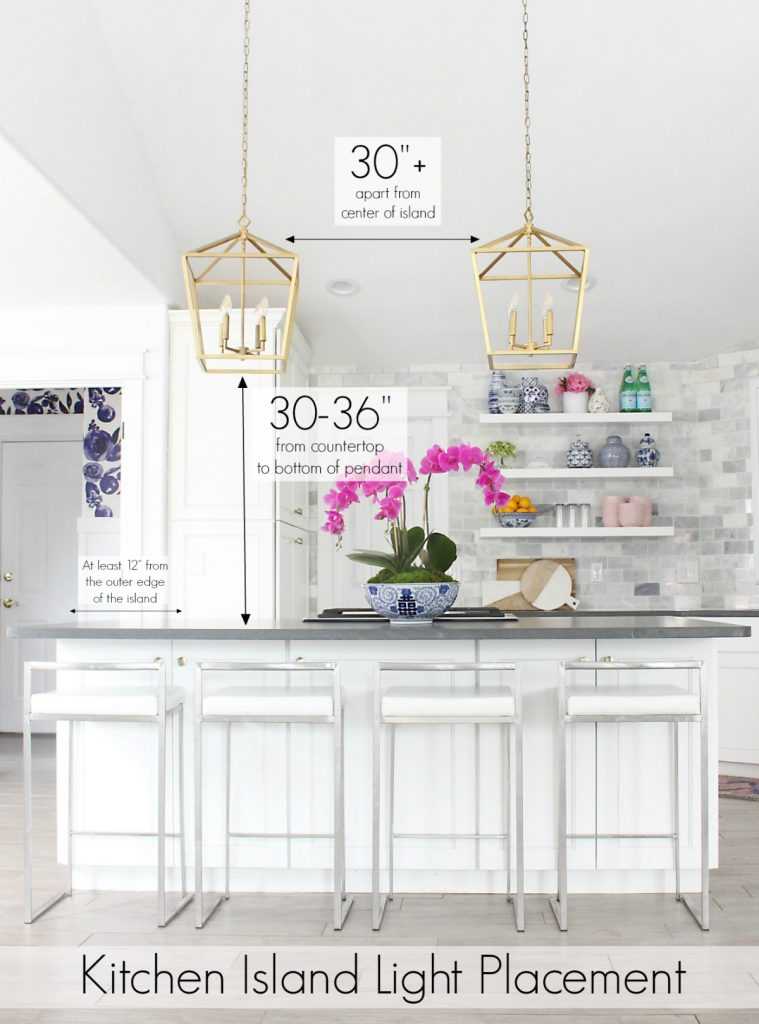
Positioning lights for your kitchen peninsula counters can transform both the ambiance and functionality of your space. Proper lighting not only highlights the beautiful features of your counters but also makes meal prep safer and more efficient. To achieve this, consider using a combination of pendant lights, recessed lighting, or under-cabinet LEDs placed strategically to evenly illuminate the work surface without causing glare. Focus on balancing task lighting with ambient lighting to create a warm, inviting atmosphere while ensuring the space is well-lit for everyday tasks. The key is to position fixtures at appropriate heights and distances to avoid shadows and maximize efficiency. With thoughtful placement, your peninsula can become a stunning focal point that combines style with practicality.
For optimal placement, install pendant lights about 24-30 inches above the countertop, centered over the peninsula to provide direct task lighting. Incorporate under-cabinet lighting along the length of the counters to eliminate shadows and add a layered lighting effect. Use dimmable fixtures to adjust brightness for different activities and moods, ensuring your kitchen is both functional and cozy.
Getting the lighting right for your kitchen peninsula counters means creating a bright, inviting space that’s perfect for cooking, socializing, and relaxing. Placing pendant lights at the right height, complementing them with under-cabinet LEDs, and using adjustable fixtures can make all the difference. Thoughtful lighting placement enhances not only the usability of your kitchen but also its overall style, making it a centerpiece for your home.

Placement of Lights for Kitchen Peninsula Counters
Understanding the Importance of Proper Lighting Placement
Proper lighting enhances both the functionality and aesthetic appeal of your kitchen peninsula. Well-placed lights reduce shadows, improve visibility, and create a cozy atmosphere. Choosing the right placement ensures tasks like chopping and cooking are easier and safer.
Types of Lighting Ideal for Kitchen Peninsulas
Different types of lights can be used to illuminate peninsula counters effectively. These include:
- Recessed Lights: Installed into the ceiling for a clean look, providing general lighting.
- Pendant Lights: Hanging fixtures that add style and focused light directly over the counter.
- Under-Cabinet Lights: Mounted beneath cabinets or shelves for task lighting right on the work surface.
- Track Lighting: Flexible fixtures that can be directed as needed for targeted illumination.
Optimal Placement of Recessed Lights
Recessed lights should be evenly spaced above the peninsula to provide balanced lighting. A common method involves placing them in a row centered over the counter to avoid dark spots. Typically, space them about 24 inches apart for even coverage.
Positioning for Maximum Effectiveness
Position recessed lights roughly 18 to 24 inches above the work surface. This height prevents glare and shadows, making it easier to see clearly. Use a spacing pattern that follows the length of the peninsula to distribute light uniformly.
Pendant Lights: Where to Hang for Style and Function
Pendant lights add a decorative touch and direct light where it’s needed most. Hang them approximately 30 to 36 inches above the counter for optimal task lighting.
Determining the Number of Pendants
The number of pendant lights depends on the length of your peninsula. A good rule is to space them 24 to 30 inches apart. For a 6-foot peninsula, two to three pendant fixtures work well, ensuring even light distribution without overcrowding.
Placement of Under-Cabinet and Task Lighting
Under-cabinet lights provide focused illumination directly onto the countertop, ideal for detailed work. Mount these fixtures 2 to 3 inches below the cabinets to avoid shadows and improve visibility right where you need it.
Choosing the Right Position Under Cabinets
Align under-cabinet lights with the edges of the countertop or slightly inward for a uniform glow. Staggering placement along the length of the peninsula ensures consistent lighting coverage.
Balancing Ambient and Task Lighting
Creating a layered lighting scheme involves combining ambient, task, and accent lighting. Ambient light sets the overall mood, while task lighting highlights specific work areas.
Strategies for Effective Layered Lighting
Use recessed or ceiling-mounted fixtures for ambient light. Supplement with pendant or under-cabinet lights for task areas. Position these lights to complement each other and avoid overlapping shadows.
Electrical Considerations and Wiring Tips
Proper wiring and electrical placement are essential for safe and effective lighting. Plan your circuit layout to accommodate all fixtures without overloading.
Planning the Circuit Layout
Assign separate switches for different lighting zones, such as pendant and under-cabinet lights. Use dimmer switches where possible to control brightness and create different moods.
Safety and Compliance
Ensure all wiring complies with local electrical codes. Hire a licensed electrician if you’re unsure about installation to prevent hazards and ensure proper grounding.
Design Tips for Aesthetic and Practical Placement
Choose fixtures that match your kitchen style, whether modern, rustic, or classic. Avoid fixtures that are too large or small for the space, maintaining harmony with the overall decor.
Creating a Cohesive Look
Select fixtures with similar finishes or styles for a consistent appearance. Incorporate dimmable options to adjust lighting intensity based on mood and activity.
Proper placement of lights for kitchen peninsula counters is crucial in achieving a well-lit, functional, and inviting kitchen. By carefully selecting the type and positioning of fixtures, you can enhance both the aesthetics and practicality of your space. Thoughtful lighting design ensures your kitchen remains bright, comfortable, and beautiful for all activities.
Frequently Asked Questions
How can I ensure balanced lighting across my kitchen peninsula counter?
To create even illumination, place light fixtures at both ends of the peninsula or evenly distribute multiple lights along its length. Using adjustable fixtures allows you to direct light where needed, minimizing shadows and ensuring a consistent brightness across the entire workspace.
What type of lighting fixtures work best for a kitchen peninsula counter?
Pendant lights are popular choices because they provide focused illumination and add style. Recessed lighting can also work well for a sleek look, especially when installed in the ceiling above the peninsula. For task-oriented areas, consider using adjustable fixtures that can be directed towards specific work zones.
What is the ideal height for installing lights above a kitchen peninsula counter?
Position pendant lights approximately 30 to 36 inches above the surface of the counter. This height offers adequate task lighting without obstructing views or interfering with movement around the kitchen. Ensure enough clearance to prevent head bumps while working or moving in the space.
Should I consider dimmable lighting options for my peninsula area?
Yes, incorporating dimmable lights provides flexibility for different activities and mood settings. Dimming options allow you to brighten the workspace for cooking or reduce brightness for casual dining or ambiance, adding versatility to your kitchen lighting scheme.
How do I avoid glare and shadows on my kitchen counter with the placement of lights?
Position lights so they are directed downward and away from eye level, reducing glare. Using fixtures with diffusers or shades can soften the light, preventing harsh shadows. Also, layering different types of lighting, such as ambient and task lighting, helps minimize unwanted shadows and creates a balanced environment.
Final Thoughts
Placement of lights for kitchen peninsula counters is essential for both functionality and ambiance. Proper lighting ensures the workspace remains bright and inviting, highlighting the counter’s features. Aim for a mix of task lighting directly above the counter and ambient lighting around the area. When planning, consider adjustable fixtures to easily control the intensity and create a cozy environment. Thoughtful placement enhances the overall design, making your kitchen more practical and attractive.