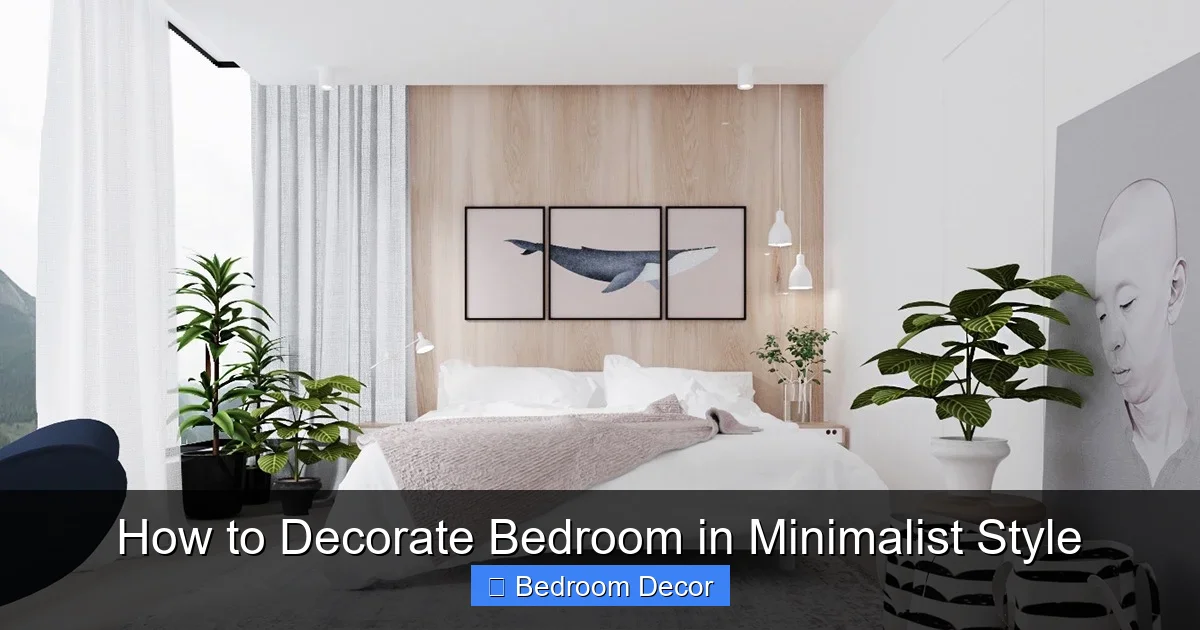
Transform your sleeping space into a serene sanctuary with our guide on how to decorate your bedroom in minimalist style. Learn to declutter ruthlessly, choose functional furniture, embrace neutral palettes, and use strategic decor to create a calm, organized, and beautiful minimalist bedroom. Discover practical steps for a tranquil retreat where less truly is more, promoting relaxation and clarity in your personal space.
How to Decorate Bedroom in Minimalist Style
Welcome to your ultimate guide on transforming your bedroom into a tranquil, uncluttered sanctuary! If you’ve been dreaming of a space that promotes peace, reduces stress, and feels effortlessly stylish, then decorating your bedroom in minimalist style is the perfect path for you. Minimalism isn’t just about sparse aesthetics; it’s a philosophy that prioritizes functionality, intentionality, and a sense of calm. It’s about surrounding yourself only with things that serve a purpose or bring you joy, leaving ample room for relaxation and mental clarity.
In this comprehensive guide, we’ll walk you through every step of creating your ideal minimalist bedroom. From the crucial first act of decluttering to selecting the right furniture, colors, and decor, you’ll learn practical tips and easy-to-follow instructions. By the end, you’ll have all the tools you need to design a beautiful, functional, and serene minimalist bedroom that you’ll love retreating to every day. Let’s get started on creating your perfect, calm oasis!
Key Takeaways
- Declutter Ruthlessly: The absolute first and most crucial step for any minimalist bedroom is to remove unnecessary items, creating a clear and calm foundation.
- Embrace a Neutral Color Palette: Opt for calming whites, greys, beiges, and soft earth tones to establish a peaceful, cohesive, and timeless atmosphere.
- Choose Functional, Streamlined Furniture: Invest in high-quality, multi-functional pieces with simple designs that serve a purpose and contribute to an uncluttered look.
- Master Strategic, Hidden Storage: Integrate clever storage solutions that keep items out of sight, maintaining clean lines and preserving the open feel of your space.
- Select Thoughtful, Minimal Decor: Adorn your bedroom with a few carefully chosen items like meaningful artwork, a single plant, or intentional lighting, rather than excessive clutter.
- Cultivate Open Space and Natural Light: Prioritize clear pathways and unobstructed windows to enhance the sense of spaciousness and bring a refreshing energy into your room.
- Maintain Your Sanctuary: Regularly declutter and practice mindful consumption to sustain your minimalist aesthetic and prevent new clutter from accumulating over time.
Step 1: Declutter Ruthlessly for a Fresh Start
The foundation of any successful minimalist bedroom is a thorough and honest decluttering session. You simply cannot achieve a truly minimalist aesthetic if your space is filled with items you don’t need, use, or love. This step might feel overwhelming at first, but approaching it systematically will make it manageable and incredibly rewarding. Think of it as liberating your space and, by extension, your mind.
The “Keep, Donate/Discard, Relocate” Method
Start by taking everything out of your bedroom – or at least everything from one category, like clothes or books. Hold each item and ask yourself:
- Do I use this regularly? (e.g., at least once a week or month)
- Does this bring me genuine joy or serve a clear purpose?
- Is it a truly essential item?
Based on your answers, sort items into three piles:
- Keep: These are the items that genuinely meet your criteria. Put them aside to be put back thoughtfully later.
- Donate/Discard: Be honest with yourself. If it’s broken, worn out, or hasn’t been used in a year (or more!), it’s time to let it go. Items in good condition can be donated; others should be recycled or discarded responsibly.
- Relocate: Some items simply don’t belong in the bedroom. A stack of mail, office supplies, or out-of-season clothing should find a proper home elsewhere in your house.
Focus particularly on surfaces – dressers, nightstands, and window sills. These areas are prone to collecting visual clutter, which directly conflicts with a minimalist bedroom’s peaceful vibe. Aim for clear surfaces with only one or two intentional items.
Tackle Digital Clutter Too
While not physical, digital clutter can also impact your sense of calm. Take a moment to organize your phone and laptop desktop, clean up old files, and unsubscribe from unnecessary emails. A clear digital space often mirrors a clear physical one, contributing to overall tranquility in your minimalist bedroom.
Step 2: Embrace a Serene Neutral Color Palette
Once your room is decluttered, the next step in how to decorate your bedroom in minimalist style is to establish a calming color scheme. Minimalist bedrooms thrive on soft, neutral palettes that create a sense of spaciousness, serenity, and timeless elegance. These colors serve as a quiet backdrop, allowing the few chosen pieces of furniture and decor to stand out without competing for attention.
Your Base Colors
Start with a primary color for your walls and larger furniture pieces. Excellent choices include:
- Whites: Crisp and clean, they make a room feel expansive and bright. Think warm whites, off-whites, or soft creams to avoid a sterile feel.
- Greys: From light dove grey to a deeper charcoal, greys offer sophistication and can be either cool or warm depending on their undertones.
- Beiges and Tans: These earthy tones bring warmth and natural comfort, creating a cozy yet minimalist atmosphere.
- Soft Earth Tones: Very light terracotta, muted greens, or dusty blues can also work if they are subtle and don’t overwhelm the space.
The key is to stick to a palette of 2-3 main colors, ensuring they harmonize beautifully. This cohesion is vital for achieving a truly minimalist bedroom look.
Subtle Accent Hues
While neutrals dominate, a minimalist bedroom doesn’t have to be devoid of color entirely. You can introduce very subtle accent hues through textiles or small decorative items. Consider:
- Muted pastels: A soft blush, pale sage, or dusty blue in a throw pillow or a piece of art can add a gentle touch of personality.
- Natural wood tones: The warmth of natural wood furniture or a wooden decorative object adds depth and an organic feel without adding “color” in the traditional sense.
- Metallic accents: A touch of brushed brass, matte black, or chrome in a lamp or frame can provide a sophisticated contrast.
Remember, accents should be sparse and deliberate, enhancing the serene atmosphere rather than disrupting it.
Wall Treatments
Keep your walls simple. A fresh coat of paint in your chosen neutral shade is often all you need. If you wish to add texture, consider:
- Limewash or plaster effects: These can add subtle depth and an organic, artisanal feel without introducing busy patterns.
- Wallpaper with subtle texture: Opt for wallpapers with a linen-like texture or very faint, tone-on-tone patterns, rather than bold designs.
The goal is to create a calm, uncluttered backdrop for your minimalist bedroom.
Step 3: Select Functional and Streamlined Furniture
In a minimalist bedroom, every piece of furniture must earn its place. The focus shifts from quantity to quality, functionality, and clean lines. When you decorate bedroom in minimalist style, you’re looking for pieces that are well-made, durable, and serve multiple purposes if possible. Avoid ornate designs, bulky pieces, or anything that feels visually heavy.
The Bed – Your Focal Point
The bed is undoubtedly the most important piece of furniture in your bedroom, and it should reflect your minimalist intentions.
- Platform Beds: These are excellent choices as they often eliminate the need for a box spring, creating a lower profile and a more open feel. Many platform beds also come with built-in storage drawers underneath, which is a minimalist’s dream.
- Simple Headboards: Opt for a clean, unadorned headboard in wood, upholstered fabric (in a neutral tone), or even no headboard at all for an ultra-minimalist look.
- Quality Mattress: Invest in a comfortable mattress. While not visible, it’s crucial for your well-being and the primary function of the room.
Resist the urge for elaborate bed frames that add visual weight. The beauty of a minimalist bed lies in its simplicity and comfort.
Nightstands and Dressers
Choose nightstands and dressers that are sleek, functional, and provide discreet storage.
- Floating Nightstands: These are fantastic for freeing up floor space, making the room feel larger and easier to clean.
- Simple Designs: Look for pieces with clean lines, minimal hardware, and a lack of intricate carvings.
- Hidden Storage: Drawers are preferred over open shelving to keep clutter out of sight. A single drawer is often sufficient for a nightstand.
- Multi-functional Pieces: A small chest of drawers can serve as both a dresser and a nightstand if space is tight.
The goal is to provide necessary storage without introducing visual noise.
Thoughtful Seating or Workspace
If your bedroom allows, you might include a single, small seating area or a minimalist desk.
- Accent Chair: A simple, comfortable armchair with a clean design can be a lovely addition for reading. Choose one in a neutral fabric or natural material.
- Small Desk: If you need a workspace, opt for a floating desk or a very slim console table that doesn’t dominate the room. Ensure any items on it are minimal and organized.
Ask yourself if this additional piece truly enhances the functionality or comfort of your space without compromising the minimalist aesthetic.
Step 4: Master Strategic, Hidden Storage Solutions
Maintaining a minimalist bedroom isn’t just about decluttering once; it’s about having smart systems in place to keep items out of sight and organized. Hidden storage is a cornerstone of the minimalist design philosophy, allowing you to enjoy clean surfaces and an uncluttered environment.
Under-Bed Storage
This is often an overlooked goldmine for storage.
- Drawer Systems: Many platform beds come with integrated drawers. If yours doesn’t, consider buying low-profile, wheeled storage containers that slide neatly underneath.
- Seasonal Items: Use under-bed space for out-of-season clothing, extra bedding, or items you don’t access daily.
Ensuring these containers are opaque and tuck away completely preserves the streamlined look of your minimalist bedroom.
Built-Ins and Wardrobes
If you have the option, built-in wardrobes or custom closets are ideal. They offer seamless storage that blends into the architecture of the room.
- Full-Height Wardrobes: Maximize vertical space, keeping all clothing and accessories behind closed doors.
- Integrated Shelving: Incorporate shelves and drawers within your wardrobe for ultimate organization.
For existing closets, invest in good organization systems: drawers, shelves, and uniform hangers. The less visual clutter you have, the more successful your minimalist bedroom will be.
Discreet Bins and Baskets
For items that need to be easily accessible but out of sight, stylish bins and baskets are your friends.
- Natural Materials: Woven baskets made from rattan, seagrass, or cotton rope add warmth and texture without adding clutter.
- Uniformity: Choose bins that are similar in material, color, or style to maintain a cohesive look.
- Purposeful Placement: Place them inside closets, under nightstands, or in a corner if they are visually appealing. Use them for laundry, extra blankets, or personal items.
The key is for these storage solutions to be functional and aesthetically pleasing, blending into the minimalist design rather than standing out.
Step 5: Choose Thoughtful Decor and Inviting Textiles
This is where many people get tripped up when they try to decorate bedroom in minimalist style. Minimalism doesn’t mean *no* decor; it means *intentional* decor. Every item you choose to display should have a purpose, tell a story, or bring you genuine pleasure. Think “curated” rather than “collected.”
Art That Speaks Volumes
Instead of a gallery wall, opt for one or two impactful pieces of art.
- Large-Scale Print: A single large piece of art can make a powerful statement without feeling busy. Choose abstract art, a calming landscape, or a piece with a simple color palette.
- Meaningful Object: A beautifully framed photo, a unique ceramic piece, or a piece of sculptural art on a dresser can serve as your focal point.
Ensure frames are simple and complement your overall color scheme, perhaps in natural wood, white, or black.
A Touch of Greenery
Plants are wonderful additions to a minimalist bedroom, adding life, color, and a connection to nature.
- One or Two Plants: Choose a single statement plant (like a Fiddle Leaf Fig or a Snake Plant) or a couple of smaller ones (like Pothos or ZZ Plant).
- Simple Planters: Opt for planters in neutral tones – terracotta, white ceramic, or concrete – to keep the focus on the plant itself.
Plants not only purify the air but also soften the clean lines of a minimalist space.
Intentional Lighting
Lighting is crucial for setting the mood in any bedroom, and a minimalist bedroom is no exception.
- Minimal Fixtures: Choose simple, elegant light fixtures. A sleek pendant light, a modern floor lamp, or discreet wall sconces can provide ample illumination.
- Warm Light: Use warm-toned bulbs (around 2700K-3000K) to create a cozy and inviting atmosphere.
- Functionality: Bedside lamps should provide task lighting for reading without cluttering your nightstand. Wall-mounted or pendant lights are excellent for this.
Avoid overly decorative chandeliers or multiple small lamps that add visual clutter.
Cozy Textiles
Textiles are your secret weapon for adding warmth, texture, and comfort to a minimalist bedroom without adding “stuff.”
- Bedding: Invest in high-quality, comfortable bedding in neutral colors. Layers of linen, cotton, or bamboo sheets and a duvet cover in white, cream, or light grey create an inviting look. Add one or two decorative pillows and a textured throw blanket for depth.
- Rugs: A soft rug underfoot can define the sleeping area, add warmth, and introduce texture. Choose a natural fiber rug (wool, jute) in a solid, neutral color or with a subtle geometric pattern.
- Curtains: Opt for simple, unlined or lightly lined curtains in a neutral fabric that allows natural light to filter in while still providing privacy. Floor-length curtains create a sense of height and elegance.
The richness of textures in your bedding, rug, and curtains will make your minimalist bedroom feel inviting and luxurious.
Step 6: Cultivate Open Space and Maximize Natural Light
A defining characteristic of a minimalist bedroom is its feeling of openness and airiness. By consciously creating clear space and inviting natural light, you enhance the room’s serene and spacious qualities.
Keep Pathways Clear
Ensure there’s plenty of space to move around your bedroom easily. Avoid placing furniture in high-traffic areas.
- Spacious Layout: Arrange your furniture to maximize open floor space. Pull your bed slightly away from walls if possible to give it breathing room.
- Negative Space: Embrace “negative space” – the empty areas around and between objects. This is just as important as the objects themselves in minimalist design, providing visual rest.
A clutter-free floor and clear walking paths contribute significantly to the feeling of a calm, organized, and expansive minimalist bedroom.
Window Treatments
Windows are crucial for light, and how you treat them can make or break the airy feel of your minimalist space.
- Minimalist Curtains: As mentioned, opt for simple, light-colored curtains made from natural, sheer, or semi-sheer fabrics. Avoid heavy drapes or elaborate valances that block light and feel dated.
- Blinds or Shades: If privacy is a high concern, consider roller blinds, Roman shades, or simple venetian blinds in a neutral color. They can be neatly tucked away or pulled up to allow maximum light during the day.
- Keep them open: During the day, open your curtains or blinds as much as possible to flood your room with natural light. This connection to the outside world is invigorating and makes any room feel larger.
The goal is to frame your windows elegantly without obstructing the light they bring in.
Step 7: Maintain Your Minimalist Sanctuary
Creating a minimalist bedroom is a fantastic achievement, but maintaining it is an ongoing journey. Minimalism isn’t a one-time project; it’s a lifestyle adjustment that brings long-term benefits.
Regular Decluttering Rituals
To prevent new clutter from creeping back in, establish simple routines.
- Daily Tidy-Up: Take 5-10 minutes each evening to put things back in their place, make your bed, and clear any surfaces. This small habit prevents accumulation.
- Weekly Check-In: Once a week, quickly scan your bedroom for any items that have migrated in or things that no longer belong.
- Seasonal Purge: Every few months, do a mini-declutter, especially with clothes and bedding, to ensure everything still fits your “keep” criteria.
These consistent efforts will ensure your bedroom remains a calm, uncluttered retreat.
Mindful Consumption
The most effective way to maintain a minimalist bedroom is to be intentional about what you bring into it.
- One In, One Out: When you buy something new, try to remove an existing item of similar type. For instance, if you buy a new top, donate an old one.
- Question Purchases: Before buying any new decor or furniture, ask yourself: “Do I truly need this? Does it serve a purpose or bring significant joy? Does it fit my minimalist aesthetic?”
- Quality Over Quantity: Invest in fewer, higher-quality items that will last longer and serve you better, reducing the need for constant replacements.
By adopting these mindful habits, you’ll naturally maintain your beautifully decorated bedroom in minimalist style.
Troubleshooting Common Minimalist Challenges
Even with the best intentions, you might encounter a few hurdles when trying to decorate bedroom in minimalist style. Here are some common challenges and how to overcome them.
Challenge 1: My Bedroom Feels Too Stark or Cold
Sometimes, in the pursuit of minimalism, a room can lose its warmth and feel uninviting.
Solution: Introduce texture and warm tones through natural materials. Add a cozy knitted throw blanket on the bed, a soft rug, or linen curtains. Incorporate elements of wood (in furniture or a decorative bowl) and greenery with plants. Warm-toned lighting can also drastically change the ambiance. A single piece of artwork with soft colors can add personality without clutter. Remember, minimalism is about serenity, not sterility.
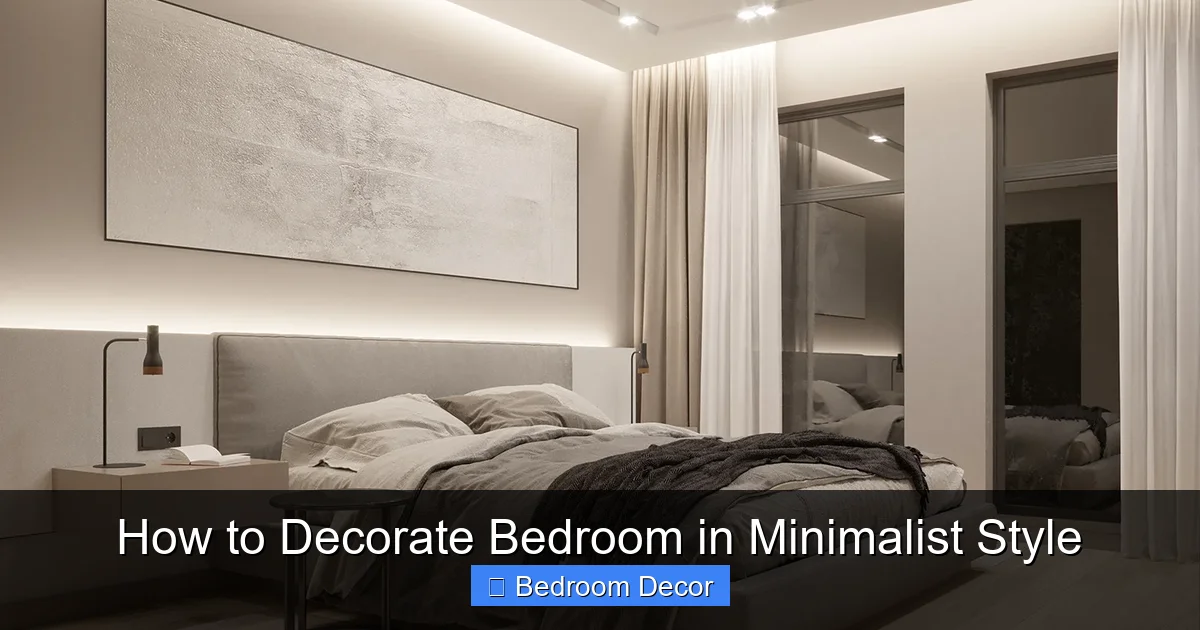
Visual guide about How to Decorate Bedroom in Minimalist Style
Image source: mir-s3-cdn-cf.behance.net
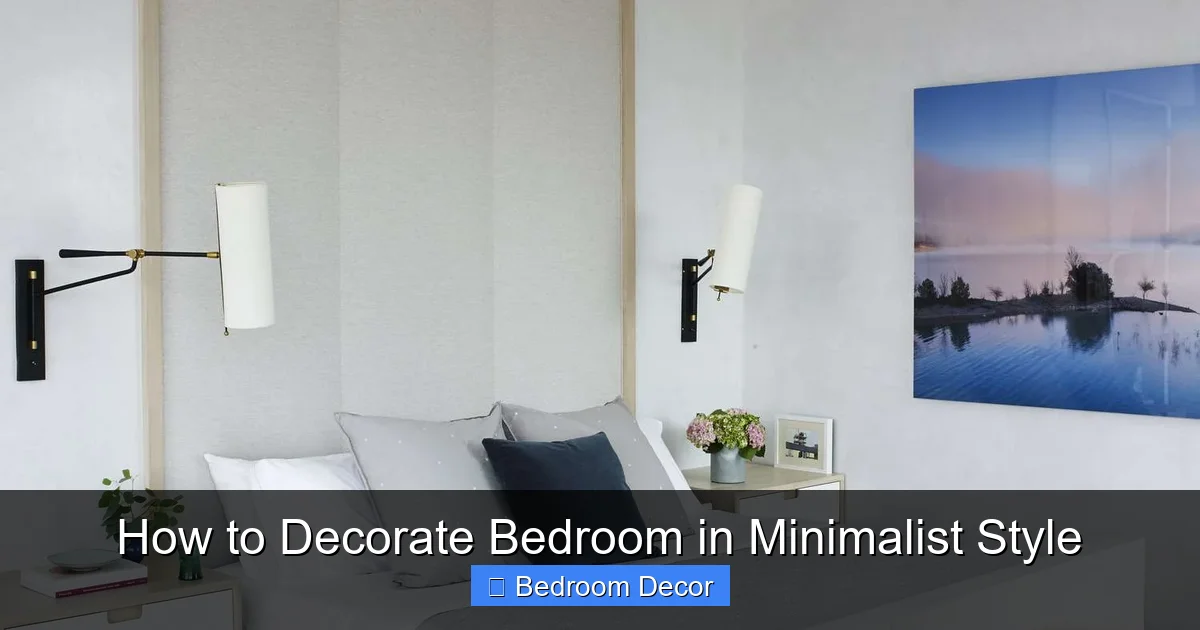
Visual guide about How to Decorate Bedroom in Minimalist Style
Image source: mydomaine.com
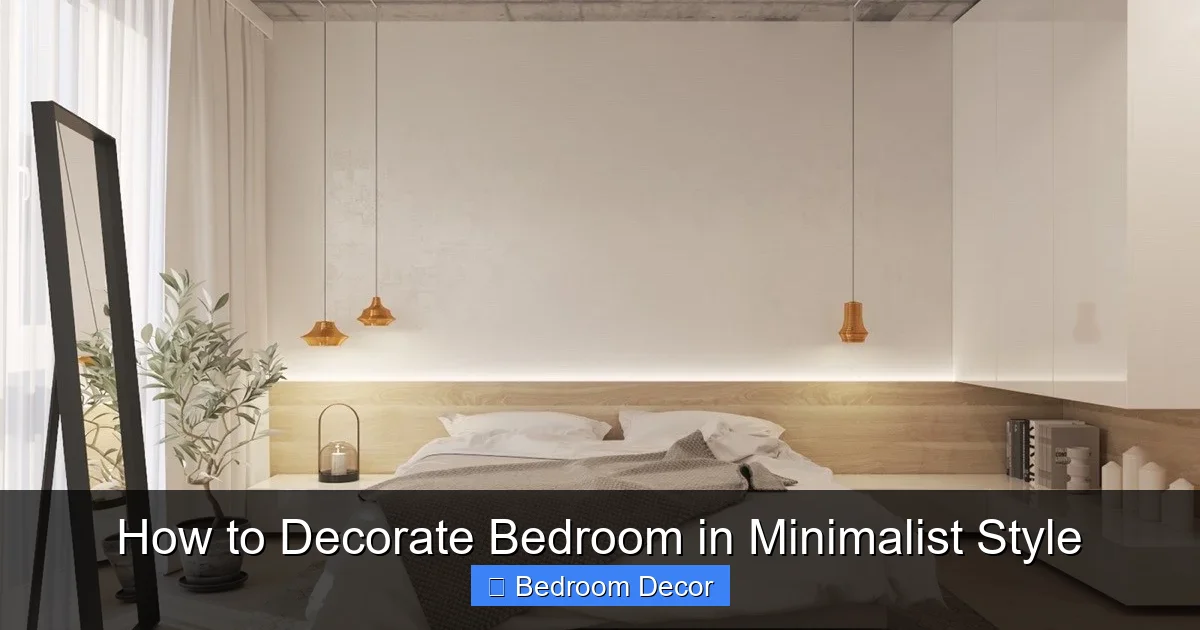
Visual guide about How to Decorate Bedroom in Minimalist Style
Image source: cdn.home-designing.com
Challenge 2: How Do I Deal with Sentimental Items?
It’s hard to let go of items with emotional value, even if they don’t fit the minimalist aesthetic.
Solution: You don’t have to discard *all* sentimental items. Choose one or two truly significant pieces to display prominently and thoughtfully. For others, consider digitizing photos, creating a “memory box” to store in a closet or another room, or taking a photograph of the item before letting it go. The goal is to cherish memories without them becoming physical clutter.
Challenge 3: I Have a Small Bedroom – Can It Still Be Minimalist?
Absolutely! Minimalism is often *perfect* for small spaces because it focuses on decluttering and maximizing space.
Solution: Employ smart, multi-functional furniture like a platform bed with built-in storage or a floating desk. Opt for a light, neutral color palette to make walls recede and the room feel larger. Use vertical space with tall, slim storage units. Keep decor extremely sparse and prioritize natural light by choosing light window treatments. The fewer items you have, the larger and more open your small minimalist bedroom will feel.
Conclusion
Congratulations! You’ve now learned how to decorate your bedroom in minimalist style, transforming it into a peaceful, functional, and aesthetically pleasing sanctuary. The journey to a minimalist bedroom is about more than just aesthetics; it’s about creating an environment that supports your well-being, fosters calm, and reduces the daily mental load of clutter.
By embracing ruthless decluttering, a serene neutral palette, functional furniture, clever storage, and thoughtful decor, you’ve curated a space where every item has a purpose and every corner offers a sense of tranquility. Remember that maintaining this space is an ongoing practice of mindful consumption and regular tidying, but the benefits – enhanced peace, improved focus, and a truly relaxing retreat – are profoundly rewarding. Enjoy your beautiful new minimalist bedroom, a testament to the power of less.