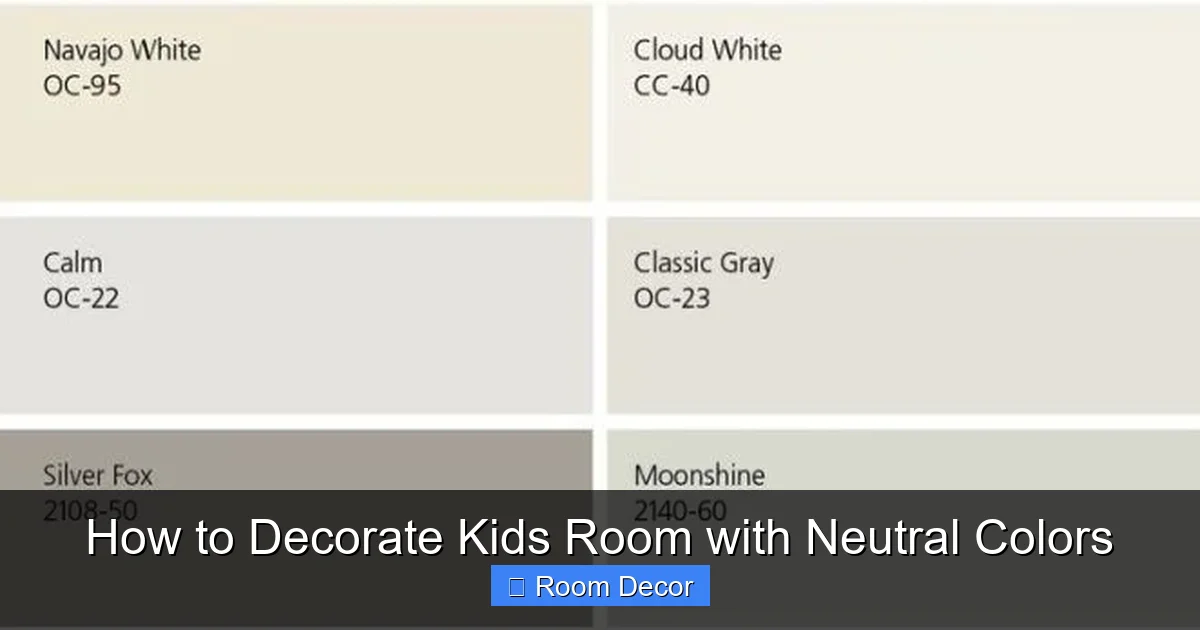
Decorating a kids’ room with neutral colors offers a timeless and adaptable canvas, promoting a calm environment while allowing for evolving tastes. This guide provides a step-by-step approach to creating a beautiful and functional neutral space, emphasizing longevity, versatility, and subtle charm. You’ll learn how to select the perfect neutral palette, incorporate engaging textures, and add playful accents that ensure the room feels warm, inviting, and uniquely theirs, all while being incredibly easy to update as they grow.
How to Decorate Kids Room with Neutral Colors
Creating a nurturing and beautiful space for your child is one of the joys of parenthood. While vibrant colors often come to mind for kids’ rooms, there’s a growing trend, and for good reason, to decorate kids room with neutral colors. A neutral palette offers incredible versatility, a sense of calm, and a timeless foundation that can easily adapt as your child grows from a baby to a toddler, and then to a school-aged kid.
This comprehensive guide will walk you through everything you need to know about how to decorate kids room with neutral colors. We’ll explore how to choose your palette, select furniture, add textures, and introduce playful elements without losing the serene and sophisticated feel. Get ready to design a room that is both stylish and perfectly suited for your little one!
Key Takeaways
- Embrace a Broad Neutral Palette: Neutral doesn’t just mean beige. Explore warm creams, cool grays, serene whites, and versatile greiges to create depth and interest in your child’s room.
- Build a Timeless Foundation: Invest in neutral wall colors and classic, durable furniture pieces that can adapt from infancy through adolescence, providing excellent long-term value.
- Layer with Textures and Natural Materials: Prevent blandness by incorporating a variety of textures through textiles like rugs, blankets, and curtains, and by using natural materials such as wood, rattan, and cotton.
- Introduce Personality with Playful Accents: While the base is neutral, infuse character with artwork, storage bins, lighting, and toys that add pops of interest without overwhelming the serene backdrop.
- Prioritize Practicality and Safety: Choose easy-to-clean fabrics and finishes, and always ensure the room is child-proofed. Neutral backdrops make it simpler to maintain a tidy and safe environment.
- Allow for Growth and Change: The beauty of a neutral room is its adaptability. It serves as a blank slate, making it easy and cost-effective to update themes, colors, and decor as your child’s interests evolve.
Introduction: Why Choose Neutral Colors for a Kids Room?
The idea of a neutral kids room might conjure images of stark, uninteresting spaces, but nothing could be further from the truth! Decorating a kids room with neutral colors provides a wealth of benefits:
- Longevity and Versatility: A neutral base is incredibly adaptable. It effortlessly transitions from a sweet nursery to a bustling playroom and then to a sophisticated teen bedroom, saving you time and money on frequent redecorations.
- Calming Atmosphere: Soft, neutral tones create a serene and tranquil environment, which can be particularly beneficial for promoting better sleep and a more peaceful mood in children.
- Encourages Creativity: Without overwhelming colors, a neutral backdrop allows your child’s toys, books, and artwork to truly shine. It provides a quiet canvas for their imagination to take center stage.
- Easy to Update: Want to introduce a new theme or color? With a neutral room, you can simply swap out accessories like bedding, curtains, or wall art without needing a complete overhaul.
- Timeless Style: Neutral aesthetics never go out of style. They offer a sophisticated and enduring look that appeals to both children and adults.
Ready to learn how to decorate kids room with neutral colors? Let’s dive in!
Step 1: Define Your Neutral Palette
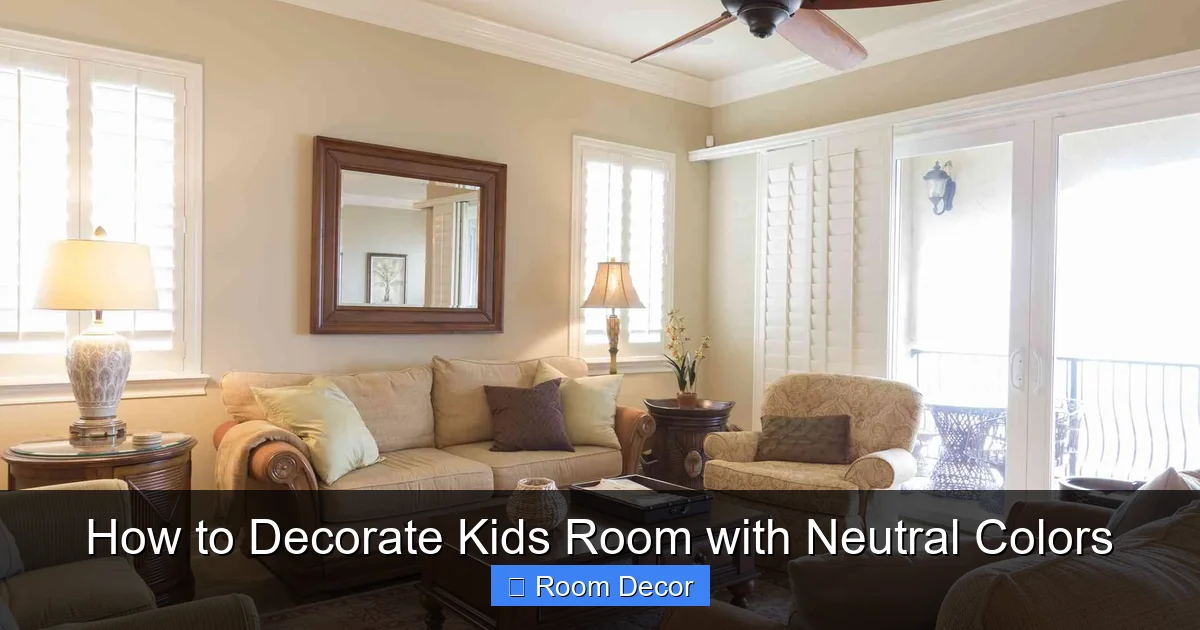
Visual guide about How to Decorate Kids Room with Neutral Colors
Image source: thespruce.com
When you think “neutral,” do you just picture beige? Think again! The world of neutral colors is incredibly rich and varied, offering endless possibilities for depth and warmth. The first step to decorate kids room with neutral colors is to define which specific neutral shades you’ll focus on.
Beyond Beige: Exploring Warm Neutrals
Warm neutrals bring comfort and coziness to a space.
- Cream and Ivory: These soft, off-white tones are gentler than pure white, providing a welcoming glow. They pair beautifully with natural wood and earthy accents.
- Taupe: A sophisticated blend of brown and gray, taupe is incredibly versatile. It can lean warmer or cooler depending on its undertones, offering a grounded yet elegant feel.
- Soft Beige: Modern beiges are far from drab. Look for subtle variations that have hints of gold, pink, or even green to add character.
Cool & Serene: Grays and Whites
Cool neutrals create a calm, clean, and airy ambiance, perfect for a peaceful sanctuary.
- Light Gray: From almost-white light grays to slightly deeper silver tones, gray offers a modern and chic foundation. It’s fantastic for contrasting with brighter accents.
- Pure White: For a truly crisp and minimalist look, pure white is an excellent choice. It makes a room feel larger and brighter, acting as a perfect canvas. Just be mindful of potential staining with little ones!
- Blue-Grays: If you want to introduce a hint of color while staying neutral, a very light blue-gray can be incredibly soothing and calming.
The Power of Greige
Greige is the ultimate chameleon of neutral colors, a perfect blend of gray and beige. Its unique balance means it can adapt to both warm and cool decor schemes. If you’re unsure which direction to go, greige is a fantastic starting point when you decorate kids room with neutral colors, as it rarely clashes with other tones and provides incredible flexibility.
Tip: Always test paint swatches on your walls and observe them at different times of the day to see how natural light affects the color before making a final decision.
Step 2: Build Your Foundation: Walls & Flooring
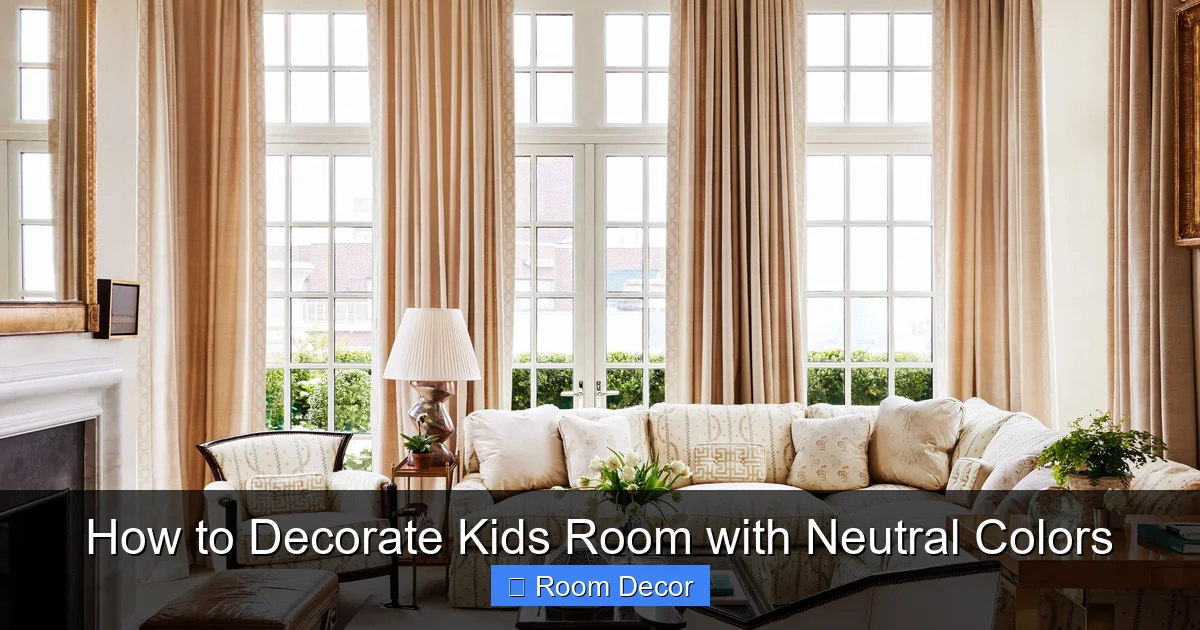
Visual guide about How to Decorate Kids Room with Neutral Colors
Image source: hips.hearstapps.com
With your chosen palette in mind, it’s time to apply it to the largest surfaces in the room: the walls and the floor. This is where the core of your neutral kids room will take shape.
Paint Perfect: Choosing Your Wall Color
The wall color sets the entire mood for the room.
- Keep it Light: Lighter neutrals (whites, creams, very light grays, or greiges) are generally best for a kids’ room. They make the space feel open, airy, and bright, which is important for play and imagination.
- Consider Undertones: Pay attention to the undertones in your chosen paint. A gray with blue undertones will feel cooler, while one with yellow or pink undertones will feel warmer. Make sure it complements your furniture and desired overall feel.
- Accent Wall (Optional): If you want to add a subtle feature, consider a textured wallpaper in a neutral pattern (think subtle stripes, polka dots, or a gentle animal print in the same color family) on one wall, or even a soft mural with neutral colors (e.g., mountains in shades of gray and white).
Floor It: Rugs and Their Impact
Flooring is another key foundational element. While hard floors (wood, laminate) are easy to clean, a soft rug is essential for a kids room.
- Comfort and Safety: A large, soft rug provides a comfortable landing spot for playtime and helps muffle sound. It’s a crucial element when you decorate kids room with neutral colors.
- Texture and Warmth: Even if your walls are neutral, the rug can add significant texture. Think shag rugs, wool rugs, or jute rugs for natural warmth and interest.
- Pattern Play: Introduce a subtle pattern with your rug. A geometric design, a muted stripe, or a playful star pattern in neutral tones can add visual interest without overwhelming the space.
- Size Matters: Opt for a rug large enough to define the play area or anchor the bed, providing ample soft surface for little feet and hands.
Step 3: Select Furniture with Longevity

Visual guide about How to Decorate Kids Room with Neutral Colors
Image source: mytidycorner.com
One of the biggest advantages of a neutral kids room is the ability to invest in high-quality, long-lasting furniture. When you decorate kids room with neutral colors, choose pieces that can grow with your child, saving you from constant upgrades.
Timeless Pieces: Cribs, Beds, and Dressers
- Classic Designs: Opt for furniture with clean lines and classic designs rather than overly themed or childish pieces. A simple white crib, a natural wood dresser, or a sturdy gray toddler bed will look good for years.
- Neutral Colors: Stick to furniture in white, natural wood tones (light birch, oak, maple), gray, or even a very soft black. These colors are versatile and won’t clash with any future decor changes.
- Convertible Furniture: Consider a convertible crib that transforms into a toddler bed and then a full-sized headboard. This is a smart, economical choice for a neutral space.
- Quality Over Quantity: Invest in well-made furniture. Durability is key for pieces that will withstand years of child use and potential moves.
Smart Storage Solutions
Storage is paramount in any kids’ room, especially one designed to be serene and uncluttered.
- Integrated Storage: Look for beds with built-in drawers or storage benches that double as seating.
- Open Shelving vs. Closed Cabinets: A mix works best. Open shelves are great for displaying favorite books and toys, adding color, while closed cabinets or baskets hide clutter.
- Neutral Storage Bins: Use woven baskets, fabric bins in neutral colors (cream, gray, soft green), or wooden crates. These keep things tidy while adding texture and style. Avoid overly bright plastic bins that can detract from your neutral aesthetic.
Step 4: Inject Personality Through Textiles & Textures
This is where your neutral kids room truly comes alive! While your base colors are subtle, the magic happens through layers of different textures and soft textiles. This prevents the room from feeling flat or sterile.
Layers of Comfort: Bedding & Curtains
- Bedding Basics: Start with solid white, cream, or light gray sheets. Then, layer with duvets or quilts in subtle patterns like stripes, small dots, or a delicate check. Think organic cottons and linens for a soft, inviting feel.
- Curtains for Ambiance: Choose curtains in a soft, neutral fabric (linen, cotton) with a blackout lining for better sleep. Consider subtle patterns or textures like a waffle weave or slub fabric. They should complement your wall color, perhaps a tone-on-tone pattern for interest.
Tactile Touches: Throws, Pillows & Rugs
These are your opportunities to add warmth and visual interest.
- Cozy Throws: Drape a chunky knit throw blanket over a chair or the end of the bed. Materials like faux fur, wool, or thick cotton add significant texture.
- Decorative Pillows: Introduce pillows in various shapes and sizes. Mix solid neutrals with subtle patterns, or ones with unique textures like fringe, tassels, or embroidered details.
- Rugs for Definition: As mentioned in Step 2, a well-chosen rug is essential. Consider different pile heights and materials for a layered look.
Natural Materials: Wood, Rattan, Cotton
Incorporating natural materials is key to adding warmth and organic beauty to your neutral space.
- Wood: Use natural wood for furniture, shelving, or decorative items. The grain and varied tones of wood add inherent warmth and sophistication.
- Rattan and Wicker: Baskets, small chairs, or decorative elements made from rattan or wicker bring a lovely bohemian, earthy texture.
- Cotton and Linen: For bedding, curtains, and even wall hangings, these natural fibers provide a soft, breathable, and timeless feel.
Step 5: Curate Playful Accents & Decor
Now for the fun part! This is where you infuse personality and childlike wonder into your neutral kids room without overwhelming the calm aesthetic. The key is thoughtful curation and strategic pops of color or whimsical elements.
Art That Grows With Them
Art is a fantastic way to add personality.
- Neutral Themes: Choose artwork with animal themes, abstract patterns, or landscapes in neutral colors. Think black and white photography, minimalist line drawings, or watercolor prints.
- Subtle Color Pops: If you want to introduce a little color, do it through a piece of art that features a muted sage green, a soft dusty blue, or a terracotta orange, rather than bright primaries.
- Gallery Wall: Create a gallery wall with a mix of framed prints, child’s artwork, and perhaps a small mirror. This allows for easy updates as interests change.
- DIY Decor: Consider a simple DIY felt banner or a macrame wall hanging in neutral tones.
Toys as Decor
Many children’s toys are beautifully designed and can double as decorative elements.
- Wooden Toys: Natural wood blocks, puzzles, and figurines look charming displayed on shelves.
- Soft Animals: Plush toys in neutral colors or realistic animal designs can add warmth and playfulness.
- Book Display: Face-out bookshelves (like picture ledges) showcase colorful book covers, adding natural pops of color to the room.
Lighting the Mood
Lighting is crucial for both function and ambiance.
- Warm Light: Opt for light bulbs that emit a warm, inviting glow (around 2700K-3000K) rather than harsh cool white.
- Layered Lighting: Combine overhead lighting with a cute floor lamp or a bedside table lamp for reading. A string of fairy lights can add a magical touch.
- Unique Fixtures: Choose a ceiling light fixture with a unique shape or made from a natural material like wood beads or rattan to add a decorative element.
Greenery & Nature-Inspired Elements
Bringing the outdoors in adds life and freshness to any neutral space.
- Safe Plants: If age-appropriate and out of reach, a small, non-toxic plant like a spider plant or a snake plant can add a touch of green.
- Nature-Inspired Prints: Leaf patterns, floral motifs, or woodland creatures in prints or textiles can evoke a sense of calm and nature.
- Dried Flowers or Pampas Grass: For older children, a small vase with dried flowers or pampas grass can add texture and a sophisticated touch.
Step 6: Ensure Practicality & Safety
A beautiful kids room also needs to be functional and, most importantly, safe. When you decorate kids room with neutral colors, keep these practical considerations in mind.
Easy-Clean Surfaces
Children are messy – it’s a fact!
- Washable Paint: Choose scrubbable, low-VOC (volatile organic compounds) paint for walls that can withstand frequent wiping.
- Durable Fabrics: For upholstery or bedding, look for fabrics that are machine washable or stain-resistant. Cotton, linen blends, and some performance fabrics are excellent choices.
- Rugs: Consider washable rugs (many brands now offer these) or rugs made from materials that are easy to spot clean.
Child-Proofing Essentials
Safety should always be the top priority.
- Secure Furniture: Anchor all heavy furniture (dressers, bookshelves) to the wall to prevent tipping.
- Cordless Blinds: Use cordless window blinds or shades to eliminate strangulation hazards.
- Outlet Covers: Install outlet covers on all unused electrical outlets.
- Soft Edges: Where possible, choose furniture with rounded edges, or use corner guards on sharp edges.
- Non-Toxic Materials: Ensure all paints, finishes, and materials are non-toxic and child-safe.
Troubleshooting: Avoiding a Bland Neutral Room
The biggest fear when you decorate kids room with neutral colors is creating a bland or uninteresting space. Here’s how to ensure your neutral room is anything but:
- Layer, Layer, Layer: This is the golden rule. Combine different shades of your chosen neutral palette, and layer various textures (smooth, rough, soft, hard) to add depth.
- Incorporate Natural Elements: Wood, rattan, wool, cotton, and linen naturally add warmth and visual interest with their inherent textures and subtle color variations.
- Introduce Subtle Patterns: Don’t shy away from patterns, just keep them subtle. Think tone-on-tone stripes, small polka dots, or delicate nature-inspired prints in your textiles or wallpaper.
- Use Contrasting Neutrals: Pair a light gray with a darker charcoal, or a creamy white with a soft taupe. This contrast prevents a monochromatic wash.
- Strategic Pops of Muted Color: While the base is neutral, a kids’ room needs some childlike charm. Introduce muted, desaturated versions of colors through accessories. Think a dusty rose pillow, a sage green throw, or a light terracotta pot for a plant. These colors blend harmoniously without shouting.
- Focus on Playfulness: Let the toys, books, and child-specific items be the source of vibrant energy. When these items are well-organized and displayed, they add the necessary pops of life.
Conclusion
Decorating a kids room with neutral colors is a wonderfully smart and stylish choice for any parent. By following these steps, you can create a beautiful, versatile, and calming sanctuary that not only looks fantastic but also grows effortlessly with your child. From defining your palette and building a timeless foundation to layering textures and adding playful accents, you’re now equipped to design a space that fosters peace, creativity, and enduring style. Embrace the subtle charm of neutrals and watch your child’s room transform into a haven they’ll love for years to come. Happy decorating!