
Transform your living room with the power of Artificial Intelligence! This guide shows you how to leverage AI tools for effortless design visualization, helping you experiment with styles and furniture before you buy. Learn to create mood boards, generate personalized room layouts, and discover new decor ideas to bring your dream living room to life.
Are you dreaming of a living room that’s both stylish and comfortable, but finding it hard to bring your vision to life? Perhaps you’ve spent hours scrolling through inspiration photos, only to feel overwhelmed by choices. What if you could see your dream living room before you even picked up a paintbrush or bought a single piece of furniture? Welcome to the exciting world of decorating your living room with AI.
In this comprehensive guide, we’ll walk you through how to use artificial intelligence to revolutionize your home decor process. You’ll learn how to leverage AI tools to visualize different styles, experiment with furniture layouts, discover new color palettes, and even find the perfect decor pieces, all from the comfort of your home. No more guesswork, no more costly mistakes – just pure design innovation. Let’s dive in and create the living room you’ve always wanted!
Key Takeaways
- AI offers revolutionary ways to visualize and plan your living room decor, moving beyond traditional methods to provide dynamic and interactive design experiences.
- Numerous AI-powered design tools are available, ranging from simple mood board creators to advanced room visualizers and generative art platforms.
- Understanding your existing space and desired aesthetic is crucial, even when using AI, to guide the artificial intelligence effectively.
- AI can help generate multiple design concepts, allowing you to explore various styles, color palettes, and furniture arrangements without physical limitations.
- Effective prompt engineering is key to getting the best results from generative AI tools for decor, requiring clear and descriptive instructions.
- AI can assist in selecting specific furniture and decor items by suggesting complementary pieces based on your chosen style and room layout.
- Always review and refine AI-generated suggestions to ensure they align with your personal taste, budget, and the practical needs of your living room.
Understanding the Role of AI in Home Decor
Artificial intelligence is no longer just a futuristic concept; it’s a powerful tool that’s transforming various industries, including interior design. For your living room decor, AI can act as your personal design assistant, offering insights and visual representations that were once only available to professional designers. It helps bridge the gap between imagination and reality, allowing you to see potential outcomes before committing to any changes.
AI tools can understand complex design principles, analyze your preferences, and generate unique ideas based on your input. Think of it as having an endless supply of design inspiration and a virtual showroom at your fingertips. This guide will focus on practical, accessible AI tools that you can start using today to elevate your living room.
Step 1: Define Your Living Room’s Purpose and Your Personal Style
Before you even touch an AI tool, the most crucial step is to understand what you want from your living room and what aesthetic resonates with you. AI needs direction. The more clearly you can articulate your needs and preferences, the better the AI can assist you.
Clarify Your Living Room’s Function
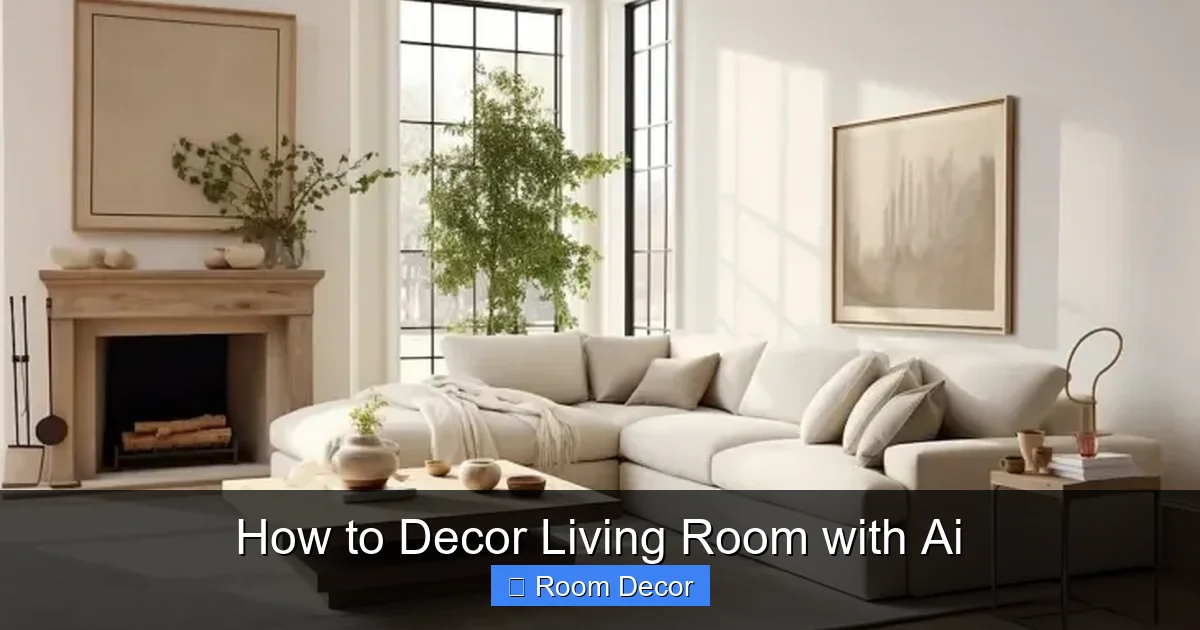
Consider how you use your living room most often. Is it a place for family movie nights, entertaining guests, a quiet reading nook, or a combination of these?
Visual guide about How to Decor Living Room with Ai
Image source: cdn.apartmenttherapy.info
- For relaxation: You might prioritize comfortable seating, soft lighting, and a calming color palette.
- For entertaining: Ample seating, good traffic flow, and perhaps a statement piece for conversation might be key.
- For families: Durability, safety, and multi-functional furniture could be important considerations.
Identify Your Aesthetic Preferences
What styles do you love? Don’t be afraid to mix and match, but having a general direction is helpful.
- Modern: Clean lines, minimalist approach, neutral colors with pops of accent.
- Bohemian (Boho): Eclectic mix of patterns, colors, and textures, often with natural elements.
- Traditional: Classic furniture, rich colors, symmetrical arrangements, and ornate details.
- Scandinavian: Light woods, white or light gray palettes, functional and cozy.
- Industrial: Raw materials like brick and metal, exposed pipes, and a utilitarian feel.
Think about your favorite colors, textures, and even materials. What feelings do you want your living room to evoke? Cozy? Energetic? Serene?
Step 2: Choose the Right AI Decor Tools
The AI landscape for design is rapidly expanding. There are several types of tools that can help you with your living room decor, each offering different functionalities.
AI-Powered Design Visualizers and Room Planners
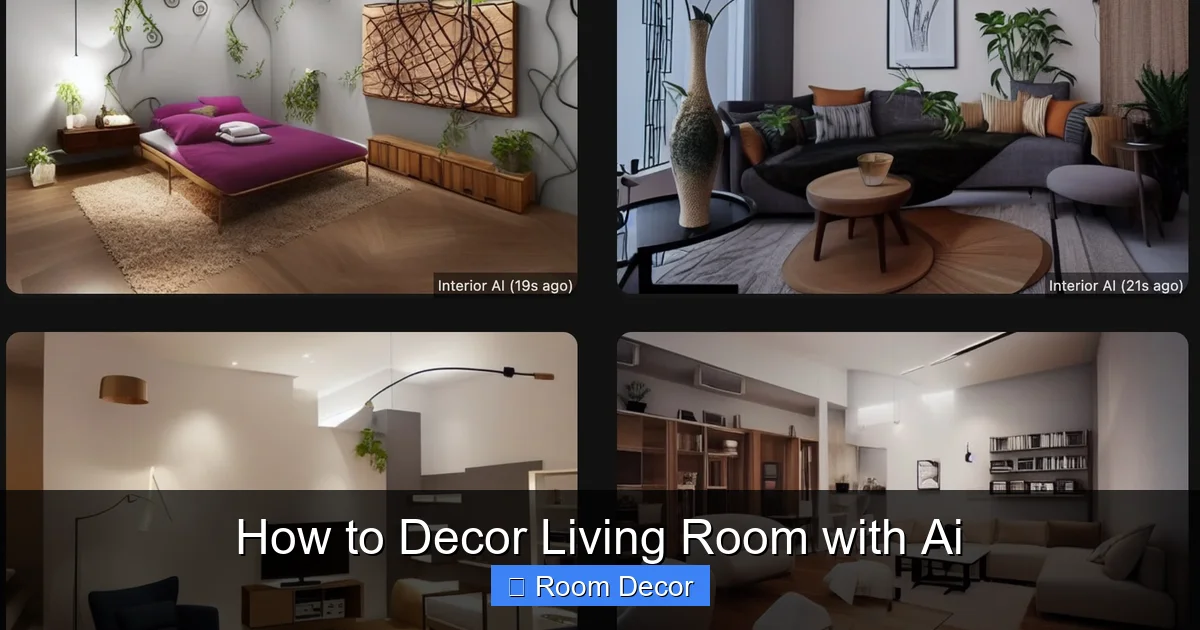
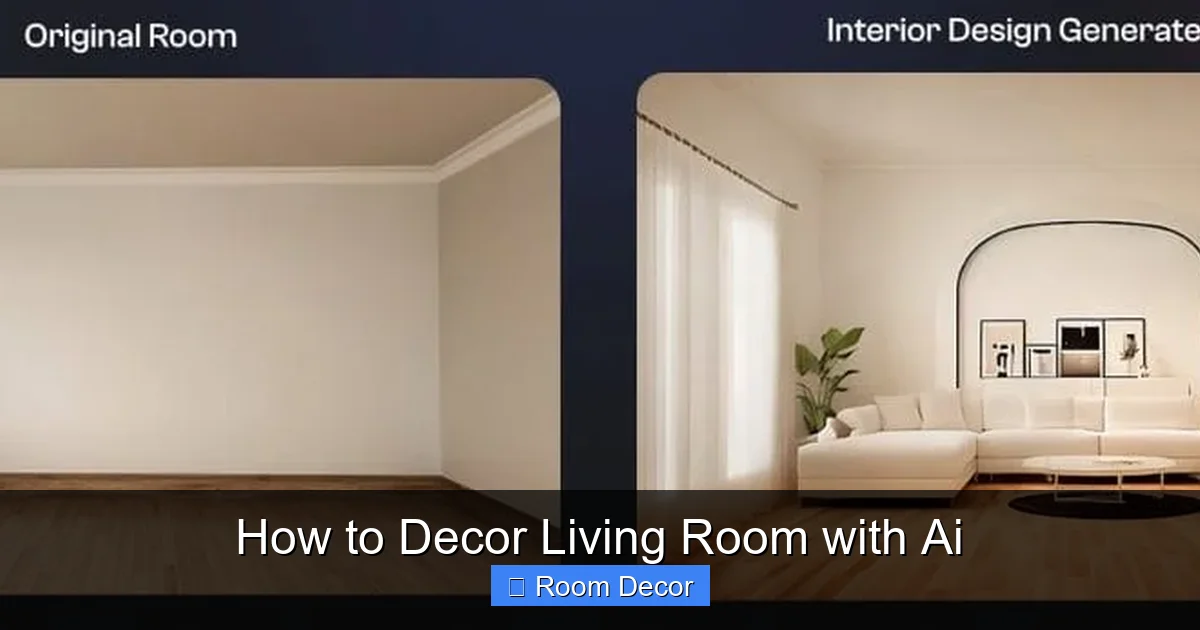
These tools allow you to upload a photo of your existing living room or use a pre-made template, then virtually place furniture, change wall colors, and see how different decor items look. Many of these offer realistic 3D renderings.
Visual guide about How to Decor Living Room with Ai
Image source: jnack.com
- Examples: Many furniture retailers offer in-app visualizers. Look for dedicated interior design apps that integrate AI for more advanced features. Some popular ones include Planner 5D, Homestyler, and RoomSketcher.
Generative AI for Inspiration and Mood Boards
These tools, often text-based, can create images based on your descriptions. You can use them to generate mood boards, visualize abstract concepts, or see how different styles would look in a generalized room setting.
- Examples: Midjourney, DALL-E 3, Stable Diffusion are powerful image generators. You can prompt them with descriptions like “cozy Scandinavian living room with a fireplace and a plush gray sofa” or “vibrant bohemian living room with patterned rugs and hanging plants.”
AI-Powered Color Palette Generators
Struggling with color choices? These tools can suggest harmonious color schemes based on an image you upload or your preferred style.
- Examples: Adobe Color’s “Explore” feature, Coolors.co, and various apps offer AI-driven color palette suggestions.
AI for Furniture and Decor Suggestions
Some platforms use AI to recommend specific furniture items or decor pieces that match your chosen style and existing room dimensions.
- Examples: This functionality is often integrated into the design visualizers or found on large e-commerce furniture sites that use AI for personalized recommendations.
Step 3: Prepare Your Input for the AI
To get the most out of AI tools, you need to provide them with clear and relevant information.
For Design Visualizers
- Take clear photos of your room: Ensure good lighting and capture the space from multiple angles. Measure your room dimensions accurately.
- Upload floor plans: If you have a floor plan, it will significantly help the AI understand the layout.
For Generative AI (Image Generators)
This is where “prompt engineering” comes in. Your prompts are the instructions you give the AI.
Visual guide about How to Decor Living Room with Ai
Image source: decorilla.com
- Be descriptive: Instead of “living room,” try “a warm and inviting living room with a navy blue velvet sofa, a reclaimed wood coffee table, and abstract art on the walls.”
- Specify style: “Modern minimalist living room,” “Eclectic bohemian living room,” “Cozy farmhouse living room.”
- Include details: Mention colors, materials, furniture types, lighting (e.g., “soft ambient lighting,” “natural light streaming in”), and even mood.
- Use negative prompts (if available): Some tools allow you to tell the AI what you *don’t* want. For example, “no clutter,” “no cheap-looking plastic.”
Example Prompt: “A bright and airy living room with a large sectional sofa in a light gray fabric, a distressed wood coffee table, an abundance of houseplants, and a large abstract painting with shades of teal and gold on a white wall. Natural light floods the space, creating a relaxed and serene atmosphere. Style: Modern Bohemian.”
Step 4: Visualize and Experiment with AI Tools
This is where the magic happens! Start using the tools you’ve chosen.
Using Design Visualizers
Once your room is uploaded or set up, begin experimenting:
- Place furniture: Try different sofa arrangements, coffee table sizes, and accent chairs. See how much space you have for walking around.
- Change wall colors: Test out bold accent walls, subtle neutral tones, or even wallpaper.
- Experiment with lighting: Visualize how different lamp placements and types of light (warm vs. cool) affect the ambiance.
- Add decor: Place rugs, artwork, plants, and decorative objects to see how they complete the look.
Practical Tip: Save screenshots of your favorite iterations. This will help you compare options and remember what worked best.
Generating Ideas with Generative AI
Type in your carefully crafted prompts and see what the AI creates. You might be surprised by the unique combinations and styles it generates.
- Iterate on prompts: If the first results aren’t quite right, tweak your prompts. Add more detail, change keywords, or specify a different mood.
- Use AI for mood boards: Generate multiple images of furniture styles, color palettes, and textures that appeal to you. Then, compile these into a digital mood board.
Example of Iteration: If your first prompt for a “modern living room” yields a sterile, cold image, try adding “warm textures” or “cozy fireplace” to inject more comfort into the AI’s interpretation.
Step 5: Refine and Select Your Design
AI can generate endless possibilities, but your personal touch is what makes a house a home.
Review AI-Generated Concepts
Look at the designs you’ve created or the images the AI has generated. Ask yourself:
- Does this feel like *me*?
- Does it meet the functional needs of the room?
- Is it within my budget (consider this as you browse suggestions)?
- Are there elements I particularly love or dislike?
Combine and Curate
You don’t have to stick to one AI-generated idea. Take the best elements from different visualizations or image generations.
- Mix and Match: Maybe you loved the sofa from one visualization, the wall color from another, and the rug from a third.
- Create a Master Mood Board: Compile all your favorite AI-generated images, color palettes, and inspiration photos into one place. This will be your guiding document.
Use AI to Find Specific Items
Once you have a clearer vision, you can use AI to help you find actual products.
- Style Matching: If the AI generated a “Mid-century Modern armchair” you loved, use that description to search online retailers.
- Color Matching: Use a color picker tool on an AI-generated image to find paint color codes or fabric swatches that match.
Step 6: Implement Your AI-Inspired Design
Now it’s time to bring your AI-generated vision into reality.
Plan Your Purchases
Use your master mood board and the refined AI visualizations to create a shopping list. Prioritize key pieces.
Decorate and Arrange
Follow your AI-guided layout, but don’t be afraid to make small adjustments as you go. Sometimes, in physical space, things feel slightly different.
Add Personal Touches
AI can help with the structure and style, but your personal photos, cherished mementos, and handmade items are what truly personalize your living room.
Troubleshooting Common AI Decor Challenges
While AI is powerful, it’s not always perfect. Here are some common issues and how to tackle them.
Issue: AI Generates Unrealistic or Impractical Designs
Solution: AI often struggles with scale and true-to-life physics. Always cross-reference AI suggestions with real-world measurements and practical considerations. Use AI for inspiration, not as a strict blueprint.
Issue: Generic or Repetitive Outputs
Solution: If you’re getting the same types of results, refine your prompts. Be more specific, use more unique keywords, or try a different AI tool. Experiment with different artistic styles or moods.
Issue: AI Doesn’t Understand Specific Furniture Pieces
Solution: For exact furniture matching, AI visualizers that allow you to upload specific product images or choose from a catalog are better. For generative AI, focus on describing the *style* and *characteristics* of the furniture you want.
Issue: Budget Constraints
Solution: AI doesn’t inherently understand cost. You’ll need to guide it. When visualizing, keep your budget in mind. If an AI suggests a $5,000 sofa, you’ll need to search for similar styles within your price range.
Conclusion: Your AI-Powered Living Room Awaits
Decorating your living room with AI opens up a world of creative possibilities. It democratizes design, making it accessible, fun, and less intimidating. By following these steps, you can harness the power of artificial intelligence to visualize your dream space, experiment with confidence, and make informed decisions that lead to a living room you’ll absolutely love.
Remember, AI is a tool to assist your creativity, not replace it. Use it to explore, discover, and refine your ideas. The ultimate goal is a living room that reflects your personality, meets your needs, and brings you joy. So, go ahead, start experimenting, and watch your living room transform with the help of cutting-edge technology!