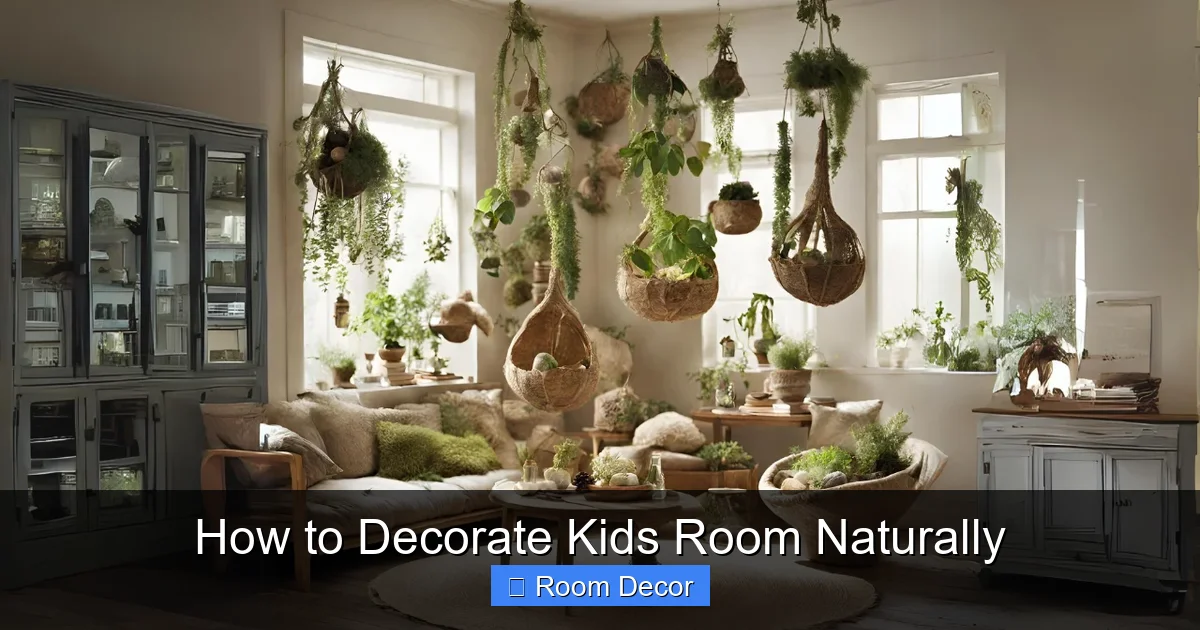
Discover how to decorate kids room naturally, creating a healthier, more stimulating environment for your little ones. This comprehensive guide walks you through selecting non-toxic materials, maximizing natural light, and incorporating sustainable decor to craft a beautiful, eco-friendly space that fosters creativity and well-being. By embracing natural elements, you can design a nurturing sanctuary for your child to grow and thrive.
How to Decorate Kids Room Naturally
Creating a nurturing and healthy environment for our children is a top priority for any parent. What if you could transform their personal space into a serene, stimulating, and chemical-free sanctuary? Decorating a kids room naturally is not just a trend; it’s a conscious choice to prioritize your child’s well-being and contribute to a healthier planet. By opting for natural materials, non-toxic finishes, and nature-inspired decor, you can craft a beautiful space that supports their development while minimizing exposure to harmful substances.
This comprehensive guide will walk you through every step of the process, from planning your vision to selecting eco-friendly materials and incorporating delightful natural elements. You’ll learn how to choose safe paints, durable furniture, breathable textiles, and inspiring decor that encourages creativity and a connection to the natural world. Get ready to embark on a fulfilling journey to decorate kids room naturally, creating a space where your little one can thrive.
Key Takeaways
- Prioritize Health and Safety: Always choose non-toxic, low-VOC (Volatile Organic Compound) paints, finishes, and furniture to ensure a safe environment free from harmful chemicals.
- Embrace Natural Materials: Opt for solid wood, organic cotton, wool, linen, bamboo, and other natural fibers for furniture, textiles, and decor to promote sustainability and comfort.
- Maximize Light and Air: Design the room to allow for ample natural light and good ventilation, supplemented by air-purifying plants (child-safe options) to improve indoor air quality.
- Incorporate Nature-Inspired Elements: Draw inspiration from the outdoors with natural color palettes, nature-themed decor, and DIY projects using natural elements to foster a sense of calm and wonder.
- Invest in Durability and Sustainability: Choose well-made, long-lasting items that can grow with your child, reducing waste and supporting a more sustainable lifestyle.
- Declutter and Simplify: A natural kids’ room thrives on simplicity. Regular decluttering creates a serene space that encourages focused play and creativity, reducing visual overwhelm.
Step 1: Plan Your Natural Vision and Budget
Before you dive into shopping or painting, a little planning goes a long way. Thinking through your natural aesthetic and financial boundaries will help ensure a cohesive and achievable outcome when you decorate kids room naturally.
Define Your “Natural” Style
Natural decor isn’t a single look; it encompasses various styles. Do you lean towards a minimalist Scandinavian aesthetic with light wood and clean lines? Perhaps a bohemian vibe with woven textures, earthy tones, and playful patterns? Or a rustic feel with reclaimed wood and a forest theme? Consider what resonates with your family and what atmosphere you want to create. This initial vision will guide your material and color choices as you decorate kids room naturally.
Set a Realistic Budget
Decorating naturally doesn’t have to break the bank. While some organic and sustainable products might have a higher upfront cost, they often offer superior durability and longevity, saving you money in the long run. Consider a budget that allows for investment in key pieces like a solid wood bed, while also leaving room for DIY projects, upcycling existing furniture, or thrifting unique natural items. Prioritize what matters most to you, whether it’s organic bedding or non-toxic paint, and allocate funds accordingly.
Declutter and Depersonalize
A fundamental step in decorating any room, especially naturally, is decluttering. Go through toys, clothes, and existing decor. Donate, sell, or store anything that’s no longer used or loved. A less cluttered space is inherently more calming and provides a blank canvas for your natural design. If you’re decorating for an older child, involve them in this process to teach them about organization and mindful consumption. This creates a fresh start, making it easier to integrate natural elements.
Step 2: Choose Non-Toxic, Eco-Friendly Materials
The foundation of a natural kids’ room lies in the materials you choose. Opting for non-toxic and sustainable options is crucial for your child’s health and the environment when you decorate kids room naturally.
Walls: Paints, Wallpaper, and Finishes
The largest surface area in any room is the walls, making paint selection paramount. Traditional paints often contain VOCs (Volatile Organic Compounds) that off-gas harmful chemicals for years. When you decorate kids room naturally, always choose zero-VOC or low-VOC paints. Look for reputable brands offering milk paints, clay paints, or mineral paints, which are naturally derived and incredibly safe. If you prefer wallpaper, opt for those made from recycled content, natural fibers (like bamboo or grasscloth), and printed with water-based inks. Avoid vinyl wallpapers, which can off-gas plasticizers.
Flooring: Safe and Sustainable Options
The floor is where children spend a lot of their time playing. Forget synthetic carpets that can trap dust mites and release chemicals. Ideal natural flooring options include solid hardwood, cork, bamboo, or natural linoleum (made from linseed oil). If you desire the softness of carpet, choose rugs made from organic wool, jute, sisal, or organic cotton, ensuring they are undyed or colored with natural dyes. Always check for certifications like GREENGUARD Gold for low emissions.
Furniture: Solid Wood and Low-VOC Choices
Furniture is a significant investment. When you decorate kids room naturally, prioritize solid wood furniture. Look for pieces made from sustainably harvested wood (FSC-certified) or reclaimed wood. Avoid particle board or MDF, which often contain formaldehyde and other binding agents that off-gas harmful chemicals. If buying new, ensure the finishes are non-toxic, water-based, or natural oils/waxes. Consider upcycling old wooden furniture with zero-VOC paint or natural stains for a budget-friendly and eco-conscious option.
Textiles: Organic and Breathable Fabrics
From bedding and curtains to rugs and pillows, textiles contribute significantly to a room’s atmosphere and air quality. Choose organic cotton, linen, hemp, or wool for all fabrics. These materials are breathable, durable, and free from harmful pesticides and chemicals commonly used in conventional farming and manufacturing. Look for certifications like GOTS (Global Organic Textile Standard) for organic cotton, which ensures eco-friendly processing and fair labor practices. Sheer organic cotton or linen curtains allow natural light to filter in beautifully.
Step 3: Embrace Natural Light and Air Quality
Beyond materials, how you manage light and air flow fundamentally impacts the health and mood of a natural kids’ room. These elements are key to helping you decorate kids room naturally in a holistic way.
Maximize Natural Light
Natural light is vital for mood, sleep cycles, and overall well-being. Keep windows uncovered or use light, sheer curtains made from organic cotton or linen to allow as much daylight as possible. Arrange furniture to avoid blocking windows. Using light wall colors also helps reflect natural light deeper into the room, making the space feel more open and airy. A well-placed mirror can further amplify light and create a sense of spaciousness, especially useful if you need to decorate kids room naturally in a smaller space.
Prioritize Good Ventilation
Fresh air is essential for indoor air quality. Make it a habit to open windows daily, even for a short period, to allow fresh air to circulate and flush out any stagnant air and potential indoor pollutants. Consider installing an air purifier with a HEPA filter if you live in an area with high outdoor pollution, but prioritize natural ventilation whenever possible. Good air circulation is a simple yet effective way to maintain a healthy environment.
Introduce Air-Purifying Plants
Certain houseplants can naturally filter toxins from the air, adding a touch of living nature to the room. Choose child-safe plants, as some can be toxic if ingested. Good non-toxic options include spider plants, Boston ferns, and Areca palms. Place them on high shelves or in macrame hangers to keep them out of reach of curious little hands. They not only purify the air but also add beautiful biophilic design elements when you decorate kids room naturally.
Step 4: Select Natural and Sustainable Decor Elements
Now for the fun part: adding personality and charm with decor! When you decorate kids room naturally, think about items that are not only aesthetically pleasing but also safe, sustainable, and encourage imaginative play.
Toys and Playthings
Move away from plastic overload. Opt for toys made from natural materials like untreated wood, organic cotton, natural rubber, and metal. These are often more durable, offer a richer sensory experience, and encourage open-ended imaginative play. Wooden blocks, fabric dolls, and natural rubber teethers are excellent choices. Look for toys finished with non-toxic, water-based paints or natural oils. Consider second-hand natural toys to further reduce environmental impact.
Storage Solutions
Keep clutter at bay with beautiful and functional natural storage. Woven baskets made from rattan, seagrass, or cotton rope are perfect for toys, blankets, and clothes. Wooden crates or fabric bins (organic cotton or canvas) can be tucked into shelves or under beds. These natural materials add texture and warmth to the room while keeping everything tidy, a key aspect of making your kids room naturally a peaceful space.
Wall Art and Decorations
Decorate walls with natural inspiration. Framed pressed flowers or leaves, botanical prints, woven wall hangings (macrame, wool, or cotton), and handcrafted items made from wood or felt are perfect. Consider DIY projects like painting rocks, creating leaf rubbings, or making garlands from dried orange slices or pinecones. These elements bring the outdoors in and stimulate a child’s imagination. Avoid plastic banners or synthetic glittery decor.
Lighting Fixtures
Choose lighting fixtures made from natural materials like rattan, bamboo, wood, or paper. These materials diffuse light softly, creating a warm and inviting ambiance. Opt for LED bulbs, which are energy-efficient and last longer. Dimmer switches are a great addition, allowing you to adjust the light intensity for different activities, from bright play to calming bedtime stories. Soft, ambient lighting is crucial when you decorate kids room naturally to create a soothing atmosphere.
Step 5: Incorporate Nature-Inspired Themes and Colors
To truly decorate kids room naturally, let the natural world be your muse. Colors, patterns, and themes drawn from nature create a harmonious and calming environment.
Color Palettes from Nature
Look to the earth, sky, and sea for your color inspiration. Soft greens (forest, sage, moss), calming blues (sky, ocean), warm neutrals (sand, stone, cream), and gentle yellows (sunshine, dandelion) work beautifully. These colors create a soothing backdrop that doesn’t overstimulate, allowing other natural elements and toys to pop. A natural color palette is timeless and adaptable as your child grows.
Nature-Inspired Themes
Themes can be subtly woven into the decor without being overwhelming. A “forest” theme could feature tree-stump stools, forest animal prints, and leaf-patterned bedding. An “ocean” theme might include shell collections, blue and sandy tones, and fish mobiles. Avoid overly commercial or cartoonish themes, which often involve plastic decor. Instead, focus on evoking the essence of nature through natural textures, colors, and abstract representations. This approach helps you decorate kids room naturally with enduring charm.
DIY Natural Decor
Engage your child in creating decor for their room. Collect pinecones, smooth river stones, or interesting twigs on a nature walk. These can be used to make mobiles, decorative garlands, or simply displayed in a beautiful basket. Press flowers together, create collages with leaves, or paint simple nature scenes on small wooden blocks. DIY projects are not only sustainable but also add a deeply personal touch to the space, fostering a sense of ownership and connection.
Step 6: Maintain a Healthy and Tidy Space
A naturally decorated room also benefits from natural maintenance. Keeping the space clean and organized ensures the health benefits endure.
Eco-Friendly Cleaning
Avoid harsh chemical cleaners that can reintroduce toxins into your child’s environment. Opt for natural cleaning solutions like vinegar, baking soda, lemon juice, and essential oils (diluted properly). Microfiber cloths and washable rags reduce waste. Regularly dust with a damp cloth, vacuum with a HEPA filter, and wash organic bedding to maintain a clean and healthy atmosphere. This simple shift in cleaning habits supports your efforts to decorate kids room naturally.
Regular Decluttering
Even with careful curation, children’s possessions can accumulate. Schedule regular decluttering sessions (quarterly or seasonally) to sort through toys, books, and clothes. Encourage your child to participate, teaching them the value of tidiness and thoughtful consumption. A simple, uncluttered room enhances the calming effect of natural decor and allows for more focused play and rest.
Troubleshooting Common Natural Decor Challenges
Even with the best intentions, you might encounter a few hurdles when you decorate kids room naturally. Here are some solutions:
Limited Budget for Natural Products?
Don’t despair! Natural decorating can be very budget-friendly. Focus on DIY projects, upcycling furniture with non-toxic paint, and thrifting. Look for second-hand solid wood pieces that can be refinished. Invest in a few key organic textiles, and then fill in with affordable natural elements like branches, stones, or simple wooden toys. Every small step towards natural choices makes a difference.
Finding Specific Natural Products?
It can sometimes be challenging to locate certified natural products locally. Explore online marketplaces specializing in eco-friendly goods, sustainable brands, and artisanal crafts. Look for certifications such as GOTS for textiles, FSC for wood, and GREENGUARD Gold for furniture and paints. Don’t hesitate to contact manufacturers directly to inquire about their materials and processes.
Ensuring Durability with Natural Materials?
Many natural materials, particularly solid wood and organic wool, are incredibly durable and long-lasting. Opt for high-quality craftsmanship, and ensure any finishes are suitable for children’s use and wear. While some natural textiles might require gentler care, their longevity often outweighs this. Teach children to care for their belongings, fostering respect for their environment and possessions.
Conclusion
Decorating a kids room naturally is a beautiful and meaningful way to create a haven for your child. By choosing non-toxic materials, embracing natural light and air, and weaving in nature-inspired elements, you’re not just designing a room; you’re cultivating a healthier, more stimulating, and sustainable environment. This space will support their growth, spark their imagination, and provide a calm sanctuary from the outside world. Remember, every natural choice, big or small, contributes to a more mindful home and a brighter future for your little one. Start today and enjoy the rewarding process of helping your kids room naturally become a place of joy and tranquility.