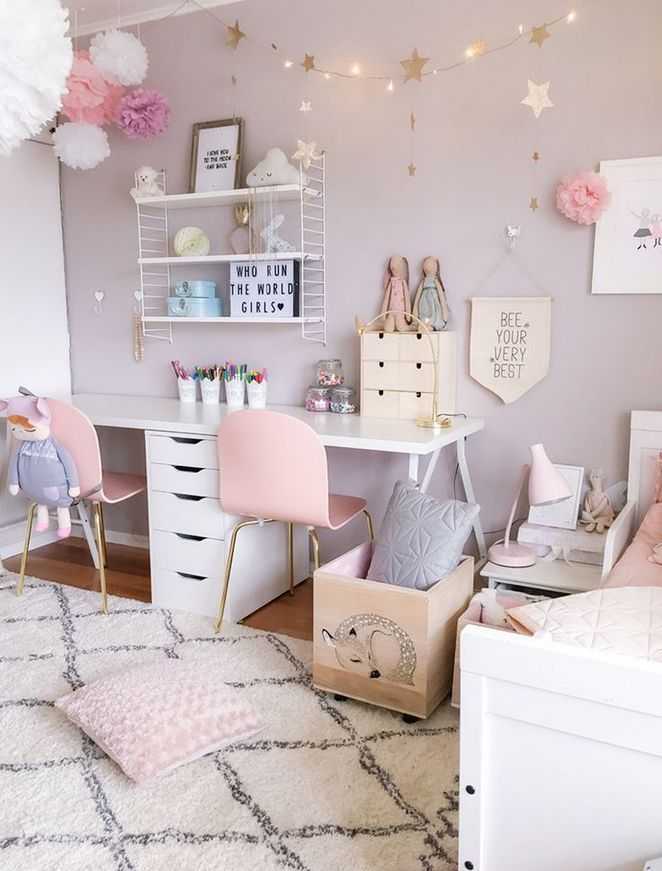
Transforming a 10-year-old’s room into a space that reflects their personality and interests can be a fun and rewarding task. Start by involving your child in the process to ensure their preferences shine through. Choose a color palette that resonates with their favorite themes—whether it’s vibrant colors for a playful atmosphere or calming tones for a serene space. Incorporate functional furniture that can adapt as they grow, like a desk for homework or a cozy reading nook. Don’t forget to add personal touches like their favorite artwork, photos, or collectibles. With a little creativity and collaboration, you can create a room that feels uniquely theirs, fostering both comfort and inspiration for years to come.

“`html
How to Decorate a 10 Year Old’s Room
Decorating a room for a 10-year-old can be both exciting and challenging. At this age, children are starting to develop their own interests and personalities. It’s important to create a space that reflects their individuality while still being functional and comfortable. Below are some essential tips and ideas on how to decorate a 10-year-old’s room.
Understanding Their Interests
Before you start decorating, take some time to talk to your child. Ask them about their favorite colors, hobbies, and any themes they might like. This helps to ensure that the room feels personal to them.
- Ask about favorite colors.
- Discuss themes like nature, space, or favorite movies.
- Consider hobbies such as sports, art, or music.
Involving your child in the process makes them feel valued and can lead to a more harmonious result.
Selecting a Color Palette
Choosing the right colors can set the mood for the entire room. Bright colors can make a space feel lively, while softer shades can create a calming environment.
- Consider using a main color with two or three complementary shades.
- Paint one wall with a bold color and keep the rest neutral.
- Incorporate patterns with wallpaper or wall decals for added interest.
Let your child help pick out the colors to make the space uniquely theirs.
Functional Furniture Choices
Furniture should be both functional and stylish. Look for pieces that can grow with your child.
- Choose a bed that has storage underneath.
- Consider a desk for homework and creative projects.
- Select a comfortable chair that supports good posture.
It’s important to choose durable materials that can withstand daily use.
Creating a Play Area
A designated play area is essential in a child’s room. This space should encourage creativity and fun.
- Use soft rugs to define the area.
- Add storage bins for toys and games.
- Incorporate shelves for books or craft supplies.
Creating a cozy nook with cushions can also make for a great reading spot.
Personalizing with Decor
Personal touches can make a room feel special. Incorporating your child’s favorite items can add character.
- Hang their artwork on the walls.
- Include photo frames with memories of family and friends.
- Use themed bedding that reflects their interests.
Let your child choose their decorations to enhance their personal connection to the space.
Incorporating Lighting
Good lighting is crucial in any room. A mix of ambient, task, and accent lighting will create a functional and inviting atmosphere.
- Use bedside lamps for reading.
- Incorporate string lights for a whimsical touch.
- Consider dimmable lights for flexibility.
Natural light is also important, so keep window treatments light and airy.
Storage Solutions
As your child grows, so do their belongings. Finding effective storage solutions will help keep the room organized.
- Use multi-functional furniture like ottomans with storage.
- Invest in shelving units to display items.
- Install hooks for bags and jackets to keep everything tidy.
Encouraging your child to help maintain organization will instill good habits.
Designated Study Zone
With school becomes a priority, having a dedicated study zone is important. This space should be quiet and distraction-free.
- Place the desk away from noise to minimize distractions.
- Ensure there is plenty of light for reading and studying.
- Include stationery and supplies in easy reach.
This promotes a productive environment conducive to learning.
Adding a Touch of Nature
Bringing elements of nature into a room can be refreshing. Plants can enhance the air quality and aesthetics.
- Choose low-maintenance indoor plants.
- Use nature-themed decor like landscapes or animal prints.
- Incorporate natural textures with wooden furniture.
Nature can promote calmness and positivity.
Encouraging Creativity
A creative space can inspire a child’s imagination. Consider adding elements that foster creativity.
- Use a chalkboard wall for doodling and notes.
- Set up an art corner with supplies displayed nicely.
- Incorporate musical instruments if your child plays.
Encourage your child’s creative side by providing the tools they need.
Making Room for Growth
Children change quickly, and so do their tastes. Design the room in a way that allows for easy updates.
- Use removable wallpaper or decals for a quick change.
- Choose furniture styles that are timeless.
- Use accessories that can be swapped out as trends change.
This way, the room can evolve as your child does.
Creating a Cozy Atmosphere
A room should feel like a safe and inviting retreat. Use textiles and colors to create a warm atmosphere.
- Add soft blankets and cushions on the bed.
- Incorporate curtains that match the room’s theme.
- Choose rugs that add warmth and comfort underfoot.
These elements can make a room feel more homey and inviting.
Encouraging Independence
Giving your child some autonomy in their space will help them feel proud and responsible.
- Allow them to choose how to arrange their room.
- Encourage them to keep their space clean and organized.
- Let them decide on decorative elements to reflect their style.
Supporting their independence can foster self-esteem and creativity.
Final Touches
Once everything is in place, it’s time for the finishing touches. These small details can tie the whole room together.
- Add throw pillows for comfort and style.
- Incorporate wall art that resonates with your child.
- Consider adding a rug to bring the room together.
Final touches can elevate the space and make it feel complete.
Creating a space for a 10-year-old is about balancing functionality and self-expression. By considering their interests, choosing versatile furnishings, and adding personal touches, you can create a room that is not only beautiful but also a reflection of who they are becoming. This thoughtful approach ensures a room that will grow with your child and provide a sanctuary for years to come.
“`
Theres so much more space now!🤗 #room #rearranging #roominspo #roomtour #pinterest #aesthetic
Frequently Asked Questions
“`html
What color scheme works best for a 10-year-old’s room?
Choosing a color scheme for a 10-year-old’s room can significantly impact the overall atmosphere. Bright and cheerful colors like yellows, blues, and greens can create a vibrant space, while softer pastels can offer a calm feel. It’s also a good idea to consider your child’s favorite colors and personality when selecting the palette. You can even use an accent wall to add a pop of color without overwhelming the room.
How can I incorporate my child’s hobbies into the room decor?
To make the room feel personalized, incorporate your child’s hobbies into the decor. If your child loves sports, display their sports gear or hang posters of their favorite athletes. For a budding artist, create a gallery wall for their artwork. You can also choose bedding, curtains, and accessories that reflect their interests, making the space uniquely theirs.
What furniture is essential for a 10-year-old’s room?
Essential furniture pieces for a 10-year-old’s room include a bed, a desk for homework, and storage solutions such as shelves or bins. Consider a multi-functional bed with drawers underneath, which saves space and provides storage. A comfortable chair at the desk encourages study time, while a cozy reading nook can inspire a love for books.
How can I create a functional study area in the room?
To create a functional study area, choose a quiet corner of the room and equip it with a desk, a comfortable chair, and good lighting. Ensure the desk is spacious enough for schoolwork and projects. Organize supplies with storage solutions like bins or caddies to keep the space tidy. Personalize this area with motivational posters or a bulletin board to inspire your child.
What are some creative storage solutions for toys and books?
Creative storage solutions can help keep toys and books organized. Use colorful bins or baskets to store toys and place them on shelves for easy access. Consider under-bed storage drawers for larger items. Bookshelves can double as decor; arrange books by color or size for a fun visual appeal. Wall-mounted shelves can save floor space while showcasing favorite books and toys.
“`
Final Thoughts
Decorating a 10 year old’s room involves balancing their interests and personal style. Start by choosing a color scheme that reflects their personality, combining fun and creativity.
Incorporate functional furniture that allows for both relaxation and play, ensuring the space remains uncluttered.
Finally, add personal touches like artwork or themed décor to make the room feel uniquely theirs.
By focusing on these elements, you can create a vibrant space that kids will love, demonstrating how to decorate a 10 year old’s room effectively.