Decorating a kids room on a budget is entirely possible and immensely rewarding. This guide provides actionable steps, from smart planning and embracing DIY to savvy shopping and focusing on flexibility, to help you create a fun and functional space your child will love. You’ll learn how to leverage existing items, find secondhand treasures, and use simple upgrades to achieve a stylish look without overspending.
How to Decorate a Kids Room on a Budget
Decorating a kids room can be a thrilling adventure, but often, the thought of escalating costs can put a damper on the fun. Good news! You absolutely don’t need a huge budget to create a magical, functional, and stylish space your child will adore. In fact, decorating a kids room on a budget encourages creativity, resourcefulness, and a unique personal touch that money alone can’t buy.
This comprehensive guide is designed to empower you with practical tips, clever hacks, and step-by-step instructions to transform your child’s room without breaking the bank. We’ll explore everything from savvy planning and DIY projects to smart shopping and long-term considerations. Get ready to roll up your sleeves and discover how rewarding it is to decorate a kids room on a budget!
Key Takeaways
- Smart Planning is Paramount: Before buying anything, define your budget, take stock of what you already own, and gather budget-friendly inspiration. This prevents impulse buys and ensures every dollar is spent wisely.
- Embrace DIY and Upcycling: Painting, repurposing old furniture, and creating your own wall art are incredibly effective ways to save money and add unique, personalized touches to the room. Look for items you can refresh.
- Become a Savvy Secondhand Shopper: Thrift stores, garage sales, and online marketplaces are goldmines for affordable furniture, decor, and toys. Be patient and visualize potential when hunting for treasures.
- Prioritize Functionality and Flexibility: Choose furniture that can grow with your child or serve multiple purposes. Invest in smart storage solutions to keep clutter at bay and ensure the room remains practical over time.
- Personalize with Low-Cost Touches: Displaying your child’s artwork, using affordable textiles, and thoughtful lighting can make a room feel special and complete without a hefty price tag.
- Think Long-Term and Adaptable: Select a neutral base for walls and larger furniture, then add pops of color and themes with easily changeable accessories. This allows for simple updates as your child’s tastes evolve.
Step 1: Plan Smart, Shop Wisely
The first and most crucial step in decorating a kids room on a budget is thorough planning. A clear vision and a defined strategy will save you time, money, and frustration down the line.
Define Your Budget & Needs
Before you even think about buying a single item, sit down and decide how much you’re willing to spend. Be realistic. A firm budget will guide all your decisions. Next, consider your child’s needs and wishes.
- Age-Appropriate Design: What stage of development is your child in? A toddler’s room has different needs than a teenager’s.
- Functionality First: What activities will happen in this room? Sleeping, playing, studying, dressing? Ensure there’s space and appropriate storage for each.
- Involve Your Child (Appropriately): For older kids, ask for their input on colors, themes, or specific items. This makes them feel invested and ensures they’ll love the space, all while keeping your budget in mind.
- Create a Wish List: List everything you think the room needs – bed, dresser, desk, shelving, lighting, decor. Then, prioritize these items into “must-haves” and “nice-to-haves.”
Inventory What You Already Have
Before you start dreaming of new purchases, take a good look at what’s already in the room or elsewhere in your home.
- Existing Furniture: Can the current bed, dresser, or bookshelf be repurposed or given a facelift?
- Decor & Textiles: Do you have old throws, pillows, or pieces of art that could fit a new theme with a little tweak?
- Storage Solutions: Baskets, bins, or crates from other rooms might find a new home here.
- Kid’s Possessions: Incorporate their favorite toys, books, or cherished items into the decor. This saves money and adds personal flair.
This inventory check is a vital part of learning how to decorate a kids room on a budget because it highlights what you *don’t* need to buy.
Seek Inspiration (Budget-Friendly Sources)
Gather ideas, but always filter them through your budget lens.
- Pinterest & Instagram: Create a board of inspiring rooms, but focus on DIY ideas, clever hacks, and affordable decor. Search terms like “kids room budget decor” or “DIY kids bedroom ideas.”
- Magazines & Blogs: Look for features on budget makeovers or repurposing.
- Friends & Family: Ask if anyone has decorated a kids room on a budget and what their best tips were.
Remember, inspiration is for guiding your vision, not for replicating expensive designs. Focus on *elements* you can achieve affordably.
Step 2: Embrace DIY & Upcycling
This is where the magic truly happens when you decorate a kids room on a budget. DIY projects and upcycling old items are not only cost-effective but also add character and uniqueness.
Paint Power: The Ultimate Budget Hack
A fresh coat of paint is the single most transformative and affordable change you can make.
- Strategic Color Choices: A bold accent wall can create impact without painting the whole room. Consider painting just the top half of a wall, or creating geometric patterns with painter’s tape for a modern look.
- Repurpose Old Furniture: A tired dresser can become a vibrant focal point with a fresh coat of child-safe paint. Change knobs or handles for an instant upgrade. Old bookshelves can be painted a fun color to match the room’s theme.
- Chalkboard Paint: Designate a wall or a section of a wall for chalkboard paint. It’s interactive, fun, and constantly changing, eliminating the need for expensive wall art.
Always choose low-VOC (Volatile Organic Compound) paints for children’s rooms for safety.
Furniture Flip: Give Old Pieces New Life
Don’t dismiss old, worn furniture. It’s a canvas for creativity!
- Sand & Paint: As mentioned, this is a classic. A simple sanding, priming, and painting can turn a drab piece into a designer-look item.
- Add Decals or Stencils: If painting feels too daunting, adhesive decals or stencils can add playful patterns or characters to a plain dresser or wardrobe.
- Change Hardware: New drawer pulls or handles are inexpensive and can dramatically alter the look of a piece of furniture.
- Reupholster: If you have an old armchair or ottoman, consider recovering it with a fun, durable fabric. This is a bit more advanced but can yield amazing results.
Creative Wall Decor
Expensive wall art is often unnecessary. Get creative!
- Kid’s Art Gallery: Frame your child’s own drawings or paintings. This is free, personal, and celebrates their creativity. Use inexpensive frames or simply clip them to a string across the wall.
- Printable Art: Many artists offer beautiful digital prints for a small fee. You can print these at home or at a local print shop and frame them yourself.
- Fabric Wall Hangings: Scraps of fabric, old scarves, or even a fun patterned tea towel can be stretched over a canvas or hung with dowel rods for unique, soft wall art.
- DIY Garland & Banners: Use felt, cardstock, or fabric scraps to create colorful garlands or personalized banners with your child’s name.
- Branch Art: Collect a sturdy branch, clean it, and hang small toys, paper cutouts, or fairy lights from it for a whimsical, natural touch.
DIY Storage Solutions
Storage is crucial in a kids room, and you don’t need fancy built-ins.
- Crate & Box Shelving: Stack painted wooden crates or sturdy cardboard boxes to create instant, customizable shelving units.
- Fabric Bins: Sew simple fabric bins or cover existing plastic bins with fun fabric.
- Pegboards: A painted pegboard on the wall is an incredibly versatile storage solution for toys, art supplies, and small items. Hooks are inexpensive and easy to move around.
- Under-Bed Storage: Use old drawers on wheels or large plastic containers to maximize space under the bed.
Step 3: Clever Shopping Strategies
Even when decorating a kids room on a budget, you’ll likely need to buy some items. Knowing *where* and *how* to shop can make a huge difference.
Hunt for Secondhand Treasures
This is perhaps the most effective strategy for finding quality items at rock-bottom prices.
- Thrift Stores & Charity Shops: Regularly check for furniture, books, toys, and decor. Go with an open mind and a vision for what items *could* become.
- Garage Sales & Estate Sales: Often great for larger furniture pieces, unique vintage finds, and sometimes even unopened toys.
- Online Marketplaces: Facebook Marketplace, Craigslist, and local buy/sell groups are excellent for finding items like beds, dressers, and sometimes even entire room sets. Be patient and quick to respond to good deals.
- Hand-Me-Downs: Ask friends and family if they have items their kids have outgrown that they’re willing to pass on.
Always check secondhand items for safety, especially cribs, and ensure they meet current safety standards. Clean and sanitize everything thoroughly before bringing it into the room.
Outlet Stores & Discount Retailers
When buying new, look for stores known for their affordability.
- Discount Home Stores: Places like TJ Maxx, HomeGoods, Ross, or similar retailers often have fantastic deals on lamps, rugs, bedding, and decorative accents.
- IKEA & Target: These stores are masters of affordable, stylish kids’ furniture and decor. Look for their budget-friendly collections.
- Dollar Stores: Great for small storage containers, craft supplies, and party decor that can be repurposed.
Wait for Sales & Clearance
Patience pays off. If you don’t need something immediately, wait for seasonal sales, holiday promotions, or clearance events. Sign up for email lists from your favorite stores to get alerts.
Think Multi-Purpose
When you do buy, choose items that can serve more than one function or adapt as your child grows.
- Storage Benches/Ottomans: Provide seating and a place to hide toys.
- Daybeds: Work as a sofa during the day and a bed at night.
- Bookcases with Bins: Offer display space and hidden storage.
- Modular Furniture: Pieces that can be rearranged or added to as needs change.
Step 4: Focus on Functionality & Flexibility
A budget-friendly kids room isn’t just about saving money; it’s about creating a space that works hard and lasts long.
Smart Storage is Key
Clutter can quickly overwhelm a kids room. Good storage makes the space enjoyable and easy to maintain.
- Vertical Storage: Shelves, wall-mounted bins, and tall narrow bookcases maximize floor space.
- Labeled Bins & Baskets: Help kids (and parents!) know where everything belongs, making cleanup a breeze.
- Toy Rotation: Not all toys need to be out at once. Store some away and rotate them to keep things fresh and less cluttered.
Choose Versatile Furniture
As mentioned, multi-purpose items are great. Also, think about furniture with a neutral base that can adapt to different themes. A white dresser or a simple wooden bed frame can transition easily from a superhero room to a science lab theme with just new bedding and accessories.
Design for Growth
Kids grow fast, and their interests change even faster.
- Neutral Base: Keep walls and large furniture pieces in neutral colors (grays, whites, light blues/greens). This provides a calm backdrop that’s easy to update.
- Theme with Accessories: Introduce themes and colors through bedding, curtains, rugs, and wall art. These are much cheaper to replace than repainting or buying new furniture.
- Adjustable Furniture: Desks with adjustable heights or beds that can convert from a crib to a toddler bed to a full bed offer long-term value.
Thinking about adaptability is fundamental when you decorate a kids room on a budget.
Step 5: Personal Touches & Practicality
The final touches are what make the room feel like *theirs*, and many of these can be done very affordably.
Displaying Kids’ Art
This is a gold mine for budget-friendly, personalized decor.
- Gallery Wall: Dedicate a wall or a large frame to display their evolving masterpieces.
- Clipboards or Magnetic Boards: Offer an easy way to switch out art without needing new frames.
- String & Clothespins: A simple, charming way to hang drawings, photos, or even small craft projects.
Textiles & Soft Furnishings
These items add warmth, color, and comfort without a huge investment.
- Affordable Bedding: Look for sales on sheet sets, duvet covers, and comforters. A new duvet cover can completely change the look of a bed.
- DIY Curtains: Hem simple fabric panels or even use flat sheets for custom curtains.
- Throw Pillows: Add pops of color or texture. You can find inexpensive pillow covers and reuse existing inserts.
- Rugs: A colorful or patterned rug can define a play area or add warmth to the room. Look for washable options.
Smart Lighting Choices
Good lighting is essential for any room.
- DIY Lampshades: Update an old lamp with a new fabric-covered or painted lampshade.
- Fairy Lights: Inexpensive LED fairy lights can add a magical, soft glow and are safe for kids’ rooms. Drape them around a bed frame, window, or along a shelf.
- Reading Nook Light: A simple clip-on light for a reading nook can be very affordable and functional.
Safety First (Budget-Friendly Options)
While you’re saving money, never compromise on safety.
- Childproofing: Outlet covers, furniture anchors, and cabinet locks are relatively inexpensive and crucial.
- Window Treatments: Ensure blinds or curtains have cordless options to prevent strangulation hazards.
- Secure Furniture: Anchor all tall furniture (dressers, bookshelves) to the wall to prevent tipping. Many stores provide free anchoring kits.
Troubleshooting: Common Budget Decorating Hurdles
Even with the best planning, you might encounter some challenges when trying to decorate a kids room on a budget. Here’s how to tackle them:
“I Can’t Find Anything Good Secondhand!”
This happens! Secondhand shopping requires patience and persistence. Don’t expect to find everything on your first trip.
- Broaden Your Search: Try different thrift stores, check online marketplaces regularly, and expand your search radius for garage sales.
- Look Beyond the Obvious: An item might not be perfect, but could it be transformed with paint or new hardware? See potential where others see junk.
- Be Specific, But Flexible: If you *need* a dresser, search for “dresser,” “chest of drawers,” “cabinet,” etc. If you find a great deal on a console table that could work, be open to adapting your plan.
- Don’t Be Afraid to Ask: In online groups, you can post an “ISO” (in search of) for specific items. Someone might have exactly what you need.

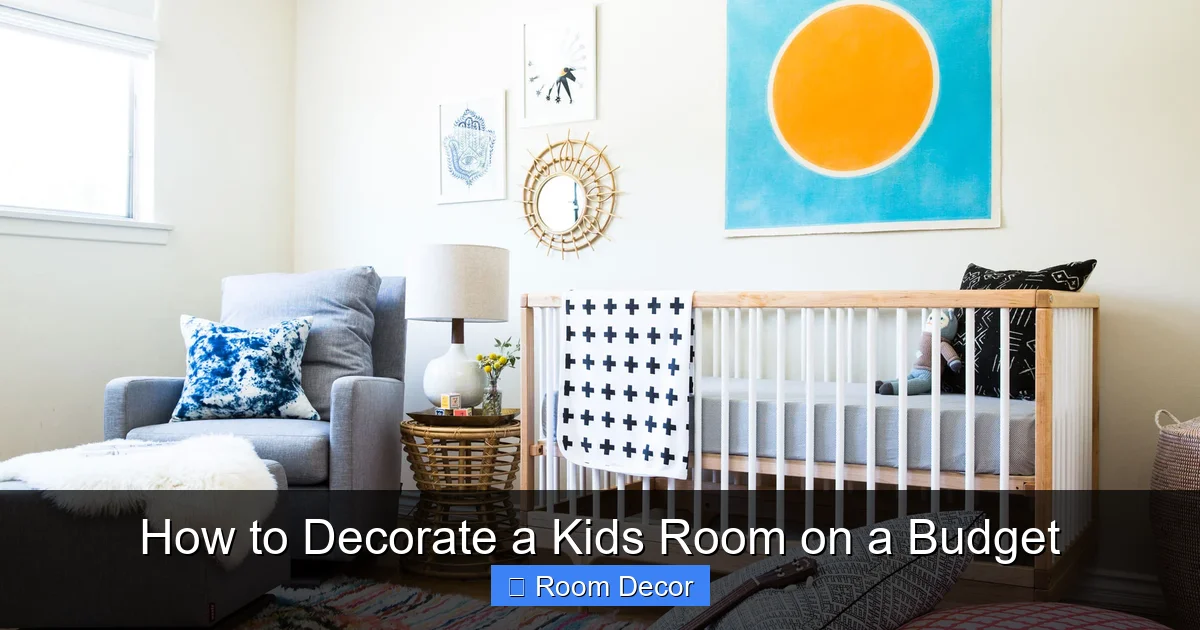
Visual guide about How to Decorate a Kids Room on a Budget
Image source: image7.slideserve.com

Visual guide about How to Decorate a Kids Room on a Budget
Image source: images.crateandbarrel.com
Visual guide about How to Decorate a Kids Room on a Budget
Image source: kukabyarterio.com
“DIY Projects Feel Overwhelming!”
It’s easy to get intimidated by DIY. Start small and simple.
- Beginner-Friendly Projects: Start with painting a small piece of furniture, creating a simple garland, or framing your child’s artwork.
- Watch Tutorials: YouTube is your best friend for step-by-step visual guides on almost any DIY project.
- Enlist Help: Ask a handy friend or family member for assistance or moral support.
- Accept Imperfection: The charm of DIY is often in its handmade quality. Don’t strive for factory perfection.
“How Do I Make It Look Cohesive?”
When mixing new, old, and DIY pieces, cohesion can be a concern.
- Choose a Core Color Palette: Stick to 2-3 main colors and a neutral. This ties everything together, even if the styles vary.
- Repeat Elements: Use the same type of drawer pull on different furniture pieces, or repeat a certain pattern (stripes, polka dots) in different forms (rug, pillow, wall decal).
- Consider a Loose Theme: Instead of a strict “pirate” room, think “adventure” – this allows for more varied decor while still feeling connected.
- Declutter: Too many disparate items make a room feel chaotic. Less is often more, especially when decorating a kids room on a budget.
Conclusion
Decorating a kids room on a budget is more than just saving money; it’s about infusing a space with love, creativity, and resourcefulness. By planning thoughtfully, embracing DIY, shopping smart, and prioritizing functionality, you can create a truly special room that reflects your child’s personality and meets their needs without breaking the bank. Remember, the goal is not perfection, but a happy, functional, and inspiring space where your child can grow, learn, and dream. So go ahead, get creative, and enjoy the process of transforming their room into something truly wonderful!