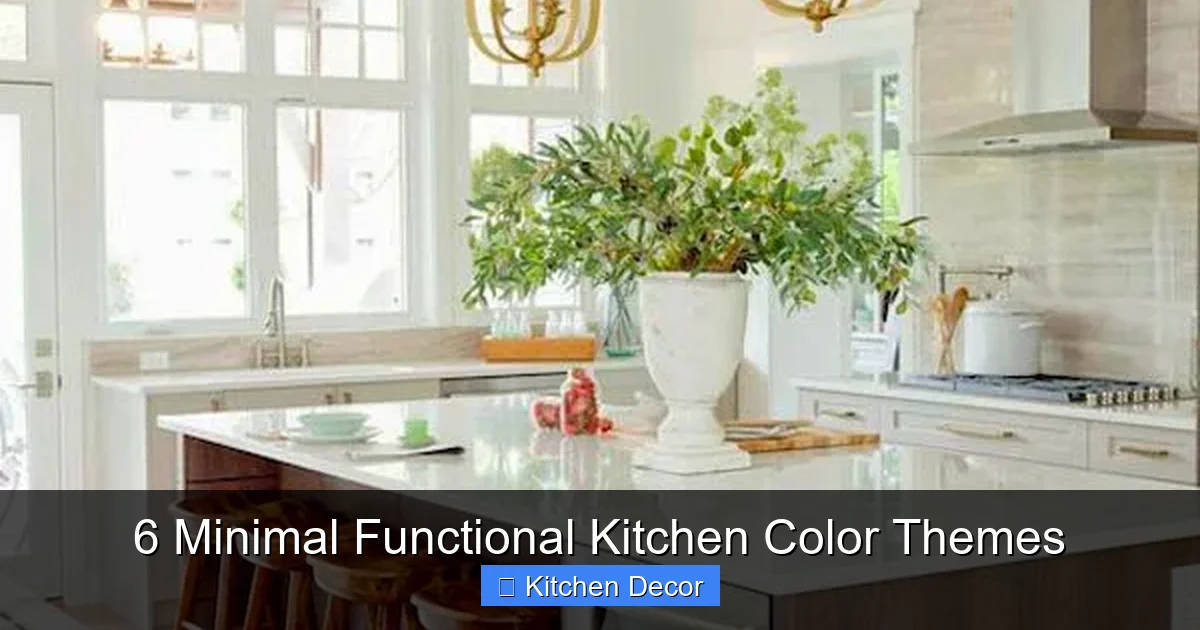
Unlock the secrets to creating a beautiful and practical kitchen with our guide to 6 minimal functional kitchen color themes. Learn how to choose palettes that promote serenity, efficiency, and timeless style, ensuring your space is both stunning and highly usable. Elevate your kitchen’s design with expert tips for a modern, clutter-free aesthetic that truly enhances daily life.
6 Minimal Functional Kitchen Color Themes
Welcome to the ultimate guide for transforming your kitchen into a haven of calm, efficiency, and timeless style! If you’re dreaming of a kitchen that not only looks stunning but also supports your daily life with effortless grace, you’ve come to the right place. A truly minimal functional kitchen is more than just a trend; it’s a philosophy that marries elegant simplicity with unwavering practicality. It’s about creating a space where every element serves a purpose, and visual clutter is banished, leaving room for tranquility and smooth operation.
In this comprehensive how-to guide, we’ll dive deep into the world of color, exploring 6 distinct minimal functional kitchen color themes that promise to elevate your home. You’ll learn how to select palettes that not only reflect a minimalist aesthetic but also enhance the functionality and longevity of your kitchen design. We’ll cover everything from foundational principles to specific color pairings, material integration, lighting techniques, and smart accessorizing. By the end, you’ll have all the tools and inspiration needed to craft a kitchen that feels effortlessly chic and perfectly tailored to your needs. Get ready to discover how powerful the right colors can be in defining a truly minimal functional kitchen.
Key Takeaways
- Embrace Minimalism: Minimalist design prioritizes simplicity, clean lines, and functionality, creating serene and efficient kitchen spaces by focusing on quality over quantity and reducing visual clutter.
- Strategic Color Choices: Selecting the right minimal functional kitchen color themes is crucial; light, neutral bases create an airy feel, while thoughtful accents add depth and personality without overwhelming the space.
- The Power of Neutrals: White, greige, and soft grays form the backbone of most minimal functional kitchen color themes, providing a timeless canvas that brightens spaces and allows other elements to shine.
- Integrate Natural Elements: Wood tones, stone textures, and subtle greenery introduce warmth and organic beauty, grounding minimal designs and preventing them from feeling cold or sterile.
- Functionality Guides Aesthetics: In a minimal functional kitchen, every design choice, especially color, should enhance the kitchen’s usability, workflow, and ease of maintenance, ensuring beauty and practicality go hand-in-hand.
- Lighting is Key: Maximize natural light and incorporate strategic artificial lighting (task, ambient, accent) to make colors pop, brighten the space, and highlight the clean lines inherent in minimal functional kitchen color themes.
- Thoughtful Accessorizing: Keep decor minimal and functional, choosing only essential, high-quality items that serve a purpose and contribute to the overall aesthetic, reinforcing a clutter-free environment.
Understanding Minimalist Kitchen Design Principles
Before we dive into specific minimal functional kitchen color themes, it’s vital to grasp the core tenets of minimalist design. Minimalism isn’t just about sparse decoration; it’s about intentionality, purpose, and visual quietude.
Simplicity and Clean Lines
Minimalist kitchens celebrate simple forms and uninterrupted lines. This means opting for flat-panel cabinetry, integrated appliances, and handle-less or recessed hardware. The goal is to create a seamless, uncluttered look that is easy on the eyes.
Functionality First
Every component in a minimal functional kitchen is chosen for its utility. Storage is often hidden and highly organized, ensuring that items are easily accessible but out of sight. The layout supports efficient workflow, making cooking and entertaining a joy, not a chore.
Quality Over Quantity
Instead of filling the space with many items, a minimalist approach favors a few high-quality, durable pieces. This applies to everything from appliances and cabinetry to countertops and fixtures. Investing in well-made elements ensures longevity and reduces the need for frequent replacements.
Embrace Openness and Light
Minimalist kitchens often feel airy and spacious, regardless of their actual size. This is achieved by maximizing natural light, using reflective surfaces, and employing a limited, carefully chosen color palette that promotes a sense of openness.
Understanding these principles will help you select and implement minimal functional kitchen color themes that truly align with the essence of minimalist living.
Step 1: The Foundation – Your Core Color Palette Strategy
Visual guide about 6 Minimal Functional Kitchen Color Themes
Image source: i.pinimg.com
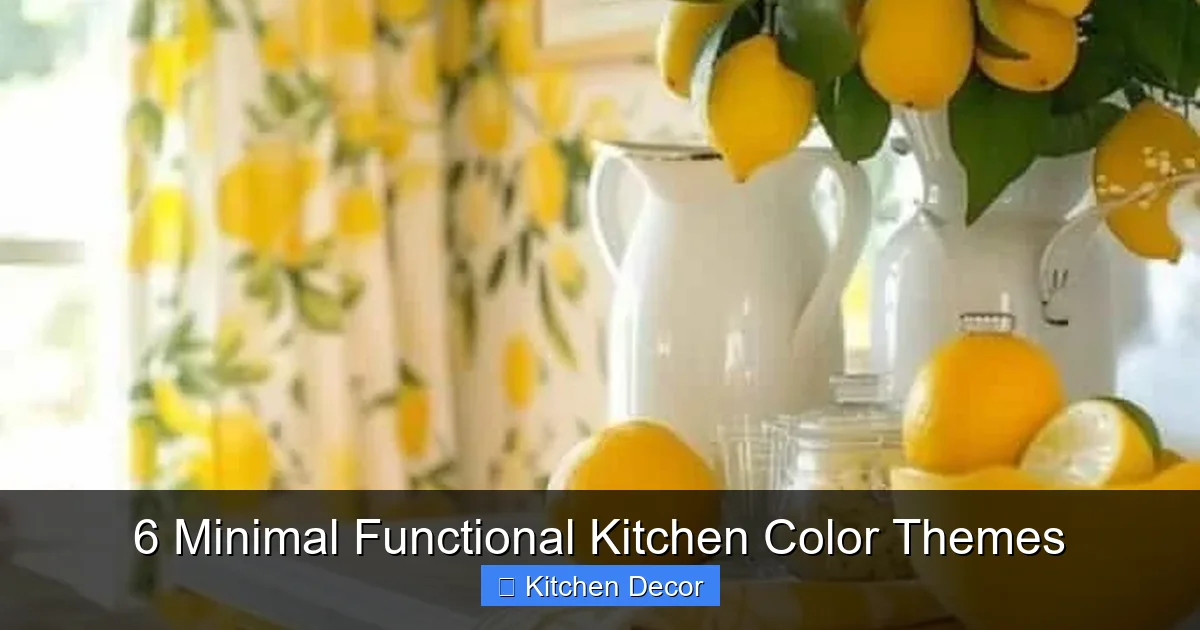
Choosing the right color palette is perhaps the most impactful decision you’ll make when designing a minimal functional kitchen. The key is to create a harmonious and calming backdrop that supports both aesthetics and practicality.
Start with a Neutral Base
Most minimal functional kitchen color themes begin with a neutral foundation. Think whites, off-whites, greys, and light beiges. These colors serve several vital functions:
- Spaciousness: Neutrals reflect light, making a kitchen feel larger and brighter.
- Timelessness: They don’t go out of style quickly, ensuring your kitchen remains current for years to come.
- Versatility: A neutral base provides a flexible canvas for incorporating natural materials, textures, and subtle accent colors.
- Calmness: They create a serene environment, reducing visual noise and promoting relaxation.
Consider Your Home’s Overall Aesthetic
Your kitchen shouldn’t exist in a vacuum. Think about the colors and style prevalent in adjacent rooms. A seamless transition from one space to another creates a cohesive and more spacious feel throughout your home. This helps integrate your chosen minimal functional kitchen color themes into a larger design narrative.
The 60-30-10 Rule for Color Balance
This classic interior design rule is incredibly useful for achieving balance in a minimal functional kitchen:
- 60% Dominant Color: This is your primary neutral, often used for cabinetry, walls, or large expanses.
- 30% Secondary Color: A complementary neutral or a soft, muted accent. This might be a contrasting cabinet color, countertops, or flooring.
- 10% Accent Color: A small pop of color or a metallic finish used for hardware, lighting fixtures, or carefully selected accessories. This 10% is where you can introduce subtle personality.
Adhering to this rule helps prevent your minimal functional kitchen color themes from becoming overwhelming, ensuring that the minimalist aesthetic remains intact.
Step 2: Exploring 6 Minimal Functional Kitchen Color Themes
Visual guide about 6 Minimal Functional Kitchen Color Themes
Image source: digitalsynopsis.com
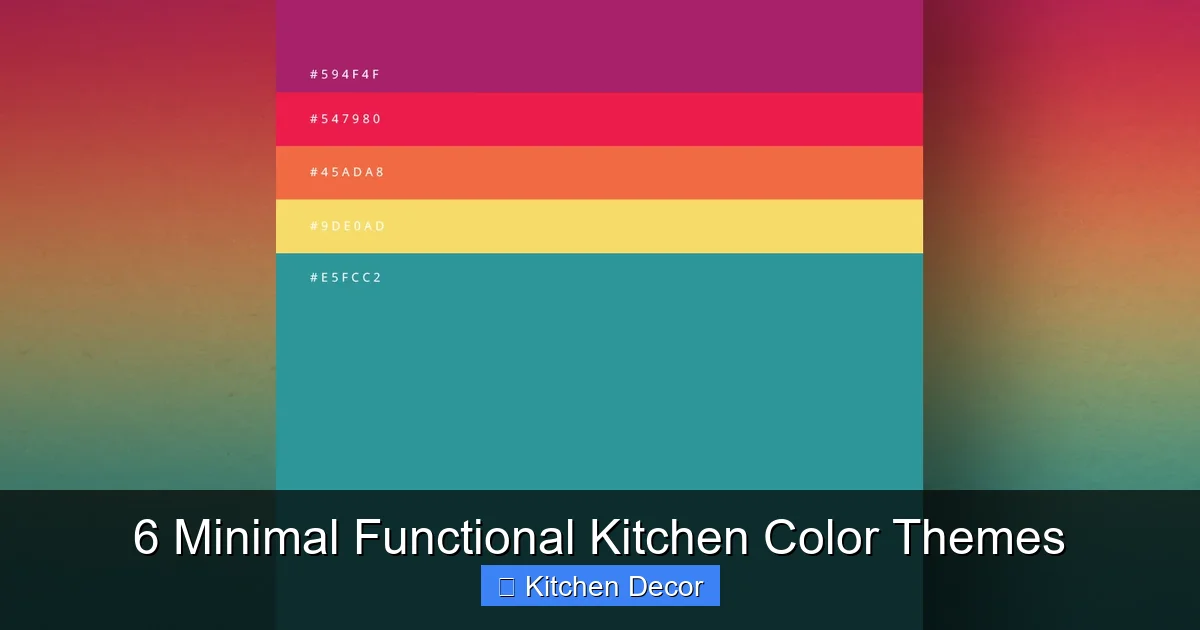
Now, let’s dive into specific minimal functional kitchen color themes that embody both beauty and practicality. Each theme offers a unique blend of colors and elements to inspire your design.
Theme 1: Crisp White & Warm Wood
This is perhaps the quintessential minimal functional kitchen color theme, known for its timeless appeal and inherent brightness.
- Core Colors: Bright White (cabinets, walls, ceiling), Light to Medium Wood Tones (oak, birch, ash).
- Why it’s Minimal & Functional: White reflects maximum light, making the space feel expansive and impeccably clean. The warmth of wood prevents the white from feeling stark, adding organic texture and a grounding element. This theme is incredibly easy to clean visually and physically.
- Key Elements: White flat-panel cabinetry, light wood countertops or open shelving, white subway tile backsplash, light-colored flooring (light grey tile or pale wood).
- Tips: Use brushed nickel or matte white hardware to maintain the crisp look. Incorporate subtle greenery through a potted herb plant for a touch of natural color.
Theme 2: Sophisticated Greige & Black Accents
For those who prefer a slightly warmer or moodier neutral, greige offers the perfect balance between grey’s coolness and beige’s warmth.
- Core Colors: Greige (cabinets, walls), Matte Black (accents).
- Why it’s Minimal & Functional: Greige is incredibly versatile and hides minor imperfections better than pure white. It provides a sophisticated, grounded backdrop. Matte black accents add a contemporary edge and defined contrast without being overpowering. It’s a very practical choice for busy kitchens.
- Key Elements: Greige shaker or flat-panel cabinets, light quartz countertops, matte black hardware and faucet, black pendant lighting, light wood or polished concrete flooring.
- Tips: Vary the greige tones slightly for added depth. Integrate black appliances or a black sink for a truly cohesive look. Use subtle textures in your backsplash, like a ribbed tile, to add interest.
Theme 3: Cool Nordic Blue & Ash Gray
Inspired by Scandinavian landscapes, this theme brings a serene and calming vibe to your minimal functional kitchen.
- Core Colors: Soft, Muted Blues (dusty blue, slate blue), Light Ash Gray.
- Why it’s Minimal & Functional: Blues are known for their calming properties, creating a tranquil environment. Paired with light ash gray, the palette feels airy, fresh, and remarkably clean. This combination can make smaller kitchens feel more open and brighter.
- Key Elements: Muted blue lower cabinets, light ash gray upper cabinets or walls, white or light gray quartz countertops, simple white subway tile backsplash, light wood or light gray tile flooring.
- Tips: Keep hardware minimal, perhaps in a subtle brushed brass or stainless steel. Add touches of natural light wood for warmth. Focus on clean lines and abundant natural light to enhance the cool tones.
Theme 4: Earthy Sage Green & Terracotta
Embrace nature’s tranquility with a palette that feels both grounded and refreshing, ideal for a minimal functional kitchen with an organic touch.
- Core Colors: Muted Sage Green, Soft Terracotta/Clay Tones.
- Why it’s Minimal & Functional: Sage green is inherently calming and brings a connection to the outdoors, promoting a sense of well-being. Terracotta accents add warmth and an artisan touch without overwhelming the minimalist aesthetic. This theme feels timeless and inviting.
- Key Elements: Sage green flat-panel cabinets, light cream or white countertops, subtle terracotta pots or decorative items, natural wood shelving, white zellige tile backsplash.
- Tips: Use brushed brass or copper hardware to complement the earthy tones. Incorporate natural light with large windows if possible. Plants will thrive in this environment and further enhance the connection to nature.
Theme 5: Industrial Chic with Charcoal & Stainless Steel
For a bolder, more urban minimal functional kitchen, this theme combines strong neutrals with metallic sheen for a robust and sleek look.
- Core Colors: Deep Charcoal Gray, Silver (Stainless Steel).
- Why it’s Minimal & Functional: Charcoal offers a dramatic and sophisticated backdrop, while stainless steel brings in durability, hygiene, and a professional-grade aesthetic. This theme is highly practical, as darker colors can be forgiving of daily wear and tear, and stainless steel is incredibly robust.
- Key Elements: Charcoal gray cabinets (matte finish), stainless steel appliances, stainless steel or concrete countertops, industrial-style pendant lights, black or dark gray large-format tile flooring.
- Tips: Balance the dark tones with plenty of lighting, both natural and artificial. Introduce warm wood elements in small doses (e.g., a cutting board, bar stools) to prevent the space from feeling too cold. Exposed brick or concrete walls can further enhance the industrial feel.
Theme 6: Coastal Neutral with Sandy Beige & Seafoam Green
Bring the calming essence of the seaside into your kitchen with a soft, airy palette that evokes relaxation and spaciousness.
- Core Colors: Warm Sandy Beige, Light Seafoam Green.
- Why it’s Minimal & Functional: Sandy beige provides a warm, inviting neutral base that’s comforting and versatile. Seafoam green offers a gentle splash of color that feels fresh and soothing, reminiscent of ocean spray. This theme promotes a sense of calm and openness, making the kitchen feel brighter.
- Key Elements: Sandy beige cabinets, white or light gray quartz countertops, subtle seafoam green accents (perhaps a feature wall, tile backsplash, or textiles), natural woven textures (bar stools, lighting), light wood flooring.
- Tips: Avoid overt nautical themes. Instead, focus on natural textures like linen, jute, and light wood to convey the coastal vibe. Keep accessories minimal to maintain the serene and uncluttered aesthetic.
Step 3: Integrating Materials and Textures
Visual guide about 6 Minimal Functional Kitchen Color Themes
Image source: i.pinimg.com
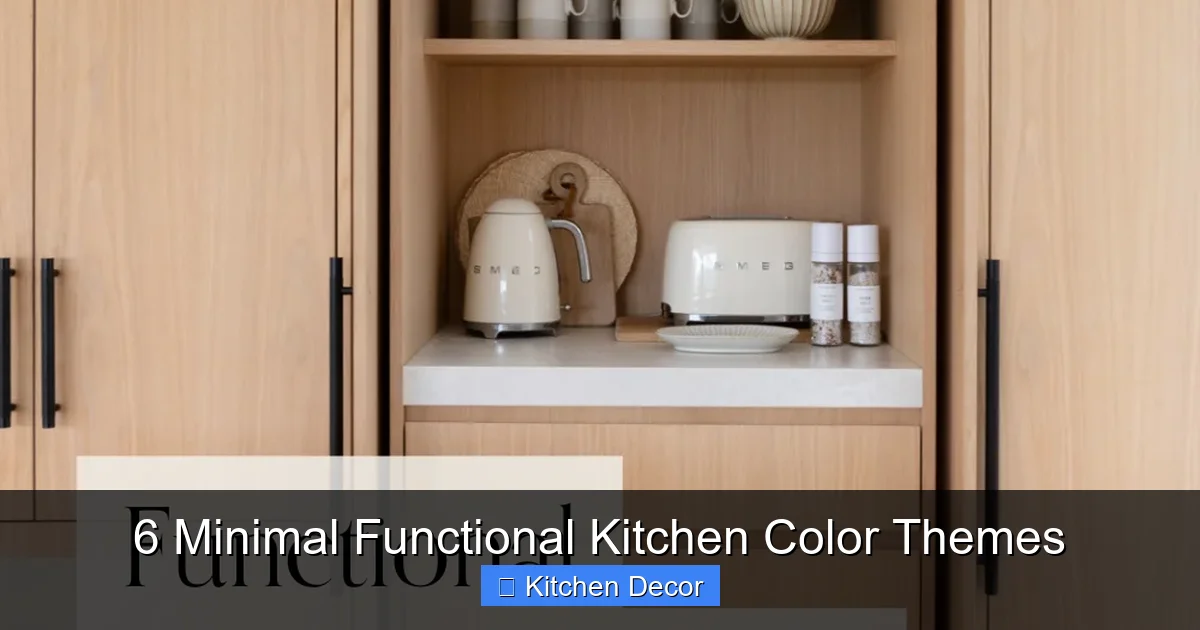
Colors don’t exist in isolation; they interact with the materials and textures around them. In a minimal functional kitchen, choosing the right materials is just as important as choosing the right colors.
Countertops: Quartz, Butcher Block, Concrete
- Quartz: Highly durable, non-porous, and available in a wide range of colors (whites, grays, charcoals) that perfectly complement minimal functional kitchen color themes. It’s low maintenance and hygienic.
- Butcher Block: Adds instant warmth and natural texture, especially effective in white and wood-based minimal functional kitchen color themes. Requires regular oiling but develops a beautiful patina over time.
- Concrete: Offers an industrial, robust look for charcoal or greige themes. It’s incredibly durable and can be customized in terms of finish and tint.
Backsplashes: Subway Tile, Zellige, Minimal Slab
- Subway Tile: A timeless classic, available in various colors (white, light gray, soft green) and finishes. Its simple rectangular shape aligns perfectly with minimalist clean lines.
- Zellige Tile: Handmade Moroccan tiles with subtle variations and imperfections. They add depth and artisanal character without busy patterns, great for earthy or coastal minimal functional kitchen color themes.
- Minimal Slab: Extending your countertop material up the wall creates a seamless, ultra-minimalist look that is also incredibly easy to clean.
Hardware: Matte Black, Brushed Brass, Stainless Steel
These are the go-to choices for minimal functional kitchen color themes, offering clean lines and subtle elegance.
- Matte Black: Modern, bold, and pairs well with almost any color, especially greige, white, and charcoal.
- Brushed Brass: Adds a touch of warmth and sophistication, excellent with blues, greens, and white.
- Stainless Steel: Classic, durable, and blends seamlessly with appliances, perfect for crisp white or industrial themes.
Flooring: Large Format Tile, Engineered Wood, Polished Concrete
- Large Format Tile: Fewer grout lines mean a more seamless and expansive look. Available in neutral tones like light gray, white, or beige, suitable for most minimal functional kitchen color themes.
- Engineered Wood: Offers the warmth and beauty of real wood but with enhanced stability. Choose lighter or medium tones to maintain an airy feel.
- Polished Concrete: Robust, modern, and perfectly suited for industrial or urban minimal functional kitchen color themes, providing a cool, sleek surface.
Step 4: Lighting for Impact and Function
Lighting is the unsung hero of any kitchen, but it’s especially crucial in a minimal functional kitchen to enhance the chosen minimal functional kitchen color themes and support practicality. Good lighting can transform the perception of space and color.
Natural Light Maximization
Maximize natural light wherever possible. Keep window treatments minimal or non-existent, and avoid clutter on windowsills. Natural light makes colors appear truer and significantly contributes to the airy feel of a minimal space.
Task Lighting
This is essential for functionality. Install under-cabinet lighting to illuminate countertops, making food prep safer and more enjoyable. Pendant lights over an island or peninsula provide focused light for cooking, eating, or working.
Ambient Lighting
Recessed lighting is typically the best choice for ambient lighting in a minimal kitchen, providing general illumination without any visual intrusion. Ensure it’s dimmable to adjust the mood and intensity.
Accent Lighting
While less common in truly minimal designs, subtle accent lighting can highlight architectural features or open shelving. However, keep it very understated to maintain the uncluttered aesthetic.
Step 5: Accessorizing with Intent
Accessorizing in a minimal functional kitchen is an exercise in restraint and purpose. Every item should earn its place.
Quality Over Quantity
Instead of many small decorative items, choose a few high-quality, functional pieces. A beautiful ceramic bowl, a well-designed cutting board, or a stylish kettle can serve as both utility and decor.
Functional Decor: Plants, Cutting Boards, Minimal Utensils
- Plants: A small potted herb garden or a single sculptural plant (like a snake plant or ZZ plant) adds a touch of life and color without clutter.
- Cutting Boards: A beautiful wooden cutting board propped against a backsplash adds warmth and texture.
- Minimal Utensils: If you have open shelving, display only your most aesthetically pleasing and frequently used utensils in a simple, elegant container.
Avoiding Clutter
The hallmark of a minimal functional kitchen is the absence of clutter. Ensure everything has a designated home, preferably behind closed doors. Keep countertops as clear as possible to enhance the sense of space and calm.
Troubleshooting Common Challenges
Even with the best intentions, you might face some challenges when implementing your minimal functional kitchen color themes.
Small Kitchen Spaces
- Solution: Focus on light and reflective surfaces. Use predominantly white or very pale minimal functional kitchen color themes to maximize light reflection. Opt for high-gloss finishes on cabinets and light-colored countertops. Integrate mirrors strategically to create an illusion of depth. Keep vertical lines strong and uninterrupted.
Lack of Natural Light
- Solution: Invest heavily in layered artificial lighting. Combine bright, cool-toned task lighting with warmer, dimmable ambient lighting. Utilize under-cabinet lighting and consider LED strips along toe kicks or above cabinets to add a subtle glow. Prioritize light-colored minimal functional kitchen color themes that help bounce any available light.
Budget Constraints
- Solution: You don’t need to splurge on every item. Focus your budget on key elements like durable countertops and quality cabinet fronts, which have the biggest impact on your chosen minimal functional kitchen color themes. For less expensive options, consider painting existing cabinets in one of our recommended minimal functional kitchen color themes. Use affordable but stylish tiles for backsplashes, and look for sales on appliances. Smart DIY can go a long way.
Conclusion
Creating a minimal functional kitchen is a journey of intentional design, where every choice, especially color, contributes to a harmonious and efficient space. By embracing these 6 minimal functional kitchen color themes, you’re not just choosing colors; you’re cultivating an environment that simplifies your life, inspires creativity, and provides a serene backdrop for daily rituals.
Remember, the essence of a minimal functional kitchen lies in its ability to serve you effortlessly while looking elegantly understated. Whether you gravitate towards the crisp purity of white and wood, the grounded sophistication of greige and black, or the calming embrace of Nordic blue or sage green, the principles remain the same: simplify, declutter, and focus on quality and function.
Armed with this guide, you are now ready to embark on your design adventure. Choose the minimal functional kitchen color themes that resonate most with your personal style and needs, and confidently create a kitchen that is not only beautiful but also a joy to live and work in for years to come. Your perfectly minimal and functional kitchen awaits!