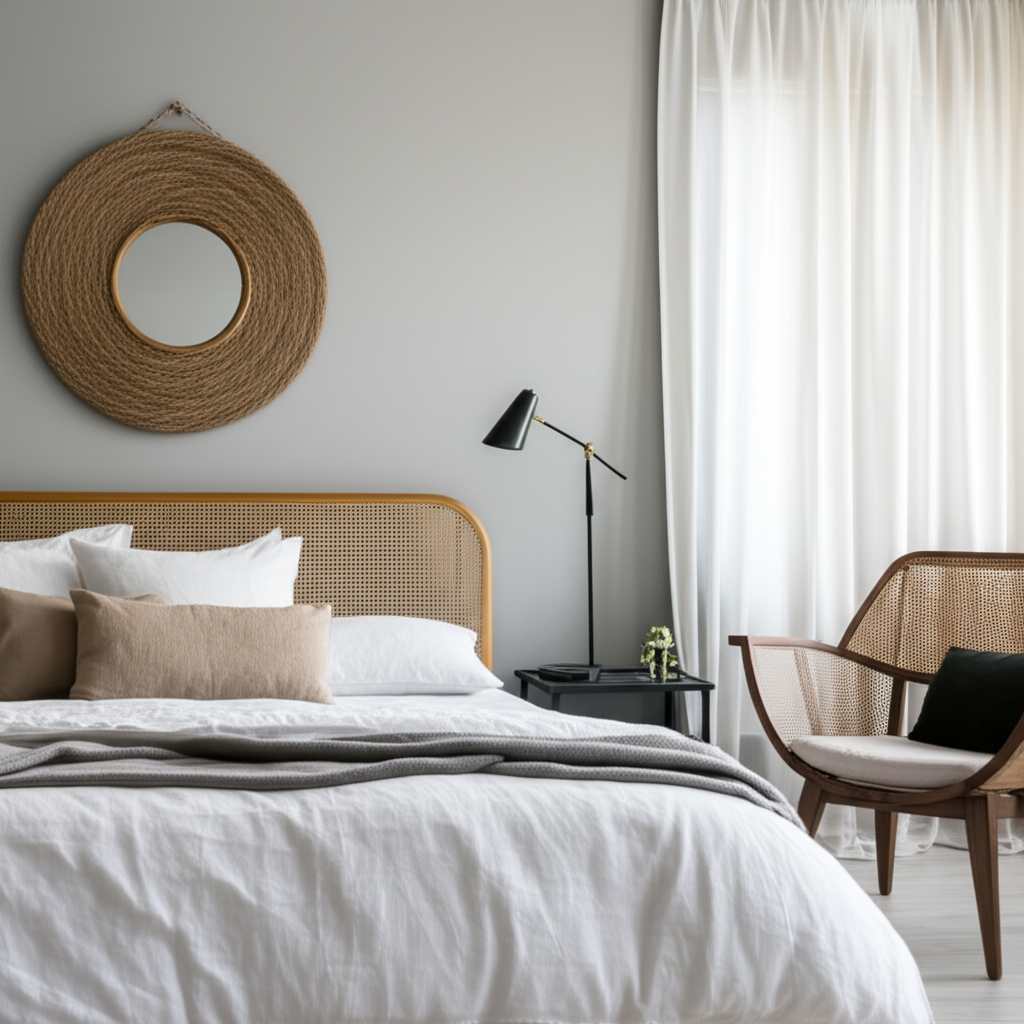
Quick Summary: Transform your bedroom into a cozy sanctuary with these essential decor examples! Learn how to pick a color scheme, choose furniture, add lighting, and style with accessories to create a space you’ll love, no matter your budget or room size.
Feeling a little uninspired by your bedroom? You’re not alone! Many of us dream of a beautifully styled bedroom, but the reality can feel overwhelming. Where do you even begin with all the choices out there?
Don’t worry, creating a bedroom you adore is totally achievable. We’ll break down the essentials, offering simple, budget-friendly ideas to help you make your personal space feel like a retreat.
Ready to make your bedroom a haven? Let’s dive into some easy-to-follow bedroom decor examples and essential ideas!
Start with a Vision: Your Bedroom’s Mood
Before you buy a single pillow, think about how you want your bedroom to feel. Do you crave a calm, serene escape? Or maybe a vibrant, energizing space to start your day?
Consider your lifestyle. Is your bedroom purely for sleeping and relaxing? Or do you also use it for reading, working, or getting ready in the morning? Your answers will guide your decor choices.
Finding Your Style: Inspiration is Everywhere
Don’t feel pressured to invent a style from scratch. Look around for inspiration! Browse Pinterest, Instagram, and home decor magazines. Save images that catch your eye. What do they have in common?
Are you drawn to minimalist designs with clean lines? Do you love the cozy feel of rustic decor? Or perhaps the bohemian vibe with lots of texture and color?
Once you have a general direction, it’s easier to make decisions about furniture, colors, and accessories.
Color Palette Power: Setting the Mood
Color is one of the most powerful tools in bedroom decor. It sets the tone for the entire room. For beginners, it’s smart to start with a simple, cohesive color palette.
A good rule of thumb is to use the 60-30-10 rule: 60% of your room should be a dominant color, 30% a secondary color, and 10% an accent color. This creates balance and visual interest.
Bedroom Color Scheme Examples
Here are some popular and beginner-friendly color scheme ideas:
- Serene Blues and Grays: Think of a calming sky or a peaceful ocean. These cool tones are perfect for relaxation. Pair a soft blue with light gray and white for a classic, tranquil feel.
- Warm Neutrals: Beige, cream, taupe, and soft whites create a cozy and inviting atmosphere. They are incredibly versatile and can be warmed up with wood tones or deeper accent colors like rust or olive green.
- Earthy Greens and Browns: Inspired by nature, this palette brings a sense of grounding and peace. Sage green walls with terracotta accents and natural wood furniture are a beautiful combination.
- Soft Pinks and Blush Tones: These can be surprisingly sophisticated and calming, especially when paired with grays, creams, or metallics like gold.
Pro Tip: Always get paint samples and test them on your walls in different lights before committing. What looks good online might appear different in your room!
Furniture Fundamentals: Comfort Meets Style
Your bed is the centerpiece of the bedroom, so invest in a comfortable mattress and a frame you love. Beyond the bed, consider what other furniture you truly need.
For smaller rooms, multi-functional furniture can be a lifesaver. Think about pieces that serve more than one purpose.
Essential Bedroom Furniture Pieces
- Bed Frame and Headboard: This sets the style for your room. A simple platform bed works well for modern looks, while a four-poster bed adds a more traditional or romantic touch.
- Nightstands (Bedside Tables): Essential for keeping your essentials close – a lamp, your phone, a book. Choose a style that complements your bed and offers enough storage.
- Dresser or Chest of Drawers: For storing clothes. Consider the size of your room and your storage needs. A taller, narrower chest of drawers can save floor space.
- Optional: Accent Chair or Bench: If space allows, an accent chair can create a cozy reading nook, and a bench at the foot of the bed adds a touch of luxury and a place to sit.
Smart Furniture Choices for Small Spaces
When space is tight, every piece counts. Look for:
- Floating Shelves: Instead of bulky nightstands, mount shelves on the wall.
- Beds with Built-in Storage: Many platform beds have drawers underneath, perfect for linens or out-of-season clothes.
- Slim-Profile Furniture: Opt for nightstands and dressers with a more streamlined design.
- Mirrored Furniture: Mirrors can make a small room feel larger and brighter.
Lighting is Key: Creating Ambiance
Good lighting can completely transform the feel of your bedroom. Avoid relying solely on harsh overhead lights. Layering different types of lighting creates warmth and depth.
Think about task lighting, ambient lighting, and accent lighting.
Bedroom Lighting Ideas
- Overhead Light Fixture: This provides general illumination. Consider a stylish pendant light or a flush-mount fixture that matches your decor. A dimmer switch is a great addition for controlling brightness.
- Bedside Lamps: These are crucial for reading and creating a cozy atmosphere. Table lamps on nightstands or wall-mounted sconces are excellent choices.
- Floor Lamp: If you have a reading corner, a floor lamp can provide focused light and add a decorative element.
- Accent Lighting: Think string lights, LED strip lights behind the headboard, or small accent lamps on a dresser. These add personality and warmth.
External Resource: For more on the impact of lighting in interior design, check out this guide from the U.S. Department of Energy, which discusses energy-efficient lighting options.
Textiles and Textures: The Cozy Factor
This is where your bedroom really starts to feel like a comfortable sanctuary. Textiles – like bedding, rugs, and curtains – add softness, color, and warmth.
Don’t be afraid to mix textures! This adds depth and visual interest, making the room feel more inviting and luxurious.
Textile Essentials for Your Bedroom
- Bedding: Your duvet cover, sheets, and pillows are a major design element. Choose comfortable fabrics and colors that align with your chosen palette. Consider layering with a quilt or throw blanket.
- Area Rug: A soft rug underfoot is a game-changer, especially if you have hard flooring. It anchors the bed and adds warmth and texture. A rug that extends a foot or two beyond the sides of the bed is ideal.
- Curtains or Blinds: These control light and add a decorative touch. Consider blackout curtains for better sleep or sheer curtains for a softer, diffused light.
- Throw Pillows and Blankets: These are easy ways to add pops of color, pattern, and extra coziness.
Mixing Textures: A Simple Guide
Combining different textures makes your bedroom feel richer and more inviting. Try pairing:
- Soft, plush velvet with crisp linen.
- Chunky knit blankets with smooth cotton sheets.
- A woven jute rug with a silky throw.
- Faux fur accents with smooth wood furniture.
Wall Decor and Accents: Personality Plus
Once the main elements are in place, it’s time to add the finishing touches that reflect your personality. This is where you can really have fun!
Think about artwork, mirrors, plants, and decorative objects.
Bedroom Wall Decor Ideas
- Artwork: Hang a favorite painting, a collection of photographs, or a large statement piece above your bed or on an empty wall.
- Mirror: A well-placed mirror can make a room feel larger and brighter by reflecting light. A decorative mirror can also be a focal point.
- Gallery Wall: Create a personal touch by curating a collection of smaller framed photos, prints, or even sentimental items.
- Shelving: Floating shelves are perfect for displaying small plants, decorative objects, or books.
- Wall Tapestry or Fabric: For a bohemian or eclectic vibe, a large tapestry can add color and texture.
Accessorizing with Purpose
Accessories tie everything together. Choose items that you love and that serve a purpose, even if it’s just to bring you joy.
- Plants: Bring life and a touch of nature indoors. Low-maintenance options like snake plants or ZZ plants are great for bedrooms.
- Decorative Trays: Use them on your dresser or nightstand to corral small items like jewelry or remotes.
- Candles: Add a relaxing ambiance.
- Books: Stack a few on your nightstand or shelf.
Putting It All Together: Bedroom Decor Examples
Let’s visualize how these ideas come together in different scenarios. These bedroom decor examples are designed to be adaptable.
Example 1: The Cozy Minimalist Retreat
Mood: Serene, uncluttered, peaceful.
Color Palette: Soft whites, light grays, natural wood tones, with a hint of muted sage green.
Furniture: A simple platform bed with a clean-lined wooden frame. Matching minimalist nightstands with a drawer. A slender dresser.
Lighting: A single, elegant pendant light overhead on a dimmer. Two simple bedside lamps with fabric shades.
Textiles: Crisp white linen bedding. A soft, light gray duvet cover. A plush, cream-colored rug. Simple, floor-length white curtains.
Walls & Accents: One large abstract art piece with muted colors above the bed. A round mirror on the opposite wall. A small potted plant on the nightstand.
Example 2: The Bohemian Boho Haven
Mood: Warm, eclectic, relaxed, full of personality.
Color Palette: Earthy tones – terracotta, mustard yellow, deep blues, with pops of vibrant colors and patterns.
Furniture: A dark wood or rattan bed frame. Unique, perhaps mismatched, nightstands (e.g., a vintage trunk and a small table). A dresser with character.
Lighting: A decorative Moroccan-style lantern overhead. A table lamp with a patterned shade on one nightstand. String lights draped around the headboard or a mirror.
Textiles: Layered bedding with various patterns – a floral duvet, a striped throw, embroidered pillows. A large, patterned area rug (Persian or Kilim style). Macrame or patterned curtains.
Walls & Accents: A collection of framed prints and tapestries. A large leaning mirror with an ornate frame. Potted plants of various sizes, including hanging plants. Decorative baskets for storage.
Example 3: The Modern Chic Sanctuary
Mood: Sophisticated, clean, stylish, and comfortable.
Color Palette: Neutrals like charcoal gray and cream, accented with metallic gold or silver and a deep jewel tone like emerald green or navy blue.
Furniture: A sleek, upholstered bed frame in gray or navy. Mirrored or metallic nightstands. A dresser with clean lines and perhaps a lacquered finish.
Lighting: A modern chandelier or geometric pendant light. Sleek, metallic bedside lamps. Perhaps LED strip lighting for a subtle glow.
Textiles: High-thread-count bedding in cream or white. A velvet or silk duvet cover in an accent color. A plush, solid-colored rug in a deep hue. Elegant, tailored curtains.
Walls & Accents: A large, frameless mirror. A few framed minimalist prints or black and white photography. A stylish decorative tray with metallic accents. A single, striking sculptural object.
Budget-Friendly Decorating Tips
Decorating your dream bedroom doesn’t have to break the bank. Here are some smart ways to save:
- DIY Projects: Paint an old dresser a fresh color, create your own wall art, or reupholster a headboard.
- Thrift Stores and Flea Markets: You can find unique furniture pieces, lamps, and decorative items at a fraction of the retail price.
- Sales and Discounts: Keep an eye out for seasonal sales at your favorite home decor stores.
- Focus on Impactful Pieces: Invest in a good mattress and a quality duvet cover, and save on smaller decorative items.
- Rearrange What You Have: Sometimes, a simple rearrangement of your existing furniture and decor can give your room a fresh new look.
Frequently Asked Questions (FAQ)
Q1: How do I choose the right size rug for my bedroom?
A1: For most bedrooms, a rug that is large enough for the front legs of your bed and nightstands to sit on is ideal. Alternatively, two smaller rugs placed on either side of the bed can also work well, especially in larger rooms.
Q2: What’s the best way to make a small bedroom feel bigger?
A2: Use light colors on walls and furniture, incorporate mirrors to reflect light, choose furniture with legs to create a sense of openness, and keep clutter to a minimum. Vertical storage solutions also help.
Q3: How much should I spend on a headboard?
A3: Headboards range from very affordable DIY options to high-end designer pieces. For a budget-friendly approach, consider a simple upholstered headboard or a wooden plank. If your budget allows, a statement headboard can be a great focal point.
Q4: Is it okay to mix metals in my bedroom decor?
A4: Absolutely! Mixing metals can add depth and personality to a room. The key is to use them intentionally. For example, you might have brass lamps but silver drawer pulls, creating a curated look.
Q5: How often should I update my bedroom decor?
A5: There’s no set rule! You can update your decor seasonally with new throw pillows or blankets, or make bigger changes when you feel your space needs a refresh. The most important thing is that your bedroom feels comfortable and inspiring to you.
Q6: What are the most important things to consider for bedroom lighting?
A6: Layering light is key. Ensure you have ambient light (overhead), task lighting (bedside lamps for reading), and consider accent lighting for mood. Dimmers are also highly recommended to control the intensity.
Conclusion
Decorating your bedroom is a rewarding journey that allows you to create a personal sanctuary. By starting with a clear vision, choosing a calming color palette, selecting functional and stylish furniture, and layering your lighting and textiles, you can transform your space into a haven of comfort and style.
Remember, these bedroom decor examples are just starting points. Feel free to mix and match ideas, experiment with colors and textures, and most importantly, infuse your personality into every element. Your bedroom should be a reflection of you, a place where you can truly relax and recharge.
With these essential ideas, you’re well on your way to creating a bedroom that is not only beautiful but also perfectly suited to your lifestyle and budget. Happy decorating!