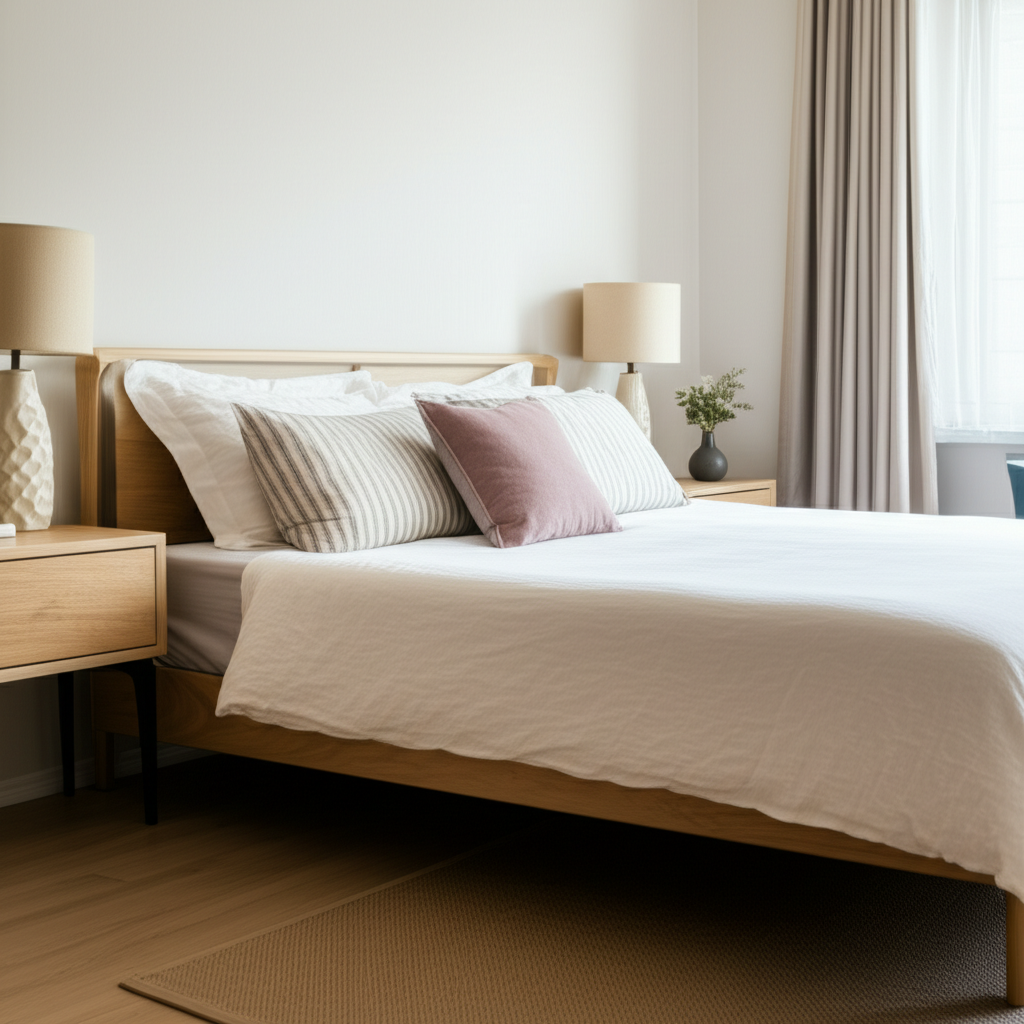
Transform your bedroom into a sanctuary with these best bedroom decorating ideas! Get stunning inspiration, practical tips, and budget-friendly hacks to create a stylish, comfortable space you’ll love. Perfect for beginners looking for achievable, beautiful results.
Dreaming of a bedroom that feels like a cozy retreat or a chic hotel suite? You’re not alone! Many of us struggle with knowing where to start when it comes to decorating. It’s easy to feel overwhelmed by all the choices out there, from paint colors to furniture styles.
But don’t worry! Creating a beautiful and functional bedroom doesn’t have to be complicated or expensive. With a few smart ideas and a little guidance, you can transform your space into a haven you’ll be excited to wake up in and relax in every day.
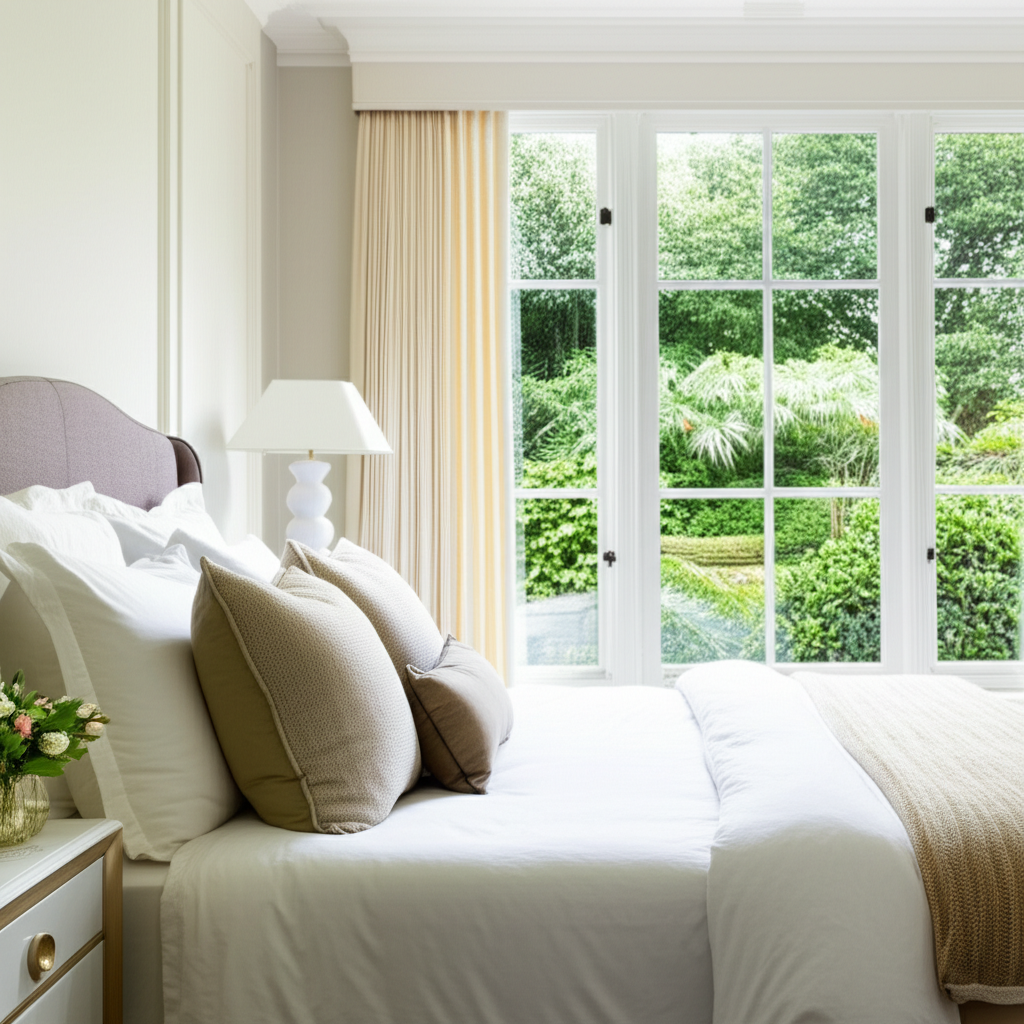
This guide is packed with simple, stylish, and budget-friendly decorating ideas to inspire you. We’ll cover everything from picking the perfect color palette to choosing the right accessories. Get ready to discover your dream bedroom!
Ready to dive in? Let’s explore some amazing bedroom decorating ideas and unlock the potential of your personal sanctuary.
Your Bedroom Makeover: A Step-by-Step Guide
Feeling inspired to refresh your bedroom but not sure how to begin? It’s all about breaking it down into manageable steps. Think of it like planning a fun project, not a daunting task!
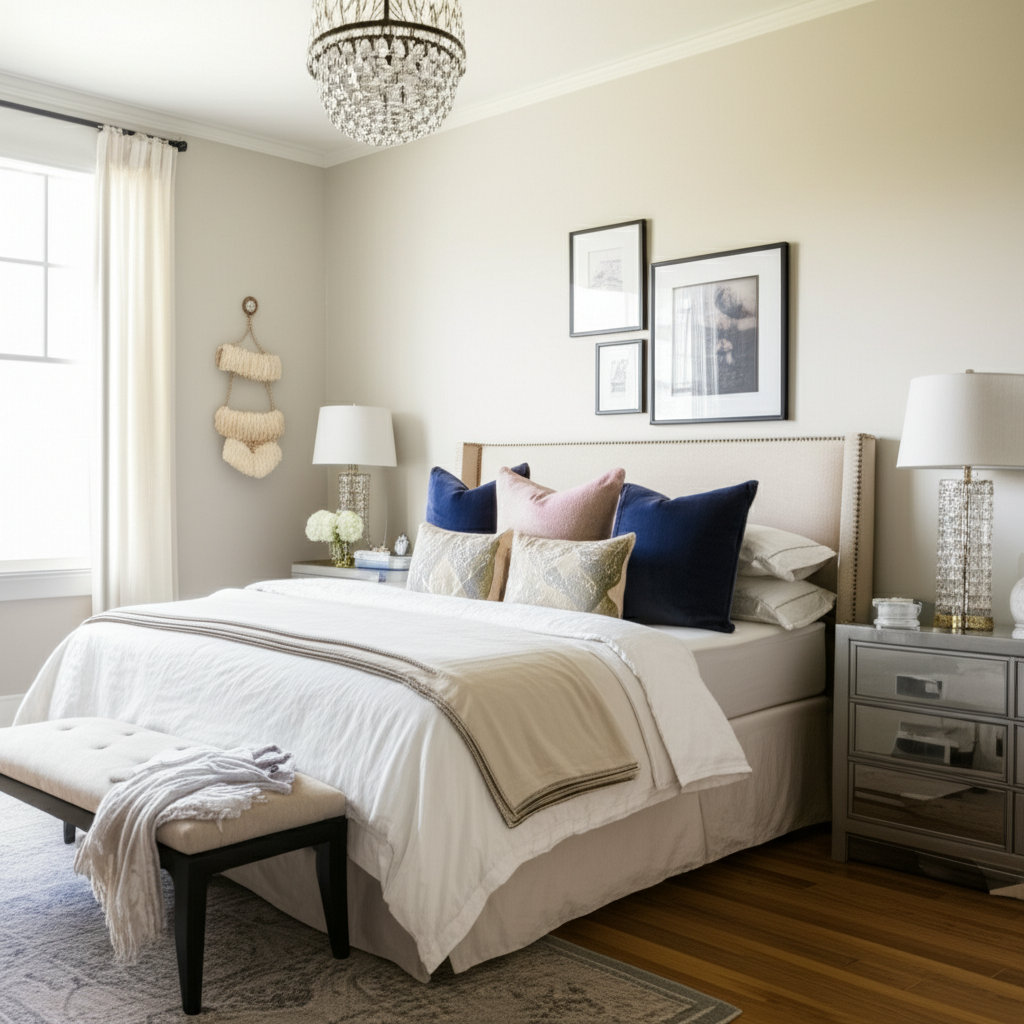
We’ll start with the basics and build up from there. This approach ensures you cover all the important elements without getting lost in the details. Let’s make decorating fun and stress-free!
Step 1: Define Your Style & Mood
Before you pick out a single pillow, take a moment to think about how you want your bedroom to feel. Do you crave a calm and serene escape, a vibrant and energetic space, or something cozy and romantic?
Consider your personality and what makes you feel most relaxed and happy. Are you drawn to minimalist designs, bohemian vibes, modern chic, or classic comfort? Looking at inspiration photos can really help clarify your preferences. Websites like Pinterest and Instagram are treasure troves for “best bedroom decorating ideas and pictures.”
Action Tip: Create a mood board! This can be a physical board with magazine clippings or a digital one on your phone or computer. Pin images of colors, textures, furniture, and decor that catch your eye. This visual collection will become your style guide.
Step 2: Choose Your Color Palette
Color has a huge impact on the mood of a room. For bedrooms, calming colors like soft blues, gentle greens, muted grays, and warm neutrals are often popular choices because they promote relaxation.
However, don’t be afraid to incorporate bolder colors if that’s what makes you feel good! You can use brighter hues as accent colors in pillows, throws, or artwork. A good rule of thumb is the 60-30-10 rule: 60% of the room in a dominant color, 30% in a secondary color, and 10% in an accent color.
Helpful Resource: The Color Association of Canada offers great insights into how colors affect mood and perception, which can be super helpful for choosing your bedroom’s palette.
Step 3: Focus on the Bed – The Room’s Star
Your bed is usually the focal point of the bedroom, so make it count! Start with a comfortable mattress and supportive frame. Then, layer on the bedding.
Think about your sheets, duvet or comforter, and pillows. Choosing soft, high-quality fabrics can make a big difference in comfort and the overall look. Don’t forget decorative pillows and a cozy throw blanket to add texture and color.
Budget Tip: You don’t need to buy everything at once. Start with essentials and gradually add decorative elements. Look for sales and consider outlet stores for great deals on bedding.
Step 4: Smart Furniture Arrangement
How you arrange your furniture affects the flow and functionality of your room. The most important rule is to ensure there’s enough space to move around comfortably. Keep pathways clear.
For most bedrooms, the bed should be the first piece of furniture placed. Ideally, position it so you can see the door from the bed but aren’t directly in line with it. Then, add your nightstands, dresser, and any other essential pieces.
Small Bedroom Hack: In a small room, consider furniture with multiple functions, like a storage ottoman or a bed frame with built-in drawers. Floating shelves can also save floor space.
Step 5: Lighting is Key
Good lighting can transform the ambiance of your bedroom. Layering your lighting is the best approach. This means having a mix of ambient (general), task (for reading), and accent (decorative) lighting.
A ceiling fixture provides ambient light. Bedside lamps offer task lighting and add a cozy glow. Consider a dimmer switch for your main light to control the mood. Wall sconces or a stylish floor lamp can add both light and a decorative touch.
For Beginners: Start with a good overhead light and bedside lamps. You can always add more later as you get comfortable with your space.
Step 6: Add Personality with Decor
This is where your bedroom really starts to feel like you! Art, photos, plants, rugs, curtains, and decorative objects all contribute to the room’s personality.
Choose pieces that you love and that reflect your style. Don’t feel pressured to fill every surface; sometimes, less is more. A large piece of art above the bed or a gallery wall can make a statement.
DIY Idea: Frame your favorite photos or create your own abstract art. You can also update old frames with a coat of spray paint for a fresh look.
Step 7: Don’t Forget Texture and Comfort
Texture adds depth and coziness to any room. Think about incorporating different materials like soft throws, plush rugs, velvet cushions, or woven baskets.
Layering textures makes your bedroom feel more inviting and comfortable. Even simple additions like a chunky knit blanket or a faux fur rug can make a significant difference.
Window Treatments: Curtains or blinds not only control light but also add softness and color. Consider blackout curtains for better sleep, especially if you’re sensitive to light.
Stunning Bedroom Decorating Ideas to Inspire You
Ready for some visual inspiration? These ideas are designed to be adaptable to different styles and budgets, making them perfect for any beginner decorator.
Idea 1: The Serene Sanctuary
Goal: Create a peaceful oasis for ultimate relaxation.
Colors: Soft blues, greens, whites, and natural wood tones.
Key Elements: Minimalist furniture, natural materials (wood, linen, cotton), soft lighting, calming artwork, and plenty of plants.
Imagine walking into a room that instantly makes you breathe easier. This look is all about simplicity and natural elements. Think light wood furniture, crisp white bedding with subtle blue accents, and perhaps a large potted plant in a corner. The lighting should be warm and diffused, perhaps from woven lampshades.
Idea 2: Cozy & Chic Retreat
Goal: A warm, inviting space that feels like a hug.
Colors: Warm neutrals (beige, cream, taupe), deep jewel tones (emerald, sapphire), and rich textures.
Key Elements: Plush bedding, layered rugs, a comfortable armchair, accent lighting, and decorative throws.
This style is about embracing comfort and layering. Think a super soft duvet, a few chunky knit blankets, and an abundance of decorative pillows. A deep-colored accent wall can add drama, paired with lighter furniture to keep it from feeling too heavy. A soft rug underfoot and a comfy reading nook make this space irresistible.
Idea 3: Modern Minimalist Haven
Goal: A clean, uncluttered, and functional space.
Colors: Neutrals (white, gray, black), with subtle pops of color or metallic accents.
Key Elements: Sleek furniture, clean lines, geometric patterns, functional storage, and curated decor pieces.
Minimalism is about “less is more.” Focus on essential furniture with simple, clean designs. Storage is key to keeping clutter at bay. Artwork should be intentional and impactful, perhaps a single large abstract piece. The focus is on quality over quantity, with a streamlined aesthetic.
Idea 4: Bohemian Dream
Goal: A free-spirited, eclectic, and layered space.
Colors: Earthy tones, vibrant patterns, and a mix of colors.
Key Elements: Layered textiles (rugs, throws, cushions), plants, rattan or natural wood furniture, global-inspired decor, and unique art.
Boho style is all about expressing yourself! Mix and match patterns, textures, and colors. Layering rugs on top of each other, piling on cushions in different fabrics, and hanging macrame or tapestries are hallmarks of this style. Lots of plants bring life and a natural feel.
Idea 5: Scandinavian Simplicity
Goal: Bright, airy, and functional with a focus on natural light and materials.
Colors: Predominantly white and light grays, with natural wood accents and occasional soft pastels.
Key Elements: Light wood furniture, functional design, cozy textiles (wool, sheepskin), minimal clutter, and understated decor.
Scandi design emphasizes simplicity, functionality, and warmth. Think light-colored walls, light wood floors or furniture, and cozy textiles like sheepskin throws or wool blankets. The aim is to create a bright and inviting space that feels both organized and comfortable. It’s about making the most of natural light.
Budget-Friendly Bedroom Decorating Tips
Decorating doesn’t have to break the bank! Here are some smart ways to achieve a stunning bedroom without overspending.
- Paint Power: A fresh coat of paint is one of the most affordable and impactful ways to transform a room. Consider an accent wall in a bold color or a soothing shade.
- DIY Decor: Get creative! Update old furniture with paint or new hardware. Create your own art by framing fabric scraps or interesting pages from books.
- Thrift & Secondhand Finds: Flea markets, thrift stores, and online marketplaces are fantastic places to find unique furniture and decor items at a fraction of the cost.
- Strategic Shopping: Focus your budget on key pieces like a comfortable mattress or a statement headboard. Save on smaller items by waiting for sales or choosing more budget-friendly options.
- Rearrange What You Have: Sometimes, simply changing the layout of your existing furniture can give your room a completely new feel.
- Lighting Updates: Instead of expensive fixtures, update lampshades or add a dimmer switch to your existing lighting for a dramatic effect.
- Textile Treasures: Look for affordable throws, cushions, and rugs from big-box stores or online retailers during sales events.
Choosing the Right Bedding and Linens
Your bedding is more than just functional; it’s a major design element in your bedroom. Choosing the right materials and colors can significantly enhance comfort and style.
Fabric Matters: For comfort and breathability, natural fibers like cotton (especially Egyptian or Pima cotton for luxury), linen, and bamboo are excellent choices. Cotton percale offers a crisp, cool feel, while cotton sateen is smoother and has a slight sheen. Linen is durable and gets softer with every wash, offering a relaxed, textured look.
Thread Count: While often touted, thread count isn’t the only indicator of quality. For cotton, a thread count between 200-400 is generally considered good, offering a balance of softness and durability. Higher isn’t always better and can sometimes mean less breathable fabric.
Color & Pattern: Solid colors offer a clean, cohesive look and are easy to coordinate with other decor. Patterns can add personality and visual interest. Consider stripes, florals, geometric prints, or abstract designs. When in doubt, a neutral base with pops of color in accent pillows and throws is a safe and stylish bet.
Layering for Style & Comfort: Don’t stop at just sheets and a duvet. Layering with a quilt, a decorative comforter, a bedspread, and throw pillows in various sizes and textures adds depth and luxury. A cozy throw blanket casually draped over the foot of the bed adds warmth and a touch of effortless style.
A note on sustainability: Look for bedding made from organic cotton or recycled materials. Brands committed to ethical production and environmental responsibility offer choices that are good for you and the planet. Check out resources like Textiles Intelligence for industry insights.
Mastering Bedroom Layouts for Small & Large Spaces
The way you arrange your furniture can make a small room feel more spacious and a large room feel cozier. Here’s how to tackle different room sizes.
Small Bedrooms: Maximizing Space
For smaller rooms, the key is to be strategic and avoid clutter. Every piece of furniture should earn its place.
- Bed Placement: Often, pushing the bed against one wall can free up floor space. Alternatively, a corner placement can work. Consider a bed with built-in storage.
- Vertical Space: Utilize walls! Install floating shelves for books and decor, and use tall, narrow dressers or wardrobes to draw the eye upward.
- Mirrors: Strategically placed mirrors can create the illusion of more space and bounce light around the room. A large mirror opposite a window is particularly effective.
- Multi-functional Furniture: Ottomans with storage, beds with drawers, and wall-mounted nightstands are your best friends in a small space.
- Light Colors: Lighter paint colors on walls and ceilings can make a room feel more open and airy.
Large Bedrooms: Creating Intimacy
Large bedrooms can sometimes feel cavernous or impersonal. The goal is to create cozy zones and make the space feel more inviting.
- Furniture Arrangement: Don’t push all furniture against the walls. Create conversation areas or distinct zones. For example, a seating area with an armchair and small table can define a corner.
- Rugs: Use area rugs to define different zones, such as the sleeping area or a reading nook. This breaks up the large floor space and adds warmth.
- Layered Lighting: Multiple light sources (table lamps, floor lamps, accent lighting) can create a warmer, more intimate ambiance than a single overhead light.
- Headboards: A substantial headboard can anchor the bed and make it feel like a central, cozy feature, even in a large room.
- Artwork: Use larger pieces of art or gallery walls to add visual interest and fill blank wall space without making it feel cluttered.
General Layout Tips:
Regardless of size, ensure there’s comfortable walking space around the bed (at least 2-3 feet on the sides and foot if possible). If you have a dresser, ensure there’s enough space to open drawers and access it easily. Consider the natural light sources and how furniture placement might block or enhance them.
The Role of Lighting in Bedroom Design
Lighting is often overlooked, but it’s crucial for setting the mood and functionality of your bedroom. Think beyond the basic overhead light!
Ambient Lighting: This is the general, overall illumination of the room. A central ceiling fixture, like a flush mount or a subtle chandelier, provides this. Dimmers are highly recommended to adjust the brightness and mood.
Task Lighting: This is for specific activities, primarily reading in bed. Bedside lamps are the most common form of task lighting. Ensure they are positioned at a height that is comfortable for reading without straining your eyes. Wall-mounted reading lights are also a great space-saving option.
Accent Lighting: This type of lighting is used to highlight specific features, such as artwork, a bookshelf, or architectural details. Small spotlights or picture lights can be used for this purpose. Even string lights can act as a decorative accent light to add a whimsical touch.
Natural Light: Maximize natural light during the day. Keep window treatments light and airy if privacy isn’t a major concern. Sheer curtains can diffuse sunlight beautifully.
Bulb Choice: The color temperature of your light bulbs matters. For bedrooms, warm white bulbs (around 2700K-3000K) create a cozy, relaxing atmosphere. Avoid cool white or daylight bulbs, which can feel harsh and stimulating.
The U.S. Department of Energy provides excellent resources on understanding light bulbs and energy efficiency, which can help you make informed choices for your home: Energy Saver – Lighting Choices.
Creating a Cohesive Look: Tips for Beginners
Making sure all the elements in your bedroom work together can seem tricky, but it’s achievable! Here’s how to create a cohesive and stylish space.
- Stick to Your Color Palette: Once you’ve chosen your main colors, try to incorporate them throughout the room. Use them in your bedding, curtains, rugs, and decorative accents. You don’t need to use them in equal amounts; varying the proportions is key.
- Repeat Textures: If you choose a certain texture, like natural wood or a specific fabric (e.g., velvet), try to repeat it in a few different places. This creates a sense of harmony. For example, wooden nightstands could be complemented by a wooden picture frame or a wood accent in a piece of art.
- Choose a Style and Stick With It (Mostly): While mixing styles can be fun, for beginners, it’s often easier to pick a primary style (like Modern Farmhouse or Scandinavian) and then add a few complementary elements from another. Avoid too many competing styles.
- Symmetry vs. Asymmetry: Symmetry (e.g., two matching nightstands and lamps on either side of the bed) often creates a sense of calm and order. Asymmetry can add visual interest but requires a bit more intentional balance.
- The Power of Accessories: Small decorative items, like vases, candles, or decorative trays, can tie a room together. Choose accessories that share a similar color, material, or style.
Frequently Asked Questions About Bedroom Decorating
Q1: What is the most important element in bedroom decor?
A1: The bed and its surrounding area are usually the most important. Comfortable bedding and a well-styled bed make the room feel inviting and can serve as the room’s focal point.
Q2: How do I make a small bedroom look bigger?
A2: Use light colors on walls, maximize natural light, strategically place mirrors, choose furniture with clean lines and preferably off the floor, and utilize vertical space with shelves.
Q3: What colors are best for a relaxing bedroom?
A3: Soft, muted colors like blues, greens, lavenders, grays, and warm neutrals are generally considered most relaxing. They create a calming atmosphere conducive to sleep.
Q4: How much should I spend on bedroom decor?
A4: This varies greatly! Prioritize a comfortable mattress and bedding. For other decor, set a budget and look for affordable options, sales, and DIY projects. You can always upgrade over time.
Q5: Do I need a rug in my bedroom?
A5: While not essential, a rug adds warmth, comfort, and style. It can define the space, absorb sound, and feel lovely underfoot when you get out of bed.
Q6: How many pillows should I have on my bed?
A6: This is personal preference! For function, two sleeping pillows are standard. For style, add 2-4 decorative pillows in various sizes and textures. A bolster or throw pillow can complete the look.
Q7: What’s the easiest way to update my bedroom decor?
A7: A fresh coat of paint, new bedding, or updated curtains can dramatically change the look and feel of your bedroom quickly and affordably.
Conclusion
Transforming your bedroom into a beautiful and comfortable sanctuary is absolutely within your reach. By following these step-by-step ideas and tips, you can create a space that reflects your personal style, promotes relaxation, and feels like your own personal haven.
Remember to start by defining your style and color palette, focus on making your bed inviting, and arrange your furniture thoughtfully. Don’t underestimate the power of good lighting, texture, and personal decorative touches to bring your vision to life. Whether you’re working with a small space or a larger one, there are smart solutions to make it feel just right.
Decorating should be a fun and rewarding process. Take inspiration from the ideas shared here, embrace budget-friendly strategies, and most importantly, create a bedroom that you truly love waking up in and unwinding in. Happy decorating!
Looking to refresh other spaces in your home? Explore our guide on 10 Best Kitchen Decor Themes for stylish ideas that complement your bedroom’s aesthetic.
For small-space inspiration beyond the bedroom, check out these 10 Cozy Small Kitchen Ideas that maximize functionality without sacrificing style.
Love natural materials and warm tones? Discover how to bring similar vibes into your kitchen with our post on 8 Warm Kitchen Color Ideas.