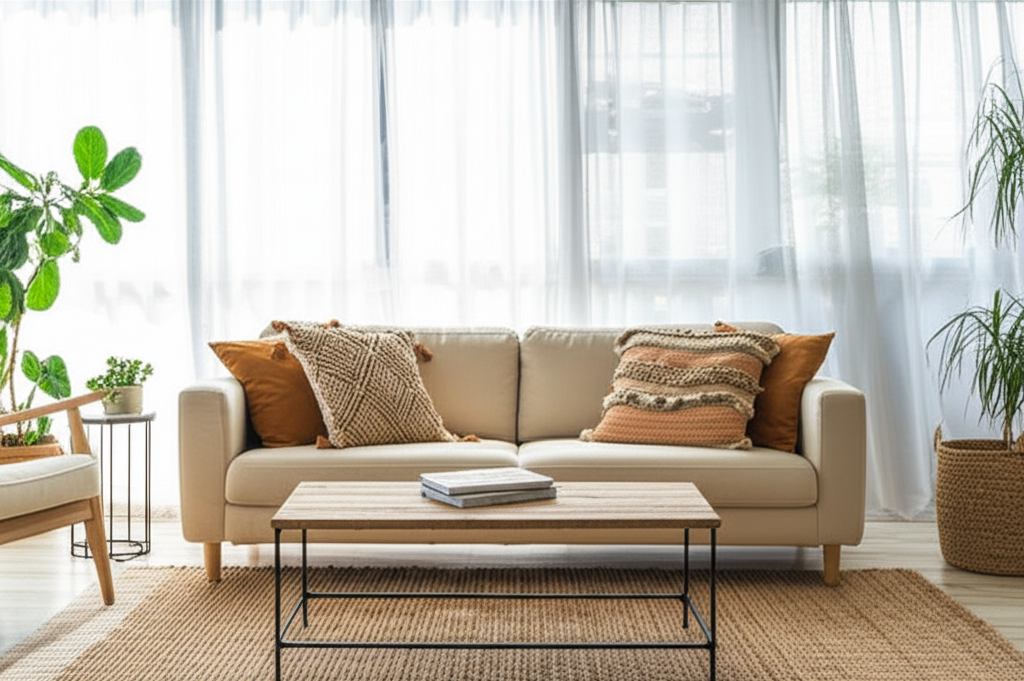
Transform your living room into a stylish haven with these essential decor ideas. Discover easy, affordable tips for creating a beautiful and functional space that reflects your personality.
Feeling a bit lost when it comes to decorating your living room? You’re not alone! It’s the heart of your home, where you relax, entertain, and make memories. But figuring out how to make it look amazing can feel overwhelming, especially when you’re just starting out.
Don’t worry, I’m here to help! We’ll break down the best decor ideas for living rooms into simple, actionable steps. You’ll learn how to choose the right pieces, arrange them perfectly, and add those special touches that make a house feel like a home.

Get ready to discover your living room’s full potential with stunning essentials that are both stylish and practical. Let’s dive in!
Your Living Room Makeover: The Essential Guide
Creating a beautiful living room doesn’t require a huge budget or a degree in interior design. It’s all about understanding a few key principles and choosing pieces that speak to you. We’ll cover everything from selecting the perfect sofa to adding those finishing touches that make all the difference.
Think of your living room as a canvas. We’re going to paint it with personality, comfort, and style. Ready to make it a space you’ll love spending time in? If you’re also looking to refresh other areas of your home, explore our guide on 10 Best Kitchen Decor Themes for inspiration that complements your living space.
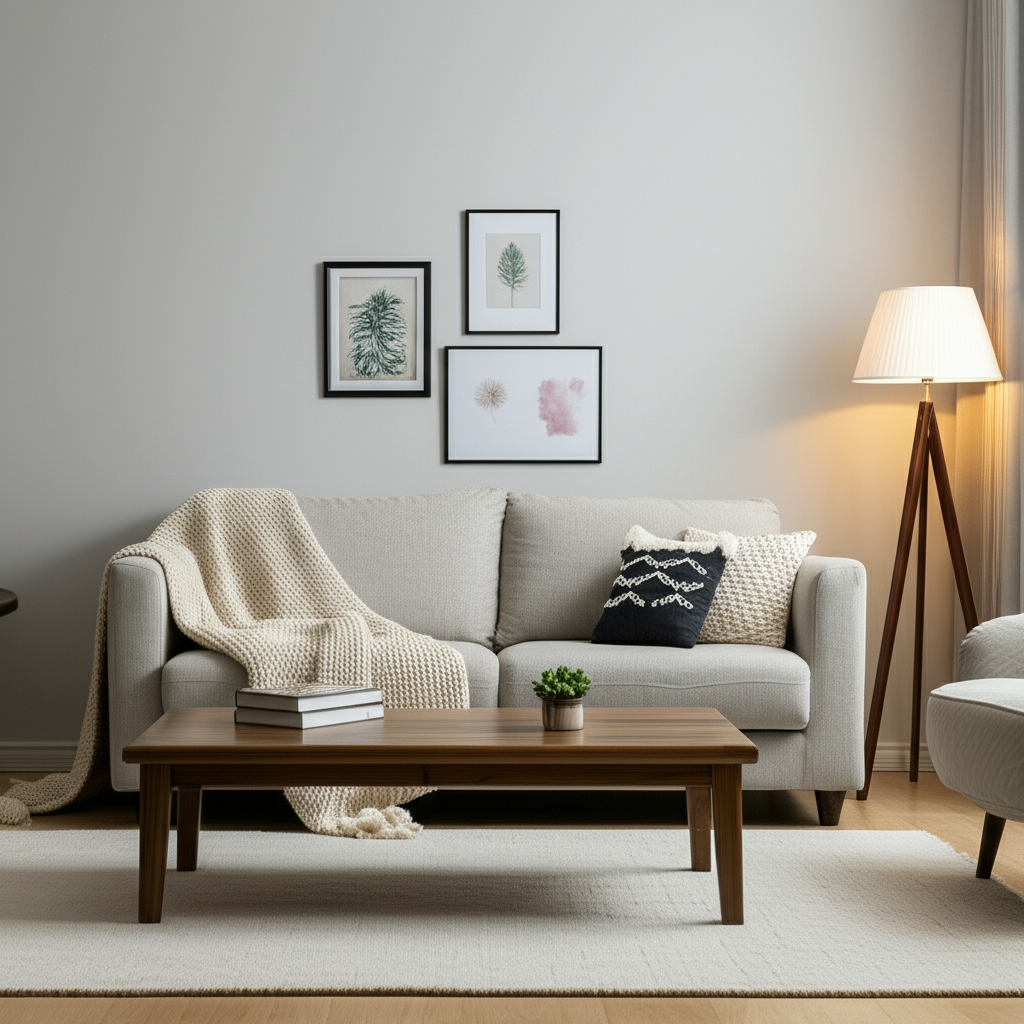
1. The Foundation: Choosing Your Anchor Pieces
Every great living room starts with a solid foundation. This usually means selecting your main furniture pieces. These are the big items that set the tone and functionality for the room.
The Sofa: Your Living Room’s Star
The sofa is likely the largest piece of furniture and the focal point of your living room. It needs to be comfortable, durable, and fit your style.
- Size Matters: Measure your space carefully before you shop. Consider the scale of the room. A massive sectional might overwhelm a small apartment, while a tiny loveseat can get lost in a large room.
- Comfort is Key: Sit on it! Test the depth, the cushioning, and the height of the back. You’ll be spending a lot of time here, so comfort is non-negotiable.
- Style & Color: Neutrals like grey, beige, or cream are versatile and timeless. You can always add pops of color with throw pillows and blankets. If you’re feeling bold, a colored sofa can be a fantastic statement piece!
- Material: For durability and easy cleaning, consider performance fabrics, leather, or tightly woven materials.
Accent Chairs: Adding Personality and Seating
Accent chairs are a wonderful way to add extra seating, a splash of color, or a different texture to your living room. They can break up the monotony of a matching furniture set.
- Placement: Position them to create conversation areas, often facing the sofa or angled towards it.
- Variety: Don’t be afraid to mix and match. A sleek modern chair can look great next to a more traditional sofa.
- Comfort Level: While they might not be for lounging like the sofa, ensure they are comfortable enough for guests to sit in for a while.
Coffee Table & Side Tables: Functional & Stylish
These tables are essential for practicality. They provide a surface for drinks, books, remotes, and decor. They also contribute significantly to the room’s overall look.
- Height: A coffee table should ideally be about the same height as your sofa’s seat cushions, or slightly lower. Side tables should be close to the height of your sofa’s armrests.
- Material & Style: Choose materials that complement your sofa and chairs. Wood adds warmth, glass can make a space feel lighter, and metal can offer a modern touch.
- Shape: Round or oval tables can soften a room with a lot of straight lines and are great for traffic flow. Rectangular or square tables can feel more formal.
2. The Art of Arrangement: Creating Flow and Balance
Where you place your furniture is just as important as what you choose. Good arrangement makes a room feel more spacious, inviting, and functional.
Defining Your Layout
Consider the main purpose of your living room. Is it for watching TV, entertaining guests, reading, or a combination? Your layout should support these activities.
- Focal Point: Identify the main focal point of your room. This could be a fireplace, a large window with a view, or your entertainment center. Arrange your furniture to face or complement this point.
- Conversation Areas: Group seating pieces so they face each other, encouraging conversation. Leave enough space for people to move around comfortably. Aim for 3-4 feet between seating pieces for easy conversation.
- Traffic Flow: Ensure there are clear pathways for people to walk through the room without bumping into furniture. Avoid blocking doorways or main walking routes.
The 3-Foot Rule for Pathways
A good rule of thumb for traffic flow is to leave at least 3 feet (about 1 meter) of open space for major walkways. This ensures people can move freely without feeling cramped. For smaller spaces, you might need to be a bit more creative, but always try to maintain clear paths.
Balancing Your Space
Balance means distributing the visual weight of your furniture and decor evenly throughout the room. This prevents one side from feeling too heavy or empty.
- Symmetrical Balance: This is like a mirror image. Placing identical items on either side of a focal point (e.g., two matching lamps on either side of a sofa) creates a formal and traditional feel.
- Asymmetrical Balance: This is more casual and dynamic. It involves using different items that have similar visual weight. For example, a large armchair on one side of a sofa could be balanced by a floor lamp and a small side table on the other.
3. Color & Texture: Bringing Your Room to Life
Once your furniture is in place, it’s time to add personality with color and texture. These elements transform a room from functional to fabulous.
The Power of Paint
Paint is one of the most impactful and affordable ways to change the mood of a room. Consider the emotions you want to evoke.
- Light & Airy: Whites, creams, and soft pastels can make a room feel larger and more open.
- Cozy & Warm: Deeper blues, greens, or even a warm gray can create a more intimate and cozy atmosphere.
- Bold & Energetic: A statement wall in a vibrant color can add a dramatic flair.
For a great resource on understanding color theory and choosing paint colors, check out The Painting Contractor’s Association’s Color Guide. They offer insights into how colors affect perception and mood.
Textiles: The Soft Touch
Textiles are where you can really play with color, pattern, and texture. Think rugs, curtains, throw pillows, and blankets.
- Rugs: A rug anchors your furniture and defines the living area. It adds warmth, color, and sound absorption.
- Curtains: They frame your windows, control light, and add softness and color.
- Throw Pillows & Blankets: These are the easiest way to inject personality and comfort. Mix and match textures (velvet, knit, linen) and patterns for a layered look.
Material Matters: Adding Depth
Mixing materials adds visual interest. Combine smooth surfaces with rough ones, and hard materials with soft ones.
Consider a sleek metal coffee table with a plush velvet sofa, or a rustic wooden side table next to a smooth leather armchair. This contrast keeps the eye engaged. For more inspiration on mixing materials in small spaces, check out our article on 10 Cozy Small Kitchen Ideas—many principles apply across rooms!
4. Lighting: Setting the Mood
Good lighting is crucial for both functionality and ambiance. Layering different types of light can transform your living room from day to night.
Types of Lighting
- Ambient Lighting: This is the general overhead lighting that illuminates the entire room. Think ceiling fixtures or recessed lighting.
- Task Lighting: This is focused light for specific activities, like reading. Floor lamps and table lamps beside seating areas are great for this.
- Accent Lighting: This is used to highlight specific features, like artwork or architectural details. Picture lights or spotlights work well here.
The Magic of Dimmers
Installing dimmers on your main light sources is a game-changer. They allow you to easily adjust the light intensity to suit the mood, from bright and functional to soft and cozy.
According to the U.S. Department of Energy, using dimmers can also save energy. You can learn more about energy-efficient lighting choices on their Energy Saver website.
5. Decor & Accessories: The Finishing Touches
These are the elements that truly personalize your space and make it feel like you. Don’t underestimate the power of thoughtful accessories.
Wall Art: Your Personality on Display
Art can be a focal point or a subtle addition. It’s a fantastic way to express your style and add color or texture to blank walls.
- Gallery Walls: Mix and match framed photos, prints, and even decorative objects for a curated look.
- Large Statement Piece: A single, large piece of art can anchor a wall and become a conversation starter.
- Personal Photos: Don’t be afraid to display cherished family photos!
Mirrors: Creating Space and Light
Mirrors are magic for living rooms. They reflect light, making the room feel brighter and larger. They can also add a decorative element.
- Placement: Hang a mirror opposite a window to maximize light reflection. A large mirror above a fireplace or sofa can act as a focal point.
- Style: From ornate antique frames to minimalist modern designs, mirrors come in endless styles to match your decor.
Plants: Bringing Life Indoors
Plants add color, texture, and a sense of calm to any room. They can liven up empty corners or add a pop of green to shelves.
- Low-Maintenance Options: Snake plants, ZZ plants, and Pothos are great for beginners.
- Variety: Mix different sizes and types of plants for visual interest.
Books & Decorative Objects
Stacking books on coffee tables or shelves adds a touch of intellectual charm. Curate decorative objects that have meaning to you – souvenirs, sculptures, candles, or vases. Group them in odd numbers (threes or fives) for a more pleasing aesthetic.
6. Smart Storage Solutions
A cluttered living room is rarely a relaxing one. Incorporating smart storage is key to keeping your space tidy and stylish.
Multi-Functional Furniture
Look for pieces that serve double duty.
- Ottomans with Storage: Perfect for blankets, remotes, or toys.
- Coffee Tables with Drawers or Shelves: Keep magazines and remotes out of sight.
- Media Consoles with Doors: Hide electronics and clutter.
Decorative Baskets and Bins
These are excellent for corralling smaller items like mail, remotes, or extra throws. They add texture and can be a stylish decor element themselves. Discover more clever storage hacks in our post on 10 Stylish Kitchen Storage Accessories—perfect for cross-room inspiration!
Floating Shelves
These offer vertical storage without taking up floor space. They are great for displaying books, plants, and decorative items.
Putting It All Together: A Sample Style Board
To help visualize how these elements come together, let’s imagine a scenario. This is just an example; your personal style will guide your choices!
Scenario: Cozy Modern Living Room
| Category | Essential Item | Style Notes | Why it Works |
|---|---|---|---|
| Anchor Furniture | Sofa | 3-seater, neutral grey fabric with clean lines. | Versatile, comfortable, and a great base for adding color. |
| Accent Seating | Armchair | Upholstered in a warm, mustard yellow boucle fabric. | Adds a pop of color, texture, and a cozy feel. |
| Tables | Coffee Table | Round, walnut wood with a metal black base. | Softens the room, adds natural warmth, and complements the sofa. |
| Tables | Side Table | Small, minimalist black metal table. | Provides a surface next to the armchair without overwhelming the space. |
| Rug | Area Rug | Geometric pattern in shades of grey, cream, and a hint of navy. | Defines the seating area, adds pattern and color, and feels soft underfoot. |
| Lighting | Floor Lamp | Arcing metal floor lamp with a white shade. | Provides task lighting for reading and adds a modern sculptural element. |
| Lighting | Table Lamp | Ceramic lamp with a textured base and neutral shade. | Adds ambient light and warmth to the sofa side. |
| Wall Decor | Artwork | Set of three abstract prints with blues and grays. | Adds visual interest to the wall above the sofa, tying in colors from the rug. |
| Accessories | Throw Pillows | Mix of textures: one knit cream, one navy velvet, one with a subtle geometric pattern. | Adds comfort, layering, and pulls the room’s color scheme together. |
| Accessories | Throw Blanket | Chunky knit in a soft beige. | Adds texture and a cozy element for chilly evenings. |
| Greenery | Potted Plant | Snake plant in a modern ceramic pot. | Adds life, color, and purifies the air. |
Budget-Friendly Decor Tips
Decorating doesn’t have to break the bank. Here are some ways to get a stunning look without overspending:
- DIY Projects: Refresh old furniture with a coat of paint, create your own art, or repurpose items.
- Thrift Stores & Flea Markets: You can find unique lamps, mirrors, accent pieces, and even furniture at great prices.
- Sales & Clearance Sections: Keep an eye out for discounts at your favorite home decor stores.
- Focus on Impactful Items: Invest in a few key pieces you love and fill in with more affordable accessories.
- Swap Out Accessories: Change throw pillows, blankets, or decorative objects seasonally to refresh your look without redecorating entirely.
Frequently Asked Questions (FAQ)
Q1: How do I choose the right size rug for my living room?
A1: A good rule of thumb is for the rug to be large enough so that at least the front legs of your sofa and chairs are on it. In larger rooms, you can have all furniture pieces resting entirely on the rug. Ensure there’s about 12-18 inches of bare floor around the edges of the rug.
Q2: I have a small living room. How can I make it feel bigger?
A2: Use light colors for walls and furniture, incorporate mirrors to reflect light, choose furniture with exposed legs to create a sense of openness, and avoid overcrowding the space with too many pieces. Vertical storage, like tall bookshelves, can also draw the eye upward.
Q3: What’s the best way to arrange furniture if I have a fireplace?
A3: The fireplace is often the natural focal point. Arrange your sofa and accent chairs to face it, creating a cozy conversation area. You can place the sofa directly opposite, with chairs flanking it, or create an L-shape with the sofa and a chair angled towards the fireplace.
Q4: How many throw pillows should I put on my sofa?
A4: It depends on the size of your sofa and your personal preference. For a standard three-seater sofa, two to four pillows is a common and balanced look. For sectionals, you might use more. Varying sizes and textures can add depth.
Q5: Should my curtains match my sofa exactly?
A5: Not necessarily! While they should complement each other, matching exactly can sometimes look too uniform. Consider curtains that pick up a secondary color from your sofa, or introduce a subtle pattern that harmonizes with your upholstery. The goal is cohesion, not identicality.
Q6: How often should I update my living room decor?
A6: There’s no set schedule! You can refresh your decor by changing out seasonal items like throw pillows and blankets a few times a year. For larger changes, like paint or new furniture, it might be every few years, or whenever you feel the need for a significant update or your needs change.
Conclusion: Your Stylish Living Room Awaits!
Decorating your living room is an exciting journey, and with these essential ideas, you’re well on your way to creating a space you’ll adore. Remember, the “best” decor is the decor that makes you happy and comfortable in your own home.
Start with the foundation, arrange your pieces thoughtfully, and then have fun adding color, texture, and personal touches. Don’t be afraid to experiment and let your personality shine through. Your living room is your sanctuary, so make it a reflection of you!
Happy decorating!