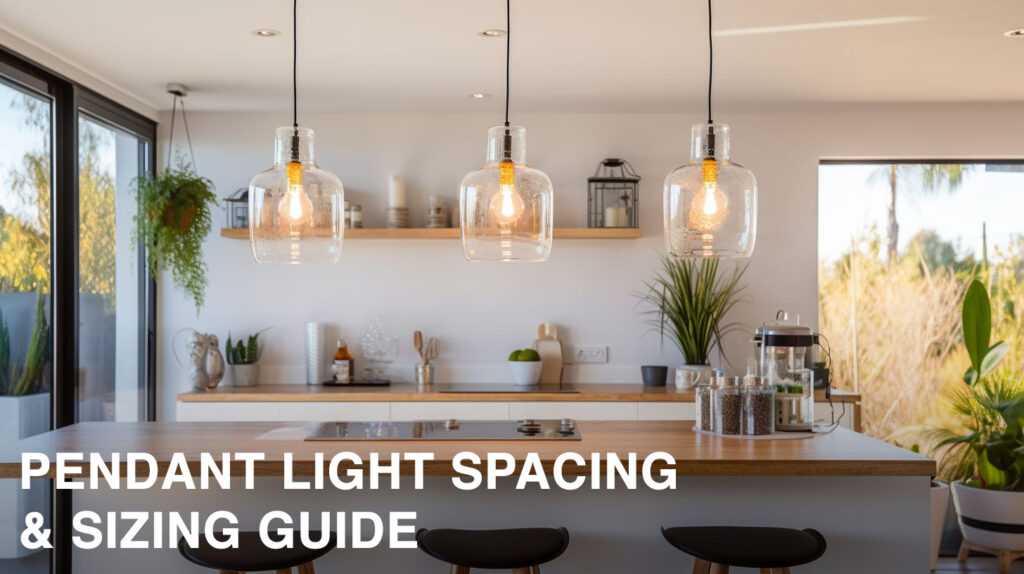
The best lighting placement for kitchen islands involves combining pendant lights with recessed or track lighting to ensure both style and functionality. Properly hung pendant lights centered above the island provide focused illumination, while supplementary lighting reduces shadows and brightens the entire space. Positioning lights at an even height and ensuring they’re well spaced creates a balanced, inviting glow that makes cooking and socializing easier and more enjoyable.
For a stunning and practical kitchen island setup, use a combination of pendant lights placed roughly 30-36 inches above the countertop, evenly spaced across the length of the island. Supplement these with under-cabinet or recessed lighting to ensure the entire workspace is well-lit, avoiding shadows and dark spots. This blend not only enhances the aesthetic appeal but also maximizes functionality in your kitchen.
Lighting placement for kitchen islands plays a crucial role in transforming your space into both a practical work area and a stylish focal point. Given its importance, finding the right balance between task and ambient lighting can be tricky. Properly positioned pendant lights and supplemental fixtures can create a warm, welcoming atmosphere while providing ample brightness for cooking, dining, or entertaining. A well-thought-out lighting plan ensures no shadows hinder your view and that every corner of the island is inviting and functional.

Best Lighting Placement for Kitchen Islands
Understanding the Importance of Proper Lighting Placement
Good lighting on a kitchen island makes cooking easier and enhances the space’s overall appearance. When lights are placed correctly, they eliminate shadows and brighten up the entire island area. Proper lighting placement also creates a cozy and inviting atmosphere in the kitchen.
Types of Lighting for Kitchen Islands
Different lighting options work best when placed thoughtfully on a kitchen island. Common choices include pendant lights, chandeliers, recessed lighting, and track lighting. The right type depends on your kitchen style, ceiling height, and lighting needs.
Choosing the Right Pendant Lights
Pendant lights are popular for kitchen islands because they hang down and focus light directly where it’s needed. When selecting pendant lights, consider their size, shape, and height. Ideally, each pendant should be about 20 to 30 inches apart for balanced illumination.
Optimal Placement of Pendant Lights
Place pendant lights roughly 30 to 36 inches above the surface of the island. This height provides enough clearance for movement and ensures light spreads evenly. Position the pendants symmetrically for a balanced look, especially over rectangular islands.
Spacing and Arrangement of Lights
Proper spacing is key to avoiding dark spots and glare. When installing multiple light fixtures, keep each fixture about 24 to 30 inches apart. For a rectangular island, hanging lights in a straight row usually works best.
Number of Lights Needed
The number of fixtures depends on the size of your island. For an island longer than 8 feet, consider hanging three or more pendant lights. Smaller islands may only need two fixtures to provide ample lighting.
Lighting Placement for Recessed and Track Lights
Recessed lights installed in the ceiling can also brighten up your kitchen island. Place them strategically so they focus light directly on the surface without creating shadows. Track lighting offers flexibility, allowing you to adjust the direction of the light as needed.
Positioning Recessed Lights
Space recessed fixtures approximately 24 to 30 inches apart along the length of the island. Place them about 18 inches from the edge to avoid light spill and to ensure even coverage.
Track Lighting Arrangement
Install a track system parallel to the island for flexible placement. Use adjustable heads to direct light downward and onto the work surface. Position the track about 12 inches from the island edge for optimum light distribution.
Balancing Ambient and Task Lighting
A well-lit kitchen requires both ambient and task lighting. Ambient lighting provides overall brightness, while task lighting focuses on areas where activities happen. Combining these methods improves both functionality and style.
Layering Your Lighting
Use layered lighting by pairing pendant or chandelier fixtures with recessed lights. Place ambient lights in the ceiling, with pendants or under-cabinet lights focusing on the island. This layered approach creates a well-lit and inviting space.
Consider Ceiling Height and Fixture Size
Ceiling height influences fixture choices and placement. For standard 8-foot ceilings, pendant lights should hang about 30 inches above the surface. Higher ceilings may require longer fixtures or larger pendants to fill the space effectively.
Choosing the Right Size of Fixtures
Select fixtures proportional to your island size. For small islands, smaller pendants (about 8 to 12 inches in diameter) work well. Larger islands benefit from bigger fixtures or multiple smaller ones to avoid a crowded look.
Lighting Placement Tips for Visual Balance
Ensure your lighting fixtures align with the overall style of the kitchen. Use symmetrical arrangements for a balanced look or asymmetrical designs for a modern, eclectic style. Keep fixtures centered over the island for visual harmony.
Creating Focal Points
Arrange lighting fixtures to draw attention to the island as a central feature. Use statement pendants or a chandelier to enhance the aesthetic appeal and make the space feel cohesive.
Additional Tips for Perfect Lighting Placement
– Avoid placing fixtures directly over the sink to prevent glare.
– Use dimmer switches for adjustable lighting levels.
– Ensure the lighting design complements other kitchen elements like cabinets and countertops.
– Test lighting placement with temporary fixtures before permanent installation.
Related Topics
Energy Efficiency and Choice of Bulbs
Use LED bulbs for energy-efficient, long-lasting lighting. Choose warm white tones (around 2700K to 3000K) for a cozy atmosphere.
Smart Lighting Solutions
Integrate smart lighting systems for adjustable brightness and color temperature. These can be controlled via smartphone or voice commands for added convenience.
Maintaining and Updating Lighting Fixtures
Regularly clean fixtures and replace bulbs as needed to keep lighting quality high. Update fixtures periodically to match evolving kitchen decor styles.
Design Inspiration and Trends
Explore modern, rustic, or industrial lighting styles that suit your kitchen theme. Layer different types of fixtures to create depth and interest.
By paying close attention to the placement, spacing, and style of your kitchen island lighting, you create a space that is both beautiful and functional. Thoughtful positioning enhances safety, visibility, and overall kitchen experience, making cooking and entertaining more enjoyable.
Interior Design Tips: Kitchen Island Lighting Rules
Frequently Asked Questions
How does the height of pendant lights affect kitchen island lighting?
Choosing the right height for pendant lights ensures proper illumination and enhances the visual appeal of your kitchen island. Generally, hanging pendants 30 to 36 inches above the counter provides ample light for cooking and prep work while maintaining a balanced look. Adjust this height depending on the size of the pendant and ceiling height to prevent obstruction and glare. Properly positioned pendants create a well-lit workspace without overwhelming the overall kitchen design.
What layout options work best for lighting a large kitchen island?
For expansive islands, evenly spaced multiple light fixtures distribute illumination effectively across the entire surface. Installing three or more pendants or a combination of pendant and recessed lighting maintains consistent brightness. Symmetrical arrangements paired with varied fixture heights can add visual interest. Tailoring the layout to match the island’s dimensions and function will ensure all tasks receive adequate lighting while keeping the space visually balanced.
Should task lighting be prioritized over ambient lighting for kitchen islands?
Yes, prioritizing task lighting on the island enhances functionality by providing focused illumination for preparing and cooking. Incorporate adjustable fixtures like pendant lights or under-cabinet lighting to brighten specific work areas. However, combine task lighting with ambient lighting to create a cozy atmosphere and reduce shadows. A layered lighting approach balances practicality with aesthetic appeal, ensuring the space feels welcoming and well-lit.
How can I incorporate dimming features into my kitchen island lighting?
Adding dimmable switches to your island lighting offers flexibility for different activities and moods. Install dimmer-compatible fixtures and controls that allow you to adjust brightness easily. For instance, bright lighting works well during meal prep, while softer lighting creates a relaxed ambiance for dining or evening gatherings. Make sure your bulbs and fixtures support dimming to enjoy smooth control and optimal lighting at all times.
What are some lighting arrangements to highlight the design features of a kitchen island?
Use a central, statement fixture like a chandelier or a row of pendant lights to draw attention to your island. Incorporate accent lighting such as LED strips underneath the overhang or along the edges to emphasize its shape and materials. Combining different lighting styles adds depth and interest, showcasing the island as a focal point while providing practical illumination. Thoughtful placement and choice of fixtures elevate the overall look and functionality of your kitchen space.
Final Thoughts
Best lighting placement for kitchen islands ensures both functionality and style. Pendant lights should hang 30 to 36 inches above the countertop for optimal illumination and visual balance. Consider using multiple fixtures to distribute light evenly across the entire surface. Proper placement minimizes shadows and creates an inviting space. In summary, strategic lighting placement enhances your kitchen’s aesthetic and usability, making it a more enjoyable area for cooking and socializing.